AlNiCo Magnets
Cast & Sintered Grades 2-9 · 550°C Ultra-Stable Performance
The original permanent magnet material. AlNiCo (Aluminum-Nickel-Cobalt) offers the lowest reversible temperature coefficient of any magnet material (~0.02%/°C) and operates flawlessly up to 550°C. The definitive choice for precision instruments, sensors, and aerospace where magnetic stability is non-negotiable.

What Are AlNiCo Magnets?
AlNiCo is an iron-based alloy containing aluminum (8-12%), nickel (15-26%), cobalt (5-35%), plus copper and titanium. It was the strongest permanent magnet available before rare earth magnets were discovered. Today, AlNiCo is prized for its unmatched temperature stability — losing less than 5% flux when heated from 20°C to 300°C.
Near-Net Shape Formation
Molten alloy poured into sand or investment molds, then heat-treated in a magnetic field. Produces complex shapes impossible with sintering. Larger grain structure → higher remanence.
Precision Powder Route
Powder metallurgy approach: pressed and sintered. Smaller, simpler shapes with tighter tolerances (±0.05mm). Better mechanical properties than cast. Lower cost for small parts.
Magnetic "Set and Forget"
Reversible temperature coefficient: -0.02%/°C — the best of any permanent magnet. Irreversible losses are negligible under 550°C. The material of choice for precision moving-coil meters, watt-hour meters, and aerospace navigation.
Sintered AlNiCo Magnet Grades & Properties
Ningbo Empire supplies sintered AlNiCo grades 2, 5, and 8. Sintered AlNiCo offers tighter tolerances and better mechanical properties than cast, making it ideal for small precision parts such as sensors, meters, and miniature instruments.
| Sintered AlNiCo – Available Grades | ||||||||||
|---|---|---|---|---|---|---|---|---|---|---|
| NEM Grade | Residual Induction Br | Coercive Force Hc | Intrinsic Coercive Force Hci | Maximum Energy Product (BH)max | Max. Operating Temp.* | |||||
| Nominal kG | Nominal T | Nominal Oe | Nominal kA/m | Minimum Oe | Minimum kA/m | Nominal MGOe | Nominal kJ/m³ | Nominal °C | Nominal °F | |
| Alnico 2 | 7.0 | 0.70 | 500 | 40 | 540 | 43 | 1.5 | 12 | 450°C | 840°F |
| Alnico 5 | 11.0 | 1.10 | 600 | 48 | 600 | 48 | 4.25 | 34 | 450°C | 840°F |
| Alnico 8 | 8.8 | 0.88 | 1,530 | 121 | 1,600 | 127 | 5.25 | 42 | 450°C | 840°F |
| * The listed maximum operating temperatures are based on an adequate Length to Diameter ratio or a properly designed magnetic circuit. The listed values are for reference and validation must occur before one chooses a design path. Please consult a Ningbo Empire technical representative before selecting or designing with AlNiCo magnet alloy. | ||||||||||
Cast AlNiCo Magnet Grades & Properties
Cast AlNiCo delivers higher remanence and energy product than sintered grades, with complex near-net shapes possible through sand or investment casting. Grades 5, 5B, 5 DG, 5-7, 8-HC, 8, 8B, 8C, and 9 cover applications from holding magnets to precision instruments.
| Cast AlNiCo – Available Grades | ||||||||||
|---|---|---|---|---|---|---|---|---|---|---|
| NEM Grade | Residual Induction Br | Coercive Force Hc | Intrinsic Coercive Force Hci | Maximum Energy Product (BH)max | Max. Operating Temp.* | |||||
| Nominal kG | Nominal T | Nominal Oe | Nominal kA/m | Minimum Oe | Minimum kA/m | Nominal MGOe | Nominal kJ/m³ | Nominal °C | Nominal °F | |
| Alnico 5 | 12.2 | 1.22 | 600 | 48 | 630 | 50 | 5.0 | 40 | 500°C | 930°F |
| Alnico 5B | 12.2 | 1.22 | 650 | 52 | 660 | 53 | 5.5 | 44 | 500°C | 930°F |
| Alnico 5 DG | 12.5 | 1.25 | 690 | 55 | 700 | 56 | 6.5 | 52 | 500°C | 930°F |
| Alnico 5-7 | 13.0 | 1.30 | 700 | 56 | 740 | 59 | 7.5 | 60 | 525°C | 980°F |
| Alnico 8-HC | 7.0 | 0.70 | 1,750 | 139 | 1,750 | 139 | 4.5 | 36 | 525°C | 980°F |
| Alnico 8 | 8.2 | 0.82 | 1,500 | 119 | 1,600 | 127 | 5.0 | 40 | 525°C | 980°F |
| Alnico 8B | 8.8 | 0.88 | 1,500 | 119 | 1,650 | 131 | 5.5 | 44 | 525°C | 980°F |
| Alnico 8C | 9.0 | 0.90 | 1,380 | 110 | 1,440 | 115 | 7.5 | 60 | 525°C | 980°F |
| Alnico 9 | 10.5 | 1.05 | 1,410 | 112 | 1,440 | 139 | 9.0 | 72 | 525°C | 980°F |
| * The listed maximum operating temperatures are based on an adequate Length to Diameter ratio or a properly designed magnetic circuit. The listed values are for reference and validation must occur before one chooses a design path. Please consult a Ningbo Empire technical representative before selecting or designing with AlNiCo magnet alloy. | ||||||||||
Reversible Temperature Coefficient
AlNiCo has the lowest reversible temperature coefficient of any permanent magnet material, which is why it remains the first choice for precision instruments and calibration standards.
| Reversible Temperature Coefficient for Cast and Sintered AlNiCo | ||
|---|---|---|
| Temperature Range (°C) | Induction Br (α) (%)/°C | Intrinsic Coercivity Hci (β) (%)/°C |
| 20°C to 150°C | -0.02 to -0.03 | -0.02 to -0.03 |
| α = Δ Br / Δ T × 100 (Br @ 20°C) [ΔT = 20°C – 150°C] β = Δ Hci / Δ T × 100 (Hci @ 20°C) [ΔT = 20°C – 150°C] | ||
AlNiCo Magnet Physical Properties
Key mechanical, thermal, and electrical properties for cast and sintered AlNiCo. Values are typical and should be verified for your specific alloy and application.
| AlNiCo Magnets – Physical Properties | |||
|---|---|---|---|
| Property | Units | Value Sintered AlNiCo | Value Cast AlNiCo |
| Vickers Hardness | Hv | 440 | 440-620 |
| Density | g/cm³ | 6.8 – 7.0 | 6.9 – 7.3 |
| Curie Temp TC | °C | 810 – 860 | 740 – 860 |
| Curie Temp TF | °F | 1,400 – 1,580 | 1,460 – 1,580 |
| Specific Resistance | μΩ·Cm | 50-70 | 45 – 75 |
| Bending Strength | kN/mm² | 0.35 – 0.76 | 0.05 – 0.31 |
| Tensile Strength | kN/mm² | 0.35-0.45 | 0.02 – 0.15 |
| Thermal Expansion | °C-1 | +11.0 to +12.4 ×10⁻⁶ | +11.0 to +13.0 ×10⁻⁶ |
| The listed values are approximate and should be used as a reference. Any magnetic or physical characteristics should be substantiated before selecting a magnet material. Please engage a Ningbo Empire engineer before selecting a design path. | |||
Low Coercivity = Special Handling Required
Unlike NdFeB and SmCo, AlNiCo has very low coercivity. This means it can be easily demagnetized if removed from its magnetic circuit or exposed to external fields. AlNiCo magnets MUST be magnetized AFTER assembly into the final magnetic circuit — never before. This is the #1 mistake engineers make when switching to AlNiCo.
Magnetize After Assembly
Always magnetize the AlNiCo component after it is fully assembled into its keeper/yoke/magnetic circuit. This ensures full saturation.
Handle Magnetized AlNiCo Near Ferrous Metal
A magnetized AlNiCo magnet can be partially demagnetized simply by bringing it near a steel plate or another magnet. Keep unmounted, magnetized AlNiCo in keepers.
Long Magnet Length Preferred
Because of low Hci, AlNiCo magnets need a long magnetic length relative to pole area (high L/D ratio). Typically L/D > 4 for stable operation.
AlNiCo Design & Handling Guidelines
AlNiCo requires special handling due to its hardness, brittleness, and low coercivity. Follow these guidelines to avoid demagnetization and unnecessary machining cost.
Keep Shapes Simple
AlNiCo is hard and brittle and not suitable for drilling, tapping or conventional machining operations, so it is not usually used as a structural component in product design. We recommend selecting simple shapes when possible, fitting into slots rather than holes. Cross sections of less than 0.125″ (3.18 mm) should be avoided. Finishing increases cost, so if your application can use “as cast” or “as sintered” then cost will be lower.
Mounting & Protection
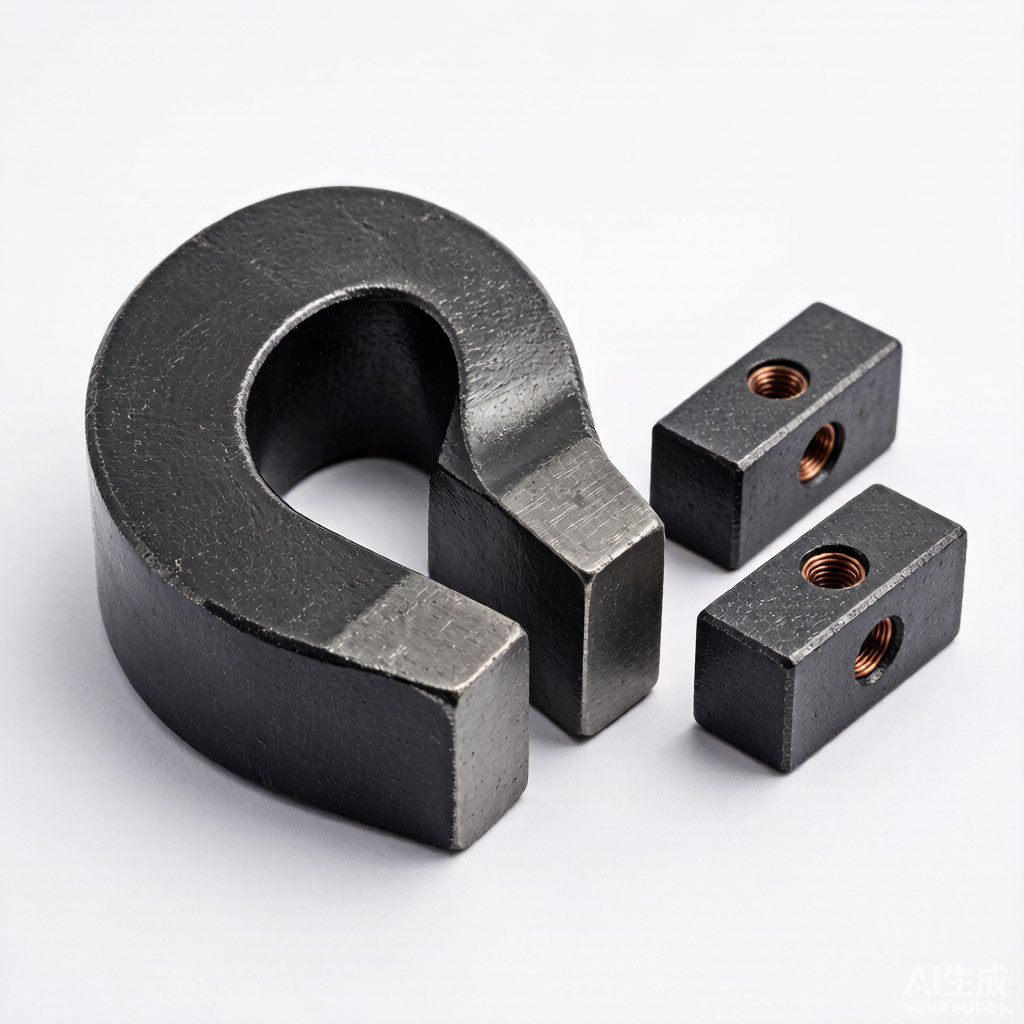
For holding applications requiring mounting, or to protect the magnet, alnico assemblies such as rotors or magnetron magnets may be supplied with aluminum housings. Alnico may be painted for aesthetic reasons, like the ever popular red horseshoe magnet.
Magnetize After Assembly
A second quadrant demagnetization curve provides information about the magnetic characteristics of a magnet, including the magnetic field strength and how resistant it is to demagnetize. How it is used in a magnetic circuit will affect its performance. When a permanent magnet is fully magnetized, its magnetic domains are aligned. Certain conditions such as temperature and reverse magnetic fields can cause some of the domains to lose this alignment and reverse, triggering the magnet to lose some or all of its magnetic field.
AlNiCo Second Quadrant Demagnetization Curves
Second quadrant demagnetization curves show the relationship between magnetic field strength (H) and flux density (B) for cast and sintered AlNiCo grades. Use this chart to estimate how a chosen grade behaves under opposing magnetic fields and elevated temperature.
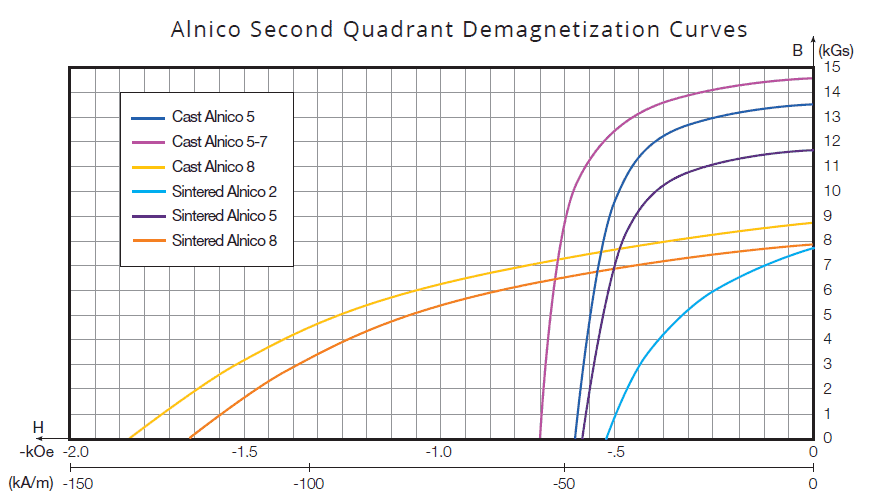
Cast AlNiCo 5 / 5-7 / 8 and Sintered AlNiCo 2 / 5 / 8 typical demagnetization curves at room temperature.
Applications of AlNiCo Magnets
From precision instrumentation to aerospace radar, AlNiCo magnets are chosen wherever magnetic stability across temperature extremes is non-negotiable.
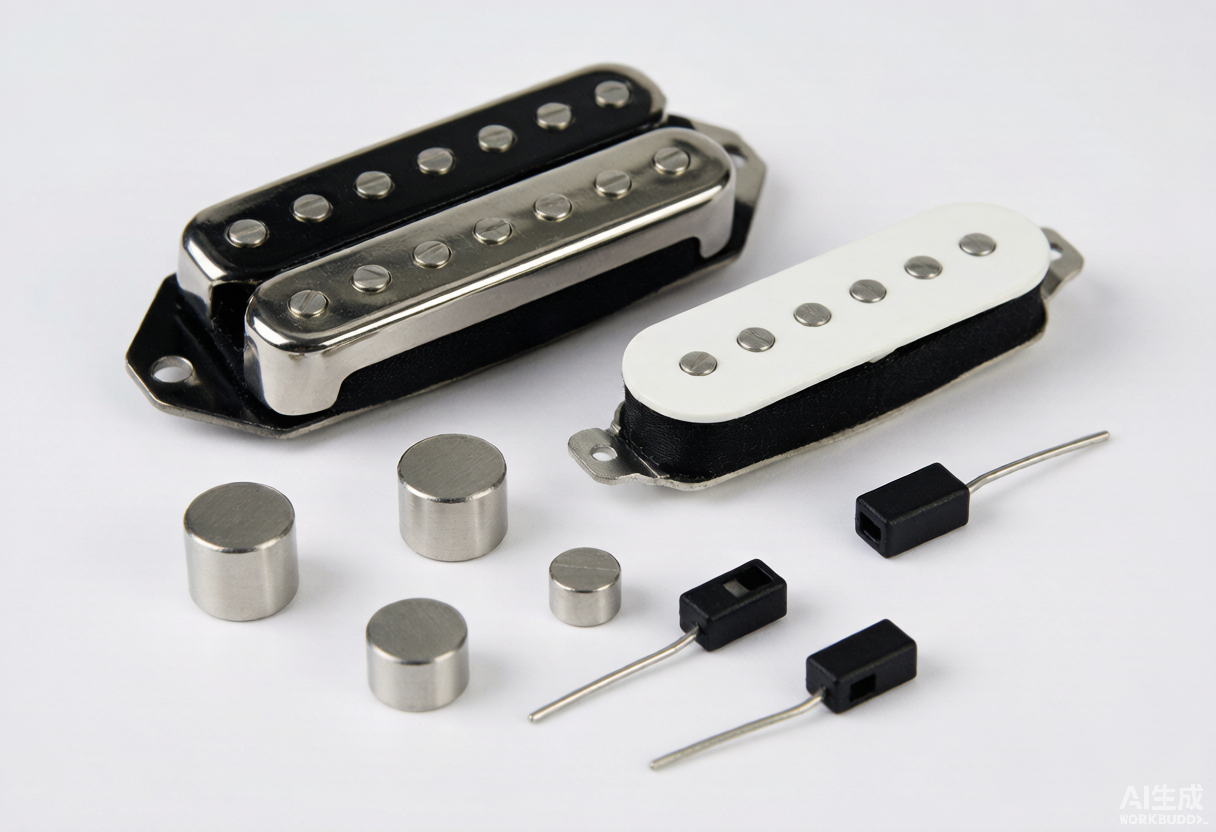
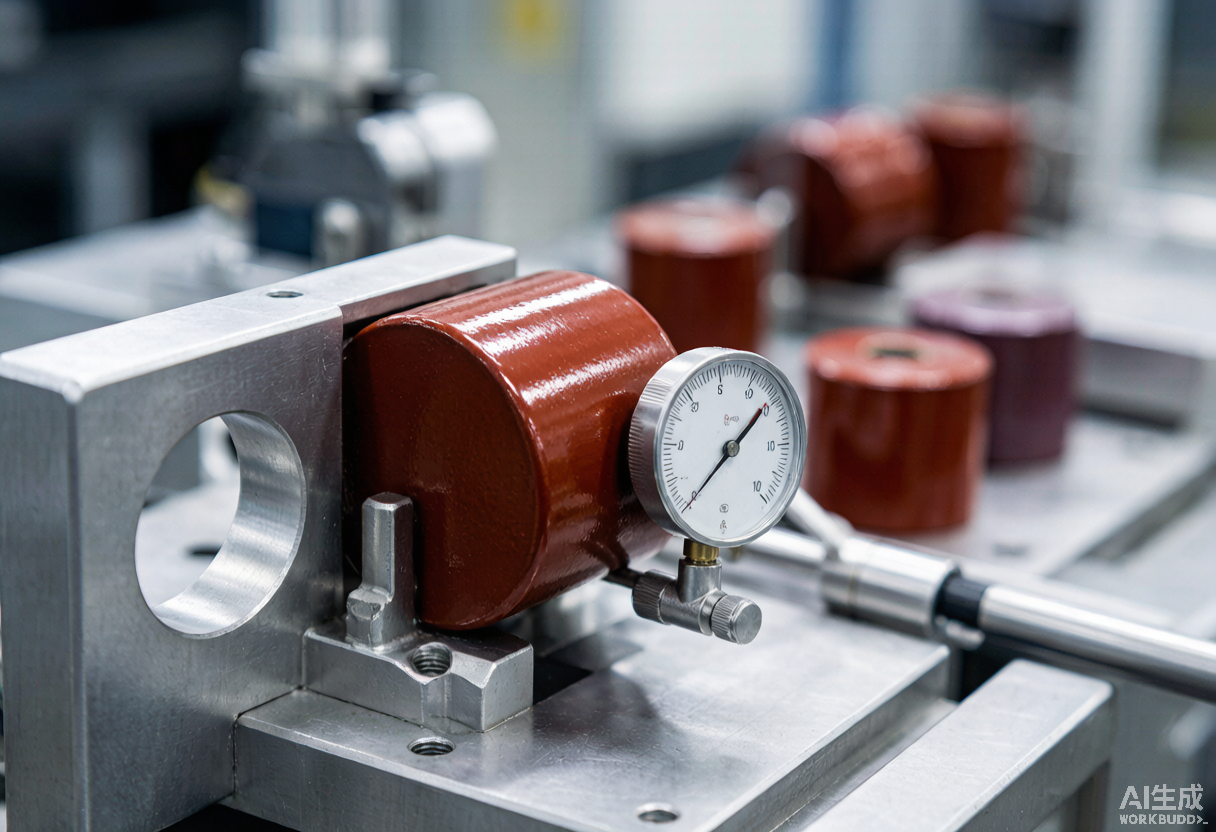
AlNiCo magnets offer the lowest reversible temperature coefficient of any permanent magnet material, making them the preferred choice for analog instruments, electricity metering, and temperature-critical sensing. Their high remanence and stable fields from cryogenic temperatures up to 550°C also serve microwave tubes, reed switches, and educational holding applications where reliability must not drift.
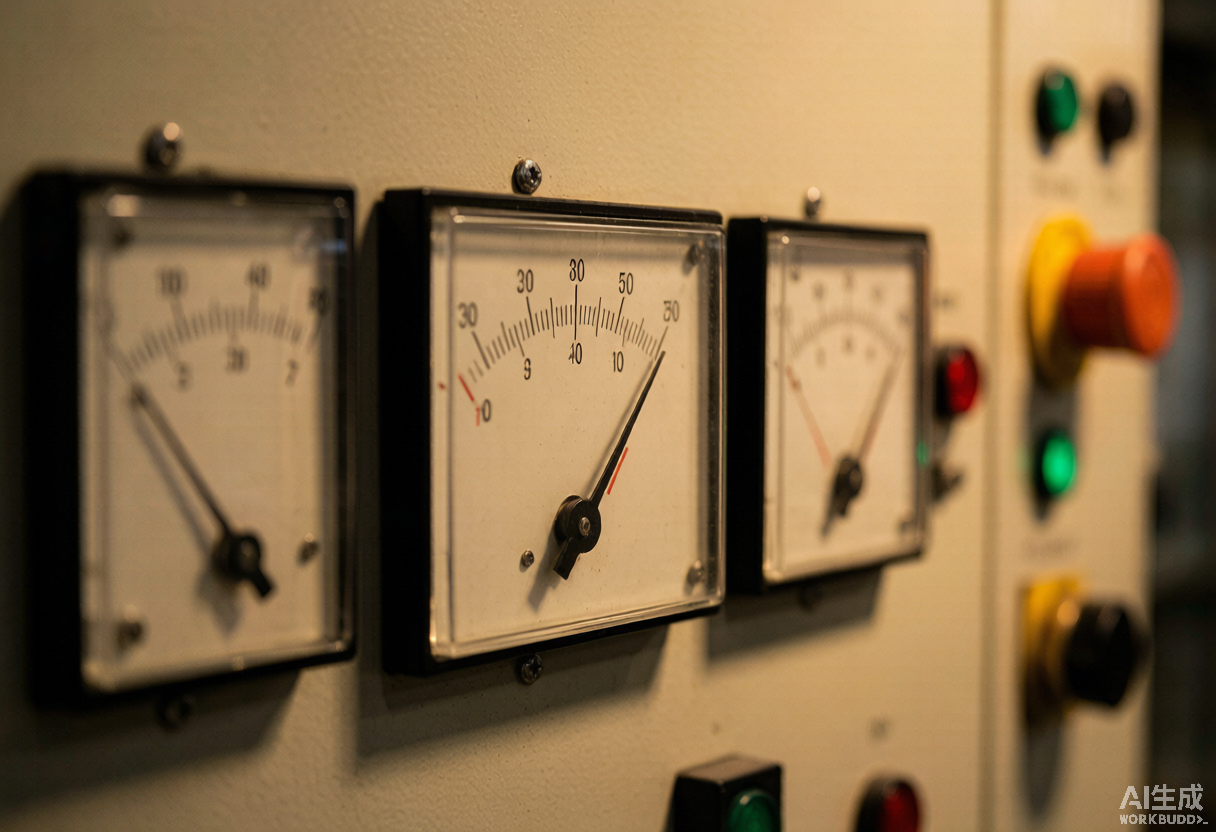
Precision Moving-Coil Meters
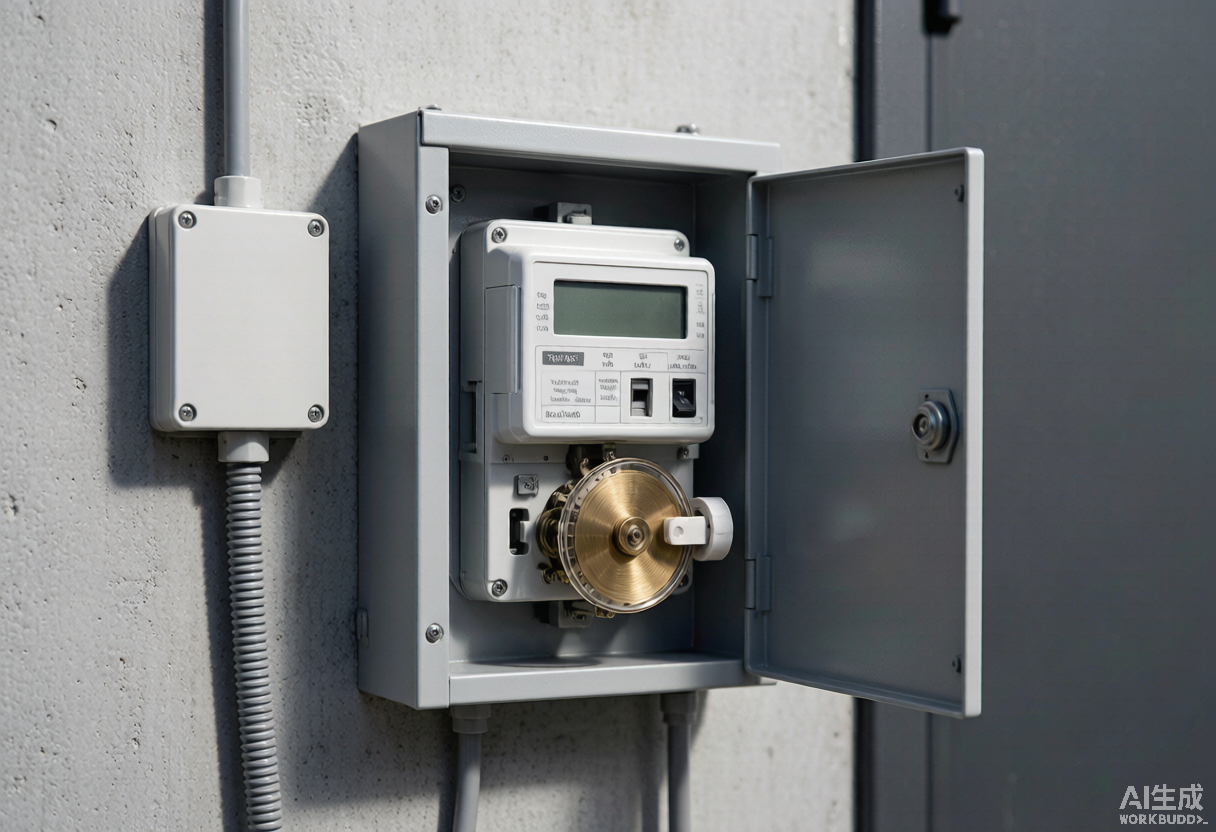
Watt-Hour Electricity Meters
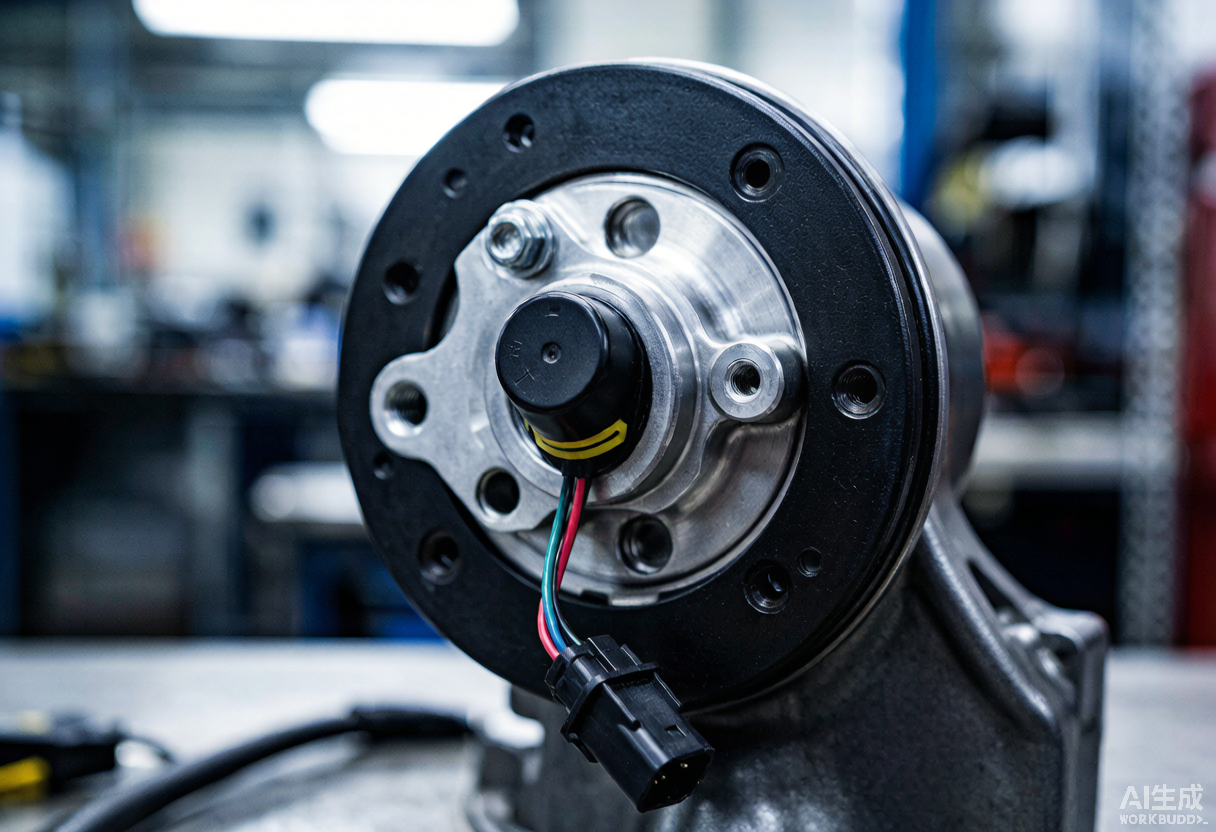
Automotive Speed & Position Sensors
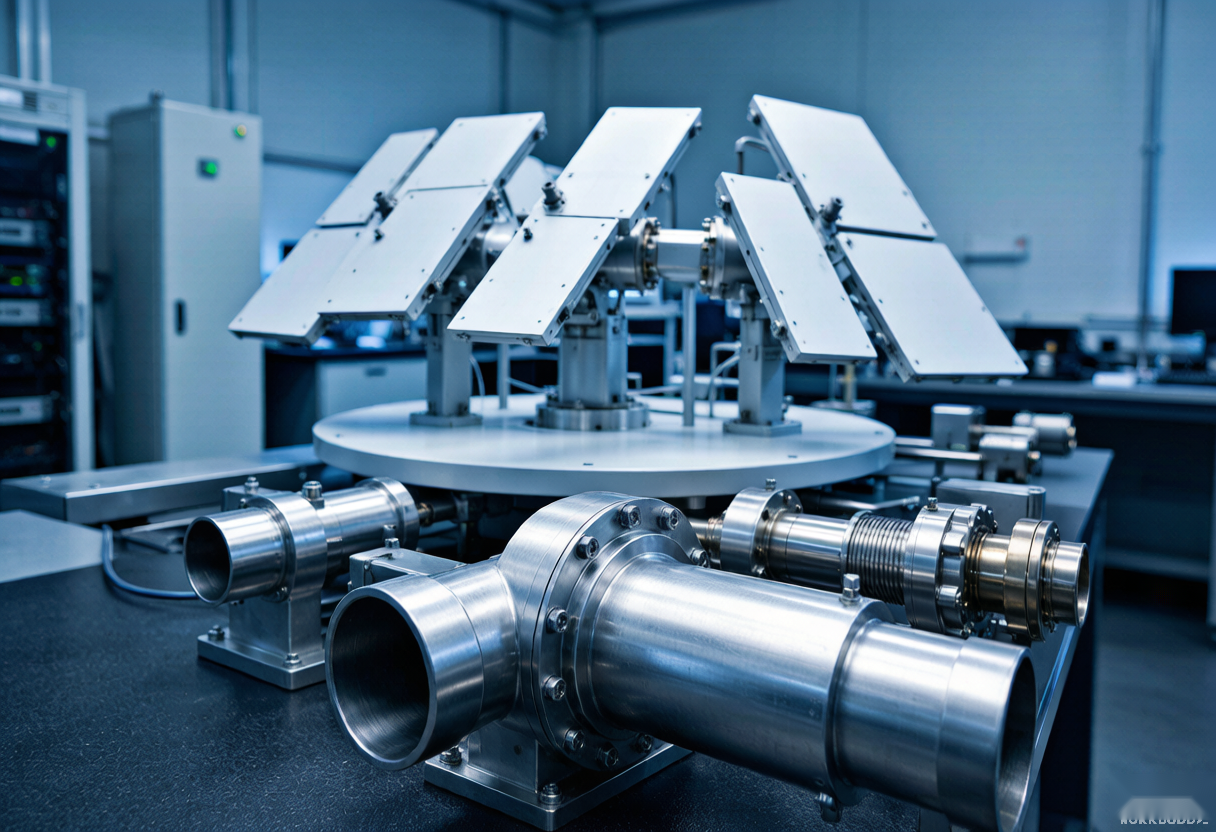
Radar, Magnetrons & Microwave Tubes
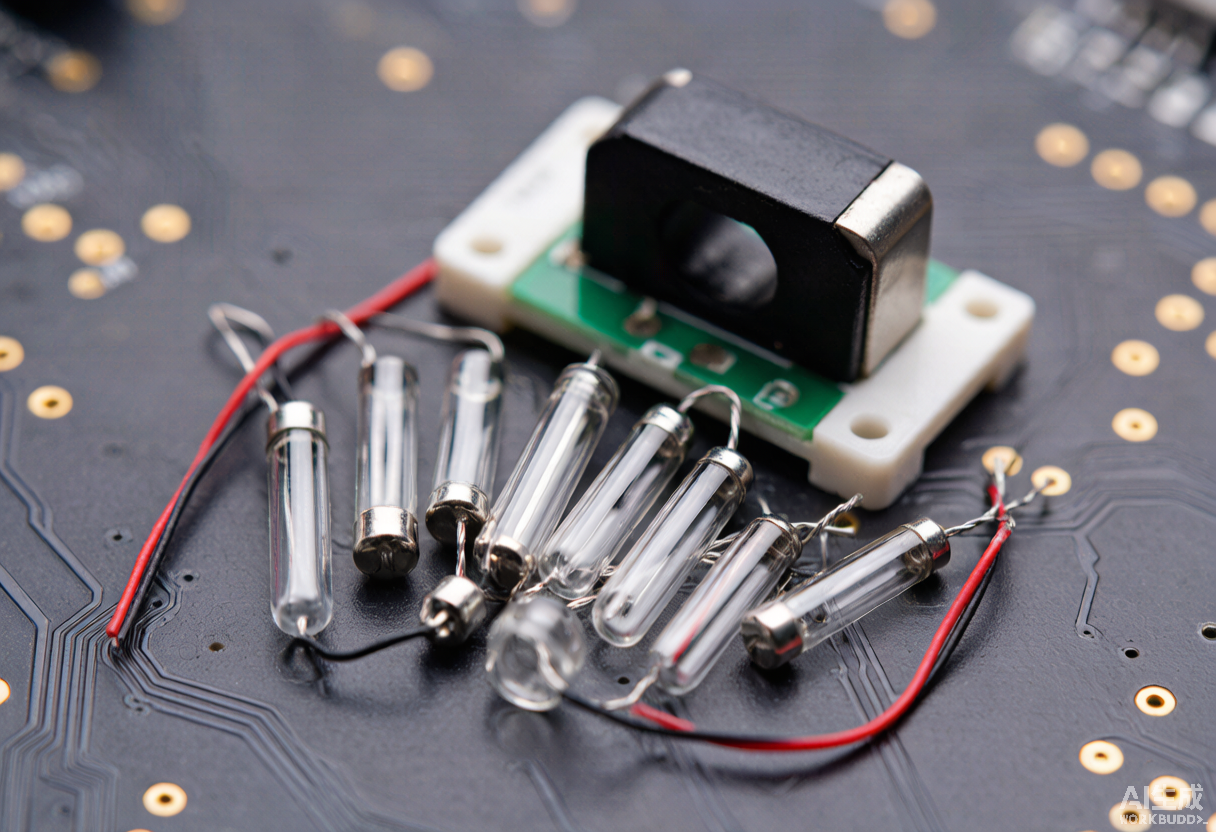
Reed Switches & Security Sensors

Educational & Holding Magnets
AlNiCo Resources
AlNiCo Product Catalog
Cast and sintered AlNiCo specifications, standard shapes, and design guidelines.
Precision Instrument or High-Temperature Application?
AlNiCo delivers the lowest temperature coefficient of any permanent magnet material. Share your design requirements for a detailed technical consultation.