Ferrite (Ceramic) Magnets
Y25–Y40 Grades · Cost-Effective Permanent Magnets
The workhorse of the permanent magnet industry. Ferrite magnets account for over 75% of global magnet production by weight. Excellent corrosion resistance, high electrical resistivity, and unbeatable cost-performance ratio for high-volume applications.

What Are Ferrite Magnets?
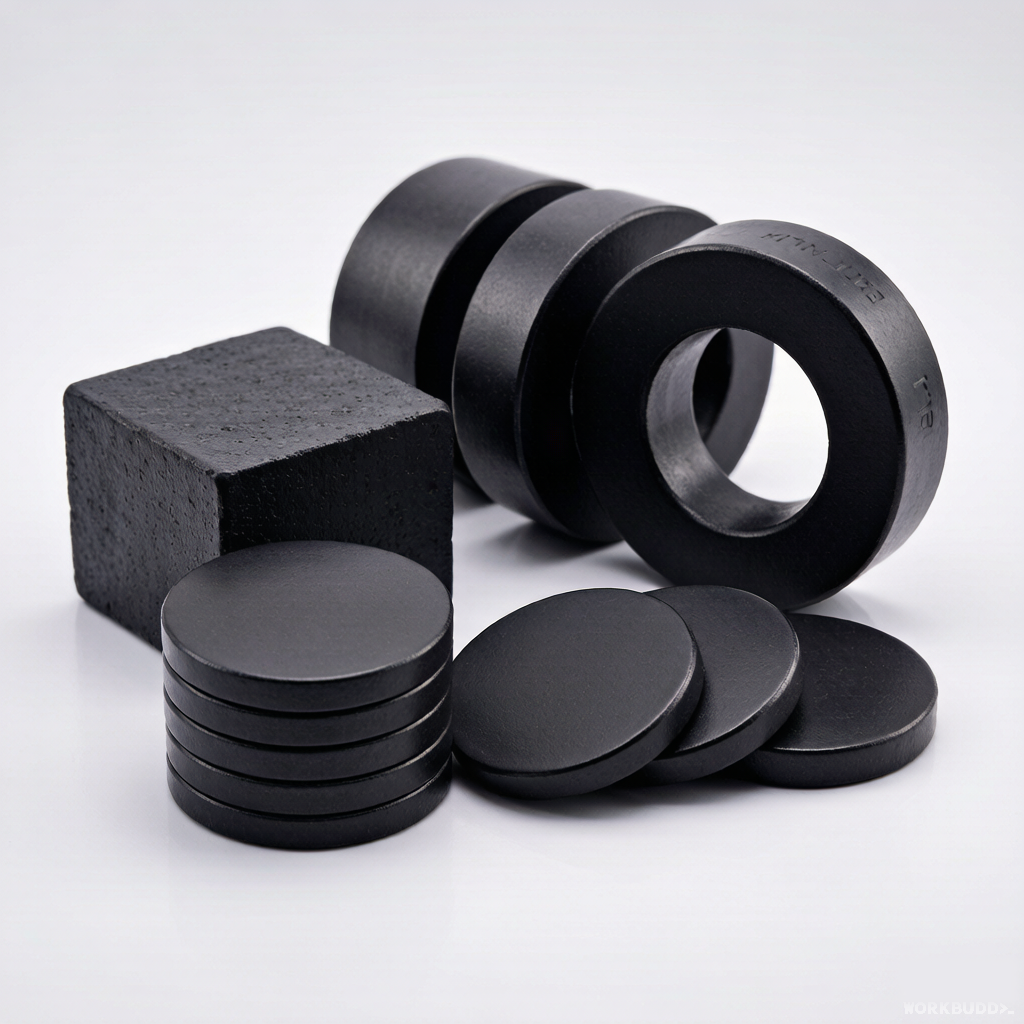
Ferrite (ceramic) magnets are composed of iron oxide (Fe₂O₃) and barium or strontium carbonate. They are the most widely used permanent magnets due to their low cost, excellent corrosion resistance, and high electrical resistivity. Strontium ferrite (SrFe₁₂O₁₉) is the dominant variant for permanent magnet applications.
Strontium Hexaferrite
SrFe₁₂O₁₉ with magnetoplumbite crystal structure. No rare earth elements — purely iron oxide + strontium carbonate. Raw materials abundant and inexpensive.
Unmatched Economics
Cost per unit of magnetic energy is the lowest of all permanent magnet materials. Raw material ~$2/kg vs ~$60/kg for NdFeB. Ideal for high-volume production.
Hard, Brittle, Corrosion-Free
Hard ceramic material (Mohs ~5-6) with zero corrosion. Can be used without coating. Electrically insulating — no eddy current losses in AC motors.
Ferrite Magnet Grades — Chinese Standard (Y Series)
Measured per GB/T 24437 (equiv. IEC 60404-8-1). 27 grades from Y8T to Y40 covering all standard isotropic and anisotropic ferrite magnets. Values shown are typical ranges.
| Grade | Br mT (kGs) | Hcb kA/m (kOe) | Hcj kA/m (kOe) | (BH)max kJ/m³ (MGOe) |
|---|---|---|---|---|
| Y8T | 200-235 (2.0-2.35) | 125-160 (1.57-2.01) | 210-280 (2.64-3.52) | 6.5-9.5 (0.8-1.2) |
| Y10T | 200-235 (2.0-2.35) | 128-160 (1.61-2.01) | 210-280 (2.64-3.52) | 6.4-9.6 (0.8-1.2) |
| Y20 | 320-380 (3.2-3.8) | 135-190 (1.70-2.39) | 140-195 (1.76-2.45) | 18.0-22.0 (2.3-2.8) |
| Y22H | 310-360 (3.1-3.6) | 220-250 (2.76-3.14) | 280-320 (3.52-4.02) | 20.0-24.0 (2.5-3.0) |
| Y23 | 320-370 (3.2-3.7) | 170-190 (2.14-2.39) | 190-230 (2.39-2.89) | 20.0-25.5 (2.5-3.2) |
| Y25 | 360-400 (3.6-4.0) | 135-170 (1.70-2.14) | 140-200 (1.76-2.51) | 22.5-28.0 (2.8-3.5) |
| Y26H | 360-390 (3.6-3.9) | 220-250 (2.76-3.14) | 225-255 (2.83-3.20) | 23.0-28.0 (2.9-3.5) |
| Y26H-1 | 360-390 (3.6-3.9) | 200-250 (2.51-3.14) | 225-255 (2.83-3.20) | 23.0-28.0 (2.9-3.5) |
| Y26H-2 | 360-380 (3.6-3.8) | 263-288 (3.30-3.62) | 318-350 (4.00-4.40) | 24.0-28.0 (3.0-3.5) |
| Y27H | 370-400 (3.7-4.0) | 205-250 (2.58-3.14) | 210-255 (2.64-3.20) | 25.0-29.0 (3.1-3.6) |
| Y28 | 370-400 (3.7-4.0) | 175-210 (2.20-2.64) | 180-220 (2.26-2.76) | 26.0-30.0 (3.3-3.8) |
| Y28H-1 | 380-400 (3.8-4.0) | 240-260 (3.02-3.27) | 250-280 (3.14-3.52) | 27.0-30.0 (3.4-3.8) |
| Y28H-2 | 360-380 (3.3-3.8) | 271-295 (3.41-3.71) | 382-405 (4.80-5.09) | 26.0-30.0 (3.3-3.8) |
| Y30 | 370-400 (3.7-4.0) | 175-210 (2.20-2.64) | 180-220 (2.26-2.76) | 26.0-30.0 (3.3-3.8) |
| Y30BH | 380-390 (3.8-3.9) | 223-235 (2.80-2.95) | 231-245 (2.90-3.08) | 27.0-30.0 (3.4-3.8) |
| Y30H-1 | 380-400 (3.8-4.0) | 230-275 (2.89-3.46) | 235-290 (2.95-3.64) | 27.0-32.0 (3.4-4.0) |
| Y30H-2 | 395-415 (3.95-4.15) | 275-300 (3.46-3.77) | 310-335 (3.90-4.21) | 27.0-32.5 (3.4-4.1) |
| Y32 | 400-420 (4.0-4.2) | 160-190 (2.01-2.39) | 165-195 (2.07-2.45) | 30.0-33.5 (3.8-4.2) |
| Y32H-1 | 400-420 (4.0-4.2) | 190-230 (2.39-2.89) | 230-250 (2.89-3.14) | 31.5-35.0 (4.0-4.4) |
| Y32H-2 | 400-440 (4.0-4.4) | 224-240 (2.81-3.02) | 230-250 (2.89-3.14) | 31.0-34.0 (3.9-4.3) |
| Y33 | 410-430 (4.1-4.3) | 220-250 (2.76-3.14) | 225-255 (2.83-3.20) | 31.5-35.0 (4.0-4.4) |
| Y33H | 410-430 (4.1-4.3) | 250-270 (3.14-3.39) | 250-275 (3.14-3.46) | 31.5-35.0 (4.0-4.4) |
| Y34 | 420-440 (4.2-4.4) | 200-230 (2.51-2.89) | 205-235 (2.58-2.95) | 32.5-36.0 (4.1-4.5) |
| Y35 | 430-450 (4.3-4.5) | 215-239 (2.70-3.00) | 217-241 (2.73-3.03) | 33.1-38.2 (4.2-4.8) |
| Y36 | 430-450 (4.3-4.5) | 247-271 (3.10-3.41) | 250-274 (3.14-3.44) | 35.1-38.3 (4.4-4.8) |
| Y38 | 440-460 (4.4-4.6) | 285-305 (3.58-3.83) | 294-310 (3.69-3.90) | 36.6-40.6 (4.6-5.1) |
| Y40 | 440-460 (4.4-4.6) | 330-354 (4.15-4.45) | 340-360 (4.27-4.52) | 37.5-41.8 (4.7-5.3) |
Ferrite Magnet Grades — American Standard (C Series)
American MMPA standard grades commonly used in the USA and UK. Being progressively replaced by Chinese standard designations. Values shown are typical.
| Grade | Br mT (kGs) | Hcb kA/m (kOe) | Hcj kA/m (kOe) | (BH)max kJ/m³ (MGOe) |
|---|---|---|---|---|
| C1 | 230 (2.300) | 148 (1.86) | 258 (3.50) | 8.36 (1.05) |
| C5 | 380 (3.80) | 191 (2.40) | 199 (2.50) | 27.0 (3.40) |
| C7 | 340 (3.40) | 258 (3.23) | 318 (4.00) | 21.9 (2.75) |
| C8 / C8A | 385 (3.85) | 235 (2.95) | 242 (3.05) | 27.8 (3.50) |
| C8B | 420 (4.20) | 232 (2.91) | 236 (2.96) | 32.8 (4.12) |
| C9 | 380 (3.80) | 280 (3.52) | 320 (4.01) | 26.4 (3.32) |
| C10 | 400 (4.00) | 280 (3.52) | 284 (3.57) | 30.04 (3.82) |
Ferrite Magnet Grades — European Standard (HF Series)
European IEC 60404-8-1 standard designations. Minimum/typical values shown. Cross-reference: C5 = Y30 = HF26/18, C8/C8A = Y30H-1.
| Grade | Br mT (kGs) | Hcb kA/m (kOe) | Hcj kA/m (kOe) | (BH)max kJ/m³ (MGOe) |
|---|---|---|---|---|
| HF8/22 | 200/220 (2.00/2.20) | 125/140 (1.57/1.76) | 220/230 (2.76/2.89) | 6.5/6.8 (0.8/1.1) |
| HF20/19 | 320/333 (3.20/3.33) | 170/190 (2.14/2.39) | 190/200 (2.39/2.51) | 20.0/21.0 (2.5/2.7) |
| HF20/28 | 310/325 (3.10/3.25) | 220/230 (2.76/2.89) | 280/290 (3.52/3.64) | 20.0/21.0 (2.5/2.7) |
| HF22/30 | 350/365 (3.50/3.65) | 255/265 (3.20/3.33) | 290/300 (3.64/3.77) | 22.0/23.5 (2.8/3.0) |
| HF24/16 | 350/365 (3.50/3.65) | 155/175 (1.95/2.20) | 160/180 (2.01/2.26) | 24.0/25.5 (3.0/3.2) |
| HF24/23 | 350/365 (3.50/3.65) | 220/230 (2.76/2.89) | 230/240 (2.89/3.01) | 24.0/25.5 (3.0/3.2) |
| HF24/35 | 360/370 (3.60/3.70) | 260/270 (3.27/3.39) | 350/360 (4.40/4.52) | 24.0/25.5 (3.0/3.2) |
| HF26/16 | 370/380 (3.70/3.80) | 155/175 (1.95/2.20) | 160/180 (2.01/2.26) | 26.0/27.0 (3.2/3.4) |
| HF26/18 | 370/380 (3.70/3.80) | 175/185 (2.20/2.33) | 180/190 (2.26/2.39) | 26.0/27.0 (3.3/3.4) |
| HF26/24 | 370/380 (3.70/3.80) | 230/240 (2.89/3.01) | 240/250 (3.01/3.14) | 26.0/27.0 (3.3/3.4) |
| HF26/26 | 370/380 (3.70/3.80) | 230/240 (2.89/3.01) | 260/270 (3.27/3.39) | 26.0/27.0 (3.3/3.4) |
| HF26/30 | 385/395 (3.85/3.95) | 260/270 (3.27/3.39) | 300/310 (3.77/3.89) | 26.0/27.0 (3.3/3.4) |
| HF28/26 | 385/395 (3.85/3.95) | 250/265 (3.14/3.33) | 260/275 (3.27/3.45) | 28.0/30.0 (3.5/3.8) |
| HF28/28 | 385/395 (3.85/3.95) | 260/270 (3.27/3.39) | 280/290 (3.50/3.60) | 28.0/30.0 (3.5/3.8) |
| HF30/26 | 395/405 (3.95/4.05) | 250/260 (3.14/3.33) | 260/270 (3.27/3.39) | 30.0/31.5 (3.8/3.9) |
| HF32/17 | 410/420 (4.10/4.20) | 160/170 (2.01/2.14) | 165/175 (2.07/2.20) | 32.0/33.0 (4.0/4.1) |
| HF32/22 | 410/420 (4.10/4.20) | 215/225 (2.70/2.83) | 220/230 (2.76/2.89) | 32.0/33.0 (4.0/4.1) |
| HF32/25 | 410/420 (4.10/4.20) | 240/250 (3.01/3.14) | 250/260 (3.14/3.27) | 32.0/33.0 (4.0/4.1) |
Ferrite Grade Cross-Reference Guide
Equivalent designations across Chinese (Y), American (C), European (HF), and legacy Feroba standards.
Chinese ↔ American
C1 = Y10T / Y8T
C5 = Y30
C7 = Y26H-2
C8/C8A = Y30H-1
C8B = Y33
C9 = Y30H-2
C10 = Y33H
C11 = Y34
C12 = Y30H-2
Chinese ↔ European
Y30 = HF26/18
Y30H-1 = HF24/23 (approx.)
Y33 = HF32/22 (approx.)
Y33H = HF32/25 (approx.)
Y25 = HF24/16 (approx.)
American ↔ Feroba
C5 = Feroba 2 = Fer 2
C8/C8A = Feroba 3 = Fer 3
C1 = Feroba 1 (approx.)
Ferrite Magnet Physical Properties (Typical)
Key physical and thermal properties of sintered ferrite (ceramic) magnets.
| Characteristic | Symbol | Unit | Value |
|---|---|---|---|
| Density | D | g/cc | 4.9 – 5.1 |
| Vickers Hardness | Hv | D.P.N | 400 – 700 |
| Compression Strength | C.S. | N/mm² | 680 – 720 |
| Coefficient of Thermal Expansion (∥) | C∥ | 10⁻⁶/°C | 15 |
| Coefficient of Thermal Expansion (⊥) | C⊥ | 10⁻⁶/°C | 10 |
| Specific Heat Capacity | c | J/kg·°C | 795 – 855 |
| Electrical Resistivity | ρ | μΩ·cm | 1 × 10¹⁰ |
| Thermal Conductivity | k | W/cm·°C | 0.029 |
| Tensile Strength | σUTS | Pa | 34 × 10⁶ |
| Flexural Strength | σ | Pa | 62 × 10⁶ |
| Hardness (Mohs) | — | Mohs | 7 |
| Poisson's Ratio | ν | — | 0.28 |
| Curie Temperature | Tc | °C | 450 |
| Rev. Temp. Coeff. of Induction (Br) | α | %/°C | −0.2 |
| Rev. Temp. Coeff. of Intrinsic Coercivity (Hci) | β | %/°C | +0.27 |
Dimensional Tolerances
±3% is common. ±0.25 mm is also widely used. Available tolerance depends on magnet size and shape.
Corrosion Resistance
Excellent. Ferrite magnets are made from iron oxide and cannot corrode in water. Often described as "magnetic rust." No coating required.
Working Temperature
Maximum: +250 to +300°C. Minimum varies with shape and circuit, from −60°C to 0°C. Application affects actual performance.
How Ferrite Magnets Are Made
Two distinct manufacturing methods produce ferrite magnets with different property profiles. We offer both.
Dry Pressing
Ferrite powder compacted dry in a die at 100-200 MPa. Without magnetic field: isotropic (weaker, magnetizable in any direction). With magnetic field: anisotropic (stronger, preferred direction). Lower cost, suitable for simple shapes like discs and blocks.
Wet Pressing
Ferrite powder mixed with water to form slurry, then pressed in a magnetic field. Better particle alignment → higher remanence and energy product. More expensive but yields superior magnetic properties. Used for high-performance anisotropic grades (Y35, Y40).
Sintering at 1,200-1,250°C
Pressed compacts are sintered in air (no vacuum needed — a major cost advantage over NdFeB). Shrinkage of 15-20% during sintering is compensated in tooling design. Post-sinter grinding achieves final dimensions.
Applications of Ferrite Magnets
Cost-effective, corrosion-resistant, and thermally stable — ferrite (ceramic) magnets are the workhorse magnet for high-volume everyday products and industrial systems.
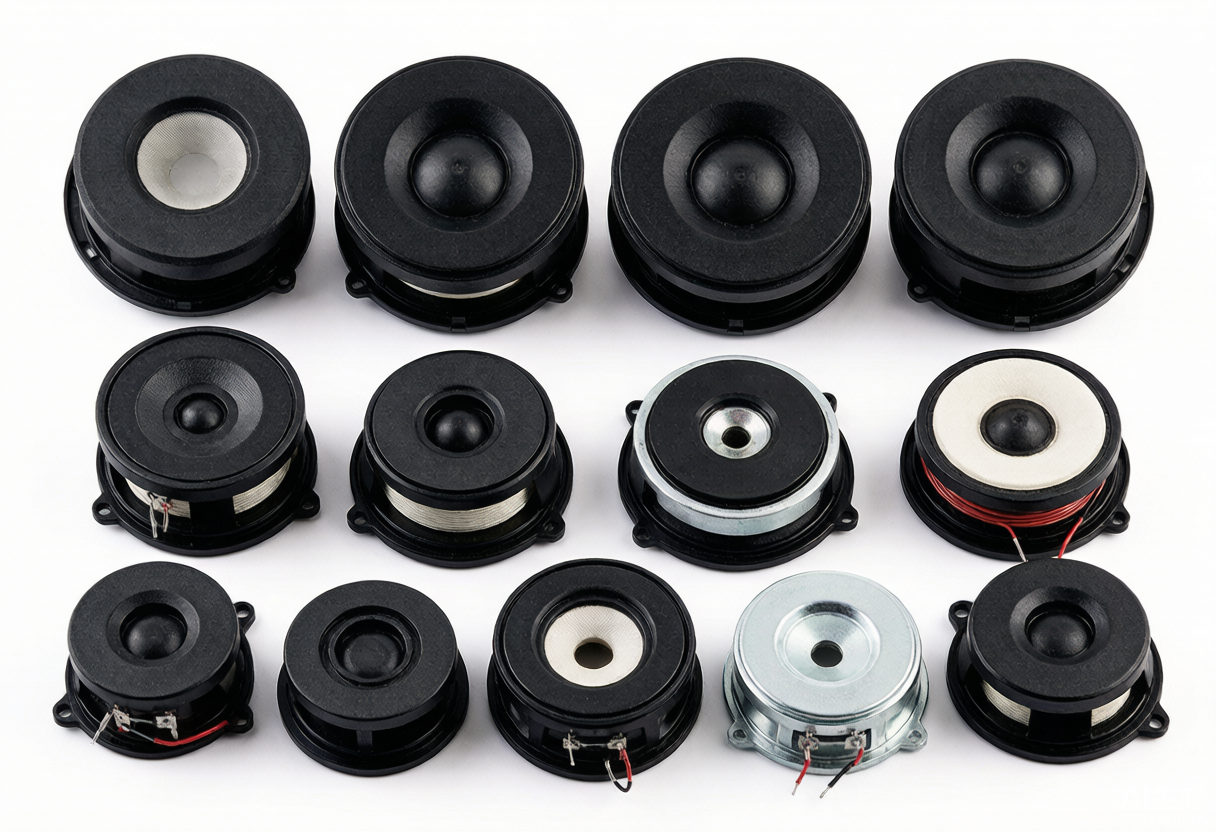
Ferrite magnets offer an excellent balance of magnetic performance, cost, and corrosion resistance. They do not require protective coatings and perform reliably in damp or outdoor environments, making them ideal for automotive subsystems, household appliances, audio equipment, magnetic separation, and consumer products produced in large quantities.
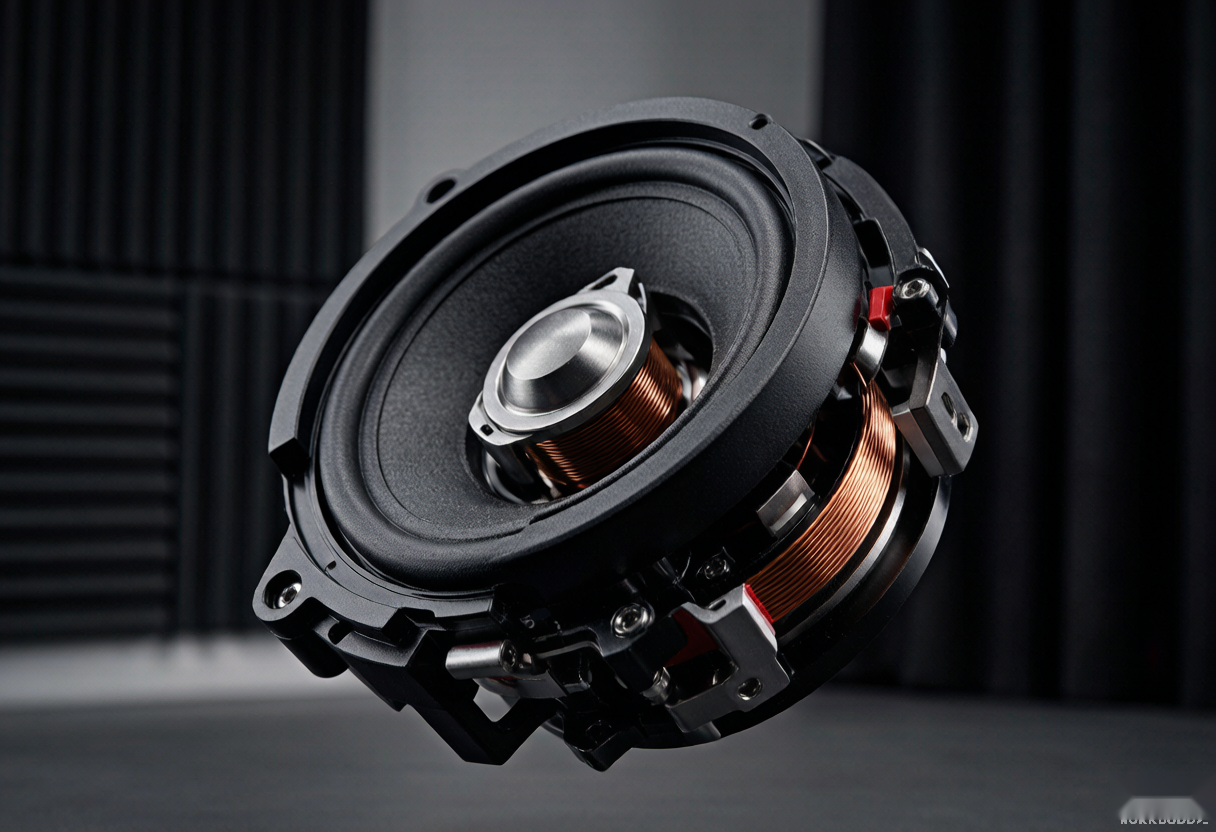
Loudspeakers & Audio
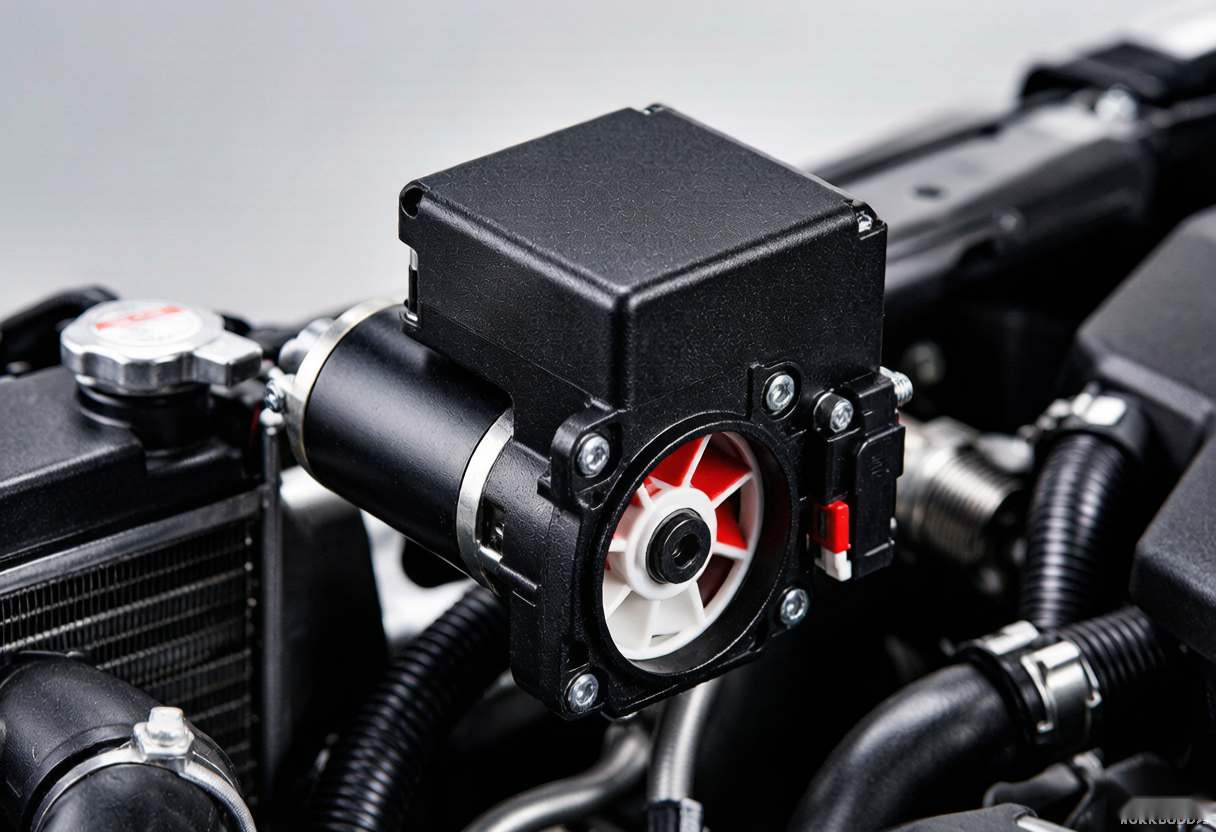
Automotive DC Motors
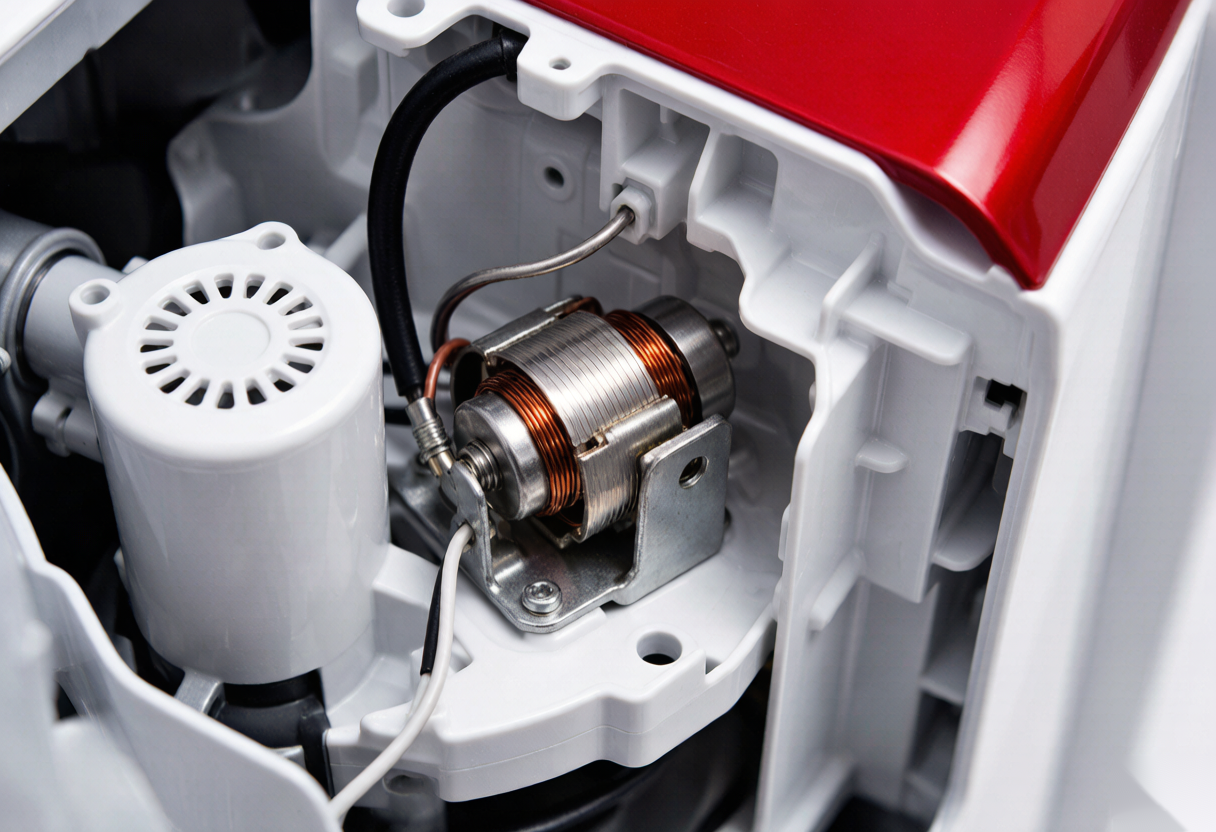
Household Appliances
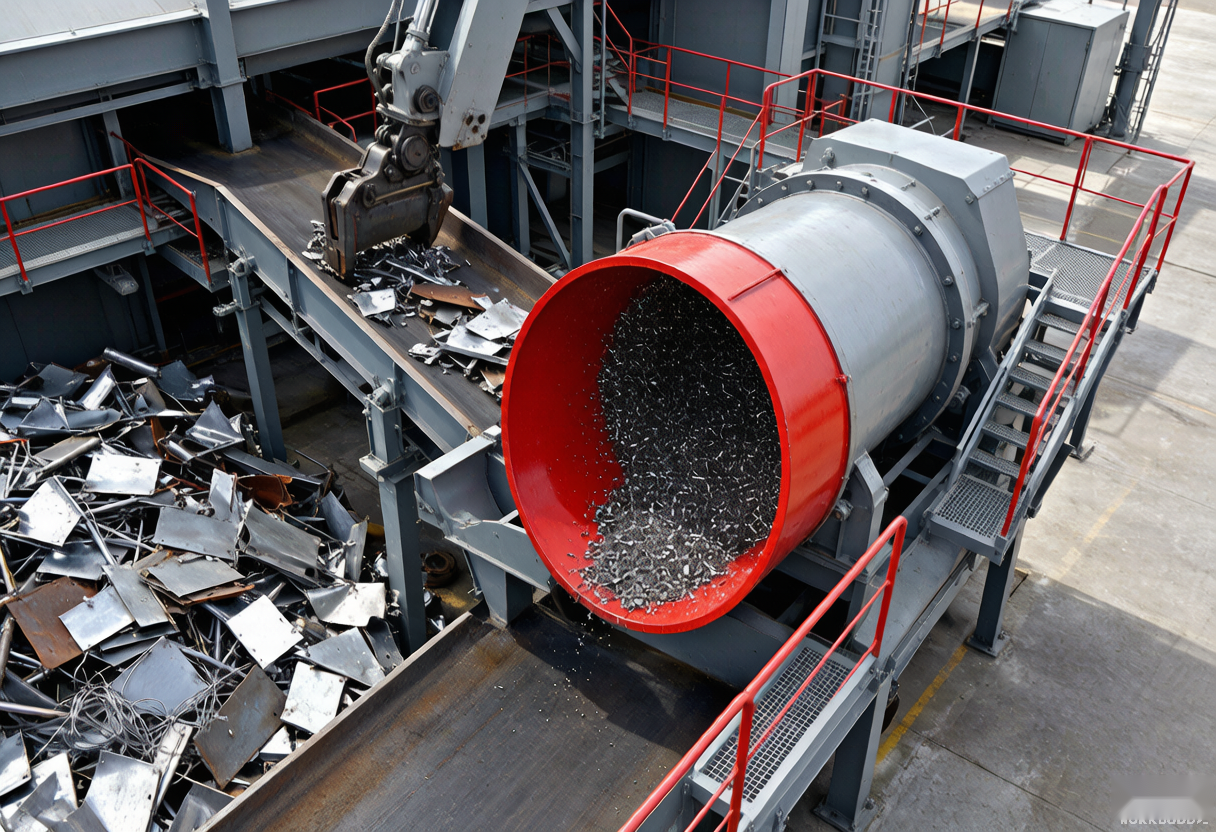
Magnetic Separation
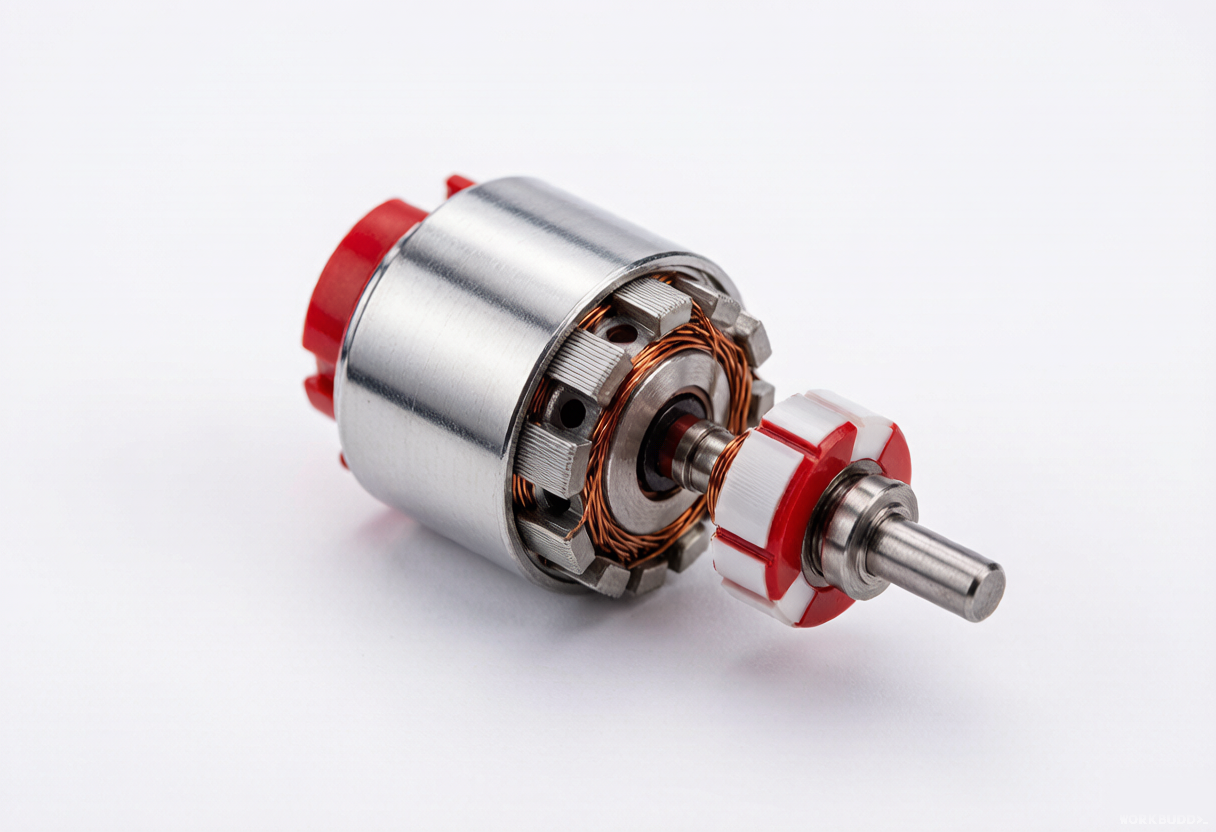
Toys, Tools & DC Drives
Meters & Hall Sensors
Ferrite Resources & Specifications
Download the complete ferrite magnet datasheet with all grade properties, demagnetization curves, cross-reference guide, and physical characteristics.
Complete Datasheet All Standards
Full 4-page datasheet covering Chinese (Y8T–Y40), American (C1–C10), and European (HF8/22–HF32/25) standard grades with demagnetization curves, physical properties, and cross-reference guide.
High-Volume Ferrite Magnet Production
We produce millions of ferrite magnets monthly for automotive, consumer electronics, and industrial applications. Submit your annual volume requirements for competitive production pricing.