






















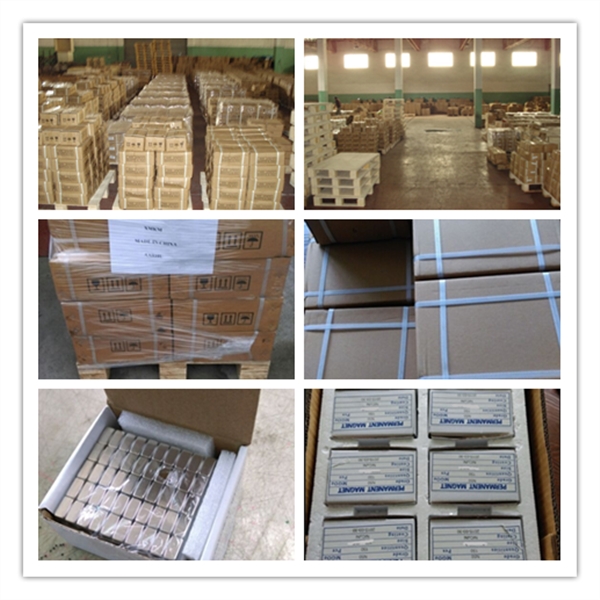
Permanent Magnet FAQ — Specifications, MOQ & Lead Times

NdFeB, SmCo, Ferrite, AlNiCo, Flexible Magnets, Magnetic Assemblies, Precision Metal Components, Rare Earth Materials & LTCC Ceramics — IATF 16949 Certified, Serving 15+ Countries Since 2013

Request a Quote
Our Products

Complete Materials & Component Portfolio

Seven product families spanning magnetic materials, precision metal components, strategic industrial materials, and advanced electronic ceramics — consolidated under one quality-managed supply chain.

Magnetic Materials

Magnetic Materials

Complete magnet ecosystem — NdFeB, SmCo, ferrite, AlNiCo, flexible magnets, magnetic assemblies, and ferrite powder. From raw materials to turnkey magnetic sub-systems.

View Products →
Metal Precision Components

Metal Precision Components

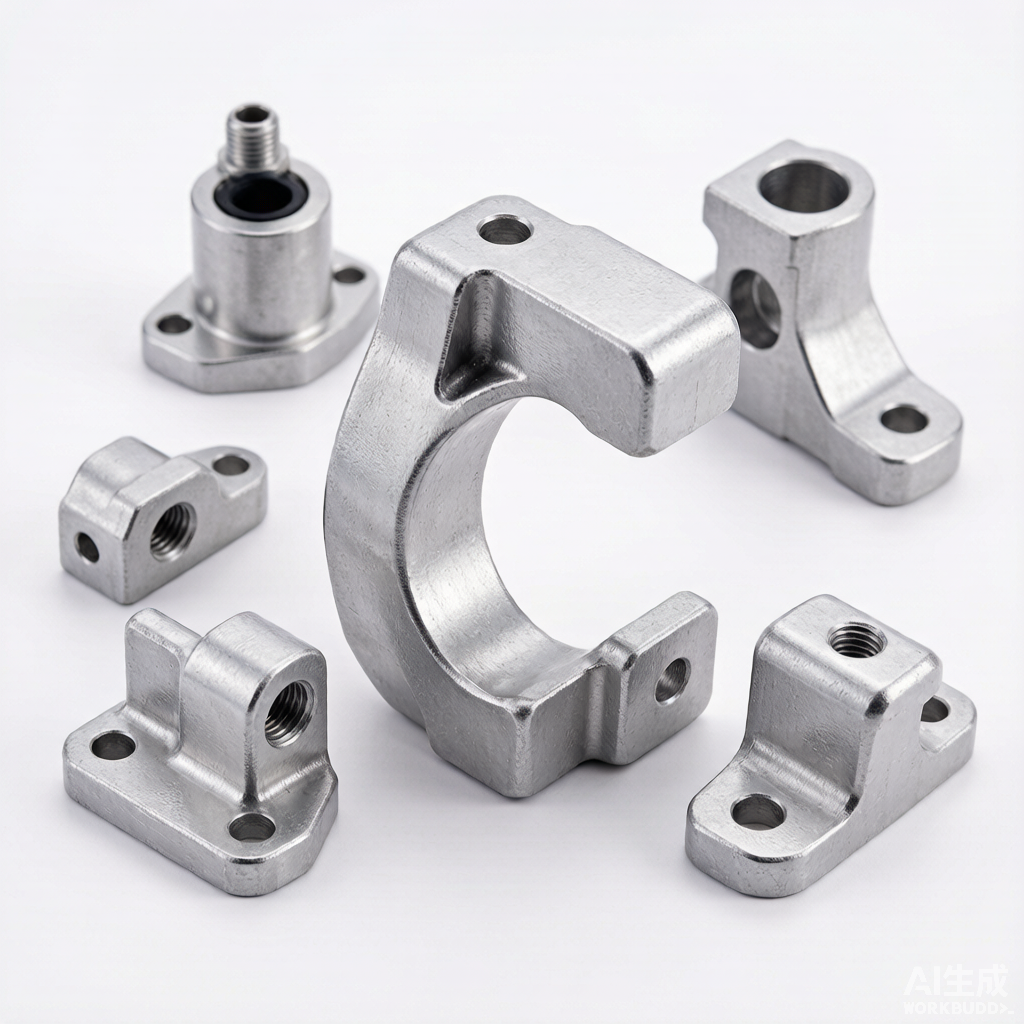
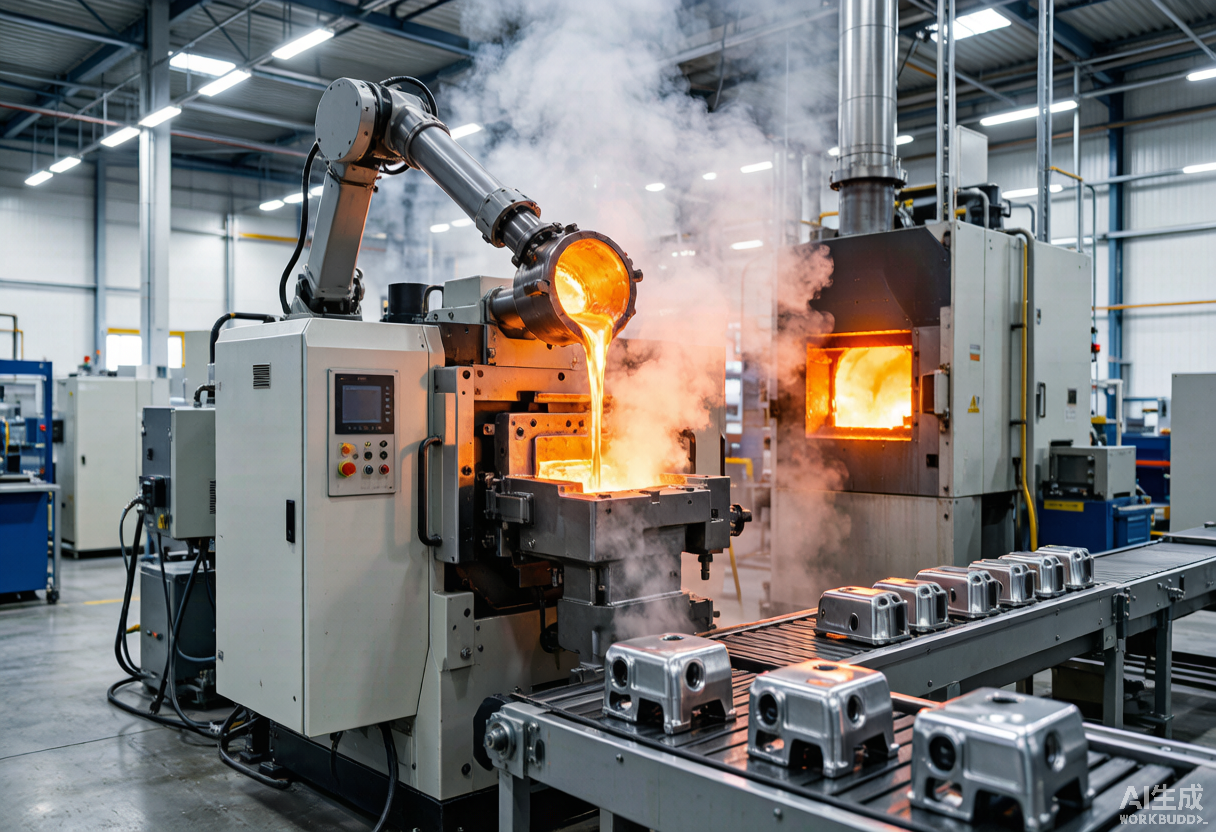
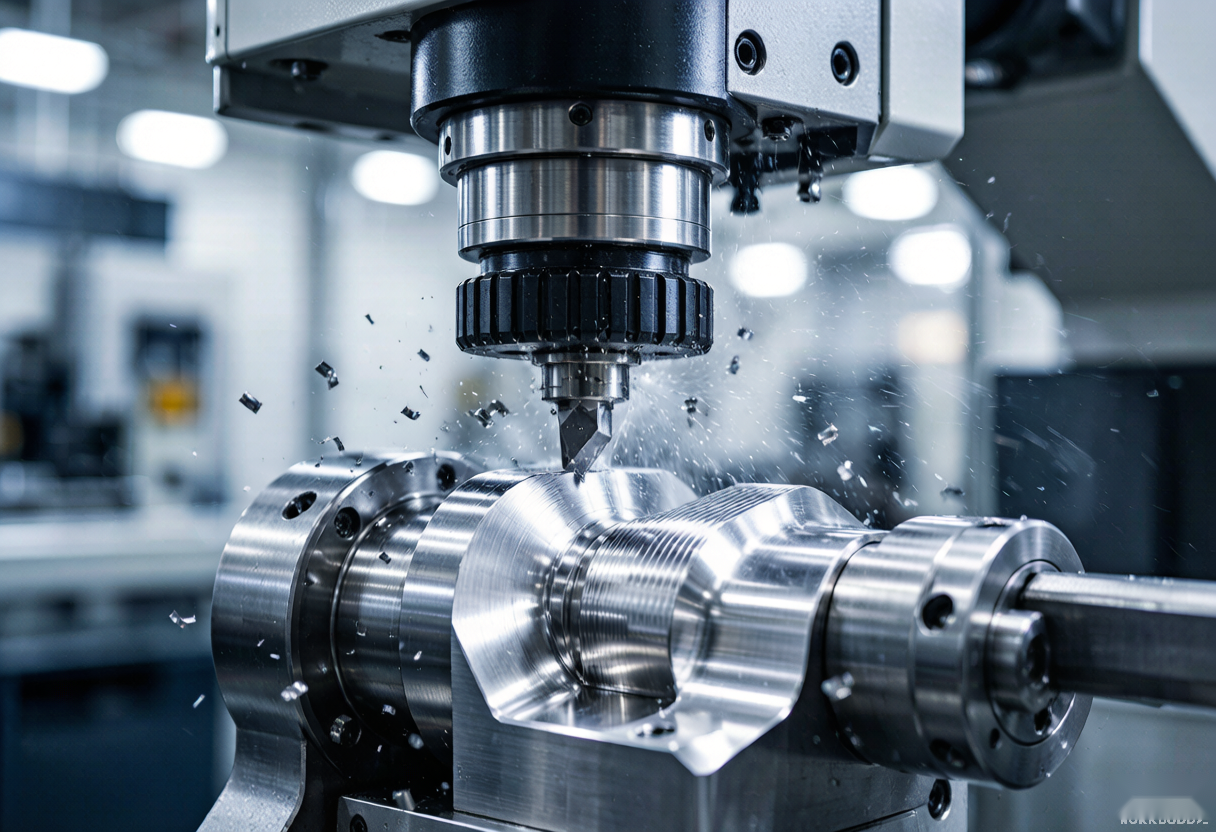
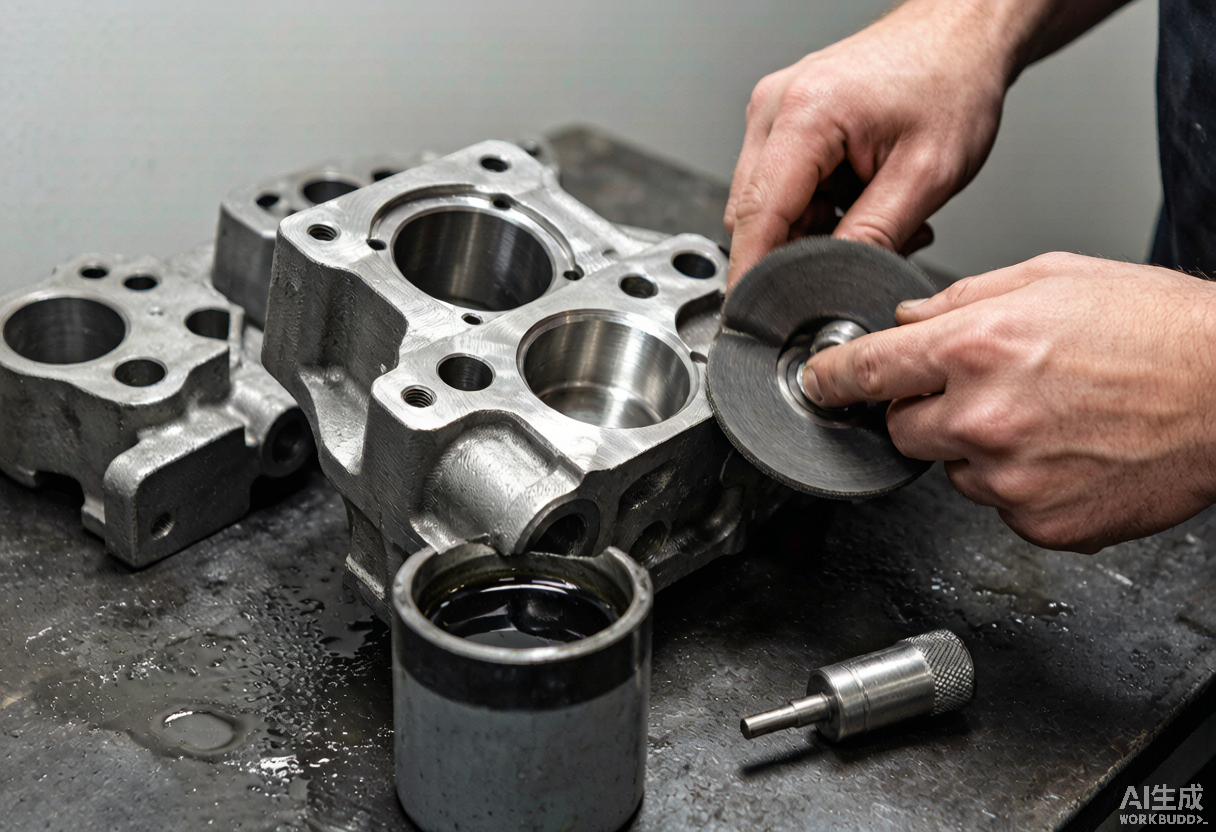
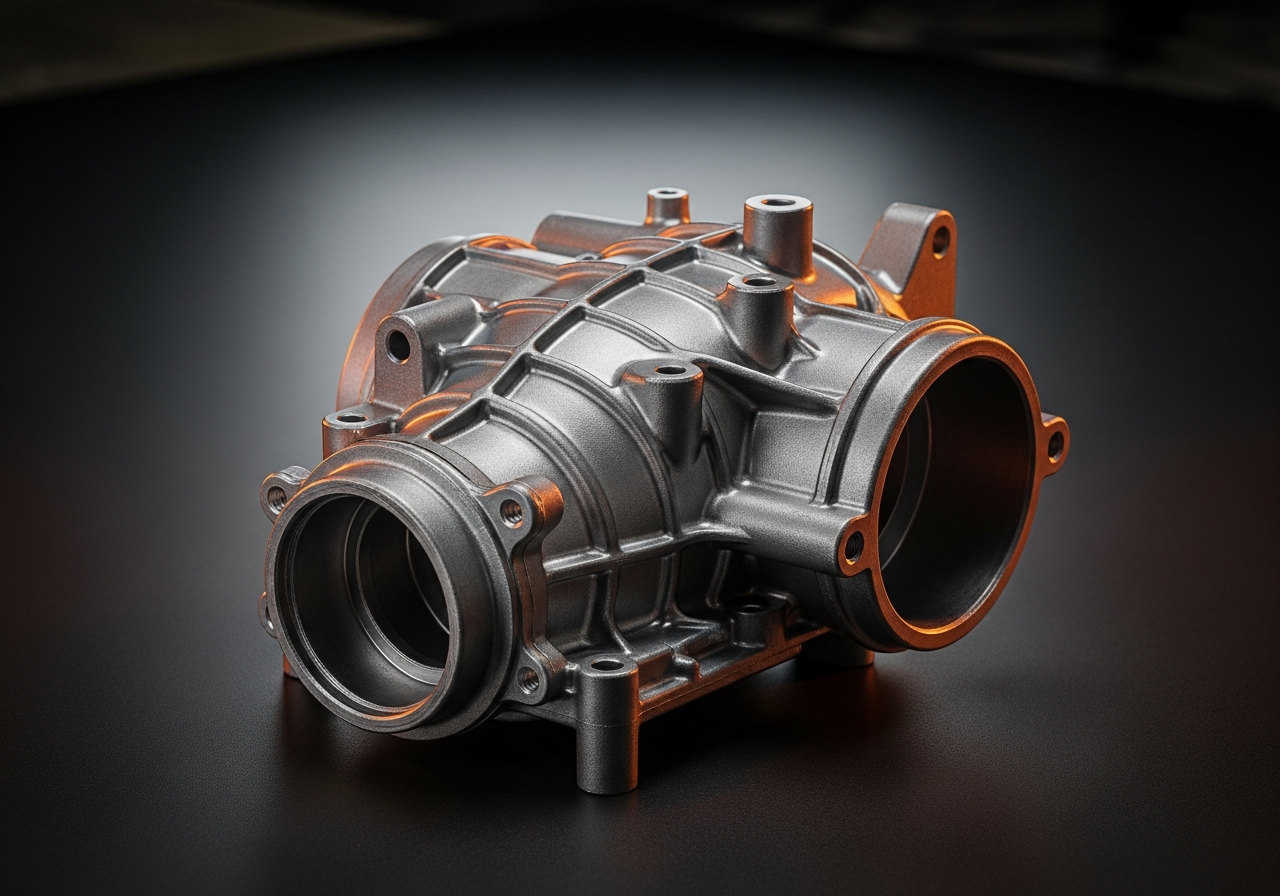
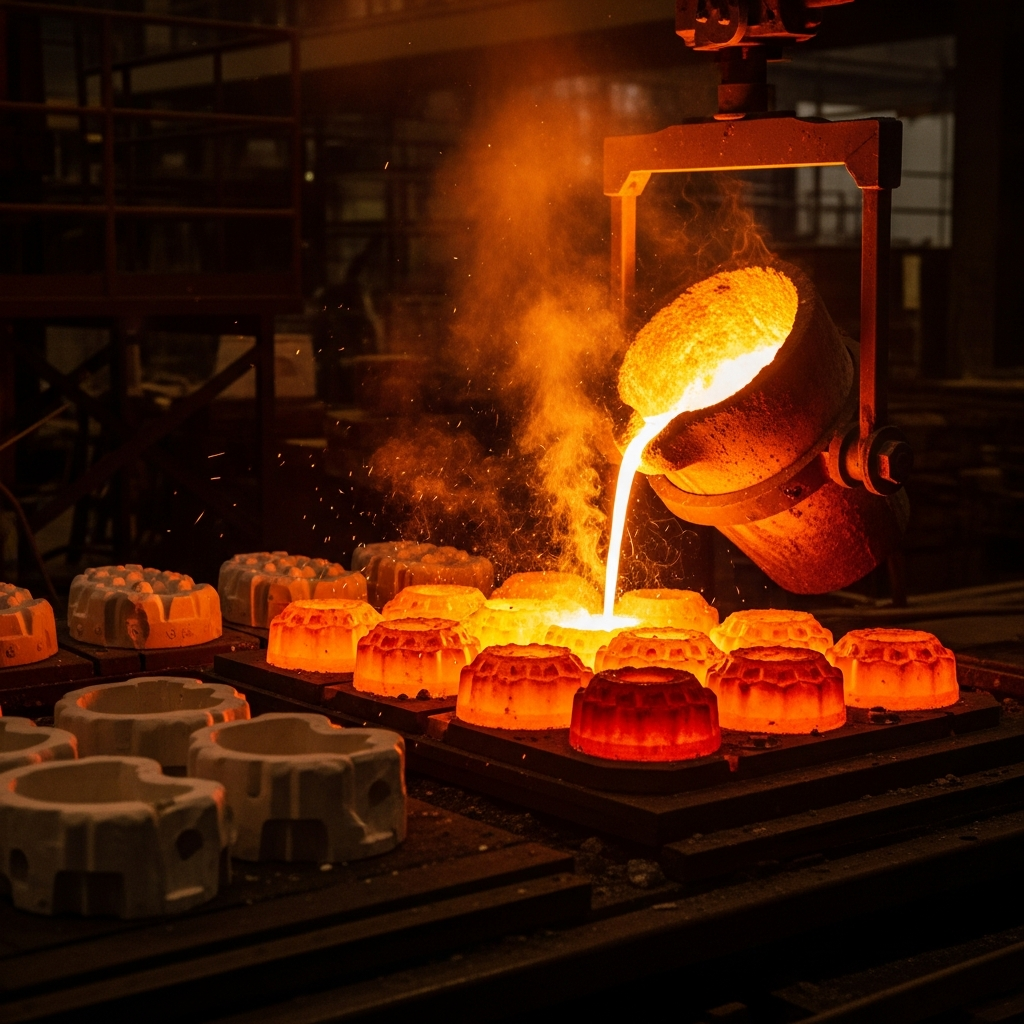
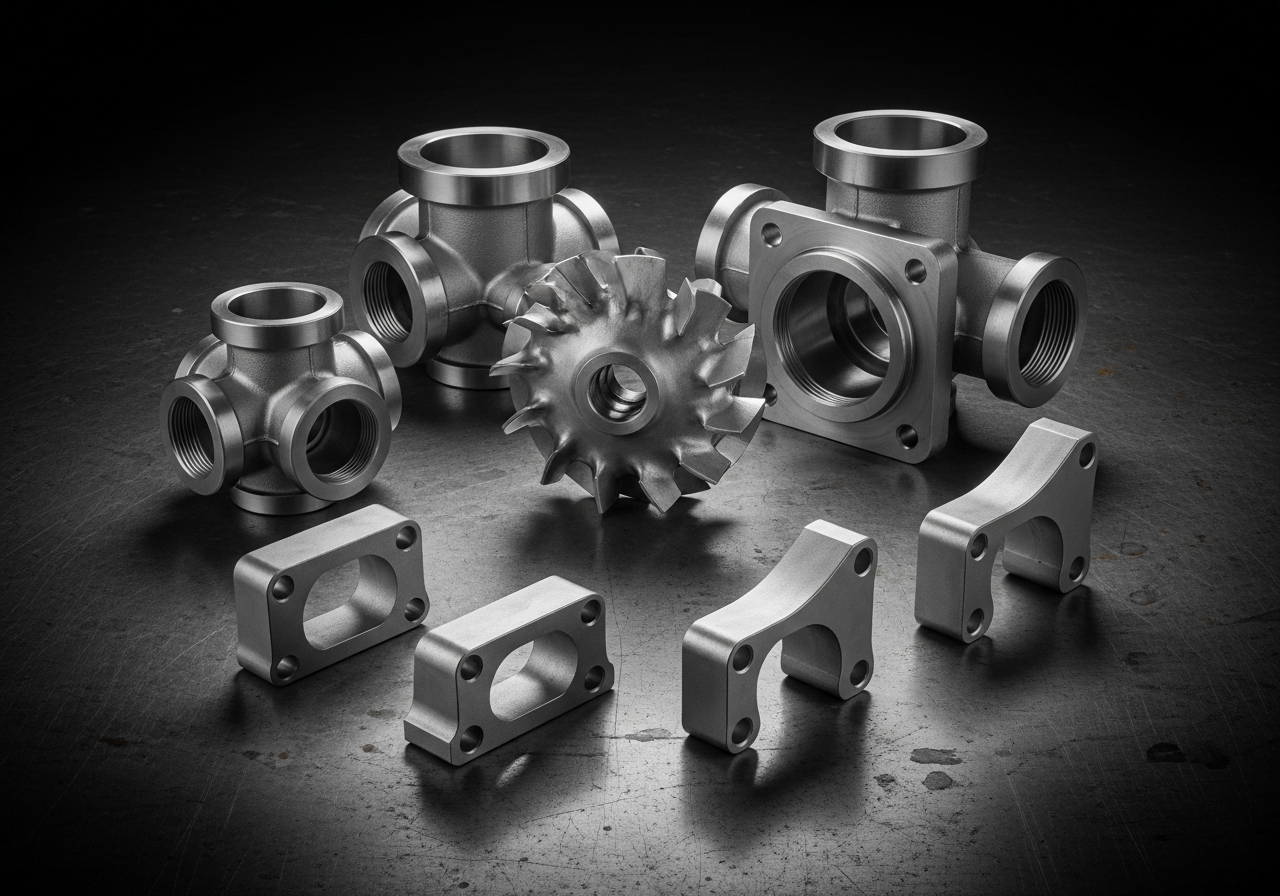
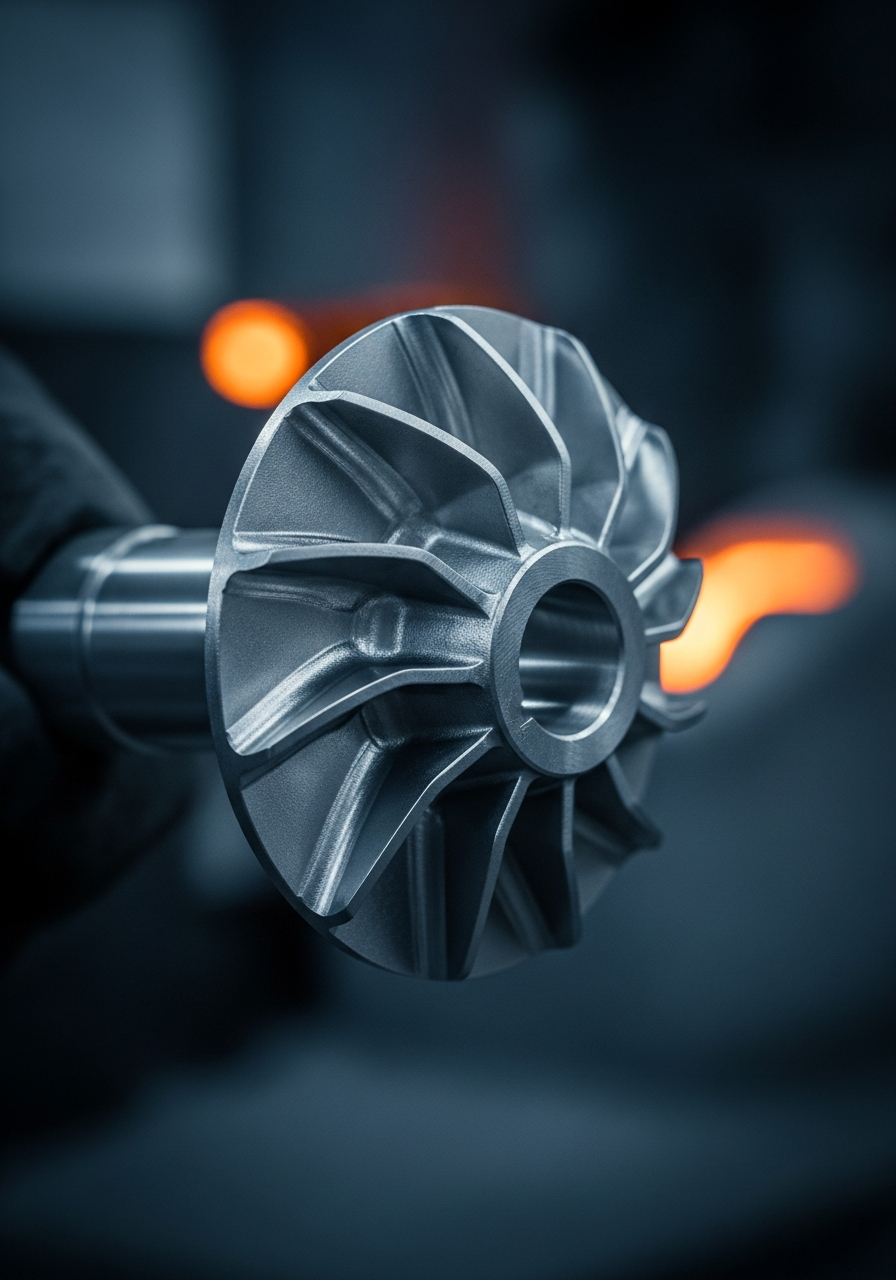
High-pressure die casting, investment casting, and CNC-finished parts in aluminum, stainless steel, and copper/brass alloys for automotive, industrial, and electronics applications.

View Products →
Strategic Industrial Materials

Strategic Industrial Materials

Rare earth oxides, metals, and alloys plus specialty chemicals and polishing powders. Fully compliant export documentation with SGS/BV assay certificates.

View Products →
Advanced Electronic Materials

Advanced Electronic Materials

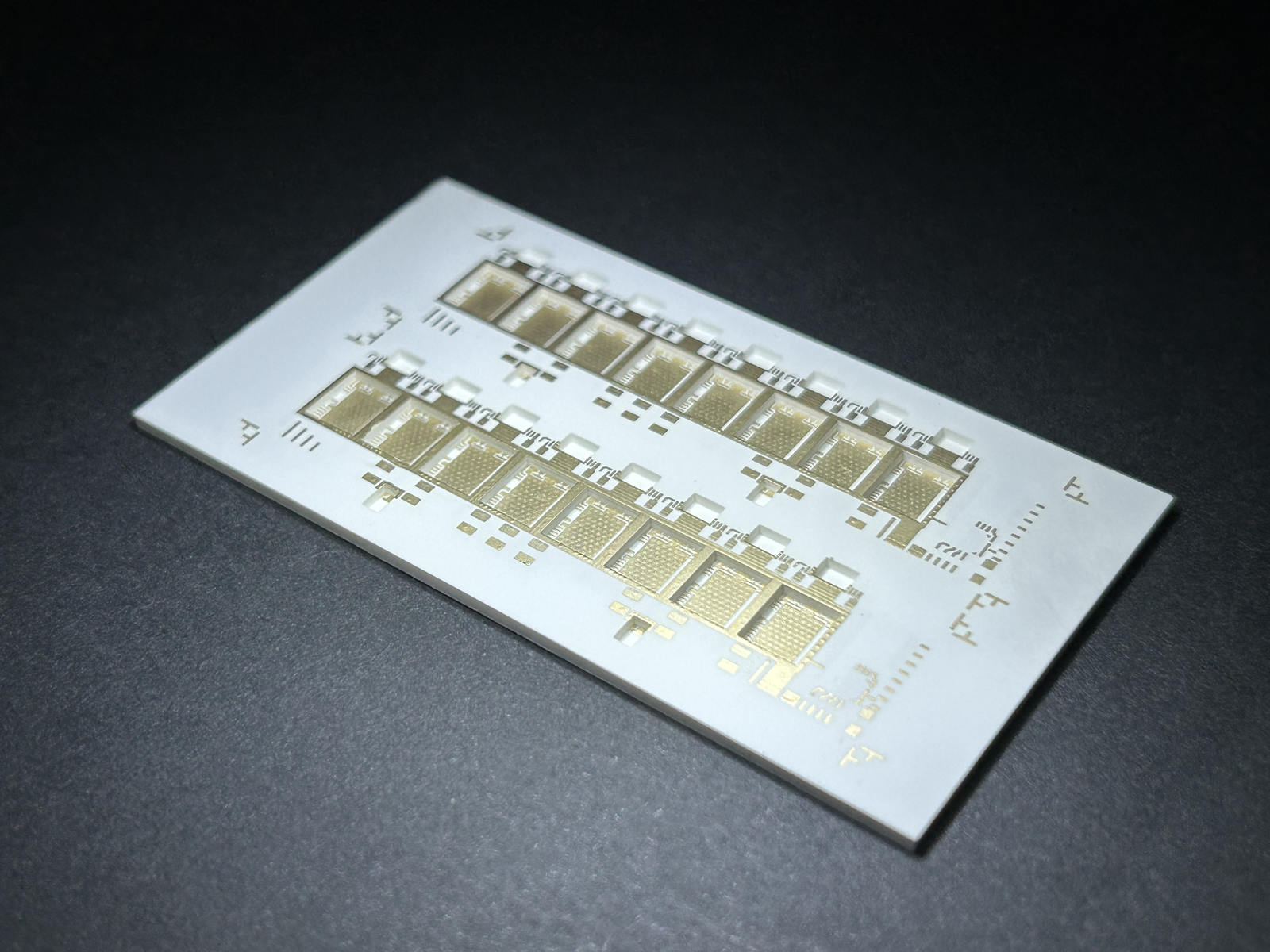
LTCC ceramic substrates for 5G/6G RF, 77 GHz radar, AESA defense systems, and medical implants — the foundation for next-generation RF and millimeter-wave devices.

View Products →

Technology & Manufacturing Excellence

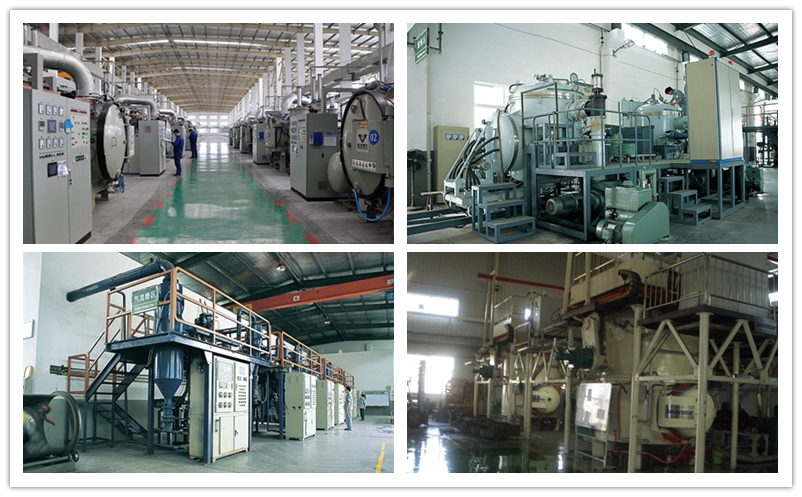
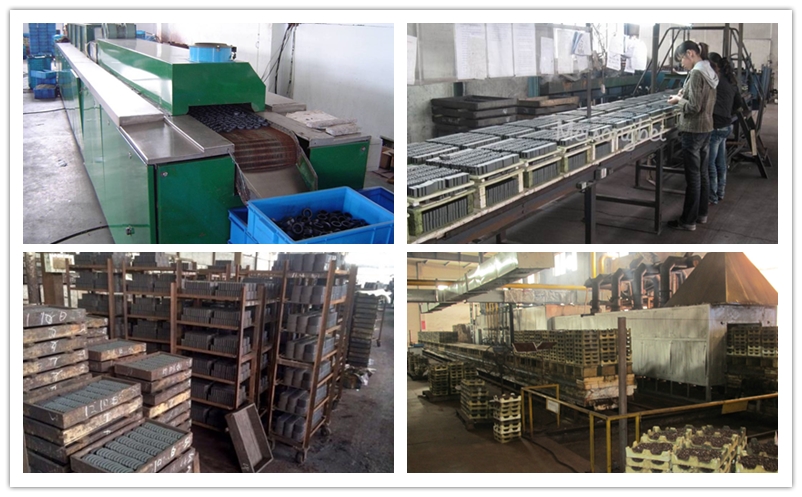
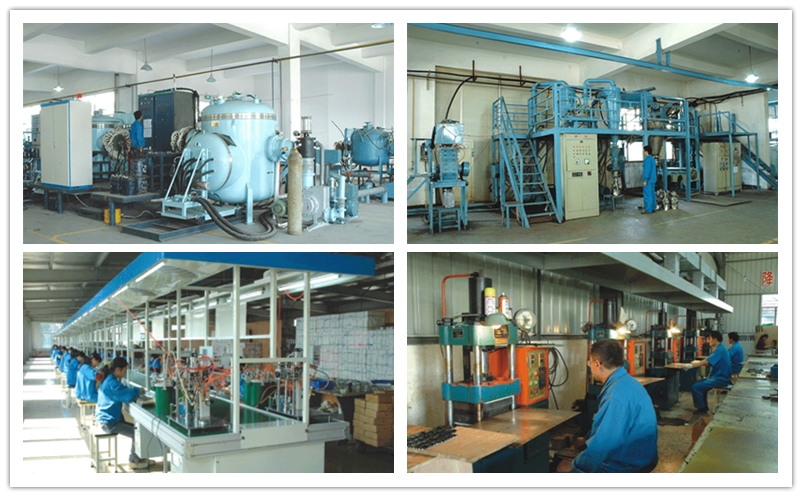
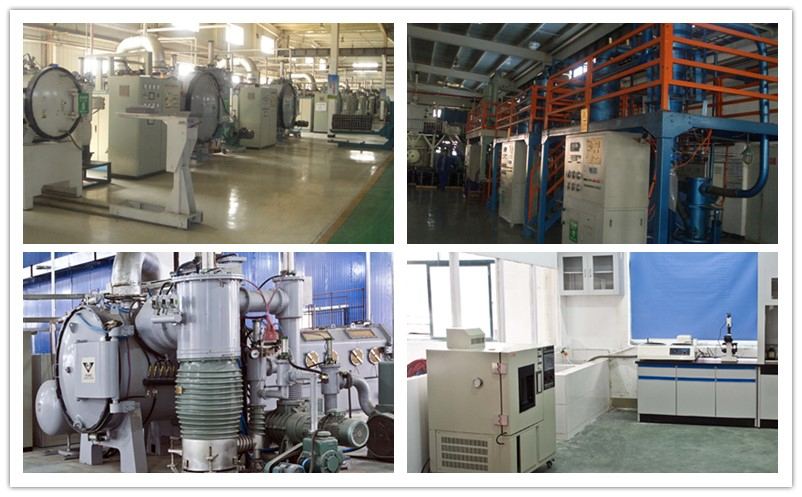
From sintering and machining to coating and assembly — our integrated manufacturing base in Ningbo combines advanced magnet production with precision metal processing. ISO 9001 and IATF 16949 certified, with full PPAP Level 3 documentation capability for automotive Tier-1 programs.

Explore Our Manufacturing
12+
Years Manufacturing
7
Magnet Families & Types
15+
Countries Served
1000+
Custom Specifications

Trusted by Global Industry Leaders

BorgWarner
Eaton
Acuity Brands
Samsung
Sony
Haier
Midea
Kia
BAIC
TDK
Johnson Controls
Motor Power
Flückiger
KSR
Sanlux
Xiangyi

Authorization Notice: Company logos are displayed with the authorization of the respective trademark owners. All trademarks, service marks, and trade names are the property of their respective holders and are used for identification purposes only.
Plus 15+ countries served across automotive, energy, electronics & medical industries.

Industries We Serve

Application-Engineered Magnetic Solutions

From EV traction motors to MRI scanners and satellite navigation systems — domain expertise validated by IATF 16949 automotive certification and MIL-spec aerospace qualifications.

Automotive & EV

Automotive & EV

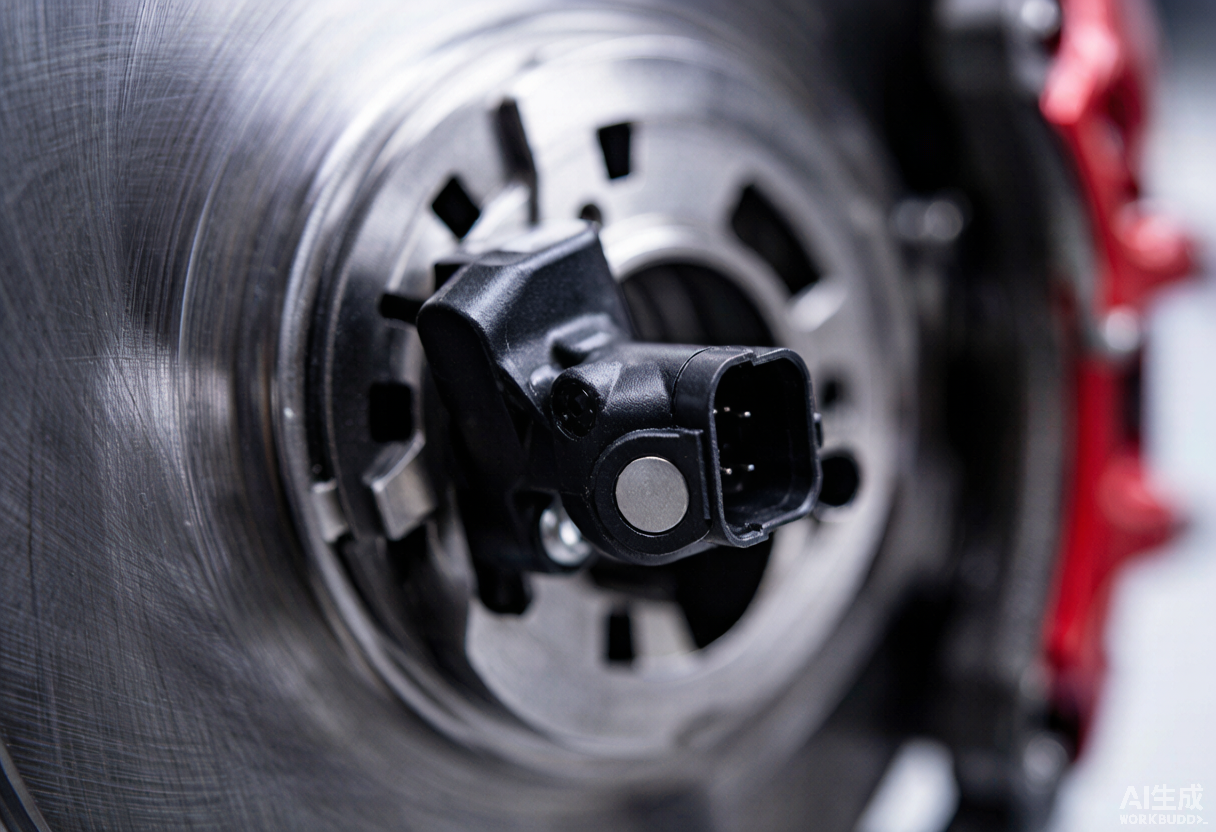
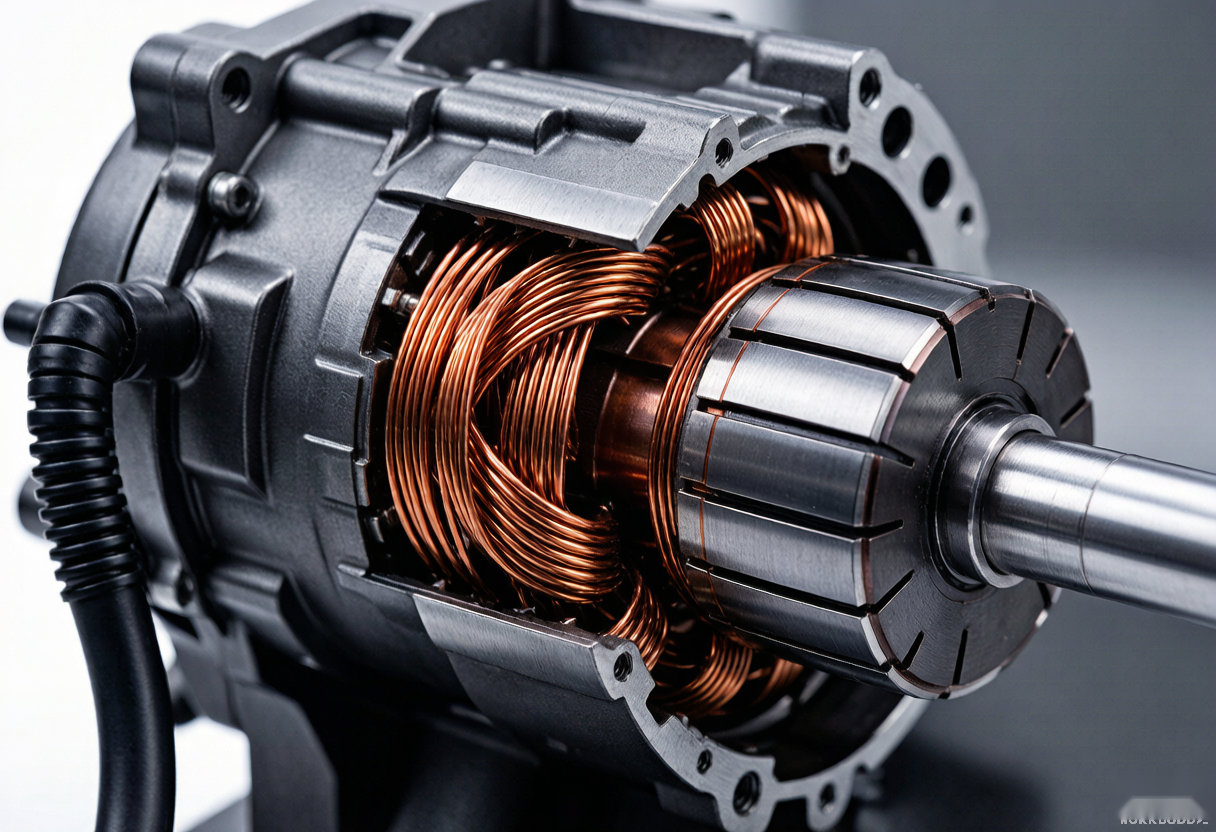
EV traction motors, EPS, sensors

Consumer Electronics

Consumer Electronics

Speakers, haptics, VCM, charging

Industrial Automation

Industrial Automation

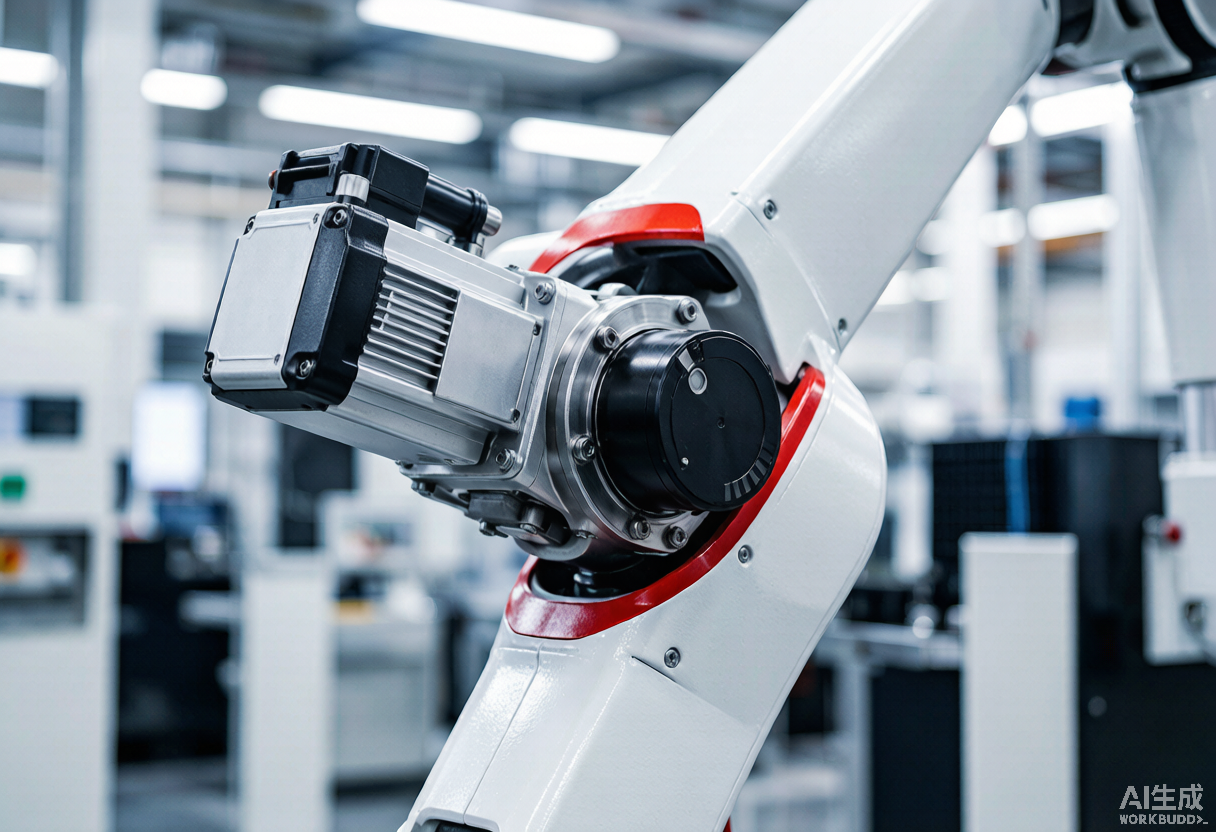
Motors, couplings, sensors

Medical & Healthcare

Medical & Healthcare

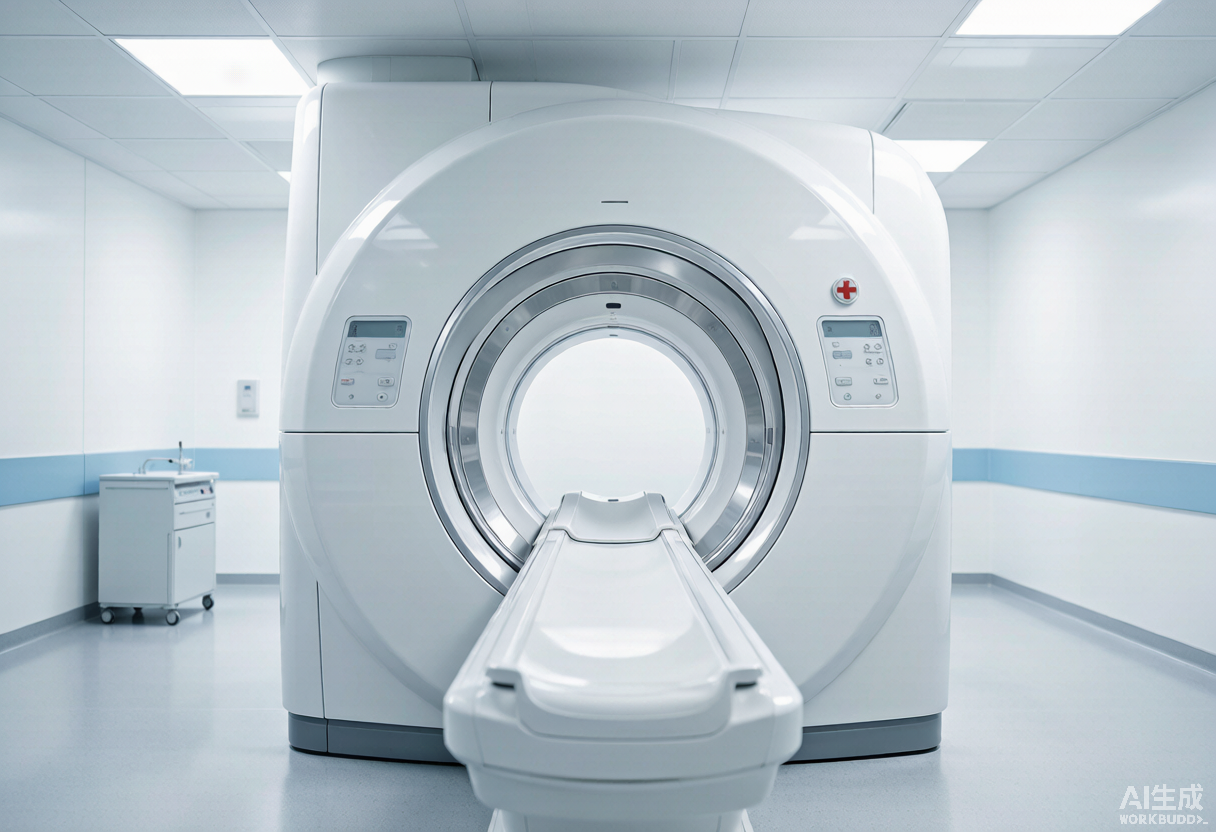
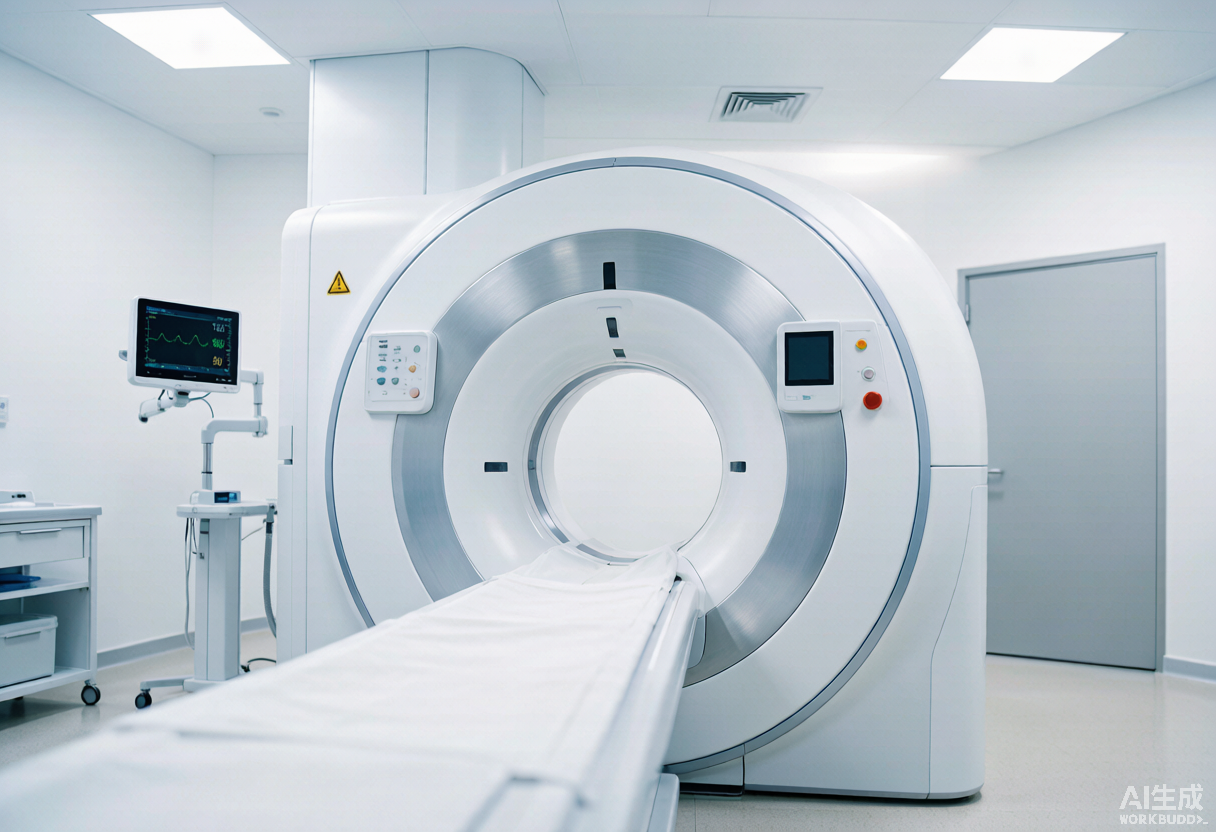
MRI, implants, surgical devices

Energy & Power

Energy & Power

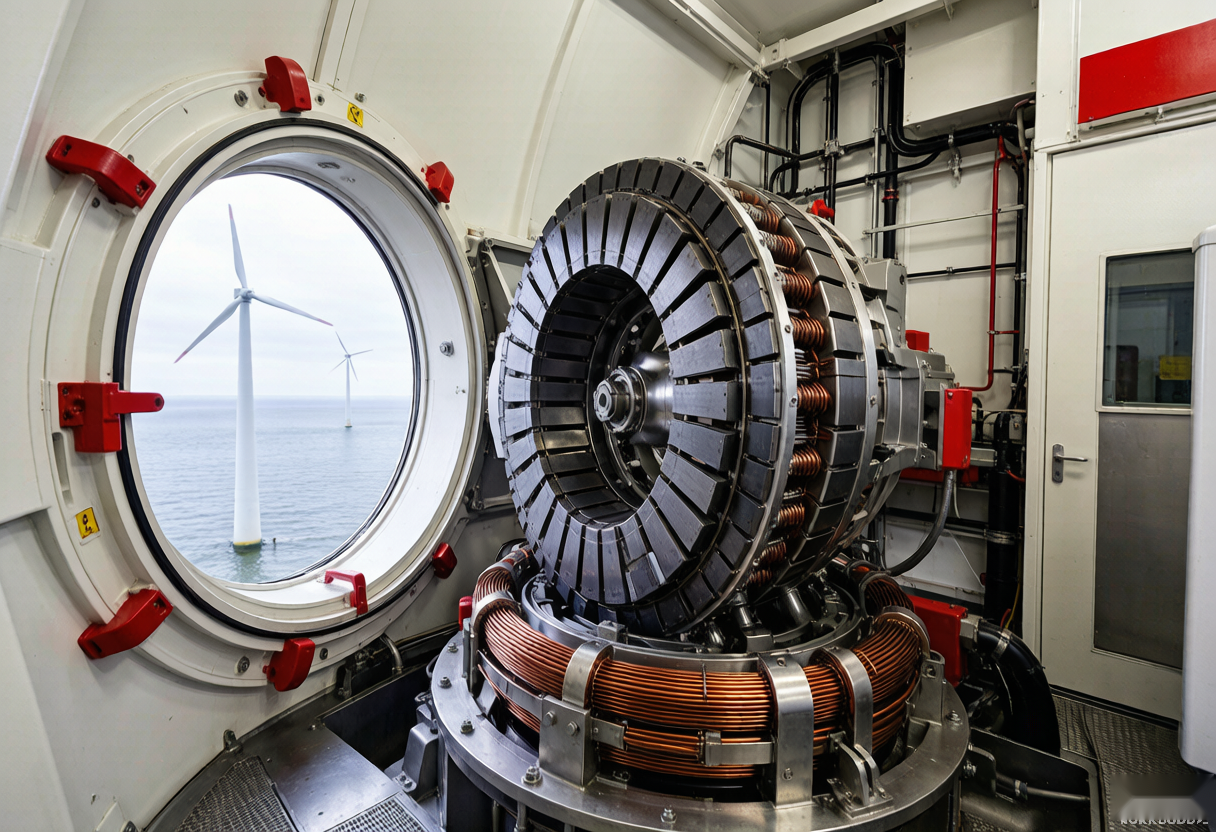
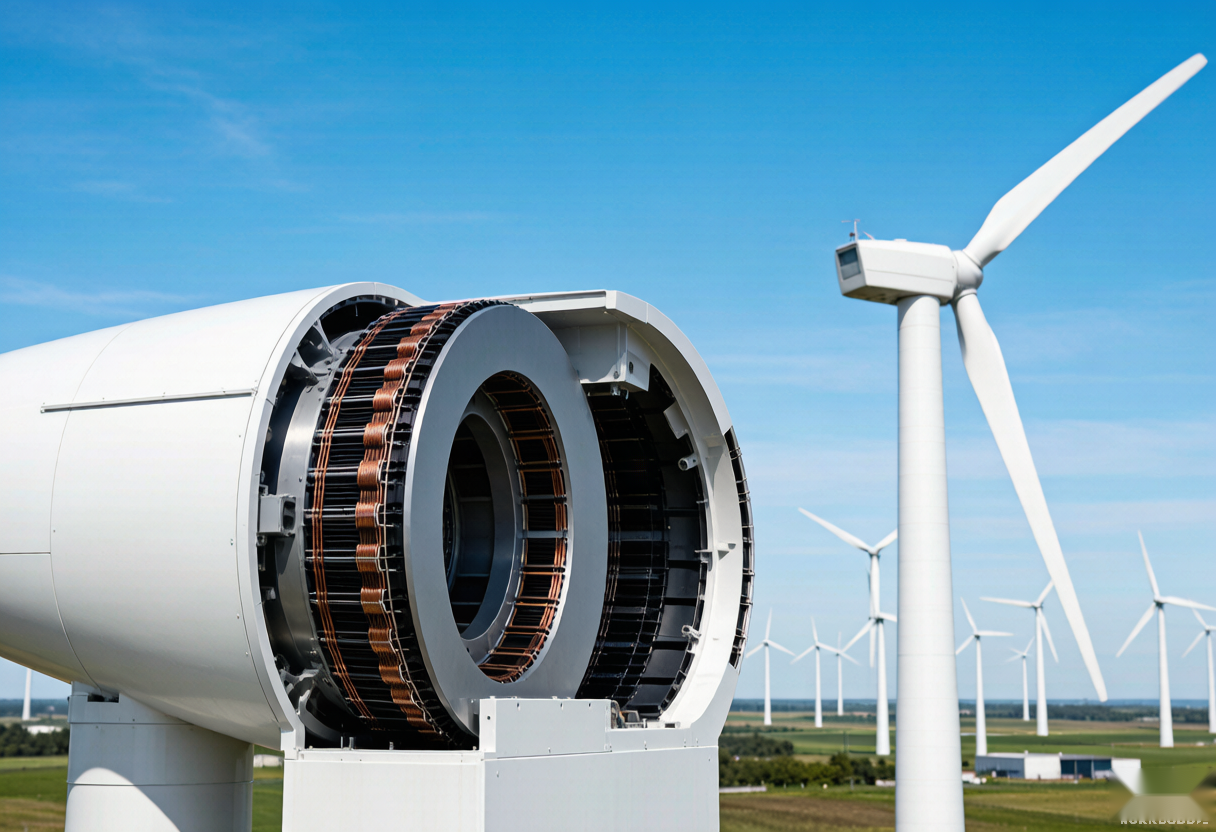
Wind turbines, generators

Aerospace & Defense

Aerospace & Defense

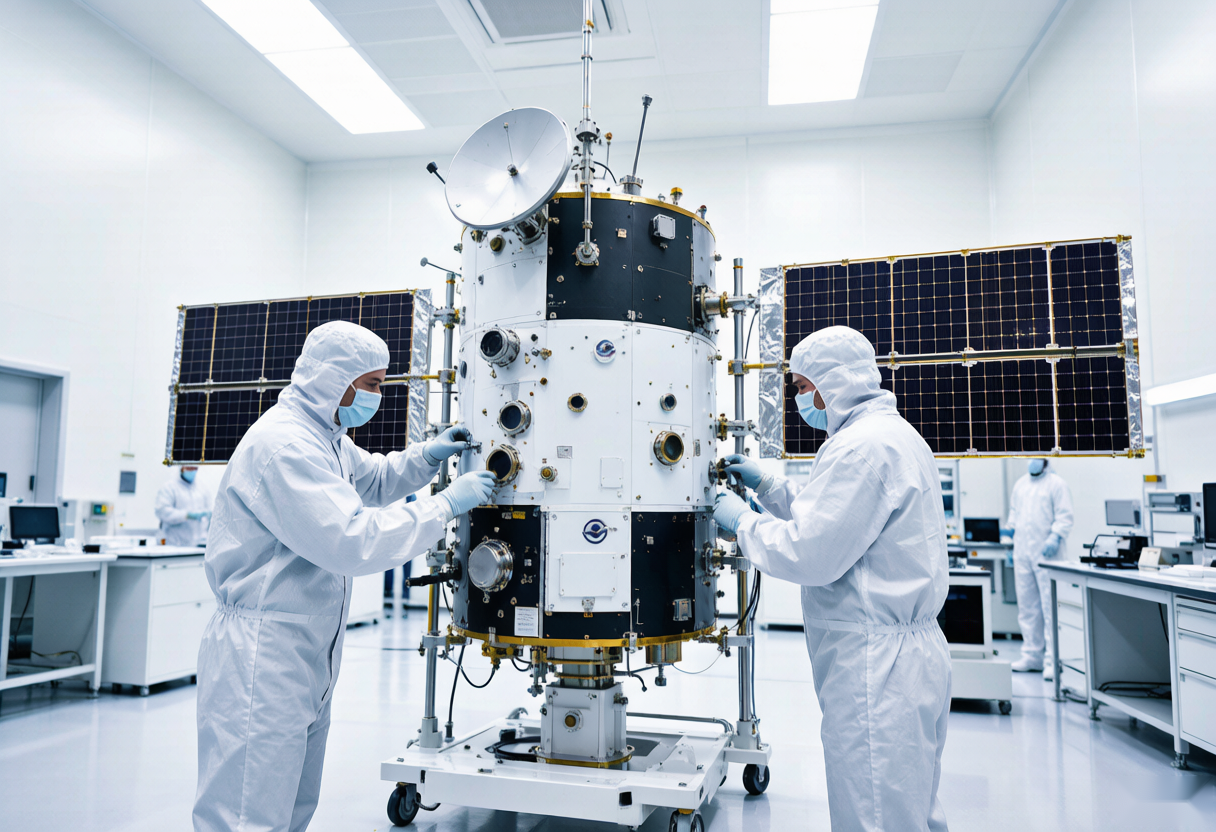
Navigation, radar, satellites

Why Choose Ningbo Empire

Certified Quality, Integrated Manufacturing, Global Reach

Certified Quality Systems

ISO 9001 and IATF 16949 certified manufacturing. Full PPAP Level 3 documentation, SGS/BV assay certificates, and RoHS/REACH compliance on all products.

Integrated Manufacturing

From magnet sintering and machining to metal die-casting and LTCC ceramic production — one partner, full industrial spectrum, consolidated quality management.

Global Supply Chain

Serving Fortune 500 OEMs and Tier-1 suppliers across 15+ countries. Fully compliant export documentation with experienced logistics team based in Ningbo, China.

Engineered Magnetic Solutions — Request a Technical Consultation

Our application engineers provide complimentary magnet selection analysis, FEA magnetic circuit simulation, and prototype development support. Submit your specifications for a detailed proposal within one business day.

Request Engineering Consultation
Home/Industries & Applications

Permanent Magnet Applications Across Automotive, Medical, Aerospace & Energy Industries

From EV traction motors to MRI scanners and satellite navigation systems — Ningbo Empire supplies application-engineered magnetic solutions to six core industries. Domain expertise validated by IATF 16949 automotive certification, FDA-compliant medical programs, and MIL-spec aerospace qualifications.

Discuss Your Application
auto industry applications

Automotive & EV

NdFeB traction motor magnets, EPS systems, position sensors, and brake-by-wire actuators. IATF 16949 certified with full PPAP Level 3 documentation for Tier-1 automotive programs.

EV Traction Motors EPS Systems Position Sensors Door Locks Fuel Pumps
electronics industry applications

Consumer Electronics

Micro NdFeB magnets for speakers, haptic motors, camera VCM actuators, and MagSafe-style wireless charging alignment — manufactured to ±0.02mm tolerance at volumes exceeding 10M units annually.

Speakers Haptic Motors Camera OIS Wireless Charging Magnetic Attachments
industrial industry applications

Industrial Automation

Servo motor magnets, magnetic couplings, linear motor arrays, and robotic end-effector grippers. NdFeB and SmCo solutions engineered for 10M+ cycle reliability in smart manufacturing environments.

Servo Motors Magnetic Separators Magnetic Couplings Robotics Linear Motors
medical industry applications

Medical Devices

MRI system magnets, surgical navigation markers, implantable drug delivery pumps, and cochlear implant transducers. SmCo and biocompatible-coated NdFeB with full lot-level traceability.

MRI Systems Surgical Tools Hearing Aids Drug Delivery Dental Equipment
energy industry applications

Renewable Energy

Direct-drive wind turbine generators (up to 15MW), hydroelectric systems, tidal energy converters, and solar tracking motors. High-grade N48UH NdFeB arrays engineered for 25-year design life.

Wind Turbines Hydro Generators Wave Energy Tidal Systems Solar Tracking
aero industry applications

Aerospace & Defense

Flight control actuators, inertial navigation gyros, TWT amplifier magnets, and satellite reaction wheel motors. SmCo and AlNiCo qualified for -60°C to +550°C operational extremes.

Flight Controls Navigation Satellite Systems Radar Missile Guidance
Proven Track Record

Validated by Global OEM Programs

Production-scale metrics from active partnerships across automotive, energy, electronics, and medical device programs.

2M+

EV Motors Supplied

Neodymium magnets delivered for electric vehicle traction motor programs across 12 OEMs.

500+

Wind Turbines Powered

Custom NdFeB assemblies for onshore and offshore wind generator systems up to 15MW.

10M+

Speaker Magnets Shipped

Ferrite and NdFeB magnets for consumer audio products from premium headphones to smart speakers.

200+

Medical Device Programs

Precision SmCo and NdFeB magnets for FDA-regulated medical devices and diagnostic equipment.

Handling

Storage, Processing & Use Conditions

PROCESS

Converting Environment

Process rolls at 15–30 °C with relative humidity 30–60 %. Allow material to reach workshop temperature before unrolling to avoid curling or condensation.

USE

In-Service Conditions

After installation, keep daily temperature swings within 40 °C. Avoid prolonged exposure above the maximum operating temperature or to aromatic solvents, oils, and plasticizers that can swell the binder.

STORE

Shelf Life & Packaging

Store sealed and protected from light at 15–35 °C, 20–70 % RH. Shelf life is 12 months at room temperature when sealed; reseal unused material immediately after opening.

Key Applications

Flexible Magnets in Action

From high-speed digital printing lines to refrigerator seals and micro motors, flexible magnets add magnetic function where rigid magnets cannot fit or flex.

Ningbo Empire supplies flexible magnetic sheet, strip, and die-cut parts that are folded, twisted, and converted without cracking. Six proven application areas are shown below — each served by a specific product form and surface finish from our line-up.

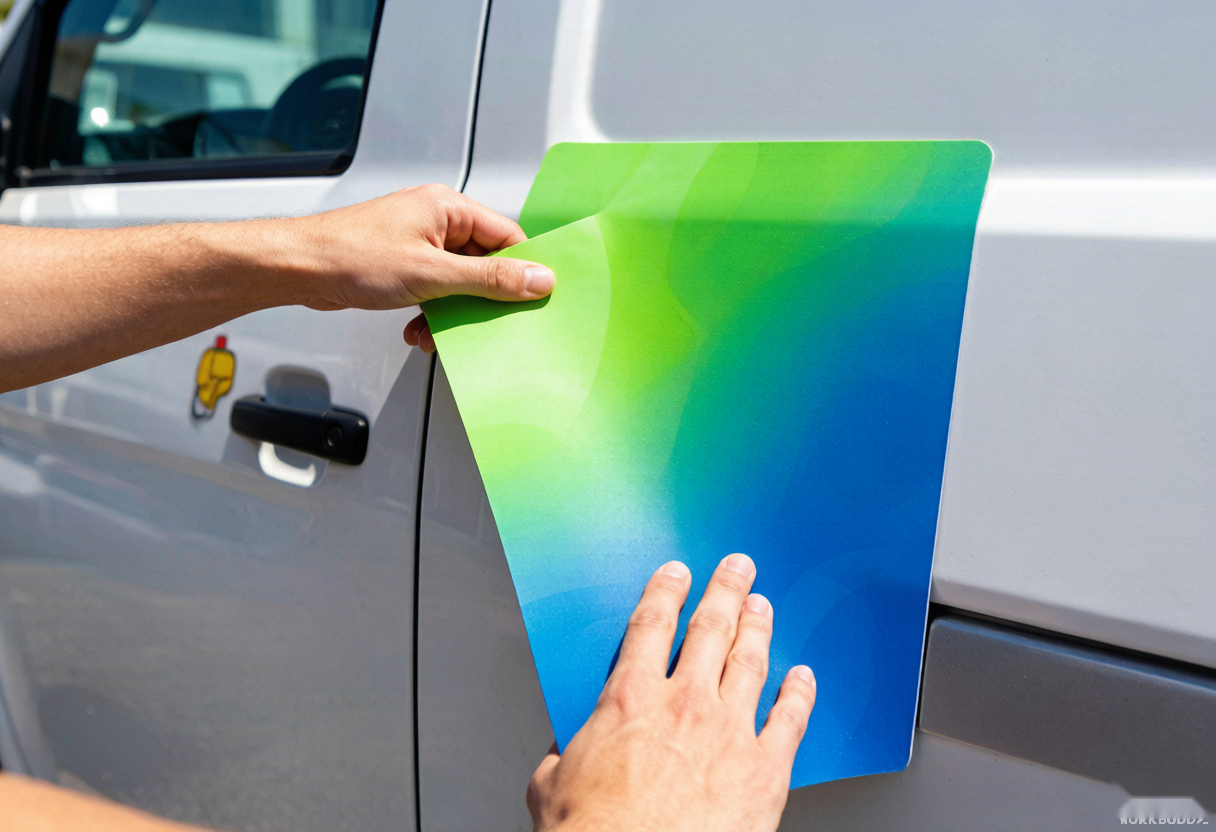
Flexible magnetic car signage

Vehicle Car Magnets

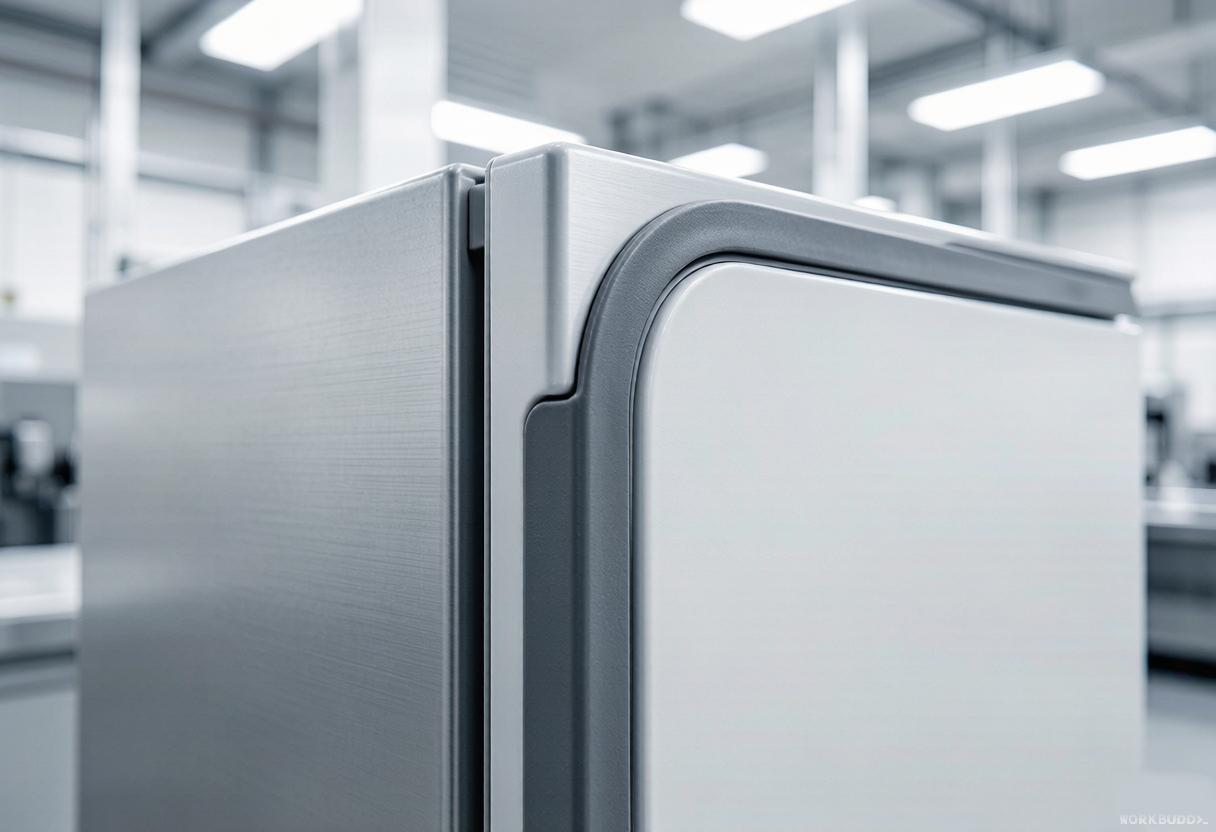
Refrigerator door gasket

Refrigerator & Cabinet Seals

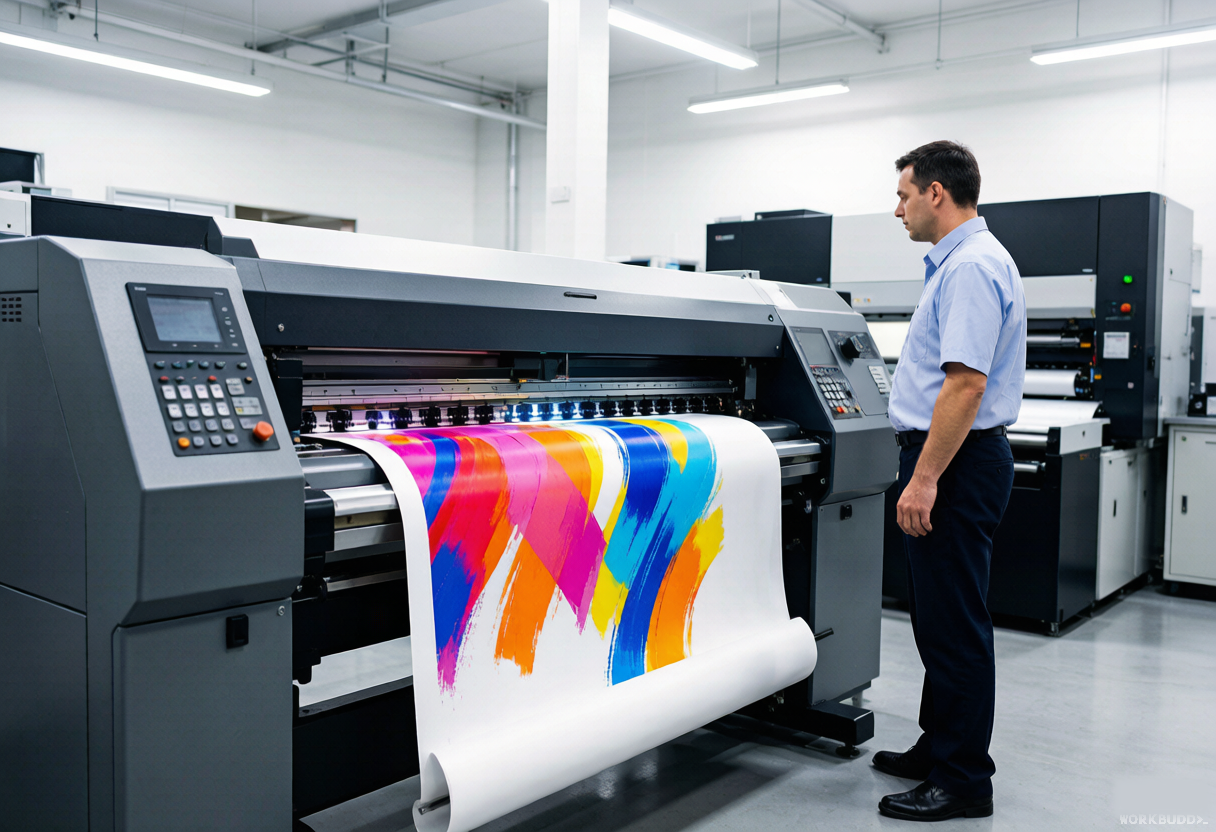
Wide-format printing on flexible magnetic media

Digital & Screen Printed Graphics

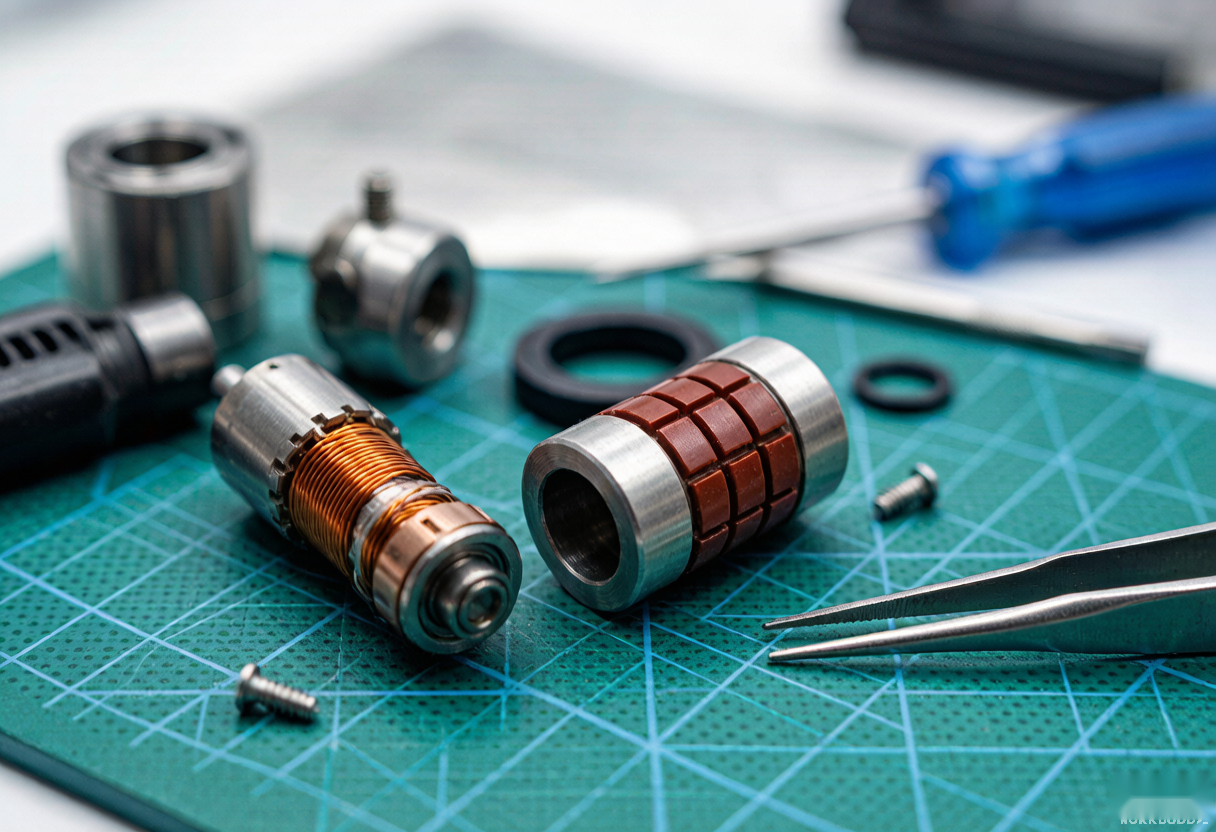
Micro motor with flexible magnet strip

Micro Motors & Sensors

Magnetic warehouse shelf labels

Reusable Magnetic Labels

Magnetic educational toys and fridge magnets

Educational Toys & Promotional Magnets

Home/Manufacturing & Quality

Magnet Manufacturing & Quality Control

ISO 9001, IATF 16949 Certified Production

Every permanent magnet passes through 12+ quality checkpoints — from incoming raw material spectrometry to 100% final flux measurement. Vertically integrated powder metallurgy facilities with full lot-level traceability, statistical process control (Cpk ≥ 1.67), and international certifications including ISO 9001, IATF 16949, and ISO 14001.

Production Process

Six Steps from Powder to Precision Magnet

Each stage is monitored by dedicated quality engineers with real-time data tracking and statistical process control.

1

Raw Material Testing

Incoming inspection of rare earth alloys, iron powder, and binding materials. Spectrometer analysis verifies chemical composition to ±0.1% accuracy.

2

Melting & Alloying

Vacuum induction melting at 1,500°C produces uniform alloy ingots. Composition controlled by X-ray fluorescence (XRF) analysis.

3

Powder Metallurgy

Hydrogen decrepitation and jet milling reduce alloy to 3-5μm powder particles. Particle size distribution verified by laser diffraction.

4

Pressing & Alignment

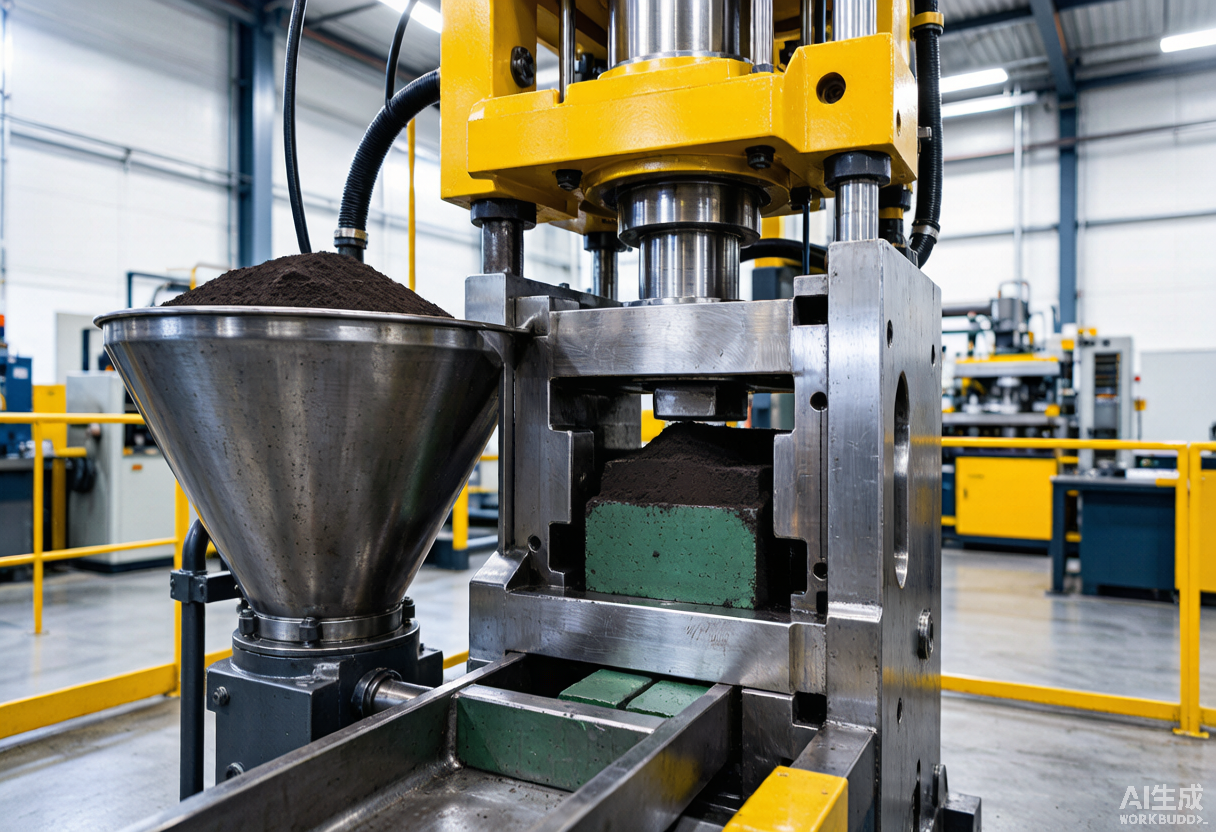
Isostatic or die pressing under 2T magnetic field aligns crystal grains. Density achieved: 7.4-7.6 g/cm³ for optimal magnetic properties.

5

Sintering & Machining

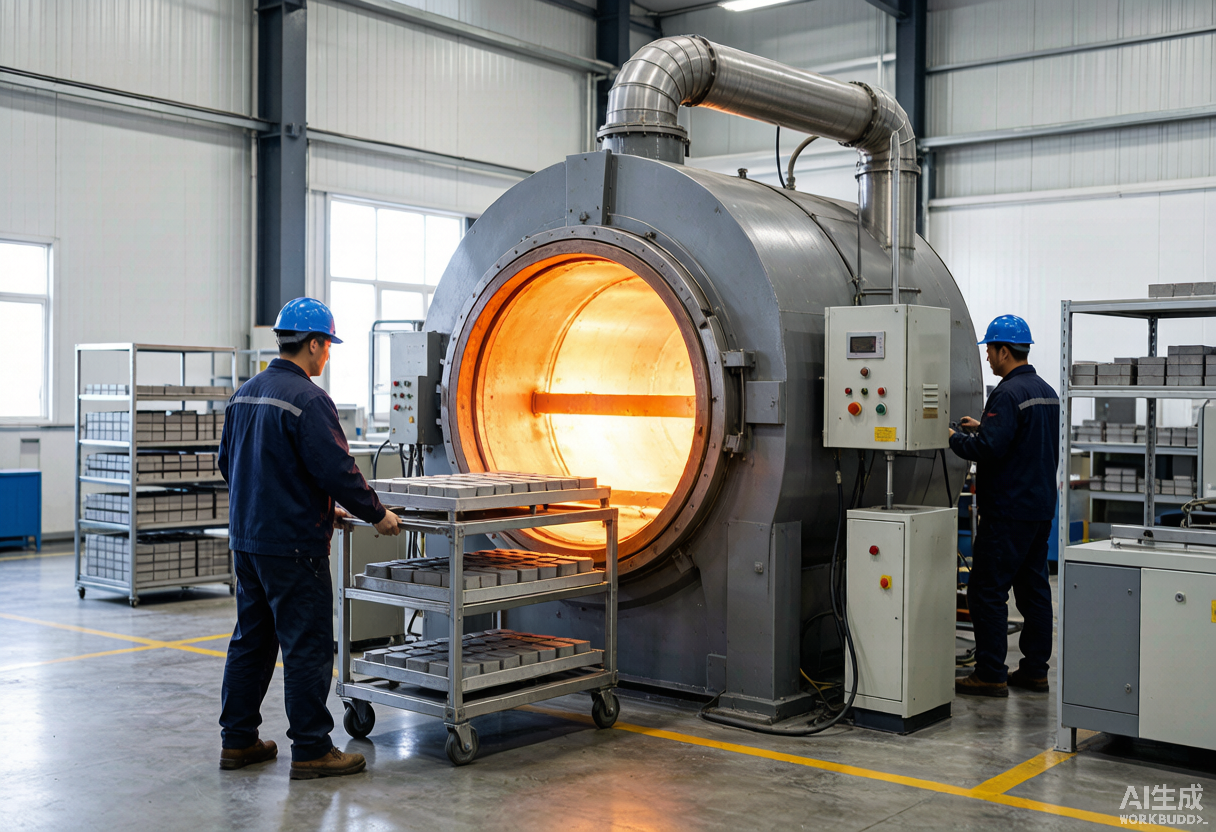
Vacuum sintering at 1,080-1,100°C for 2-4 hours. Diamond tooling machines magnets to ±0.05mm tolerance. EDM for complex geometries.

6

Coating & Final QC

Multi-layer coating (Ni-Cu-Ni, Zn, Epoxy, or Au) with 24-72hr salt spray testing. Each magnet receives 100% flux measurement before packing.

Certifications & Compliance

Internationally Recognized Standards

Our quality management system meets the most demanding global standards for automotive, medical, and aerospace applications.

ISO 9001:2015

Quality Management System

IATF 16949

Automotive Quality Standard

RoHS Compliant

Restriction of Hazardous Substances

REACH Compliant

EU Chemical Regulation

ISO 14001

Environmental Management

SDS Available

Safety Data Sheets on Request

Testing Capabilities

Every Magnet Tested, Every Property Verified

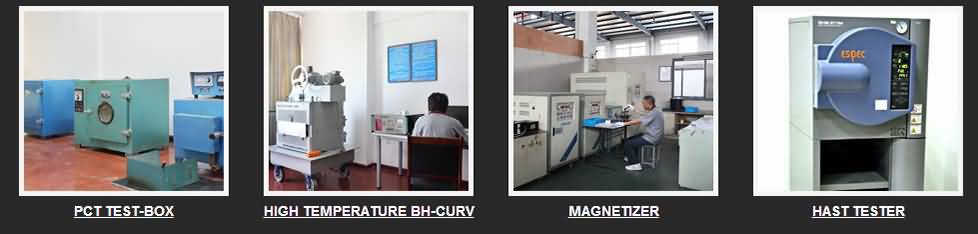
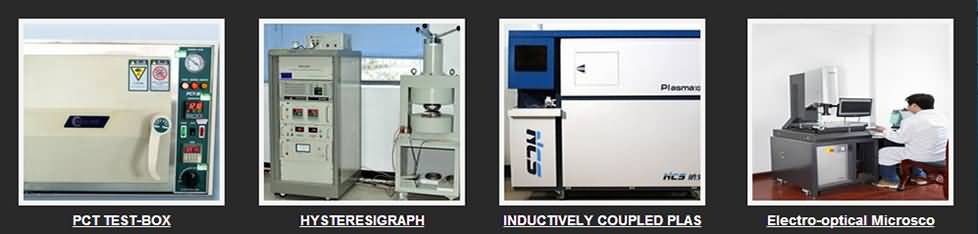
Our in-house laboratory performs comprehensive magnetic, mechanical, and environmental testing on 100% of production output.

Magnetic Testing

Magnetic Property Verification

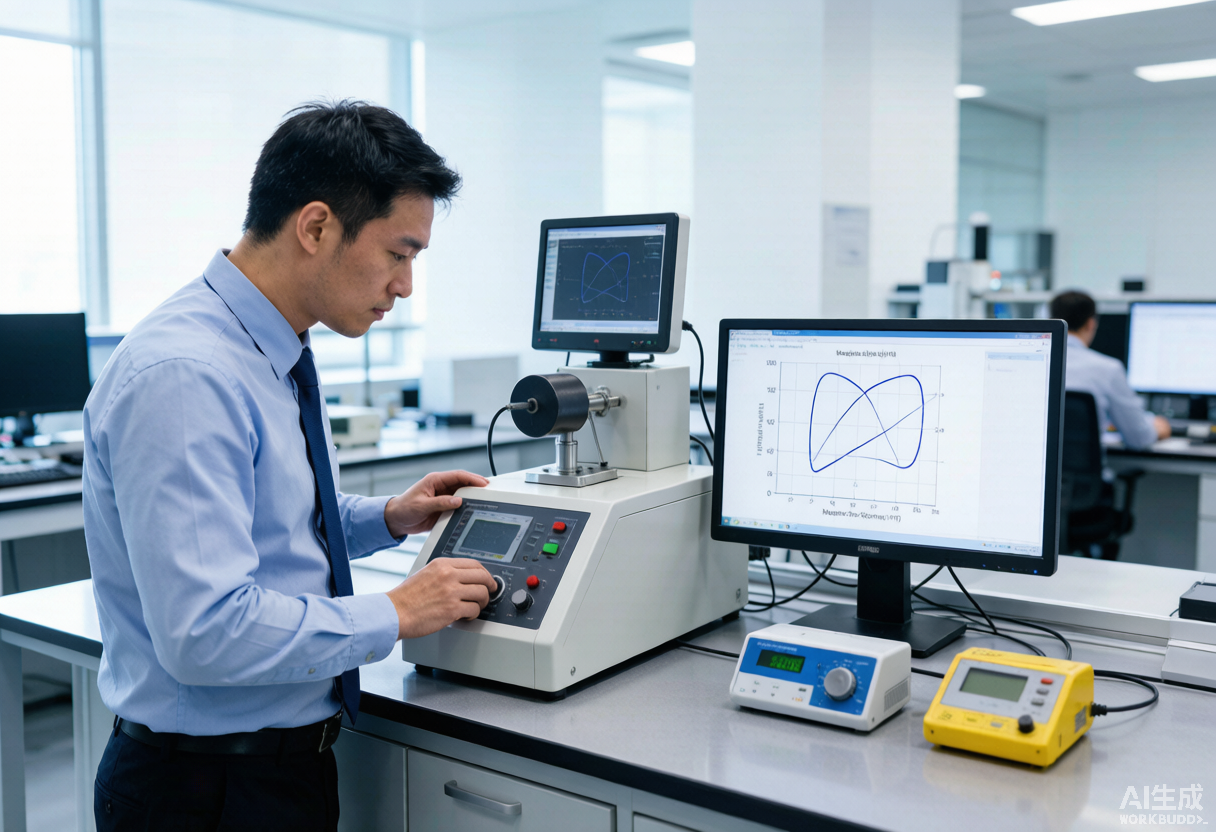
Hysteresis graph testing measures Br, Hci, Hcb, and (BH)max to ensure each batch meets specification.

Hysteresis Graph Flux Meter Gauss Meter Helmholtz Coil
Environmental Testing

Corrosion & Aging Tests

Salt spray, humidity, and thermal cycling tests verify coating integrity and long-term stability.

Salt Spray 72hr PCT 96hr Thermal Shock Humidity 85/85
Dimensional Inspection

Precision Measurement

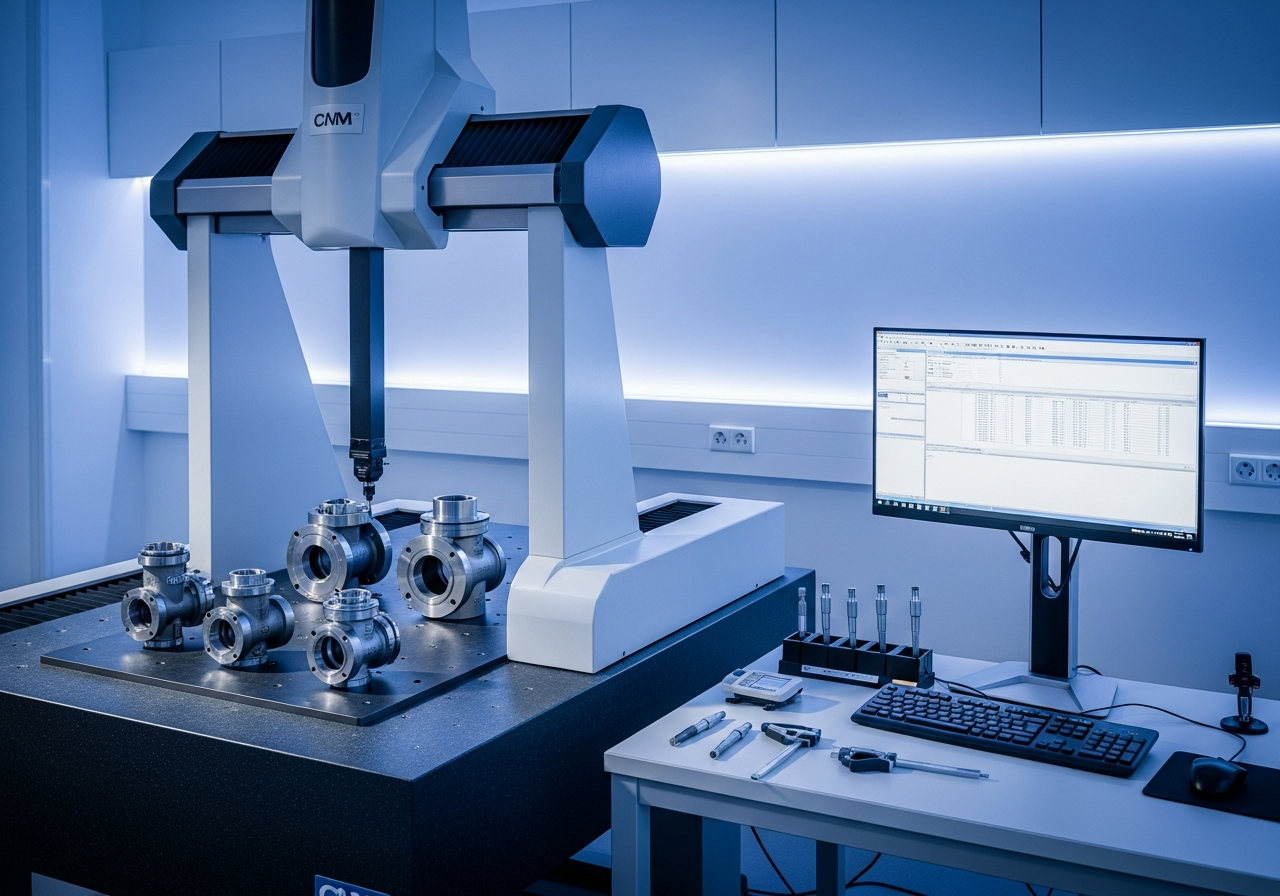
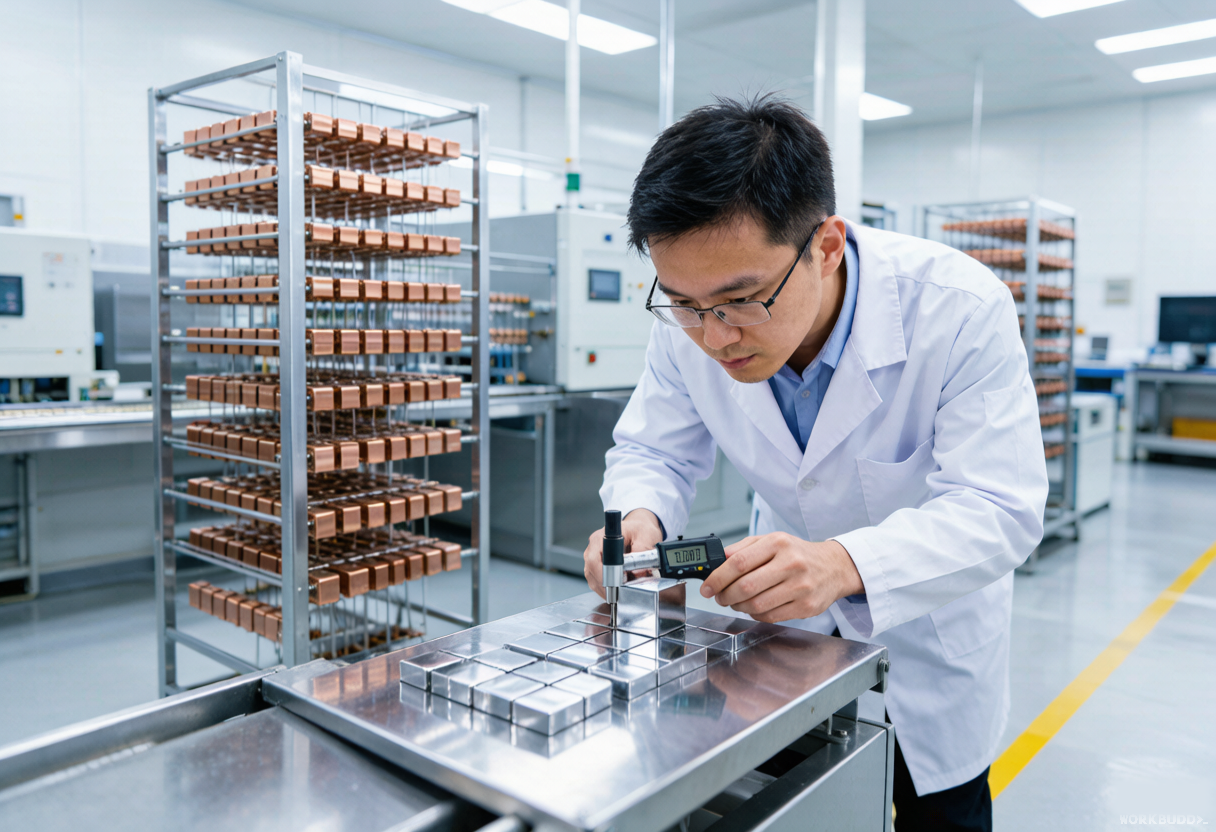
CMM, optical comparators, and digital micrometers verify dimensional accuracy to ±0.01mm.

CMM Optical Profile Digital Micrometer Surface Roughness
Home/Technical Resources

Magnet Selection Guide, Property Charts & Magnetic Engineering Glossary

Technical resources for specifying permanent magnets — a six-step selection guide covering temperature, flux density, environment, geometry, magnetization direction, and cost optimization. Plus a 12-term engineering glossary and magnetic property reference data for NdFeB, SmCo, ferrite, and AlNiCo materials.

Magnetic property testing with B-H hysteresis tracer in our laboratory
Step-by-Step Guide

How to Choose the Right Magnet

Follow this engineering guide to narrow down the optimal magnet material, grade, and coating for your application.

1

Define Operating Temperature

The maximum continuous operating temperature determines which magnet families are viable.

  • Below 80°C: All types suitable
  • 80-150°C: NdFeB (SH/UH/EH), SmCo, AlNiCo
  • 150-300°C: SmCo, AlNiCo, High-temp NdFeB
  • Above 300°C: AlNiCo only
2

Determine Required Flux Density

Calculate the magnetic field strength needed at the working distance using FEA simulation.

  • High field (>1T): NdFeB N48-N52
  • Medium field (0.5-1T): NdFeB N35-N42, SmCo
  • Low field (<0.5T): Ferrite, Flexible
  • Stable reference field: AlNiCo
3

Consider Environment

Corrosion, humidity, vacuum, and radiation affect material and coating selection.

  • Humid/Salty: SmCo (no coating needed)
  • Dry indoor: NdFeB with Ni-Cu-Ni
  • Chemical exposure: Epoxy coating
  • Food contact: Gold or FDA coating
4

Specify Shape & Tolerance

Magnet geometry affects field distribution. Manufacturing method determines achievable tolerance.

  • Disc/Ring: ±0.05mm standard
  • Block: ±0.10mm standard
  • Arc/Segment: For motor applications
  • Custom: EDM and grinding available
5

Select Magnetization Direction

The direction of magnetization affects how the magnet interacts with your circuit.

  • Axial: Through thickness (most common)
  • Diametral: Through diameter
  • Radial: For ring magnets in motors
  • Multi-pole: For flexible and ferrite
6

Optimize Cost vs Performance

Balance material cost with performance requirements. Often a lower grade suffices.

  • High volume: Ferrite or N35 NdFeB
  • Premium performance: N52 NdFeB
  • High temp budget: SmCo over high-temp NdFeB
  • Flexible shapes: Rubber magnet
Magnetic Terminology

Glossary of Magnetic Terms

Essential vocabulary for specifying and discussing permanent magnets with engineering precision.

Remanence (Br)
The magnetic flux density remaining in a saturated magnet after the external field is removed. Measured in Gauss or Tesla.
Coercivity (Hc)
The resistance of a magnet to demagnetization. Higher Hc means better stability against external fields and temperature.
Energy Product (BH)max
The maximum energy density a magnet can deliver. Measured in MGOe (Mega-Gauss-Oersted). Higher = stronger magnet.
Demagnetization Curve
The second quadrant of the hysteresis loop, showing how a magnet behaves under demagnetizing influences.
Temperature Coefficient
The rate at which magnetic properties change with temperature. Expressed as %/°C. Critical for precision applications.
Curie Temperature
The temperature at which a magnet permanently loses all magnetism. Not the same as maximum operating temperature.
Isotropic / Anisotropic
Isotropic magnets can be magnetized in any direction (weaker). Anisotropic magnets have a preferred direction (stronger).
Magnetic Flux
The total magnetic field passing through a given area. Measured in Maxwell or Weber. Determines pulling force.
Pull Force
The force required to detach a magnet from a flat steel plate. Depends on material, size, and contact surface.
MGOe
Mega-Gauss-Oersted. Unit of maximum energy product. NdFeB ranges 27-52 MGOe; ferrite ranges 1-4 MGOe.
Grade
A designation indicating magnetic properties. NdFeB grades: N35-N52, N30M-N48M, N30H-N46H, N30SH-N42SH, etc.
Permeance Coefficient
A geometric factor that determines the operating point of a magnet on its demagnetization curve.
Home/FAQ

Permanent Magnet FAQ

Material Selection, MOQ, Lead Times & Shipping

Technical and commercial answers for procurement teams and design engineers — covering NdFeB vs SmCo selection, custom shapes, coating options, maximum temperatures, MOQ, production lead times, payment terms, IATA dangerous goods shipping, and worldwide logistics.

Application engineers supporting customer magnet specifications
Product & Materials
What is the difference between NdFeB and SmCo magnets?
NdFeB (Neodymium) magnets offer the highest energy product (up to 52 MGOe) but are limited to 80-150°C operating temperature and require protective coating against corrosion. SmCo (Samarium Cobalt) magnets have lower energy product (16-30 MGOe) but can operate up to 300°C with excellent corrosion resistance and temperature stability. Choose NdFeB for maximum strength in moderate environments; choose SmCo for high-temperature or harsh-environment applications.
Can I get custom shapes and sizes?
Yes. We manufacture custom shapes including discs, rings, blocks, arcs, cylinders, spheres, and complex geometries via EDM (Electrical Discharge Machining). Standard tolerance is ±0.05mm; tighter tolerances available on request. Minimum order quantity for custom shapes is typically 500 pieces, though prototyping quantities can be arranged.
What coatings are available for NdFeB magnets?
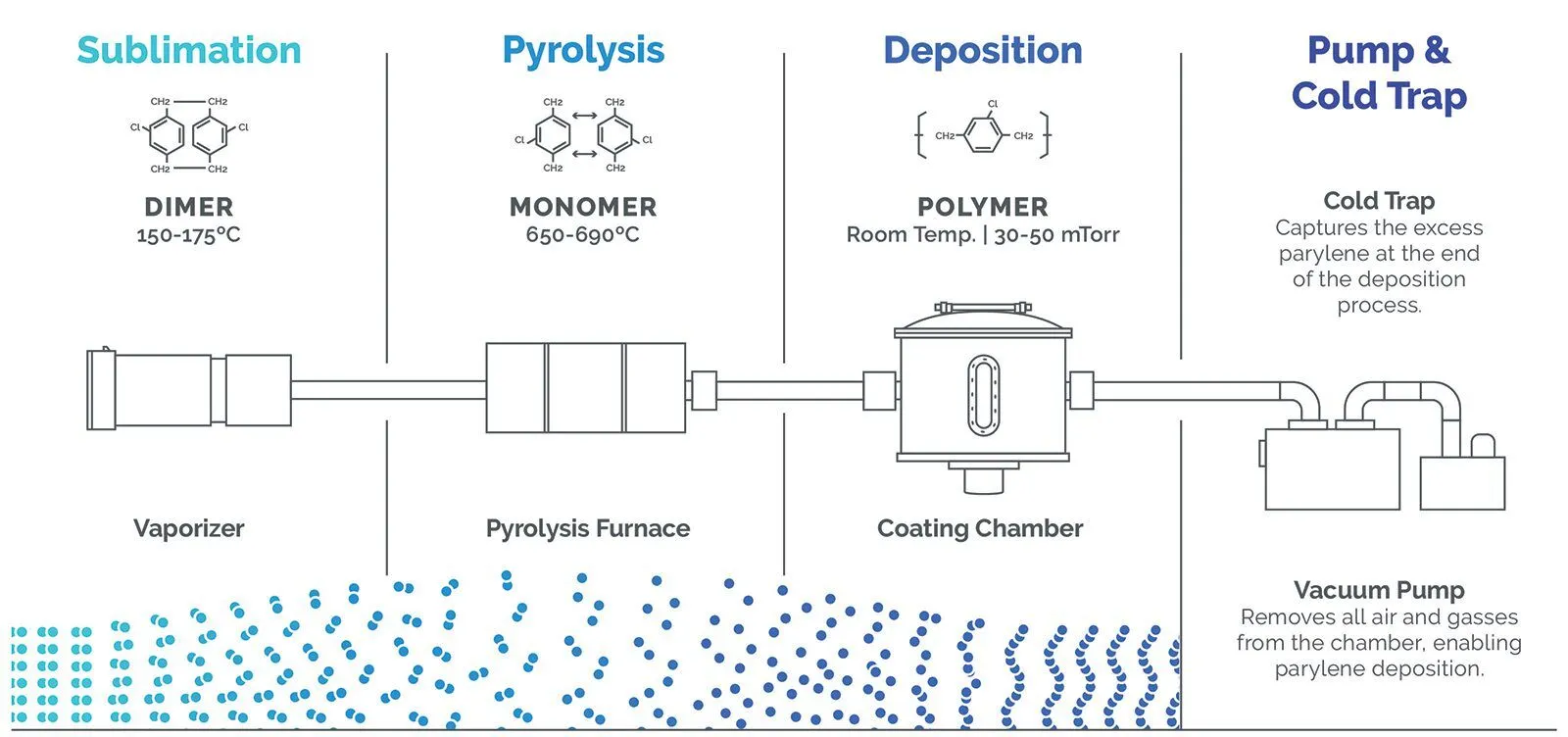
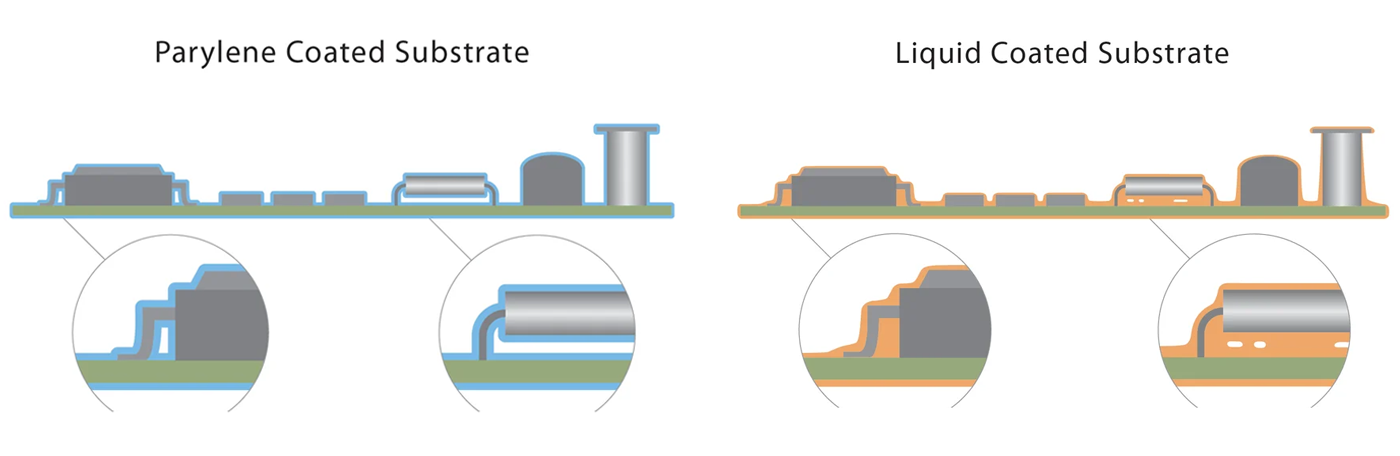
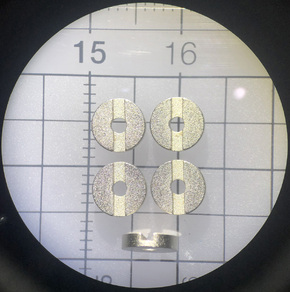
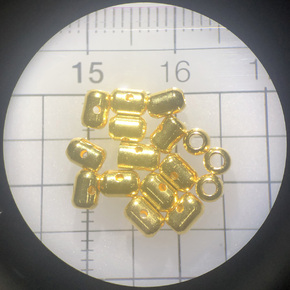
We offer multiple coating options: Nickel-Copper-Nickel (Ni-Cu-Ni, standard, 15-21μm), Zinc (Zn, 8-12μm), Epoxy (15-25μm, excellent salt spray resistance), Gold (for medical/food contact), Black Nickel, and Parylene. For harsh environments, we recommend Epoxy or triple-layer Ni-Cu-Ni. Salt spray testing (72-96 hours) is performed on all coated magnets.
What is the maximum temperature my magnet can withstand?
Maximum operating temperatures vary by material and grade: NdFeB: 80°C (N-grade) to 200°C (EH-grade); SmCo: 250-300°C; Ferrite: 250°C; AlNiCo: 550°C; Flexible: 100°C. Note that the Curie temperature (where magnetism is permanently lost) is significantly higher. Always specify your operating temperature when requesting a quote.
Ordering & Pricing
What is the minimum order quantity (MOQ)?
MOQ depends on the product: Standard catalog items: 100 pieces; Custom shapes/sizes: 500 pieces; Flexible rubber magnets: 100kg; Prototype/development: 10-50 pieces (with engineering fee). We accommodate small orders for prototyping and welcome discussion of your specific needs.
How long does production take?
Standard production lead times: In-stock items: 3-5 business days; Standard custom: 15-20 business days; Complex custom (EDM, special coatings): 25-30 business days; Large volume (10,000+): 30-45 business days. Expedited service is available for urgent orders. Shipping time is additional: 5-7 days by air, 25-35 days by sea.
Do you provide samples?
Yes, we provide free samples from our standard catalog (shipping cost covered by customer). For custom samples, a tooling and engineering fee may apply, which is credited toward your production order. Sample lead time is typically 5-7 business days. Contact us with your specifications to request samples.
What payment methods do you accept?
We accept T/T (Wire Transfer), PayPal, Western Union, and L/C (Letter of Credit) for large orders. Payment terms: 30% deposit with order, 70% balance before shipment (T/T); 100% in advance for small orders under $3,000. Net-30 terms available for established customers with credit approval.
Technical & Design
Can you help with magnetic circuit design?
Absolutely. Our engineering team provides free magnetic circuit consultation including FEA (Finite Element Analysis) simulation, field distribution mapping, and pull force calculations. Share your application requirements (working gap, required force, temperature, space constraints) and we'll recommend the optimal magnet type, grade, and geometry.
How do you measure magnetic strength?
We use multiple instruments: Hysteresis Graph (measures complete B-H curve, Br, Hci, Hcb, BHmax); Flux Meter with Helmholtz Coil (measures total flux); Gauss/Tesla Meter (measures surface field at specific points); Pull Force Tester (measures normal and shear pull force). Every production batch receives a test report with measured values.
What is the shelf life of permanent magnets?
Permanent magnets have an extremely long shelf life when stored properly. NdFeB magnets may lose <1-2% of their flux over 10 years at room temperature. SmCo and AlNiCo are even more stable. Store magnets away from strong electromagnetic fields, high temperatures, and corrosive environments. Keep NdFeB magnets in their original packaging with desiccant to prevent coating oxidation.
Can magnets be remagnetized if they lose strength?
Yes, most magnets can be remagnetized if demagnetization was caused by external fields, temperature, or physical shock. We offer remagnetization services. However, if the magnet has been heated above its Curie temperature or has corroded significantly, remagnetization may not restore full performance and replacement is recommended.
Shipping & Logistics
How are magnets shipped safely?
Magnets are packed with steel shielding (flux diversion plates) and foam cushioning to ensure safe transport and compliance with IATA Dangerous Goods regulations. Strong magnets (NdFeB) require special handling for air freight. We provide MSDS and DG packaging certification. Sea freight is recommended for large orders to avoid air freight restrictions.
Do you ship worldwide? What about customs?
Yes, we ship to 15+ countries via DHL, FedEx, UPS, and major freight forwarders. We handle export documentation including Commercial Invoice, Packing List, Certificate of Origin, and Material Safety Data Sheet. For large orders, we can arrange DDP (Delivered Duty Paid) shipping. Customs duties and import taxes are the buyer's responsibility unless DDP is arranged.
Can I track my shipment?
Yes. All shipments include tracking numbers. Express shipments (DHL/FedEx/UPS) provide real-time tracking. Sea freight shipments provide bill of lading tracking with estimated arrival updates. You'll receive tracking information by email within 24 hours of shipment dispatch.
What if my magnets arrive damaged?
In the rare event of shipping damage, please photograph the packaging and magnets within 48 hours of receipt and contact us immediately. We will arrange free replacement or refund. All shipments are insured. Our packaging achieves a damage rate below 0.1%. In the rare event of shipping damage, we provide free replacement or full refund — no questions asked.

About Ningbo Empire

A Leading Chinese Magnetic Materials Manufacturer Since 2013

Ningbo Empire Advanced Material Co., Ltd. is an integrated manufacturer of permanent magnets, precision metal components, rare earth materials, and LTCC ceramics based in Ningbo, China — the world's largest port city.

6
Subsidiary Factories
15+
Countries Served
$24M
Projected 2025 Turnover
ISO 9001
& IATF 16949 Certified
About Ningbo Empire

Ningbo Empire Advanced Material Co., Ltd.

Ningbo Empire is a leading Chinese magnetic materials manufacturer, headquartered in Ningbo — home to the world’s largest port.

  • Strict quality management and process control — Excellent product quality is the key to Ningbo Empire’s success. Through continuous improvement of advanced quality management methods, Ningbo Empire leads in PPM, AQL and customer satisfaction. In 2016 and 2017, we even received zero-quality complaints.
  • The number and scale of various manufacturers of permanent magnets — By investing in six well-known factories, Ningbo Empire can produce all kinds of permanent magnets, including ferrite magnet, NdFeB magnet, SmCo magnet, AlNiCo magnet, flexible magnet and their assemblies.
  • Excellent R&D technology and an ongoing plan for further development — serving automobile, machinery, shipbuilding and heavy industry, energy and aerospace industry, and the acoustic industry.

With no minimum order quantity, an in-house R&D team, a complete product portfolio, and rapid response times, we are a high-volume permanent magnet manufacturer in China. Annual magnet revenue exceeds USD 8 million, with consistent year-over-year growth across six production facilities. Each facility maintains strict process controls — from raw material sourcing through final QC and shipping.

Each magnet type is produced at a dedicated facility optimized for that specific process. This specialization drives process maturity and cost efficiency — benefits passed directly to our customers.

Our products have already been used in iPad, Sony digital cameras, famous brand automotive motors and military equipment which must pass strict tests. We have worked together with our trading partners to successfully seize market share during competition. We believe good business boils down to providing excellent customer service. Without you, the customer, we have no business, so we will do everything in our power to make sure that you are satisfied with your order and service from Ningbo Empire Advanced Material.

Home/About/Why Ningbo Empire

Why Ningbo Empire

Four reasons trading partners choose us as their China magnet source

Ningbo Empire operates six specialized manufacturing facilities through strategic partnerships and equity investment — each dedicated to a specific magnet type or production process. Our integrated production line spans raw materials to finished products, all backed by ISO-certified quality systems.

As one of the few Chinese manufacturers capable of producing Samarium Cobalt magnet blanks in-house, we offer the full range of NdFeB grades — from N35 to N52EH. The result: our customers reduce sourcing costs and gain competitive advantage in their markets.

Lean Six Sigma production management

Advanced Production Management

Lean Six Sigma processes across our production lines reduce operating costs — savings we pass directly to customers through competitive pricing.

Ningbo Empire customer services

Services

Ningbo Empire offers superior services to make your daily work easier. We cover magnetic material selection and testing, product design and suggestion, fast delivery, supply chain management, inventory management and logistics services.

Complete magnetic product line

Products

With a complete portfolio of magnetic materials — NdFeB, SmCo, ferrite, AlNiCo, and flexible magnets — you can consolidate multiple sourcing needs into a single validated supplier.

Cost competitive manufacturing

Costs

Our annual cost-down programs and other solutions ensure that the prices you receive from us are always competitive.

Home/About/Certification

Certification

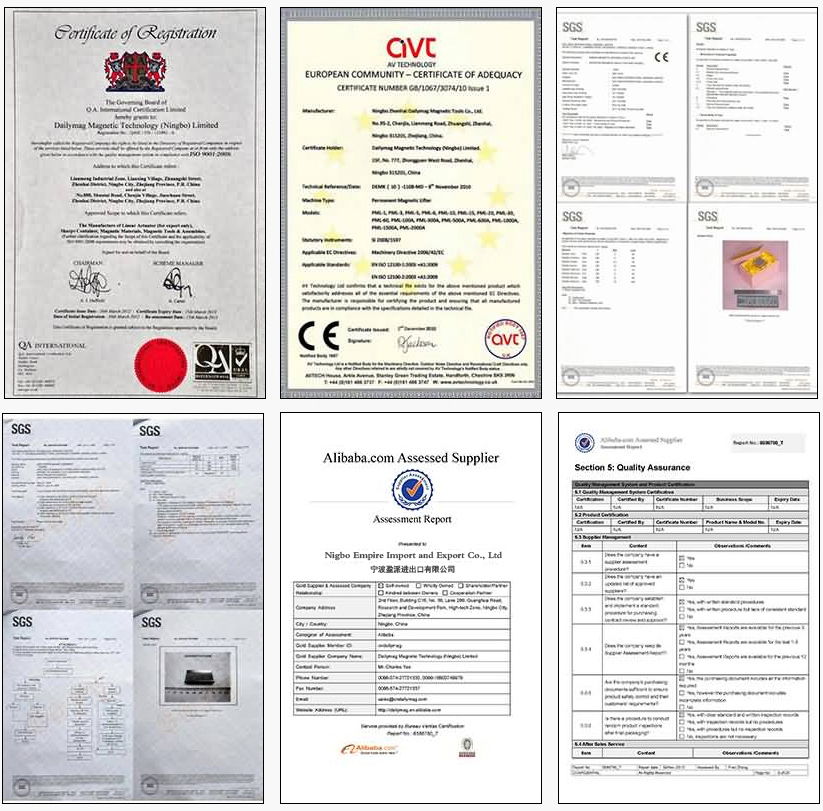
ISO 9001:2015 certified quality management system

Our ISO 9001:2015 certification reflects our commitment to consistent quality — and to delivering measurable value at every stage of the customer relationship.

Ningbo Empire ISO 9001:2015 certificate

Ningbo Empire facility is ISO 9001:2015 Certified

We define value as having the right products available at the right time and delivering them as promised, defect-free, at competitive prices.

The Organization Quality Policy calls for continual improvement in its quality management activities and business will be conducted according to the following principles:

  • We understand the needs and expectations of our customers.
  • We hold ourselves to a standard of zero defects in everything we do — we strive to “do it right the first time, every time.”
  • We continuously improve all aspects of our business.
  • We empower and develop our associates to succeed both individually and as a team.
  • We consider the needs of all stakeholders — suppliers, associates and customers — in our decision-making.

If you need a copy of our ISO 9001:2015 Certificate, please contact us. Thank you!

Home/About/Quality Assurance

Quality Assurance

Stringent standards from incoming material to outgoing shipment

At Ningbo Empire we know that we’re only as good as our products and service, and with that in mind we use only the most stringent standards and lowest variable tolerance requirements possible.

Our strict QC guidelines and qualified inspectors ensure that only the finest products bear the Ningbo Empire name. Our detailed processes start with our QC Engineer pulling randomly selected items from alternating product lines and delivering them directly to our Quality Control Lab. QC Inspectors then implement tests that include integrated technical inspections to test for impurities in the materials, magnet grades, component integrity, coating color consistency, assembly quality, and more.

All products are required to fall within some of the strictest industry tolerances and all QC testing is done in addition to the battery of tests that occur regularly in our Research & Development department.

Home/About/Factory Tour

Factory Tour

Four specialized factories across mainland China

Ningbo Empire manages four factories in mainland China. The four factories produce different kinds of magnetic materials, thereby ensuring specificity, improving production efficiency and continuously improving technology.

Automated production equipment across our facilities drives down per-unit cost — a saving reflected directly in customer pricing.

NdFeB magnet factory in Ningbo

NdFeB Magnet Factory — Zhejiang Ningbo

Annual capacity: 2,000 Tons
Staff: 80
Main products: Various shapes and properties of NdFeB magnets

Ferrite magnet factory in Dongyang

Ferrite Magnet Factory — Zhejiang Dongyang

Annual capacity: 5,000 Tons
Staff: 120
Main products: Block, ring and cylinder shape ferrite magnets

Ferrite arc segment factory in Anhui

Ferrite Magnet Factory — Anhui Province

Annual capacity: 4,000 Tons
Staff: 120
Main products: Arc shape ferrite magnets (ferrite segments)

Samarium Cobalt magnet factory

SmCo Magnet Factory

Annual capacity: 800 Tons
Staff: 20
Main products: Various shapes and properties of SmCo magnets

Home/About/Packaging

Packaging

Recycled, protective, and environmentally conscious packaging

We minimize environmental impact by using recycled and reusable packaging materials across our logistics operations.

Ningbo Empire environmentally conscious packaging

Environmentally Conscious

We minimize environmental impact by using recycled and reusable packaging materials across our logistics operations — from recycled-content cartons to reusable transit containers.

Need special packaging or labeling for your shipment? Contact our sales team to discuss custom packaging requirements.

Handling & Safety

Neodymium magnets are extremely powerful. Before unpacking or assembling your magnets, review our safety guidelines.

Neodymium Magnet Safety

The neodymium magnets we sell are extremely strong. They must be handled with care to avoid personal injury or damage to the magnets.

Strong neodymium magnets require careful handling

Powerful attraction forces can cause serious injury.

Neodymium magnets are more powerful than other kinds of magnets.  The incredibly powerful force between magnets can often be surprising to those unfamiliar with their strength.

Fingers and other body parts can be pinched between two magnets.  With larger magnets, injuries of this type can be severe.

Neodymium magnets are not for children.

Neodymium magnets are not toys.  Children should not be allowed to handle neodymium magnets.  Small magnets can pose a choking hazard.  If multiple magnets are swallowed, they can attach to one another through intestine walls.  This can cause a severe health risk, requiring immediate, emergency surgery if correctly diagnosed.

Neodymium magnets can affect pacemakers.

The strong magnetic fields near a neodymium magnet can affect pacemakers, ICDs and other implanted medical devices.  Many of these devices are made with a feature that deactivates it with a magnetic field.  Therefore, care must be taken to avoid inadvertently deactivating such devices.

Neodymium magnets are brittle and fragile.

Neodymium magnets are made of a hard, brittle material.  Despite being made of metal, and the shiny, metallic appearance of their nickel plating, they are not as durable as steel.

Neodymium magnets can peel, chip, crack or shatter if allowed to slam together.  Eye protection should be worn when handling magnets, since shattering magnets can launch small pieces at great speeds.

Neodymium magnets are not easily drilled or machined.

Magnets can affect magnetic media.

The strong magnetic fields near neodymium magnets can damage magnetic media such as floppy disks, credit cards, magnetic I.D. cards, cassette tapes, video tapes or other such devices. They can also damage televisions, VCRs, computer monitors and CRT displays. Avoid placing neodymium magnets near electronic appliances.

Neodymium magnets can become demagnetized at high temperatures.

While operating temperatures are often listed as 80°C (175°F), the actual maximum operating temperature of a magnet can vary depend on the grade, magnet shape and how it is used.

Neodymium magnet powder or dust is flammable.

Avoid drilling or machining neodymium magnets.  When ground into a dust or powder, this material is highly flammable.

Those with nickel allergies should avoid prolonged contact with magnets.

A small percentage of people have a nickel allergy, where an allergic reaction can cause redness and a skin rash.  Those with nickel allergies should avoid directly handling nickel plated neodymium magnets.

Strong magnetic fields can interfere with compasses and navigation.

IATA (International Air Transport Association) and US Federal rules and regulations cover shipping magnets by air and ground delivery.  Magnetic fields can influence compasses or magnetometers used in air transport.  They can also affect internal compasses of smartphone and GPS devices.

Neodymium magnets can corrode.

Neodymium magnets can rust or corrode in the presence of moisture.  While the three layer, nickel-copper-nickel plating on most of our magnets provides enough protection for many applications, they are not waterproof.  If used underwater, outdoors or in a moist environment, they can corrode and lose magnetic strength
Questions about magnets or packaging?

Send us your specifications or safety questions. Our engineering team will respond within 24 hours.

Contact Us

Magnet Design Considerations

Basic problems of permanent magnet design revolve around estimating the distribution of magnetic flux in a magnetic circuit, which may include permanent magnets, air gaps, high permeability conduction elements, and electrical currents.

Finite element analysis of magnetic circuit design BH curve operating point diagram

Basic problems of permanent magnet design revolve around estimating the distribution of magnetic flux in a magnetic circuit, which may include permanent magnets, air gaps, high permeability conduction elements, and electrical currents. Exact solutions of magnetic fields require complex analysis of many factors, although approximate solutions are possible based on certain simplifying assumptions. Obtaining an optimum magnet design often involves experience and tradeoffs.

Finite Element Analysis

Magnetic Design has become a critical feature of Magnet Ap- plications growth and we seek to work with our customers to real- ize their ideas. Finite Element Analysis(FEA) modeling programs are used to analyze magnetic problems

in order to arrive at more exact solutions, which can then be tested and fine tuned against a prototype of the magnetic structure. Using FEA models flux densities, torques, and forces may be calculated. Results can be output in various forms, including plots of vector magnetic potentials, flux density maps, and flux path plots.

Magnet Applications uses a suite of 2D and 3D transient FEA modeling packages backed-up with in house design software and many years experience, not just in magnetics but also in general engineering expertise. This allows us to undertake a wide range of design con- tracts and across many industries including automotive, defense, and across many applications including sensors, Brushless DC (BLDC) motors. The length of design contract ranges from a few hours to many days and we pride ourselves on the cost effectiveness of this service.

The BH Curve

The basis of magnet design is the BH curve, or hysteresis loop, which characterizes each magnet material. This curve describes the cycling of a magnet in a closed circuit as it is brought to saturation, demagnetized, saturated in the opposite direction, and then demagnetized again under the influence of an external magnetic field.

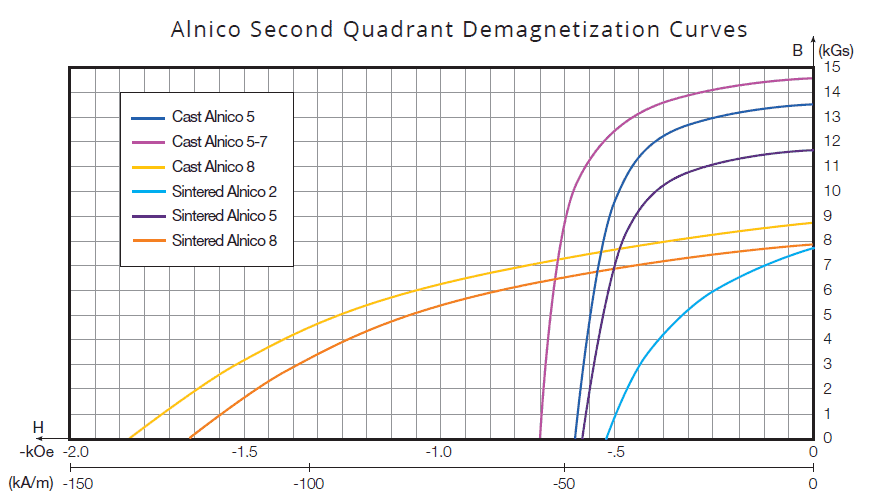
The second quadrant of the BH curve, commonly referred to as the “Demagnetization Curve”, describes the conditions under which permanent magnets are used in practice. A permanent magnet will have a unique, static operating point if air-gap dimensions are fixed and if any adjacent fields are held constant. Otherwise, the operating point will move about the demagnetization curve, the manner of which must be accounted for in the design of the device.

The three most important characteristics of the BH curve are the points at which it intersects the BH axes (at Br – the residual induction – and Hc – the coercive force – respectively), and the point at which the product of BH are at a maximum (BH max – the maximum energy product). Br represents the maxi- mum flux the magnet is able to produce under closed circuit conditions. In actual useful operation permanent magnets can only approach this point. Hc represents the point at which the magnet becomes demagnetized under influence of an externally applied magnetic field. BH max represents the point at which the product of BH, and the energy density of the magnetic field into the air gap surrounding the magnet, is at a maximum. The higher this product, the smaller need be the volume of the magnet. Designs should also account for the variation of the BH curve with temperature.

Measurement of BH curves requires specialist equipment. The most common types are DC Hyteresis graphs (Permeameter) where the magnet is driven around its BH loop in a DC electromagnet with sensing coils to the measure the BH of the magnet. Magnet Ap- plications has a temperature controlled permeameter which can BH curves at temperatures from ambient up to 150°C. We use this data to qualify our materials and to supply accurate material data for our design software.

Questions about magnets or packaging?

Send us your specifications or safety questions. Our engineering team will respond within 24 hours.

Contact Us

Magnet Assembly Considerations

The following points should be considered when designing magnet assemblies. Proper affixing, fastening, potting and welding methods protect both the magnets and the people handling them.

Supplier selection and manufacturing service process

The following points should be considered when designing magnet assemblies.

Affixing Magnets to Housings

Magnets can be successfully affixed to housings using adhesives. Cyanoacrylate adhesives which are rated to temperatures up to 180° C with fast cure times avoid the need for fixtures to hold the magnets in place while the bond cures. Adhesives with higher temperature ratings are also available, but these require oven curing and fixturing of the magnets to hold them in a vacuum. Potential outgassing of the adhesives should be considered.

Mechanical Fastening

When arrays of magnets must be assembled, especially when the magnets must be placed in repelling positions, it is very important to consider safety issues. Modern magnet materials such as the Rare Earths are extremely powerful, and when in repulsion they can behave as projectiles if adhesives were to break down. It is recommended that in these situations mechanical fastening be included in the design in addition to adhesives. Potential methods of mechanical retention include encasement, pinning, or strapping the magnets in place with non-magnetic metal components.

Potting

Magnet assemblies may be potted to fill gaps or to cover entire arrays of magnets. Potting compounds cure to hard and durable finishes and are available to resist a variety of environments, such as elevated temperatures, water flow, etc. When cured, the potting compounds may be machined to provide accurate finished parts.

Welding

Assemblies which are required to be hermetically sealed can be welded using either laser welding (which is not affected by the presence of magnetic fields) TIG welding (using appropriate shunting elements to reduce the effect of magnetic fields on the weld arc). Special care should be taken when welding magnetic assemblies so that heat dissipation of the weld does not affect the magnets.

Questions about magnets or packaging?

Send us your specifications or safety questions. Our engineering team will respond within 24 hours.

Contact Us

Permanent Magnet Stability & Changes

Permanent magnets can experience changes in performance due to circuit reluctance, adverse fields, shock, temperature, machining and coatings. Understanding these factors helps engineers design reliable magnetic systems.

Magnet performance changes with operating conditions Demagnetization factors illustrated Magnetic stability under temperature and field variations

Reluctance Changes

These changes occur when a magnet is subjected to permeance changes such as changes in air gap dimensions during operation. These changes will change the reluctance of the circuit, and may cause the magnet’s operating point to fall below the knee of the curve, causing partial and/or irreversible losses. The extent of these losses depend upon the material properties and the extent of the permeance change. Stabilization may be achieved by pre-exposure of the magnet to the expected reluctance changes.

Adverse Fields

External magnetic fields in repulsion modes will produce a demagnetizing effect on permanent magnets. Rare Earth magnets with coercive forces exceeding 15KOe are difficult to affect in this manner. However, Alnico which has a lower coercive force will encounter magnetic losses in the presence of any magnetic repelling force, including similar magnets. Applications involving Ceramic magnets with coercive forces of 4KOe should be carefully evaluated in order to assess the effect of external magnetic fields.

Shock, Stress and Variation

Below destructive limits, these effects are very minor on modern magnet materials. However, rigid mag- net materials are brittle in nature and can be easily damaged or chipped by improper handling. Samarium Cobalt in particular is a fragile material and special handling precautions must be taken to avoid damage. Thermal shock when Ceramics and Samarium Cobalt magnets are exposed to high temperature gradients can cause fractures within the material and should be avoided.

Physical Characteristics and Machining of Magnets

Sintered Samarium Cobalt and Ceramic magnets exhibit small cracks within the material that occur dur- ing the sintering process. Provided that cracks do not extend more than halfway through a section, they do not normally affect the operation of the magnet. This is also true from small chips that may occur during machining and handling of these magnets, especially on sharp edges. Magnets may be tumbled to break the edges, this is done to avoid “feathering’ of sharp edges due to the brittle nature of materials. Tumbling can achieve edge breaks of 0.003” to 0.010”. Although sintered NdFeB is relatively tough as com- pared to Samarium Cobalt and Ceramic, it is still brittle and care must be taken in handling. Bonded NdFeB is not as brittle as the sintered materials but it is softer and must be handled with care as well. Because of these inherent material characteristics, it is not advisable to use any permanent magnet material as a structural component of an assembly.
Rare Earth, Alnico, and Ceramic magnets are machined by grinding, which may considerably affect the magnet cost. Maintaining simple geometries and wide tolerances is therefore desirable from an economic point of view. Rectangular or round sections are preferable to complex shapes. Square holes (even with large radii) and very small holes are difficult to machine and should be avoided. Magnets may be ground to virtually any specified tolerance. However, to reduce cost, tolerances of less than 0.001” should be avoided if possible.
Cast Alnico materials exhibit porosity as a natural con- sequence of the casting process. This may become a problem with small shapes which are machined out of larger casting, but can account for a large portion of the smaller fabricated magnets. This may cause a problem where uniformity or low variation is critical and it may be advisable either to use a sintered Alnico or another material. In spite of its slightly lower magnetic properties, sintered Alnico may yield a higher or more uniform net density, resulting in equal or higher magnetic output.
In applications where the cosmetic qualities of the magnet are of a concern, special attention should be placed on selecting the appropriate material, since cracks, chips, pores, and voids are common in rigid magnet materials.

Coatings

Samarium Cobalt, Alnico, and Ceramic materials are corrosion resistant and do not require to be coated against corrosion. Alnico is easily plated for cosmetic qualities and Ceramics may be coated to seal the surface which will otherwise be covered by a thin film of ferrite powder.
NdFeB magnets, both sintered and bonded, are susceptible to corrosion and consideration should be given to the operating environment to determine if coating is necessary. Nickel or tin plating may be used for NdFeB magnets, however, the material must be properly prepared and the plating process properly controlled for successful plating.
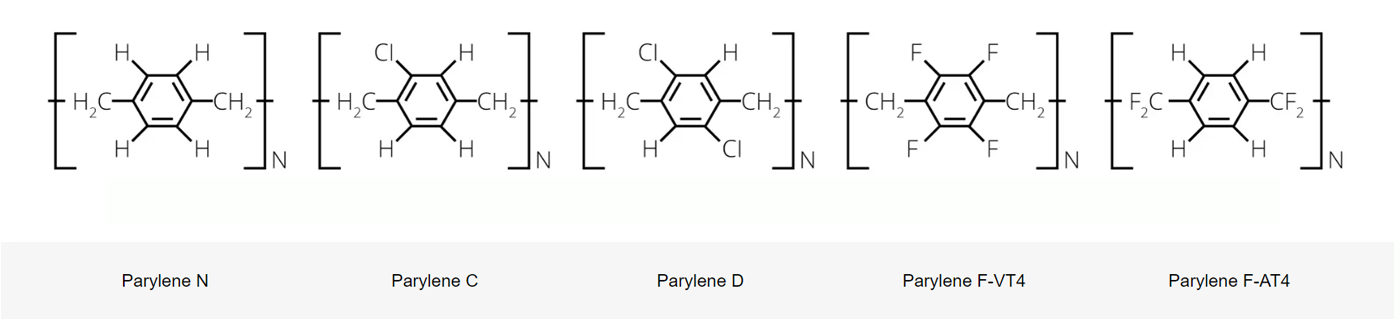
Aluminum Chromate or Cadmium Chromate vacuum deposition (PVD) is a successful process that can provide a coating thickness as low as 0.0003”. Teflon, Parylene, various epoxies and other organic coatings are relatively inexpensive and are also successful as NdFeB coatings. A further option for critical applications is to apply two types of protective coatings or to encase the magnet in a stainless steel or other housing to reduce the chances of corrosion.
The effectiveness of coatings on customer’s parts can be tested in Magnet Applications Temperature and Humidity Controlled Environmental Chamber. For further information please contact our sales team.

Questions about magnets or packaging?

Send us your specifications or safety questions. Our engineering team will respond within 24 hours.

Contact Us
Home/Contact Us

Request a Magnet Quote

Engineering Support Within 24 Hours

From prototype quantities to 10M+ annual production volumes, our application engineers are ready to support your program. Send specifications, drawings, or target performance metrics for a detailed quotation and technical proposal within one business day.

Ningbo Empire showroom and meeting facility

Request a Quote

Fields marked * are required. Our application engineers respond within 24 hours (GMT+8).

PDF / STEP / DXF / DWG / image / ZIP · Max 10MB · Optional — or describe dimensions in the message below.

RFQ Received — Thank You!

Your inquiry has been sent to our engineering team. Expect a detailed technical and commercial response within 24 hours (GMT+8). A copy has been emailed to you.

Send another inquiry
Home/Products/Magnetic Materials/Neodymium (NdFeB) Magnets

Sintered Neodymium Magnets (NdFeB)

N35–N52EH · Custom Shapes · 8+ Coating Technologies

Ningbo Empire manufactures the complete spectrum of sintered NdFeB permanent magnets — the most powerful commercially available magnetic material with energy products reaching 52 MGOe. Our vertically integrated powder metallurgy process delivers grades from standard N35 to ultra-high-temperature N52EH, with dimensional tolerances to ±0.02 mm. Long-term supply partners to EV traction motor programs, consumer electronics OEMs, and industrial automation manufacturers across 15+ countries.

Request NdFeB Quote
52 MGOe
Max Energy Product
N35-N52
Grade Range
200°C
Max Operating Temp (EH)
8+
Coating Options
Material Overview

What Are NdFeB Magnets?

Sintered Neodymium-Iron-Boron (NdFeB) is the third-generation rare earth permanent magnet material. Discovered independently by General Motors and Sumitomo in 1984, NdFeB offers the highest magnetic energy density of any permanent magnet material — up to 10x stronger than ferrite magnets of equivalent size.

Composition

Nd₂Fe₁₄B Crystal Structure

The tetragonal Nd₂Fe₁₄B phase provides the fundamental magnetism. Additives like Dysprosium (Dy) and Terbium (Tb) enhance coercivity for high-temperature grades. Total rare earth content: 28-33% by weight.

NeodymiumIronBoronDysprosium
Processing

Powder Metallurgy Route

Manufactured via powder metallurgy: alloy melting → hydrogen decrepitation → jet milling (3-5μm) → magnetic field pressing → vacuum sintering (1080°C) → heat treatment → machining → coating → magnetization.

SinteredAnisotropicPowder Route
Limitations

Temperature & Corrosion Sensitivity

NdFeB loses magnetic strength rapidly above 80-200°C depending on grade. The high iron content (~65%) makes it prone to oxidation — protective coating is mandatory for most environments. Not suitable for >200°C without design compromise.
Coating RequiredTemp SensitiveBrittle
NdFeB Grades

NdFeB Magnets Grades And Properties

Comprehensive grade list with typical magnetic properties, measured at 20°C per IEC 60404-8-1. Click PDF to download the demagnetization curve and full specification sheet for each grade.

Name Download Grade Br
mT (kGs)
Hcb
kA/m (kOe)
Hcj
kA/m (kOe)
(BH)max
kJ/m³ (MGOe)
αBr
%/°C
βHcj
%/°C
S-NdFeB 280/96 PDF N35 1180-1230 (11.8-12.3) ≥876 (≥11) ≥955 (≥12) 263-287 (33-36) 0.10-0.124 0.65-0.80
S-NdFeB 300/96 N38 1230-1260 (12.3-12.6) ≥899 (≥11.3) ≥955 (≥12) 287-310 (36-39) 0.10-0.124 0.65-0.80
S-NdFeB 320/96 N40 1260-1290 (12.6-12.9) ≥912 (≥11.5) ≥955 (≥12) 302-326 (38-41) 0.10-0.124 0.65-0.80
S-NdFeB 335/96 N42 1290-1330 (12.9-13.3) ≥923 (≥11.6) ≥955 (≥12) 318-342 (40-43) 0.10-0.124 0.65-0.80
S-NdFeB 360/96 N45 1330-1370 (13.3-13.7) ≥931 (≥11.7) ≥955 (≥12) 342-366 (43-46) 0.10-0.124 0.65-0.80
S-NdFeB 380/96 N48 1370-1400 (13.7-14.0) ≥939 (≥11.8) ≥955 (≥12) 366-390 (46-49) 0.10-0.124 0.65-0.80
S-NdFeB 400/96 N50 1390-1430 (13.9-14.3) ≥947 (≥11.9) ≥955 (≥12) 374-406 (47-51) 0.10-0.124 0.65-0.80
S-NdFeB 415/96 N52 1420-1460 (14.2-14.6) ≥947 (≥11.9) ≥955 (≥12) 390-414(49-52) 0.10-0.124 0.65-0.80
S-NdFeB 430/96 N54 1450-1490 (14.5-14.9) ≥912 (≥11.5) ≥955 (≥12) 406-438 (51-55) 0.10-0.124 0.65-0.80
S-NdFeB 445/96 N56 1480-1520 (14.6-15.2) ≥860 (≥10.8) ≥876 (≥11) 422-454 (52-57) 0.10-0.124 0.65-0.80
S-NdFeB 280/111 35M 1180-1230 (11.8-12.3) ≥899 (≥11.3) ≥1114 (≥14) 263-287 (33-36) 0.10-0.124 0.60-0.75
S-NdFeB 300/111 PDF 38M 1230-1260 (12.3-12.6) ≥923 (≥11.6) ≥1114 (≥14) 287-310 (36-39) 0.10-0.124 0.60-0.75
S-NdFeB 320/111 40M 1260-1290 (12.6-12.9) ≥947 (≥11.9) ≥1114 (≥14) 302-326 (38-41) 0.10-0.124 0.60-0.75
S-NdFeB 335/111 42M 1290-1330 (12.9-13.3) ≥971 (≥12.2) ≥1114 (≥14) 318-342 (40-43) 0.10-0.124 0.60-0.75
S-NdFeB 360/111 45M 1330-1370 (13.3-13.7) ≥1002 (≥12.6) ≥1114 (≥14) 342-366 (43-46) 0.10-0.124 0.60-0.75
S-NdFeB 380/111 48M 1370-1400 (13.7-14.0) ≥1027 (≥12.9) ≥1114 (≥14) 366-390 (46-49) 0.10-0.124 0.60-0.75
S-NdFeB 400/111 50M 1390-1430 (13.9-14.3) ≥1035 (≥13.0) ≥1114 (≥14) 374-406 (47-51) 0.10-0.124 0.60-0.75
S-NdFeB 415/111 52M 1420-1460 (14.2-14.6) ≥995 (≥12.5) ≥1114 (≥14) 390-414(49-52) 0.10-0.124 0.60-0.75
S-NdFeB 430/111 54M 1450-1490 (14.5-14.9) ≥995 (≥12.5) ≥1114 (≥14) 406-438 (51-55) 0.10-0.124 0.60-0.75
S-NdFeB 240/135 30H 1080-1140 (10.8-11.4) ≥827 (≥10.4) ≥1353 (≥17) 223-247 (28-31) 0.09-0.120 0.55-0.70
S-NdFeB 260/135 33H 1140-1180 (11.4-11.8) ≥860 (≥10.8) ≥1353 (≥17) 247-271 (31-34) 0.09-0.120 0.55-0.70
S-NdFeB 280/135 PDF 35H 1180-1230 (11.8-12.3) ≥899 (≥11.3) ≥1353 (≥17) 263-287 (33-36) 0.09-0.120 0.55-0.70
S-NdFeB 300/135 38H 1230-1260 (12.3-12.6) ≥923 (≥11.6) ≥1353 (≥17) 287-310 (36-39) 0.09-0.120 0.55-0.70
S-NdFeB 320/135 PDF 40H 1260-1290 (12.6-12.9) ≥947 (≥11.9) ≥1353 (≥17) 302-326 (38-41) 0.09-0.120 0.55-0.70
S-NdFeB 335/135 42H 1290-1330 (12.9-13.3) ≥971 (≥12.2) ≥1353 (≥17) 318-342 (40-43) 0.09-0.120 0.55-0.70
S-NdFeB 360/135 PDF 45H 1330-1370 (13.3-13.7) ≥1003 (≥12.6) ≥1353 (≥17) 342-366 (43-46) 0.09-0.120 0.55-0.70
S-NdFeB 380/135 PDF 48H 1370-1400 (13.7-14.0) ≥1035 (≥13.0) ≥1353 (≥17) 366-390 (46-49) 0.09-0.120 0.55-0.70
S-NdFeB 400/135 PDF 50H 1390-1430 (13.9-14.3) ≥1058 (≥13.3) ≥1353 (≥17) 374-406 (47-51) 0.09-0.120 0.55-0.70
S-NdFeB 415/127 PDF 52H 1420-1460 (14.2-14.6) ≥1074 (≥13.5) ≥1353 (≥17) 390-414(49-52) 0.09-0.120 0.55-0.70
S-NdFeB 430/127 54H 1450-1490 (14.5-14.9) ≥1074 (≥13.5) ≥1274 (≥16) 406-438 (51-55) 0.09-0.120 0.55-0.70
S-NdFeB 240/159 30SH 1080-1140 (10.8-11.4) ≥827 (≥10.4) ≥1592 (≥20) 223-247 (28-31) 0.09-0.120 0.50-0.65
S-NdFeB 260/159 33SH 1140-1180 (11.4-11.8) ≥860 (≥10.8) ≥1592 (≥20) 247-271 (31-34) 0.09-0.120 0.50-0.65
S-NdFeB 280/159 PDF 35SH 1180-1230 (11.8-12.3) ≥899 (≥11.3) ≥1592 (≥20) 263-287 (33-36) 0.09-0.120 0.50-0.65
S-NdFeB 300/159 PDF 38SH 1230-1260 (12.3-12.6) ≥923 (≥11.6) ≥1592 (≥20) 287-310 (36-39) 0.09-0.120 0.50-0.65
S-NdFeB 320/159 PDF 40SH 1260-1290 (12.6-12.9) ≥947 (≥11.9) ≥1592 (≥20) 302-326 (38-41) 0.09-0.120 0.50-0.65
S-NdFeB 335/159 PDF 42SH 1290-1330 (12.9-13.3) ≥971 (≥12.2) ≥1592 (≥20) 318-342 (40-43) 0.09-0.120 0.50-0.65
S-NdFeB 335/167 PDF N42SH-HRE 1310-1330 (13.1-13.3) ≥1020 (≥12.8) ≥1671 (≥21.0) 333-341 (42.0-43.0) -0.125 -0.600
S-NdFeB 360/159 PDF 45SH 1330-1370 (13.3-13.7) ≥1003 (≥12.6) ≥1592 (≥20) 342-366 (43-46) 0.09-0.120 0.50-0.65
S-NdFeB 380/159 PDF 48SH 1370-1400 (13.7-14.0) ≥1035 (≥13.0) ≥1592 (≥20) 366-390 (46-49) 0.09-0.120 0.50-0.65
S-NdFeB 400/159 PDF 50SH 1390-1430 (13.9-14.3) ≥1058 (≥13.3) ≥1592 (≥20) 374-406 (47-51) 0.09-0.120 0.50-0.65
S-NdFeB 430/175 PDF N54SH 1460-1480 (14.6-14.8) ≥1136 (≥14.3) ≥1751 (≥22.0) 413-421 (52.0-53.0) -0.120 -0.600
S-NdFeB 415/159 52SH 1420-1460 (14.2-14.6) ≥1074 (≥13.5) ≥1512 (≥19) 390-414(49-52) 0.09-0.120 0.50-0.65
S-NdFeB 220/199 PDF 28UH 1040-1090 (10.4-10.9) ≥780 (≥9.8) ≥1990 (≥25) 207-231 (26-29) 0.09-0.110 0.50-0.60
S-NdFeB 240/199 30UH 1080-1140 (10.8-11.4) ≥827 (≥10.4) ≥1990 (≥25) 223-247 (28-31) 0.09-0.110 0.50-0.60
S-NdFeB 260/199 PDF 33UH 1140-1180 (11.4-11.8) ≥860 (≥10.8) ≥1990 (≥25) 247-271 (31-34) 0.09-0.110 0.50-0.60
S-NdFeB 280/199 PDF 35UH 1180-1230 (11.8-12.3) ≥899 (≥11.3) ≥1990 (≥25) 263-287 (33-36) 0.09-0.110 0.50-0.60
S-NdFeB 300/199 PDF 38UH 1230-1260 (12.3-12.6) ≥923 (≥11.6) ≥1990 (≥25) 287-310 (36-39) 0.09-0.110 0.50-0.60
S-NdFeB 320/199 PDF 40UH 1260-1290 (12.6-12.9) ≥947 (≥11.9) ≥1990 (≥25) 302-326 (38-41) 0.09-0.110 0.50-0.60
S-NdFeB 335/199 PDF 42UH 1290-1330 (12.9-13.3) ≥971 (≥12.2) ≥1990 (≥25) 318-342 (40-43) 0.09-0.110 0.50-0.60
S-NdFeB 360/199 PDF 45UH 1330-1370 (13.3-13.7) ≥1003 (≥12.6) ≥1990 (≥25) 342-366 (43-46) 0.09-0.110 0.50-0.60
S-NdFeB 380/199 PDF 48UH 1360-1400 (13.6-14.0) ≥1035 (≥13.0) ≥1990 (≥25) 358-390 (45-49) 0.09-0.110 0.50-0.60
S-NdFeB 415/207 PDF N52UH 1440-1460 (14.4-14.6) ≥1120 (≥14.1) ≥2069 (≥26.0) 402-410 (50.5-51.5) -0.115 -0.500
S-NdFeB 220/239 28EH 1040-1090 (10.4-10.9) ≥780 (≥9.8) ≥2388 (≥30) 207-231 (26-29) 0.09-0.110 0.45-0.55
S-NdFeB 240/239 PDF 30EH 1080-1140 (10.8-11.4) ≥827 (≥10.4) ≥2388 (≥30) 223-247 (28-31) 0.09-0.110 0.45-0.55
S-NdFeB 260/239 33EH 1140-1180 (11.4-11.8) ≥860 (≥10.8) ≥2388 (≥30) 247-271 (31-34) 0.09-0.110 0.45-0.55
S-NdFeB 280/239 PDF 35EH 1180-1230 (11.8-12.3) ≥899 (≥11.3) ≥2388 (≥30) 263-287 (33-36) 0.09-0.110 0.45-0.55
S-NdFeB 300/239 PDF 38EH 1230-1260 (12.3-12.6) ≥923 (≥11.6) ≥2388 (≥30) 287-310 (36-39) 0.09-0.110 0.45-0.55
S-NdFeB 320/239 40EH 1260-1290 (12.6-12.9) ≥947 (≥11.9) ≥2388 (≥30) 302-326 (38-41) 0.09-0.110 0.45-0.55
S-NdFeB 335/239 42EH 1290-1330 (12.9-13.3) ≥971 (≥12.2) ≥2388 (≥30) 318-342 (40-43) 0.09-0.110 0.45-0.55
S-NdFeB 360/231 45EH 1330-1370 (13.3-13.7) ≥1003 (≥12.6) ≥2308 (≥29) 342-366 (43-46) 0.09-0.110 0.45-0.55
S-NdFeB 360/287 PDF N45AH 1340-1350 (13.4-13.5) ≥1039 (≥13.1) ≥2865 (≥36.0) 342-350 (43.0-44.0) -0.115 -0.400
S-NdFeB 400/247 PDF N50EH 1410-1430 (14.1-14.3) ≥1097 (≥13.8) ≥2467 (≥31.0) 385-392 (48.5-49.2) -0.115 -0.450
S-NdFeB 220/279 PDF 28TH 1040-1090 (10.4-10.9) ≥780 (≥9.8) ≥2786 (≥35) 207-231 (26-29) 0.09-0.110 0.40-0.50
S-NdFeB 240/279 30TH 1080-1140 (10.8-11.4) ≥827 (≥10.4) ≥2786 (≥35) 223-247 (28-31) 0.09-0.110 0.40-0.50
S-NdFeB 260/279 33TH 1140-1180 (11.4-11.8) ≥860 (≥10.8) ≥2786 (≥35) 247-271 (31-34) 0.09-0.110 0.40-0.50
S-NdFeB 280/279 PDF 35TH 1180-1230 (11.8-12.3) ≥899 (≥11.3) ≥2786 (≥35) 263-287 (33-36) 0.09-0.110 0.40-0.50
S-NdFeB 300/279 PDF 38TH 1230-1260 (12.3-12.6) ≥923 (≥11.6) ≥2786 (≥35) 287-310 (36-39) 0.09-0.110 0.40-0.50
S-NdFeB 320/279 40TH 1260-1290 (12.6-12.9) ≥947 (≥11.9) ≥2786 (≥35) 302-326 (38-41) 0.09-0.110 0.40-0.50
S-NdFeB 335/270 PDF 42TH 1290-1330 (12.9-13.3) ≥971 (≥12.2) ≥2706 (≥34) 318-342 (40-43) 0.09-0.110 0.40-0.50
S-NdFeB 415/135 G-52H 1430-1460 (14.3-14.6) ≥1074 (≥13.5) ≥1353 (≥17) 398-422(50-53) 0.11-0.13 0.60-0.70
S-NdFeB 437/135 G-55H 1460-1500 (14.6-15.0) ≥1098 (≥13.8) ≥1353 (≥17) 421-446 (53-56) 0.11-0.13 0.60-0.70
S-NdFeB 380/159 G-48SH 1370-1400(13.7-14.0) ≥1035 (≥13.0) ≥1600(≥20) 366-390(46-49) 0.11-0.13 0.60-0.65
S-NdFeB 400/159 PDF G-50SH 1400-1430 (14.0-14.3) ≥1058 (≥13.3) ≥1600(≥20) 374-406(47-51) 0.11-0.13 0.60-0.65
S-NdFeB 415/159 G-52SH 1430-1460 (14.3-14.6) ≥1074 (≥13.5) ≥1600(≥20) 398-422(50-53) 0.11-0.13 0.60-0.65
S-NdFeB 437/159 G-55SH 1460-1500 (14.6-15.0) ≥1098 (≥13.8) ≥1600(≥20) 421-446 (53-56) 0.11-0.13 0.60-0.65
S-NdFeB 335/199 G-42UH 1290-1330(12.9-13.3) ≥971 (≥12.2) ≥1990(≥25) 318-342(40-43) 0.11-0.12 0.50-0.60
S-NdFeB 360/199 PDF G-45UH 1330-1370(13.3-13.7) ≥1003(≥12.6) ≥1990(≥25) 342-366(43-46) 0.11-0.12 0.50-0.60
S-NdFeB 380/199 PDF G-48UH 1370-1400(13.7-14.0) ≥1035 (≥13.0) ≥1990(≥25) 366-390(46-49) 0.11-0.12 0.50-0.60
S-NdFeB 400/199 G-50UH 1400-1430 (14.0-14.3) ≥1058 (≥13.3) ≥1990(≥25) 374-406(47-51) 0.11-0.12 0.50-0.60
S-NdFeB 415/199 G-52UH 1430-1460 (14.3-14.6) ≥1074 (≥13.5) ≥1990(≥25) 398-422(50-53) 0.11-0.12 0.50-0.60
S-NdFeB 260/239 G-33EH 1140-1180(11.4-11.8) ≥860 (≥10.8) ≥2388(≥30) 247-271(31-34) 0.10-0.12 0.45-0.55
S-NdFeB 280/239 PDF G-35EH 1180-1230(11.8-12.3) ≥899 (≥11.3) ≥2388(≥30) 263-287(33-36) 0.10-0.12 0.45-0.55
S-NdFeB 300/239 PDF G-38EH 1230-1260(12.3-12.6) ≥923 (≥11.6) ≥2388(≥30) 287-310(36-39) 0.10-0.12 0.45-0.55
S-NdFeB 320/239 G-40EH 1260-1290(12.6-12.9) ≥947 (≥11.9) ≥2388(≥30) 302-326(38-41) 0.10-0.12 0.45-0.55
S-NdFeB 335/239 G-42EH 1290-1330(12.9-13.3) ≥971 (≥12.2) ≥2388(≥30) 318-342(40-43) 0.10-0.12 0.45-0.55
S-NdFeB 360/239 G-45EH 1330-1370(13.3-13.7) ≥1003 (≥12.6) ≥2388(≥30) 342-366(43-46) 0.10-0.12 0.45-0.55
S-NdFeB 380/239 G-48EH 1370-1400(13.7-14.0) ≥1035 (≥13.0) ≥2388(≥30) 366-390(46-49) 0.10-0.12 0.45-0.55
S-NdFeB 400/239 G-50EH 1400-1430 (14.0-14.3) ≥1035 (≥13.0) ≥2388(≥30) 374-406(47-51) 0.10-0.12 0.45-0.55
S-NdFeB 260/279 G-33TH 1140-1180(11.4-11.8) ≥860 (≥10.8) ≥2785(≥35) 247-271(31-34) 0.095-0.11 0.42-0.52
S-NdFeB 280/279 PDF G-35TH 1180-1230(11.8-12.3) ≥899 (≥11.3) ≥2785(≥35) 263-287(33-36) 0.095-0.11 0.42-0.52
S-NdFeB 300/279 PDF G-38TH 1230-1260(12.3-12.6) ≥923(≥11.6) ≥2785(≥35) 287-310(36-39) 0.095-0.11 0.42-0.52
S-NdFeB 320/279 G-40TH 1260-1290(12.6-12.9) ≥947 (≥11.9) ≥2785(≥35) 302-326(38-41) 0.095-0.11 0.42-0.52
S-NdFeB 335/279 PDF G-42TH 1290-1330(12.9-13.3) ≥971(≥12.2) ≥2785(≥35) 318-342(40-43) 0.095-0.11 0.42-0.52
S-NdFeB 360/279 G-45TH 1330-1370(13.3-13.7) ≥1003 (≥12.6) ≥2706(≥34) 342-366(43-46) 0.095-0.11 0.42-0.52
S-NdFeB 430/135 G-54H 1440-1470 (14.4-14.7) ≥1074 (≥13.5) ≥1353 (≥17) 398-422 (50-53) 0.09-0.12 0.55-0.70
S-NdFeB 445/135 G-56H 1460-1500 (14.6-15.0) ≥1074 (≥13.5) ≥1274 (≥16) 406-438 (51-55) 0.09-0.12 0.55-0.70
S-NdFeB 430/159 G-54SH 1440-1470 (14.4-14.7) ≥1074 (≥13.5) ≥1592 (≥20) 398-422 (50-53) 0.09-0.12 0.50-0.65
S-NdFeB 445/151 G-56SH 1460-1480 (14.6-14.8) ≥1035 (≥13.0) ≥1512 (≥19) 406-438 (51-55) 0.09-0.12 0.50-0.65
S-NdFeB 430/191 G-54UH 1430-1470 (14.3-14.7) ≥1035 (≥13.0) ≥1910 (≥24) 390-422 (49-53) 0.09-0.11 0.50-0.60
Grade Selection

Available NdFeB Grades

Choose by maximum operating temperature: standard (≤80°C), medium (≤100°C), high (≤120°C), super-high (≤150°C), ultra-high (≤180°C), extreme (≤200°C).

N-Grade (≤80°C)

Standard Performance

Highest magnetic output at room temperature. Ideal for consumer electronics, sensors, and indoor applications.

N35N38N40N42N45N48N50N52
M-Grade (≤100°C)

Medium Temperature Stability

Moderate coercivity for applications with mild temperature exposure. Motors, actuators, and automotive sensors.

N30MN33MN35MN38MN40MN42MN45MN48M
H-Grade (≤120°C)

High Coercivity

Enhanced resistance to demagnetization. Suitable for industrial motors, generators, and higher-temperature environments.

N30HN33HN35HN38HN40HN42HN44HN46H
SH-Grade (≤150°C)

Superior Heat Resistance

High coercivity for demanding environments. EV traction motors, wind turbines, and industrial servo applications.

N30SHN33SHN35SHN38SHN40SHN42SH
UH/EH-Grade (≤180-200°C)

Ultra-High Temperature

Maximum coercivity with Dysprosium/Terbium additions. Aerospace, oil drilling, and extreme environment applications.

N28UHN30UHN35UHN28EHN30EHN35EH
Coating Options

Surface Protection Technology

Every NdFeB magnet requires a protective coating. We offer 8+ coating types for environments ranging from clean indoor to marine and chemical exposure.

Ni-Cu-Ni (Standard)

Triple-layer nickel-copper-nickel. 15-21μm. Silver metallic finish. Excellent general-purpose protection. Salt spray: 48-72 hours.

DefaultIndoorConsumer

Zinc (Zn)

Electroplated zinc. 8-12μm. Matte silver finish. Adhesion superior to Ni. Salt spray: 24-48 hours. Cost-effective for automotive.

AutomotiveMotorAdhesive

Epoxy

Spray-coated epoxy resin. 15-25μm. Black or grey. 96-120hr salt spray. Best for marine, chemical, and outdoor environments.

MarineChemicalOutdoor

Gold / Parylene

Gold plating (0.5μm) for medical implants. Parylene-C (5-10μm) for biocompatibility. Thin, conformal, FDA-compliant options.

MedicalBiocompatibleFDA

Phosphate / Passivation

Chemical conversion coating + passivation. 2-5μm. Pre-bonding treatment. Improves epoxy and glue adhesion significantly.

Pre-bondingAssembly

Everlube / PTFE

Dry-film lubricant coating. 5-10μm. Low friction, hydrophobic. Specialized for moving magnet assemblies and bearing applications.

BearingLow FrictionSpecialty
Key Applications

Applications of NdFeB Magnets

From electrified mobility to precision medical imaging, NdFeB magnets deliver the highest magnetic energy product available in a permanent magnet.

Neodymium magnets are the strongest commercially available permanent magnets and are found wherever maximum magnetic force per unit volume is required. Common uses include high-efficiency electric motors, generators, sensors, actuators, and consumer electronics. Their high coercivity grades (SH/UH/EH/TH) also enable reliable performance at elevated operating temperatures.

EV Traction Motors

EV Traction Motors

Wind Power Generators

Wind Power Generators

Consumer Electronics

Consumer Electronics

Industrial Servos & Automation

Industrial Servos & Automation

Medical MRI & Devices

Medical MRI & Devices

Sensors & Actuators

Sensors & Actuators

Technical Downloads

NdFeB Resources & Specifications

Download sintered NdFeB grade specification sheets with demagnetization curves, tested per IEC 60404-8-1. Each sheet contains the full property table and typical B-H characteristics.

H Series High Coercivity

Max operating temperature 120°C. Reliable demagnetization resistance for motors and generators in elevated heat.

SH Series Super High Coercivity

Max operating temperature 150°C. The industry standard for automotive traction motors and wind power generators.

UH Series Ultra High Coercivity

Max operating temperature 180°C. Designed for EV motors, high-temperature sensors and compact actuators.

EH Series Extra High Coercivity

Max operating temperature 200°C. Withstands extreme heat and strong opposing demagnetizing fields.

TH Series Top High Coercivity

Max operating temperature 230°C. The highest temperature grades for EV drive motors and demanding automotive applications.

Home/Products/Magnetic Materials/Ferrite (Ceramic) Magnets

Ferrite (Ceramic) Magnets

Y25–Y40 Grades · Cost-Effective Permanent Magnets

The workhorse of the permanent magnet industry. Ferrite magnets account for over 75% of global magnet production by weight. Excellent corrosion resistance, high electrical resistivity, and unbeatable cost-performance ratio for high-volume applications.

Request Ferrite Quote
4.4 kGs
Max Remanence
250°C
Max Operating Temp
~$2/kg
Raw Material Cost
75%
Global Magnet Market Share
Material Overview

What Are Ferrite Magnets?

Ferrite (ceramic) magnets are composed of iron oxide (Fe₂O₃) and barium or strontium carbonate. They are the most widely used permanent magnets due to their low cost, excellent corrosion resistance, and high electrical resistivity. Strontium ferrite (SrFe₁₂O₁₉) is the dominant variant for permanent magnet applications.

Composition

Strontium Hexaferrite

SrFe₁₂O₁₉ with magnetoplumbite crystal structure. No rare earth elements — purely iron oxide + strontium carbonate. Raw materials abundant and inexpensive.

Iron OxideStrontiumNo Rare Earth
Key Advantage

Unmatched Economics

Cost per unit of magnetic energy is the lowest of all permanent magnet materials. Raw material ~$2/kg vs ~$60/kg for NdFeB. Ideal for high-volume production.

Lowest CostAbundant MaterialsMass Production
Physical Properties

Hard, Brittle, Corrosion-Free

Hard ceramic material (Mohs ~5-6) with zero corrosion. Can be used without coating. Electrically insulating — no eddy current losses in AC motors.

No CoatingInsulatorBrittle
Chinese Standard (GB/T 24437)

Ferrite Magnet Grades — Chinese Standard (Y Series)

Measured per GB/T 24437 (equiv. IEC 60404-8-1). 27 grades from Y8T to Y40 covering all standard isotropic and anisotropic ferrite magnets. Values shown are typical ranges.

GradeBr
mT (kGs)
Hcb
kA/m (kOe)
Hcj
kA/m (kOe)
(BH)max
kJ/m³ (MGOe)
Y8T200-235 (2.0-2.35)125-160 (1.57-2.01)210-280 (2.64-3.52)6.5-9.5 (0.8-1.2)
Y10T200-235 (2.0-2.35)128-160 (1.61-2.01)210-280 (2.64-3.52)6.4-9.6 (0.8-1.2)
Y20320-380 (3.2-3.8)135-190 (1.70-2.39)140-195 (1.76-2.45)18.0-22.0 (2.3-2.8)
Y22H310-360 (3.1-3.6)220-250 (2.76-3.14)280-320 (3.52-4.02)20.0-24.0 (2.5-3.0)
Y23320-370 (3.2-3.7)170-190 (2.14-2.39)190-230 (2.39-2.89)20.0-25.5 (2.5-3.2)
Y25360-400 (3.6-4.0)135-170 (1.70-2.14)140-200 (1.76-2.51)22.5-28.0 (2.8-3.5)
Y26H360-390 (3.6-3.9)220-250 (2.76-3.14)225-255 (2.83-3.20)23.0-28.0 (2.9-3.5)
Y26H-1360-390 (3.6-3.9)200-250 (2.51-3.14)225-255 (2.83-3.20)23.0-28.0 (2.9-3.5)
Y26H-2360-380 (3.6-3.8)263-288 (3.30-3.62)318-350 (4.00-4.40)24.0-28.0 (3.0-3.5)
Y27H370-400 (3.7-4.0)205-250 (2.58-3.14)210-255 (2.64-3.20)25.0-29.0 (3.1-3.6)
Y28370-400 (3.7-4.0)175-210 (2.20-2.64)180-220 (2.26-2.76)26.0-30.0 (3.3-3.8)
Y28H-1380-400 (3.8-4.0)240-260 (3.02-3.27)250-280 (3.14-3.52)27.0-30.0 (3.4-3.8)
Y28H-2360-380 (3.3-3.8)271-295 (3.41-3.71)382-405 (4.80-5.09)26.0-30.0 (3.3-3.8)
Y30370-400 (3.7-4.0)175-210 (2.20-2.64)180-220 (2.26-2.76)26.0-30.0 (3.3-3.8)
Y30BH380-390 (3.8-3.9)223-235 (2.80-2.95)231-245 (2.90-3.08)27.0-30.0 (3.4-3.8)
Y30H-1380-400 (3.8-4.0)230-275 (2.89-3.46)235-290 (2.95-3.64)27.0-32.0 (3.4-4.0)
Y30H-2395-415 (3.95-4.15)275-300 (3.46-3.77)310-335 (3.90-4.21)27.0-32.5 (3.4-4.1)
Y32400-420 (4.0-4.2)160-190 (2.01-2.39)165-195 (2.07-2.45)30.0-33.5 (3.8-4.2)
Y32H-1400-420 (4.0-4.2)190-230 (2.39-2.89)230-250 (2.89-3.14)31.5-35.0 (4.0-4.4)
Y32H-2400-440 (4.0-4.4)224-240 (2.81-3.02)230-250 (2.89-3.14)31.0-34.0 (3.9-4.3)
Y33410-430 (4.1-4.3)220-250 (2.76-3.14)225-255 (2.83-3.20)31.5-35.0 (4.0-4.4)
Y33H410-430 (4.1-4.3)250-270 (3.14-3.39)250-275 (3.14-3.46)31.5-35.0 (4.0-4.4)
Y34420-440 (4.2-4.4)200-230 (2.51-2.89)205-235 (2.58-2.95)32.5-36.0 (4.1-4.5)
Y35430-450 (4.3-4.5)215-239 (2.70-3.00)217-241 (2.73-3.03)33.1-38.2 (4.2-4.8)
Y36430-450 (4.3-4.5)247-271 (3.10-3.41)250-274 (3.14-3.44)35.1-38.3 (4.4-4.8)
Y38440-460 (4.4-4.6)285-305 (3.58-3.83)294-310 (3.69-3.90)36.6-40.6 (4.6-5.1)
Y40440-460 (4.4-4.6)330-354 (4.15-4.45)340-360 (4.27-4.52)37.5-41.8 (4.7-5.3)
American Standard (MMPA)

Ferrite Magnet Grades — American Standard (C Series)

American MMPA standard grades commonly used in the USA and UK. Being progressively replaced by Chinese standard designations. Values shown are typical.

GradeBr
mT (kGs)
Hcb
kA/m (kOe)
Hcj
kA/m (kOe)
(BH)max
kJ/m³ (MGOe)
C1230 (2.300)148 (1.86)258 (3.50)8.36 (1.05)
C5380 (3.80)191 (2.40)199 (2.50)27.0 (3.40)
C7340 (3.40)258 (3.23)318 (4.00)21.9 (2.75)
C8 / C8A385 (3.85)235 (2.95)242 (3.05)27.8 (3.50)
C8B420 (4.20)232 (2.91)236 (2.96)32.8 (4.12)
C9380 (3.80)280 (3.52)320 (4.01)26.4 (3.32)
C10400 (4.00)280 (3.52)284 (3.57)30.04 (3.82)
European Standard (IEC 60404-8-1)

Ferrite Magnet Grades — European Standard (HF Series)

European IEC 60404-8-1 standard designations. Minimum/typical values shown. Cross-reference: C5 = Y30 = HF26/18, C8/C8A = Y30H-1.

GradeBr
mT (kGs)
Hcb
kA/m (kOe)
Hcj
kA/m (kOe)
(BH)max
kJ/m³ (MGOe)
HF8/22200/220 (2.00/2.20)125/140 (1.57/1.76)220/230 (2.76/2.89)6.5/6.8 (0.8/1.1)
HF20/19320/333 (3.20/3.33)170/190 (2.14/2.39)190/200 (2.39/2.51)20.0/21.0 (2.5/2.7)
HF20/28310/325 (3.10/3.25)220/230 (2.76/2.89)280/290 (3.52/3.64)20.0/21.0 (2.5/2.7)
HF22/30350/365 (3.50/3.65)255/265 (3.20/3.33)290/300 (3.64/3.77)22.0/23.5 (2.8/3.0)
HF24/16350/365 (3.50/3.65)155/175 (1.95/2.20)160/180 (2.01/2.26)24.0/25.5 (3.0/3.2)
HF24/23350/365 (3.50/3.65)220/230 (2.76/2.89)230/240 (2.89/3.01)24.0/25.5 (3.0/3.2)
HF24/35360/370 (3.60/3.70)260/270 (3.27/3.39)350/360 (4.40/4.52)24.0/25.5 (3.0/3.2)
HF26/16370/380 (3.70/3.80)155/175 (1.95/2.20)160/180 (2.01/2.26)26.0/27.0 (3.2/3.4)
HF26/18370/380 (3.70/3.80)175/185 (2.20/2.33)180/190 (2.26/2.39)26.0/27.0 (3.3/3.4)
HF26/24370/380 (3.70/3.80)230/240 (2.89/3.01)240/250 (3.01/3.14)26.0/27.0 (3.3/3.4)
HF26/26370/380 (3.70/3.80)230/240 (2.89/3.01)260/270 (3.27/3.39)26.0/27.0 (3.3/3.4)
HF26/30385/395 (3.85/3.95)260/270 (3.27/3.39)300/310 (3.77/3.89)26.0/27.0 (3.3/3.4)
HF28/26385/395 (3.85/3.95)250/265 (3.14/3.33)260/275 (3.27/3.45)28.0/30.0 (3.5/3.8)
HF28/28385/395 (3.85/3.95)260/270 (3.27/3.39)280/290 (3.50/3.60)28.0/30.0 (3.5/3.8)
HF30/26395/405 (3.95/4.05)250/260 (3.14/3.33)260/270 (3.27/3.39)30.0/31.5 (3.8/3.9)
HF32/17410/420 (4.10/4.20)160/170 (2.01/2.14)165/175 (2.07/2.20)32.0/33.0 (4.0/4.1)
HF32/22410/420 (4.10/4.20)215/225 (2.70/2.83)220/230 (2.76/2.89)32.0/33.0 (4.0/4.1)
HF32/25410/420 (4.10/4.20)240/250 (3.01/3.14)250/260 (3.14/3.27)32.0/33.0 (4.0/4.1)
Quick Cross Reference

Ferrite Grade Cross-Reference Guide

Equivalent designations across Chinese (Y), American (C), European (HF), and legacy Feroba standards.

CN ↔ US

Chinese ↔ American

C1 = Y10T / Y8T
C5 = Y30
C7 = Y26H-2
C8/C8A = Y30H-1
C8B = Y33
C9 = Y30H-2
C10 = Y33H
C11 = Y34
C12 = Y30H-2

CN ↔ EU

Chinese ↔ European

Y30 = HF26/18
Y30H-1 = HF24/23 (approx.)
Y33 = HF32/22 (approx.)
Y33H = HF32/25 (approx.)
Y25 = HF24/16 (approx.)

US ↔ Legacy

American ↔ Feroba

C5 = Feroba 2 = Fer 2
C8/C8A = Feroba 3 = Fer 3
C1 = Feroba 1 (approx.)

Physical Characteristics

Ferrite Magnet Physical Properties (Typical)

Key physical and thermal properties of sintered ferrite (ceramic) magnets.

CharacteristicSymbolUnitValue
DensityDg/cc4.9 – 5.1
Vickers HardnessHvD.P.N400 – 700
Compression StrengthC.S.N/mm²680 – 720
Coefficient of Thermal Expansion (∥)C∥10⁻⁶/°C15
Coefficient of Thermal Expansion (⊥)C⊥10⁻⁶/°C10
Specific Heat CapacitycJ/kg·°C795 – 855
Electrical ResistivityρμΩ·cm1 × 10¹⁰
Thermal ConductivitykW/cm·°C0.029
Tensile StrengthσUTSPa34 × 10⁶
Flexural StrengthσPa62 × 10⁶
Hardness (Mohs)Mohs7
Poisson's Ratioν0.28
Curie TemperatureTc°C450
Rev. Temp. Coeff. of Induction (Br)α%/°C−0.2
Rev. Temp. Coeff. of Intrinsic Coercivity (Hci)β%/°C+0.27
TOLERANCES

Dimensional Tolerances

±3% is common. ±0.25 mm is also widely used. Available tolerance depends on magnet size and shape.

CORROSION

Corrosion Resistance

Excellent. Ferrite magnets are made from iron oxide and cannot corrode in water. Often described as "magnetic rust." No coating required.

TEMP

Working Temperature

Maximum: +250 to +300°C. Minimum varies with shape and circuit, from −60°C to 0°C. Application affects actual performance.

Manufacturing Process

How Ferrite Magnets Are Made

Two distinct manufacturing methods produce ferrite magnets with different property profiles. We offer both.

DRY

Dry Pressing

Ferrite powder compacted dry in a die at 100-200 MPa. Without magnetic field: isotropic (weaker, magnetizable in any direction). With magnetic field: anisotropic (stronger, preferred direction). Lower cost, suitable for simple shapes like discs and blocks.

WET

Wet Pressing

Ferrite powder mixed with water to form slurry, then pressed in a magnetic field. Better particle alignment → higher remanence and energy product. More expensive but yields superior magnetic properties. Used for high-performance anisotropic grades (Y35, Y40).

SINTER

Sintering at 1,200-1,250°C

Pressed compacts are sintered in air (no vacuum needed — a major cost advantage over NdFeB). Shrinkage of 15-20% during sintering is compensated in tooling design. Post-sinter grinding achieves final dimensions.

Key Applications

Applications of Ferrite Magnets

Cost-effective, corrosion-resistant, and thermally stable — ferrite (ceramic) magnets are the workhorse magnet for high-volume everyday products and industrial systems.

Ferrite magnets offer an excellent balance of magnetic performance, cost, and corrosion resistance. They do not require protective coatings and perform reliably in damp or outdoor environments, making them ideal for automotive subsystems, household appliances, audio equipment, magnetic separation, and consumer products produced in large quantities.

Loudspeakers & Audio

Loudspeakers & Audio

Automotive DC Motors

Automotive DC Motors

Household Appliances

Household Appliances

Magnetic Separation

Magnetic Separation

Toys, Tools & DC Drives

Toys, Tools & DC Drives

Meters & Hall Sensors

Meters & Hall Sensors

Technical Downloads

Ferrite Resources & Specifications

Download the complete ferrite magnet datasheet with all grade properties, demagnetization curves, cross-reference guide, and physical characteristics.

Complete Datasheet All Standards

Full 4-page datasheet covering Chinese (Y8T–Y40), American (C1–C10), and European (HF8/22–HF32/25) standard grades with demagnetization curves, physical properties, and cross-reference guide.

Home/Products/Magnetic Materials/Samarium Cobalt (SmCo) Magnets

Samarium Cobalt (SmCo) Magnets

SmCo₅ & Sm₂Co₁₇ · 300°C High-Temperature Grades

The go-to magnet when NdFeB can't handle the heat. Operating temperatures up to 300°C with minimal flux loss. No coating required — inherently corrosion resistant. Trusted by aerospace, defense, and medical device manufacturers worldwide.

Request SmCo Quote
300°C
Max Operating Temp
30 MGOe
Max Energy Product
0.03 %/°C
Reversible Temp Coeff.
No Coating
Corrosion Resistance
Material Overview

What Are SmCo Magnets?

Samarium Cobalt (SmCo) is a rare earth permanent magnet material with the best temperature stability and corrosion resistance of any commercial magnet. Two families exist: SmCo₅ (1:5 type, developed 1970s) and Sm₂Co₁₇ (2:17 type, higher energy product). Both offer exceptional performance in harsh environments where NdFeB fails.

SmCo₅ (1:5)

Simplicity & Reliability

Single-phase SmCo₅ with moderate energy product (16-22 MGOe) but the highest coercivity. Easier to magnetize and more predictable in extreme environments. Preferred for precision instruments.

16-22 MGOeHighest HciSingle Phase
Sm₂Co₁₇ (2:17)

Higher Energy Output

Multi-phase Sm₂Co₁₇ with precipitation-hardened cellular structure. Higher energy product (22-30 MGOe) than 1:5 type. Dominant choice for motors, generators, and high-power applications.

22-30 MGOePrecipitation HardenedMotor Grade
Key Advantage

Set It and Forget It

Reversible temperature coefficient of remanence: -0.03%/°C (vs -0.12%/°C for NdFeB). That means SmCo loses only 3% of its flux going from 20°C to 120°C — NdFeB loses ~12%. Critical for precision sensors and instruments.

Ultra-StableNo CoatingCorrosion-Proof
Magnetic Properties

SmCo Property Comparison

SmCo₅ vs Sm₂Co₁₇ properties. Measured at 20°C per IEC and MMPA standards.

PropertySmCo₅ (18)SmCo₅ (22)Sm₂Co₁₇ (26)Sm₂Co₁₇ (30)Unit
Remanence (Br)8.5-9.09.0-10.010.5-11.011.0-11.5kGs
Coercivity (Hcb)7.5-8.58.0-9.09.5-10.010.0-10.5kOe
Intrinsic Coercivity (Hci)≥15≥15≥18≥20kOe
Max Energy Product (BH)max17-2020-2325-2828-30MGOe
Max Operating Temp250250300300°C
Density8.28.28.48.4g/cm³
Curie Temperature700720820820°C
Temp Coeff. (Br)-0.045-0.045-0.030-0.030%/°C
SmCo Grades

SmCo Magnets Grades And Properties

Comprehensive grade list with typical magnetic properties. Click PDF to download the demagnetization curve and full specification sheet for each grade.

Name Download Grade Br
mT (kGs)
Hcb
kA/m (kOe)
Hcj
kA/m (kOe)
(BH)max
kJ/m³ (MGOe)
αBr
%/°C
βHcj
%/°C
Sm2Co17 63/199 S10H 580-710 (5.8-7.1) ≥422 (≥5.3) ≥1990 (≥25) 63-95 (8-12) 0.03 0.2
Sm2Co17 79/199 S12H 650-760 (6.5-7.6) ≥478 (≥6.0) ≥1990 (≥25) 79-111 (10-14) 0.03 0.2
Sm2Co17 95/199 S14H 710-830 (7.1-8.3) ≥525 (≥6.6) ≥1990 (≥25) 95-127 (12-16) 0.03 0.2
Sm2Co17 119/199 S16H 790-860 (7.9-8.6) ≥589 (≥7.4) ≥1990 (≥25) 119-143 (15-18) 0.03 0.2
Sm2Co17 135/199 S18H 830-890 (8.3-8.9) ≥605 (≥7.6) ≥1990 (≥25) 135-159 (17-20) 0.03 0.2
Sm2Co17 151/199 S20H 870-930 (8.7-9.3) ≥653 (≥8.2) ≥1990 (≥25) 151-175 (19-22) 0.03 0.2
Sm2Co17 159/199 PDF S22H 910-980 (9.1-9.8) ≥693 (≥8.7) ≥1990 (≥25) 159-183 (20-23) 0.03 0.2
Sm2Co17 175/199 PDF S24H 960-1030 (9.6-10.3) ≥724 (≥9.1) ≥1990 (≥25) 175-199 (22-25) 0.03 0.2
Sm2Co17 191/199 PDF S26H 1010-1060 (10.1-10.6) ≥733 (≥9.2) ≥1990 (≥25) 191-215 (24-27) 0.03 0.2
Sm2Co17 207/199 PDF S28H 1040-1090 (10.4-10.9) ≥749 (≥9.4) ≥1990 (≥25) 207-231 (26-29) 0.03 0.2
Sm2Co17 222/199 PDF S30H 1080-1110 (10.8-11.1) ≥773 (≥9.7) ≥1990 (≥25) 222-247 (28-31) 0.035 0.2
Sm2Co17 239/199 PDF S32H 1120-1160 (11.2-11.6) ≥812 (≥10.2) ≥1990 (≥25) 239-263 (30-33) 0.038 0.2
Sm2Co17 247/199 S34H 1150-1180 (11.5-11.8) ≥835 (≥10.5) ≥1990 (≥25) 247-270 (31-34) 0.04 0.25
Sm2Co17 255/199 S35H 1170-1200 (11.7-12.0) ≥860 (≥10.8) ≥1990 (≥25) 255-278 (32-35) 0.04 0.25
Sm2Co17 63/159 S10 580-710 (5.8-7.1) ≥422 (≥5.3) ≥1592 (≥20) 63-95 (8-12) 0.03 0.2
Sm2Co17 79/159 S12 650-760 (6.5-7.6) ≥478 (≥6.0) ≥1592 (≥20) 79-111 (10-14) 0.03 0.2
Sm2Co17 95/159 S14 710-830 (7.1-8.3) ≥525 (≥6.6) ≥1592 (≥20) 95-127 (12-16) 0.03 0.2
Sm2Co17 119/159 S16 790-860 (7.9-8.6) ≥589 (≥7.4) ≥1592 (≥20) 119-143 (15-18) 0.03 0.2
Sm2Co17 135/159 S18 830-890 (8.3-8.9) ≥605 (≥7.6) ≥1592 (≥20) 135-159 (17-20) 0.03 0.2
Sm2Co17 151/159 S20 870-930 (8.7-9.3) ≥653 (≥8.2) ≥1592 (≥20) 151-175 (19-22) 0.03 0.2
Sm2Co17 159/159 S22 910-980 (9.1-9.8) ≥693 (≥8.7) ≥1592 (≥20) 159-183 (20-23) 0.03 0.2
Sm2Co17 175/159 S24 960-1030 (9.6-10.3) ≥724 (≥9.1) ≥1592 (≥20) 175-199 (22-25) 0.03 0.2
Sm2Co17 191/159 S26 1010-1060 (10.1-10.6) ≥733 (≥9.2) ≥1592 (≥20) 191-215 (24-27) 0.03 0.2
Sm2Co17 207/159 S28 1040-1090 (10.4-10.9) ≥749 (≥9.4) ≥1592 (≥20) 207-231 (26-29) 0.03 0.2
Sm2Co17 222/159 S30 1080-1110 (10.8-11.1) ≥773 (≥9.7) ≥1592 (≥20) 222-247 (28-31) 0.035 0.2
Sm2Co17 231/159 S32 1100-1130 (11.2-11.5) ≥804 (≥10.2) ≥1592 (≥20) 231-255 (29-32) 0.038 0.2
Sm2Co17 239/159 S33 1120-1160 (11.2-11.6) ≥812 (≥10.2) ≥1592 (≥20) 239-263 (30-33) 0.038 0.2
Sm2Co17 247/159 S34 1150-1180 (11.5-11.8) ≥835 (≥10.5) ≥1592 (≥20) 247-270 (31-34) 0.04 0.25
Sm2Co17 255/159 S35 1170-1200 (11.7-12.0) ≥860 (≥10.8) ≥1592 (≥20) 255-278 (32-35) 0.04 0.25
Sm2Co17 175/80 S24M 960-1030 (9.6-10.3) 597-756 (7.5-9.5) 796-1273 (10-16) 175-199 (22-25) 0.03 0.2
Sm2Co17 191/80 PDF S26M 1010-1060 (10.1-10.6) 597-820 (7.5-10.3) 796-1273 (10-16) 191-215 (24-27) 0.03 0.2
Sm2Co17 207/80 PDF S28M 1040-1090 (10.4-10.9) 621-836 (7.8-10.5) 796-1273 (10-16) 207-231 (26-29) 0.03 0.2
Sm2Co17 222/80 PDF S30M 1080-1110 (10.8-11.1) 621-836 (7.8-10.5) 796-1273 (10-16) 222-247 (28-31) 0.035 0.2
Sm2Co17 239/80 PDF S32M 1110-1150 (11.1-11.5) 717-844 (9.0-10.6) 796-1273 (10-16) 239-263 (30-33) 0.038 0.2
Sm2Co17 175/44 S24L 960-1030 (9.6-10.3) 438-716 (5.5-9) 478-796 (6-10) 175-199 (22-25) 0.03 0.2
Sm2Co17 191/44 S26L 1010-1060 (10.1-10.6) 438-716 (5.5-9) 478-796 (6-10) 191-215 (24-27) 0.03 0.2
Sm2Co17 207/44 S28L 1040-1090 (10.4-10.9) 438-716 (5.5-9) 478-796 (6-10) 207-231 (26-29) 0.03 0.2
Sm2Co17 222/44 S30L 1080-1120 (10.8-11.2) 438-757 (5.5-9.5) 478-796 (6-10) 222-247 (28-31) 0.035 0.2
Sm2Co17 231/44 S32L 1110-1150 (11.1-11.5) 438-757 (5.5-9.5) 478-796 (6-10) 231-255 (29-32) 0.038 0.2
Sm2Co17 151/199 HTS20H 870-930 (8.7-9.3) ≥653 (≥8.2) ≥1990 (≥25) 151-175 (19-22) 0.05 0.2
Sm2Co17 159/199 PDF HTS22H 910-980 (9.1-9.8) ≥693 (≥8.7) ≥1990 (≥25) 159-183 (20-23) 0.05 0.2
Sm2Co17 175/199 PDF HTS24H 960-1030 (9.6-10.3) ≥724 (≥9.1) ≥1990 (≥25) 175-199 (22-25) 0.05 0.2
Sm2Co17 103/159 LTS14 730-800 (7.3-8.0) ≥565 (≥7.1) ≥1592 (≥20) 103-127 (13-16) 0.005 (20°C-100°C)0.01 (20°C-200°C) 0.3
Sm2Co17 119/159 LTS16 790-860 (7.9-8.6) ≥613 (≥7.7) ≥1592 (≥20) 119-143 (15-18) 0.01 (20°C-100°C) 0.015 (20°C-200°C) 0.3
Sm2Co17 135/159 LTS18 830-890 (8.3-8.9) ≥645 (≥8.1) ≥1592 (≥20) 135-159 (17-20) 0.015 (20°C-100°C) 0.02 (20°C-200°C) 0.3
Sm2Co17 151/159 LTS20 870-930 (8.7-9.3) ≥653 (≥8.2) ≥1592 (≥20) 151-175 (19-22) 0.02 (20°C-100°C) 0.025 (20°C-200°C) 0.3
Sm2Co17 16/159 QS4 300-500 (3.0-5.0) ≥175 (≥2.2) ≥1592 (≥20) 16-48 (2-6) 0.03 0.2
Sm2Co17 32/159 QS6 500-700 (5.0-7.0) ≥287 (≥3.6) ≥1592 (≥20) 32-96 (4-12) 0.03 0.2
RECo5 119/199 PS16H 790-860 (7.9-8.6) ≥605 (≥7.6) ≥1990 (≥25) 119-143 (15-18) 0.05 0.3
RECo5 135/199 PS18H 840-910 (8.4-9.1) ≥645 (≥8.1) ≥1990 (≥25) 135-159 (17-20) 0.05 0.3
RECo5 151/199 PS20H 870-930 (8.7-9.3) ≥653 (≥8.2) ≥1990 (≥25) 151-175 (19-22) 0.05 0.3
RECo5 159/199 PS22H 910-980 (9.1-9.8) ≥693 (≥8.7) ≥1990 (≥25) 159-183 (20-23) 0.05 0.3
RECo5 175/199 PS24H 950-1010 (9.5-10.1) ≥717 (≥9.0) ≥1990 (≥25) 175-199 (22-25) 0.05 0.3
RECo5 111/159 PS14 710-830 (7.1-8.3) ≥541 (≥6.8) ≥1592 (≥20) 95-127 (12-16) 0.05 0.3
RECo5 119/159 PS16 790-860 (7.9-8.6) ≥605 (≥7.6) ≥1592 (≥20) 119-143 (15-18) 0.05 0.3
RECo5 135/159 PS18 840-910 (8.4-9.1) ≥645 (≥8.1) ≥1592 (≥20) 135-159 (17-20) 0.05 0.3
RECo5 151/159 PS20 870-930 (8.7-9.3) ≥653 (≥8.2) ≥1592 (≥20) 151-175 (19-22) 0.05 0.3
RECo5 159/159 PS22 910-980 (9.1-9.8) ≥693 (≥8.7) ≥1592 (≥20) 159-183 (20-23) 0.05 0.3
RECo5 175/159 PS24 950-1010 (9.5-10.1) ≥717 (≥9.0) ≥1592 (≥20) 175-199 (22-25) 0.05 0.3

Common Shapes of Samarium Cobalt Magnets

Samarium Cobalt Arc Magnets

Samarium Cobalt Arc Magnets

Samarium Cobalt Block Magnets

Samarium Cobalt Block Magnets

Samarium Cobalt Disc Magnets

Samarium Cobalt Disc Magnets

Samarium Cobalt Ring Magnets

Samarium Cobalt Ring Magnets

Samarium Cobalt Magnet Assemblies

Samarium Cobalt magnet assemblies combine Samarium Cobalt magnets with shafts, housings, sleeves, carriers, or other functional parts to create integrated magnetic components for specific applications. For projects that require better dimensional consistency, reduced assembly complexity, or closer coordination between magnetic performance and mechanical structure, this route can be more practical than sourcing raw magnets alone.

SmCo Magnet Assemblies

SmCo Magnet Assemblies

Magnetization Directions of Samarium Cobalt Magnets

Samarium Cobalt magnets require a stronger external magnetic field for saturation than Neodymium magnets, especially high-coercivity Sm2Co17 magnets. For this reason, they are typically magnetized by fast impulse magnetization before being used in their final applications. Magnetizing Samarium Cobalt magnets also requires magnetizing equipment with sufficient capacity to generate the necessary field strength.

Samarium Cobalt magnets have a preferred magnetization direction, and different pole configurations can be achieved as long as they do not conflict with the preset orientation direction. In practical applications, however, the design and capability of the magnetizing fixture often become the key factors that limit the achievable multipole magnetization pattern.

Axial Magnetization

Axial Magnetization

Diametrical Magnetization

Diametrical Magnetization

Radial Magnetization

Radial Magnetization

Diametrical Multipole Magnetization

Diametrical Multipole Magnetization

Applications of Samarium Cobalt Magnets

Samarium Cobalt magnets are widely used in demanding applications that require high magnetic performance, excellent temperature stability, and long-term reliability. They are especially suitable for products and systems operating in harsh environments where corrosion resistance and stable magnetic output are critical.

Medical Devices

Medical Devices

Aerospace Systems

Aerospace Systems

Industrial Automation

Industrial Automation

Automotive Sensors

Automotive Sensors

Energy & Power

Energy & Power

Scientific Instruments

Scientific Instruments

How to Choose the Right Samarium Cobalt Magnet

Choosing the right Samarium Cobalt magnet depends on several factors, including the required magnetic output, operating temperature, magnet shape, dimensional requirements, and magnetization direction. In many cases, magnetic performance, temperature capability, and corrosion resistance should be considered together during the selection process.

It is also important to determine whether SmCo5 or Sm2Co17 is more suitable for the application. SmCo5 magnets are generally easier to machine, while Sm2Co17 magnets are often selected when higher magnetic performance and more demanding high-temperature performance are required. Mechanical limitations, assembly conditions, and cost considerations may also affect the final choice.

If you need help selecting the right grade, material system, shape, or magnetization direction, feel free to contact us for technical support and product recommendations.

Compliance Support

Export Control Support for Samarium Cobalt Magnets

For projects involving export-controlled Samarium Cobalt magnets from China, planning the right supply path early can save time and reduce uncertainty. We aim to help customers move projects forward more smoothly by reviewing the application scenario, clarifying documentation needs, and discussing workable supply options at an early stage.

We have already been following these changes closely and continue to update related progress on our website as policies, licensing practices, and supply-chain conditions evolve. For some projects, supplying a finished magnetic assembly rather than raw magnet material may be a more practical option, especially when a clearer end-use presentation is important.

If you are sourcing Samarium Cobalt magnets from China, contact us early to discuss your application, documentation path, and whether a finished magnetic assembly may be the better solution for your project.

Technical Downloads

SmCo Resources & Specifications

PDF Catalog

SmCo Product Catalog

Complete SmCo₅ and Sm₂Co₁₇ specifications, shapes, and ordering information.

Home/Products/Magnetic Materials/Flexible Rubber Magnets

Flexible Rubber Magnets

Isotropic & Anisotropic · Multi-Pole Sheets, Strips & Profiles

Ferrite powder bonded in rubber or plastic — the only permanent magnet you can bend, cut with scissors, and form into custom shapes. Multi-pole magnetization enables unique designs impossible with rigid magnets.

Request Flexible Quote
0.5-8mm
Thickness Range
Multi-pole
Magnetization
24" Wide
Max Width
Cuttable
Tool-Free Shaping
Material Overview

What Are Flexible Magnets?

Flexible magnets are composite materials: ferrite magnet powder (SrFe₁₂O₁₉ or BaFe₁₂O₁₉) mixed with a thermoplastic or rubber binder (NBR, CPE, PVC, or polyolefin). The mixture is calendared or extruded into sheets, strips, or profiles, then magnetized — often in multi-pole patterns (alternating N-S-N-S).

Isotropic

Standard Flexible

Weaker magnetically (~0.5-1.0 MGOe) but can be magnetized in any direction. Lower cost, most common type. Used for signage, promotional items, and fridge magnets.

0.5-1.0 MGOeAny DirectionLow Cost
Anisotropic

High-Energy Flexible

Stronger (~1.0-1.7 MGOe) with preferred magnetization direction. Calendered under magnetic field for better particle alignment. Used for gaskets, seals, and motor components.

1.0-1.7 MGOePreferred DirectionIndustrial Grade
Multi-Pole

Patterned Magnetization

Alternating N-S poles on one face (2-16 poles/inch). Creates strong near-surface field but very short reach — the magnetic field drops rapidly with distance. Ideal for holding and closure applications.

2-16 PPIN-S-N-SShort Field
Available Formats

Shapes, Sizes & Configurations

Flexible magnets can be produced in virtually any form factor. Here are the most common.

Magnetic Sheets

Flat sheets in standard sizes up to 610mm wide. Thickness: 0.5-5mm. Available with adhesive backing, printable surface, or laminated with vinyl/PVC.

SignagePrint MediaCraft

Magnetic Strips

Continuous strips in standard widths (12.7mm, 19mm, 25.4mm, 50.8mm). Roll form up to 30m. Self-adhesive or plain. Extruded profiles with ribs, lips, or channels.

GasketsSealsClosures

Custom Die-Cut Shapes

Any 2D shape — logos, letters, geometric patterns. Die-cut from sheet stock with steel rule dies. Minimum feature size: ~3mm. Tooling cost: low.

LogosPromotionalCustom

Profiles & Channels

Extruded profiles with magnetic particles embedded in the polymer matrix. U-channels, C-channels, T-profiles. For refrigerator gaskets, door seals, and window closures.

RefrigeratorDoorsWindows
Key Applications
Product Line-Up

Flexible Magnet Product Forms

Ningbo Empire calenders and extrudes ferrite-polymer sheet, strip, and profile in six common formats — from plain magnetic base stock to print-ready and vehicle-grade laminates.

Plain

Magnetic Sheet (Plain-Mag)

Uncoated or UV-coated ferrite sheet magnetized single- or double-sided. The workhorse base material for lamination, die-cutting, and self-adhesive conversion. Bonds well to paper, films, and fabrics.

0.2–10 mmMax 1,524 mmUV Coated
Printable

Print-Mag Laminate

Plain-Mag laminated with white/colored PVC, PET, PP, or photo paper. Corrosion-resistant and flexible, it is fully compatible with digital, screen, and solvent printing plus post-cutting.

Mag Layer 0.2–1 mmPVC / PET / PPRolls 15/20/30 m
Inkjet

Inkjet Magnetic Media

PVC surface optimized for UV, weak-solvent, and eco-solvent inkjet. Waterproof matte or glossy finishes in standard and custom colors. Fast drying for high-speed digital print lines.

0.35–1 mm Total600–1,520 mmMatte & Glossy
Vehicle

Car Magnet

High-energy flexible magnet with a PP backing film (instead of UV coating) for anti-adhesion and outdoor weather resistance. Top surface is printed PVC or PET for durable vehicle signage.

PP Back FilmMax Width 1 mWeatherproof
Press

Press-Printed Sheets

Synthetic paper face stock laminated to flexible magnet for offset, flexographic, and laser printing. Ideal for point-of-sale sheets, magnetic business cards, and retail promotions.

0.25–0.5 mmSynthetic PaperSheet Fed
Desktop

Desktop & Craft Sheets

Small-format, easy-to-cut sheets for office displays, refrigerator magnets, educational aids, and craft projects. Can be scored with scissors, craft knives, or steel-rule dies.

A4 / Letter / CustomEasy CutNo Sharp Edges
Quick Spec Reference

Flexible Magnet Form Comparison

Same ferrite-rubber composite core, tailored to different converting and end-use requirements. All rolls are slit and sheeted to custom sizes on request.

Flexible Magnet Product Forms & Dimensions
Product FormMagnetic GradePrintable / Top SurfaceTotal ThicknessMax WidthTypical Roll Length
Magnetic Sheet (Plain)Isotropic / Semi / AnisotropicUV coating; ready for lamination0.2 – 10 mm1,524 mm (60")15 / 20 / 30 m
Print-Mag LaminateIsotropic / Semi / AnisotropicWhite/colored PVC, PET, PP, paper, photo paper0.3 – 2.0 mm1,524 mm (60")15 / 20 / 30 m
Inkjet MediaStandard or high-performancePVC waterproof matte / glossy0.35 – 1.0 mm600 mm – 1.52 mRolls
Car MagnetHigh-performancePrinted PVC or PET + PP backing film0.35 – 1.0 mm1,000 mmSheets / rolls
Press-Printed SheetStandard or high-performanceHigh-quality synthetic paper0.25 – 0.5 mmSheetsSheets / rolls
Desktop / Craft SheetIsotropicPlain, printable, or adhesive0.4 – 1.0 mmA4 / Letter / customPads / sheets
All dimensions are representative. Custom widths, slit rolls, die-cut shapes, and adhesive lamination are available on request. Contact a Ningbo Empire representative to match the right grade and thickness to your converting process.
Magnetic Performance

Typical Magnetic Properties

Flexible magnets are divided by orientation. Isotropic grades can be magnetized in any direction; anisotropic grades are calendered under an applied field for stronger, direction-dependent performance.

Typical Magnetic Properties of Flexible Ferrite Sheet
Grade TypeBr
kG / mT
Hc
kOe / kA/m
Hci
kOe / kA/m
(BH)max
MGOe / kJ/m³
Max Operating Temp.
Isotropic1.4 – 1.7
(140 – 170)
1.0 – 1.3
(80 – 104)
1.3 – 1.7
(104 – 136)
0.5 – 0.8
(4.0 – 6.4)
80 – 100 °C
Semi-Anisotropic1.8 – 2.1
(180 – 210)
1.4 – 1.7
(112 – 136)
1.8 – 2.2
(144 – 176)
0.8 – 1.1
(6.4 – 8.8)
80 – 100 °C
Anisotropic2.2 – 2.5
(220 – 250)
1.8 – 2.2
(144 – 176)
2.4 – 3.0
(192 – 240)
1.1 – 1.4
(8.8 – 11.2)
100 – 120 °C
Values are typical ranges for bonded ferrite-rubber calendered sheet. Actual values depend on ferrite loading, binder system, calendering direction, and magnetization pattern. Samples should be tested before final specification.

Where Flexible Magnets Shine

01

Signage & Display

Vehicle signs, point-of-purchase displays, magnetic whiteboards, and photo holders. Printable surface compatible with UV, solvent, and latex inks.

02

Sealing & Gasketing

Refrigerator door gaskets, HVAC seals, and enclosure EMI/RFI shielding. Magnetic closure with integrated air/water seal.

03

Promotional Products

Business card magnets, calendar magnets, and custom-shaped promotional giveaways. High perceived value, low production cost.

04

Education & Toys

Magnetic educational aids, building toys, science kits. Safe — no sharp edges, no small detached magnets.

AlNiCo Magnets

Cast & Sintered Grades 2-9 · 550°C Ultra-Stable Performance

The original permanent magnet material. AlNiCo (Aluminum-Nickel-Cobalt) offers the lowest reversible temperature coefficient of any magnet material (~0.02%/°C) and operates flawlessly up to 550°C. The definitive choice for precision instruments, sensors, and aerospace where magnetic stability is non-negotiable.

Request AlNiCo Quote
550°C
Max Operating Temp
9.0 MGOe
Max Energy Product
-0.02%/°C
Reversible Temp Coeff.
Since 1931
Technology Legacy
Material Overview

What Are AlNiCo Magnets?

AlNiCo is an iron-based alloy containing aluminum (8-12%), nickel (15-26%), cobalt (5-35%), plus copper and titanium. It was the strongest permanent magnet available before rare earth magnets were discovered. Today, AlNiCo is prized for its unmatched temperature stability — losing less than 5% flux when heated from 20°C to 300°C.

Cast AlNiCo

Near-Net Shape Formation

Molten alloy poured into sand or investment molds, then heat-treated in a magnetic field. Produces complex shapes impossible with sintering. Larger grain structure → higher remanence.

Complex ShapesHigh BrLarge Sizes
Sintered AlNiCo

Precision Powder Route

Powder metallurgy approach: pressed and sintered. Smaller, simpler shapes with tighter tolerances (±0.05mm). Better mechanical properties than cast. Lower cost for small parts.

±0.05mmSmall PartsTight Tolerances
Key Advantage

Magnetic "Set and Forget"

Reversible temperature coefficient: -0.02%/°C — the best of any permanent magnet. Irreversible losses are negligible under 550°C. The material of choice for precision moving-coil meters, watt-hour meters, and aerospace navigation.

-0.02%/°C550°CNo Irreversible Loss
Sintered Grades

Sintered AlNiCo Magnet Grades & Properties

Ningbo Empire supplies sintered AlNiCo grades 2, 5, and 8. Sintered AlNiCo offers tighter tolerances and better mechanical properties than cast, making it ideal for small precision parts such as sensors, meters, and miniature instruments.

Sintered AlNiCo – Available Grades
NEM GradeResidual Induction BrCoercive Force HcIntrinsic Coercive Force HciMaximum Energy Product (BH)maxMax. Operating Temp.*
Nominal
kG
Nominal
T
Nominal
Oe
Nominal
kA/m
Minimum
Oe
Minimum
kA/m
Nominal
MGOe
Nominal
kJ/m³
Nominal
°C
Nominal
°F
Alnico 27.00.7050040540431.512450°C840°F
Alnico 511.01.1060048600484.2534450°C840°F
Alnico 88.80.881,5301211,6001275.2542450°C840°F
* The listed maximum operating temperatures are based on an adequate Length to Diameter ratio or a properly designed magnetic circuit. The listed values are for reference and validation must occur before one chooses a design path. Please consult a Ningbo Empire technical representative before selecting or designing with AlNiCo magnet alloy.
Cast Grades

Cast AlNiCo Magnet Grades & Properties

Cast AlNiCo delivers higher remanence and energy product than sintered grades, with complex near-net shapes possible through sand or investment casting. Grades 5, 5B, 5 DG, 5-7, 8-HC, 8, 8B, 8C, and 9 cover applications from holding magnets to precision instruments.

Cast AlNiCo – Available Grades
NEM GradeResidual Induction BrCoercive Force HcIntrinsic Coercive Force HciMaximum Energy Product (BH)maxMax. Operating Temp.*
Nominal
kG
Nominal
T
Nominal
Oe
Nominal
kA/m
Minimum
Oe
Minimum
kA/m
Nominal
MGOe
Nominal
kJ/m³
Nominal
°C
Nominal
°F
Alnico 512.21.2260048630505.040500°C930°F
Alnico 5B12.21.2265052660535.544500°C930°F
Alnico 5 DG12.51.2569055700566.552500°C930°F
Alnico 5-713.01.3070056740597.560525°C980°F
Alnico 8-HC7.00.701,7501391,7501394.536525°C980°F
Alnico 88.20.821,5001191,6001275.040525°C980°F
Alnico 8B8.80.881,5001191,6501315.544525°C980°F
Alnico 8C9.00.901,3801101,4401157.560525°C980°F
Alnico 910.51.051,4101121,4401399.072525°C980°F
* The listed maximum operating temperatures are based on an adequate Length to Diameter ratio or a properly designed magnetic circuit. The listed values are for reference and validation must occur before one chooses a design path. Please consult a Ningbo Empire technical representative before selecting or designing with AlNiCo magnet alloy.
Temperature Stability

Reversible Temperature Coefficient

AlNiCo has the lowest reversible temperature coefficient of any permanent magnet material, which is why it remains the first choice for precision instruments and calibration standards.

Reversible Temperature Coefficient for Cast and Sintered AlNiCo
Temperature Range (°C)Induction Br (α) (%)/°CIntrinsic Coercivity Hci (β) (%)/°C
20°C to 150°C-0.02 to -0.03-0.02 to -0.03
α = Δ Br / Δ T × 100 (Br @ 20°C) [ΔT = 20°C – 150°C]
β = Δ Hci / Δ T × 100 (Hci @ 20°C) [ΔT = 20°C – 150°C]
Physical Characteristics

AlNiCo Magnet Physical Properties

Key mechanical, thermal, and electrical properties for cast and sintered AlNiCo. Values are typical and should be verified for your specific alloy and application.

AlNiCo Magnets – Physical Properties
PropertyUnitsValue Sintered AlNiCoValue Cast AlNiCo
Vickers HardnessHv440440-620
Densityg/cm³6.8 – 7.06.9 – 7.3
Curie Temp TC°C810 – 860740 – 860
Curie Temp TF°F1,400 – 1,5801,460 – 1,580
Specific ResistanceμΩ·Cm50-7045 – 75
Bending StrengthkN/mm²0.35 – 0.760.05 – 0.31
Tensile StrengthkN/mm²0.35-0.450.02 – 0.15
Thermal Expansion°C-1+11.0 to +12.4 ×10⁻⁶+11.0 to +13.0 ×10⁻⁶
The listed values are approximate and should be used as a reference. Any magnetic or physical characteristics should be substantiated before selecting a magnet material. Please engage a Ningbo Empire engineer before selecting a design path.
Critical Design Note

Low Coercivity = Special Handling Required

Unlike NdFeB and SmCo, AlNiCo has very low coercivity. This means it can be easily demagnetized if removed from its magnetic circuit or exposed to external fields. AlNiCo magnets MUST be magnetized AFTER assembly into the final magnetic circuit — never before. This is the #1 mistake engineers make when switching to AlNiCo.

DO

Magnetize After Assembly

Always magnetize the AlNiCo component after it is fully assembled into its keeper/yoke/magnetic circuit. This ensures full saturation.

DON'T

Handle Magnetized AlNiCo Near Ferrous Metal

A magnetized AlNiCo magnet can be partially demagnetized simply by bringing it near a steel plate or another magnet. Keep unmounted, magnetized AlNiCo in keepers.

DESIGN

Long Magnet Length Preferred

Because of low Hci, AlNiCo magnets need a long magnetic length relative to pole area (high L/D ratio). Typically L/D > 4 for stable operation.

Design Considerations

AlNiCo Design & Handling Guidelines

AlNiCo requires special handling due to its hardness, brittleness, and low coercivity. Follow these guidelines to avoid demagnetization and unnecessary machining cost.

Machining

Keep Shapes Simple

AlNiCo is hard and brittle and not suitable for drilling, tapping or conventional machining operations, so it is not usually used as a structural component in product design. We recommend selecting simple shapes when possible, fitting into slots rather than holes. Cross sections of less than 0.125″ (3.18 mm) should be avoided. Finishing increases cost, so if your application can use “as cast” or “as sintered” then cost will be lower.

Assembly

Mounting & Protection

For holding applications requiring mounting, or to protect the magnet, alnico assemblies such as rotors or magnetron magnets may be supplied with aluminum housings. Alnico may be painted for aesthetic reasons, like the ever popular red horseshoe magnet.

Magnetization

Magnetize After Assembly

A second quadrant demagnetization curve provides information about the magnetic characteristics of a magnet, including the magnetic field strength and how resistant it is to demagnetize. How it is used in a magnetic circuit will affect its performance. When a permanent magnet is fully magnetized, its magnetic domains are aligned. Certain conditions such as temperature and reverse magnetic fields can cause some of the domains to lose this alignment and reverse, triggering the magnet to lose some or all of its magnetic field.
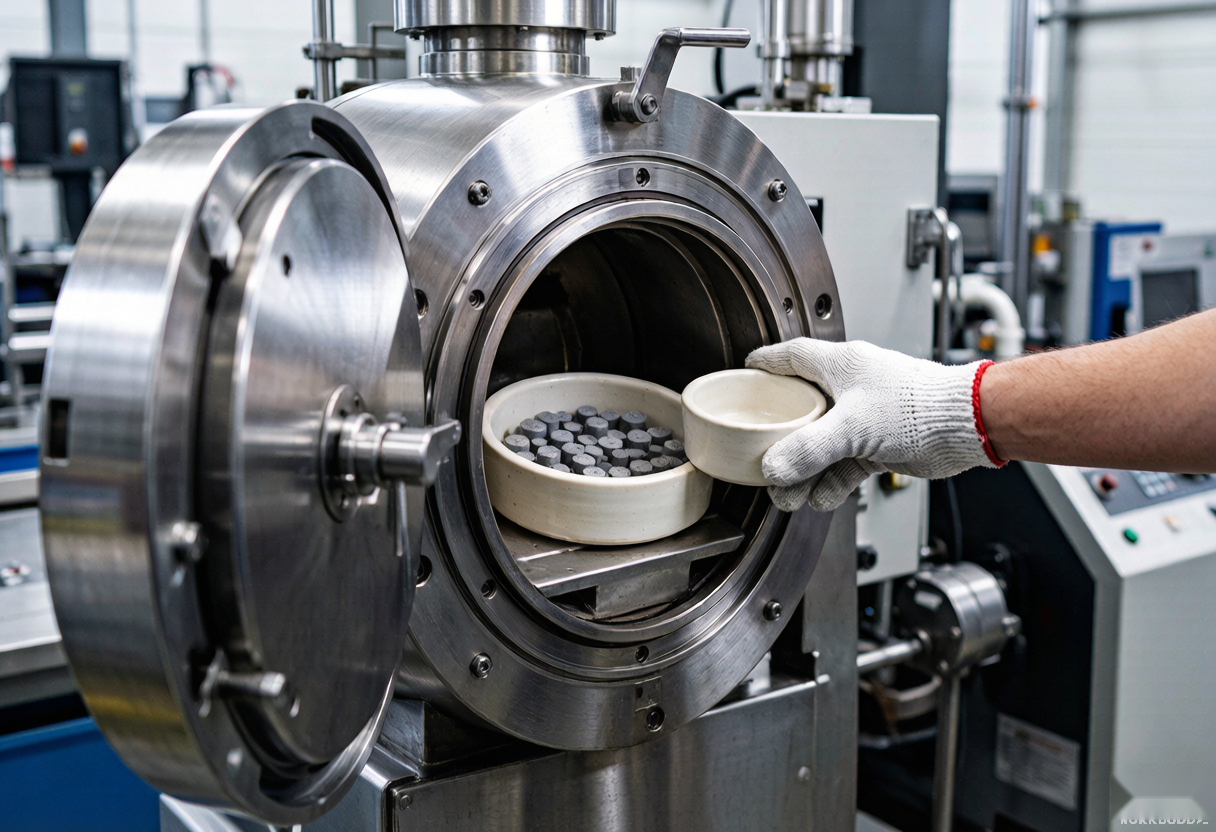
Demagnetization Curves

AlNiCo Second Quadrant Demagnetization Curves

Second quadrant demagnetization curves show the relationship between magnetic field strength (H) and flux density (B) for cast and sintered AlNiCo grades. Use this chart to estimate how a chosen grade behaves under opposing magnetic fields and elevated temperature.
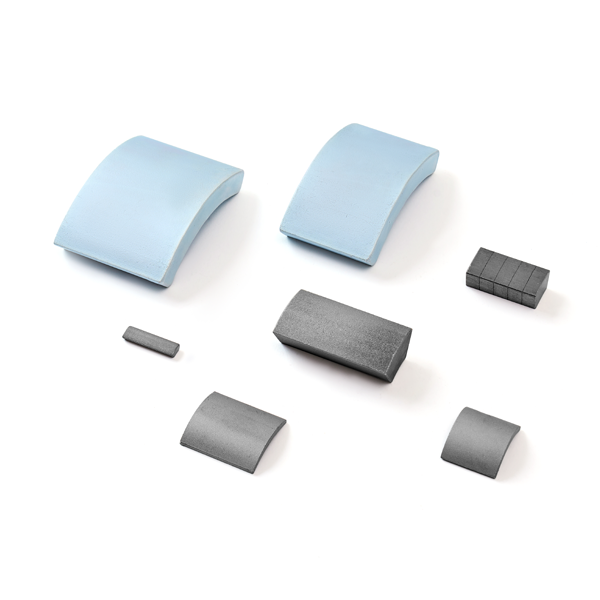
AlNiCo second quadrant demagnetization curves for cast and sintered grades

Cast AlNiCo 5 / 5-7 / 8 and Sintered AlNiCo 2 / 5 / 8 typical demagnetization curves at room temperature.

Key Applications

Applications of AlNiCo Magnets

From precision instrumentation to aerospace radar, AlNiCo magnets are chosen wherever magnetic stability across temperature extremes is non-negotiable.

AlNiCo magnets offer the lowest reversible temperature coefficient of any permanent magnet material, making them the preferred choice for analog instruments, electricity metering, and temperature-critical sensing. Their high remanence and stable fields from cryogenic temperatures up to 550°C also serve microwave tubes, reed switches, and educational holding applications where reliability must not drift.

Precision Moving-Coil Meters

Precision Moving-Coil Meters

Watt-Hour Electricity Meters

Watt-Hour Electricity Meters

Automotive Speed & Position Sensors

Automotive Speed & Position Sensors

Radar, Magnetrons & Microwave Tubes

Radar, Magnetrons & Microwave Tubes

Reed Switches & Security Sensors

Reed Switches & Security Sensors

Educational & Holding Magnets

Educational & Holding Magnets

Technical Downloads

AlNiCo Resources

PDF Catalog

AlNiCo Product Catalog

Cast and sintered AlNiCo specifications, standard shapes, and design guidelines.

Home/Industries/Automotive & EV

Automotive & EV Magnets

NdFeB Traction Motor Magnets · IATF 16949 Certified

Every electric vehicle contains 2-5kg of NdFeB magnets. From traction motors to position sensors — we supply automotive-grade magnets with full PPAP documentation, IATF 16949 certification, and zero-defect quality programs.

2-5 kg
NdFeB per EV
2M+
Motors Supplied
IATF 16949
Certified
PPAP L3
Documentation
EV traction motor with NdFeB arc magnets on the rotor
Applications

Where Our Magnets Power Vehicles

EV/HEV Traction Motors

Permanent magnet synchronous motors (PMSM) using N42SH-N48UH NdFeB magnets. High torque density with minimal cogging. Operating temp up to 180°C. Segmented arc magnets reduce eddy current losses.

PMSMArc MagnetsN48UH

Electric Power Steering (EPS)

NdFeB ring and arc magnets for EPS motors. High precision (±0.05mm) radial magnetization. N42SH-N45SH grades with thermal stability to 150°C.

EPSRing MagnetsN45SH

Position & Speed Sensors

SmCo and AlNiCo magnets for Hall effect, magnetoresistive (MR), and inductive sensors. Temperature-stable output with minimal drift from -40°C to +200°C.

Hall EffectMR SensorSmCo

Braking & Actuation

NdFeB and SmCo magnets for brake-by-wire actuators, transmission solenoids, and electronic parking brakes. High coercivity grades resist demagnetization from opposing fields.

Brake-by-WireSolenoidEPB

Fuel Systems & Pumps

Ferrite and bonded NdFeB magnets for fuel pump motors, water pumps, and HVAC blowers. Cost-effective grades for high-volume production.

Fuel PumpWater PumpHVAC

ADAS & Autonomous Systems

Precision SmCo magnets for LiDAR scanning mirrors and radar antenna positioning. Ultra-low temperature coefficient for stable calibration across all weather conditions.

LiDARRadarADAS
Automotive Quality

Automotive-Grade Quality System

Supplying traction-motor programs for global Tier-1s requires more than magnets — it requires process proof. Our automotive workflow mirrors what Eaton and BorgWarner audit for.

IATF 16949 End to End

APQP, PPAP Level 3, MSA, and SPC govern every automotive lot. Control plans link each magnet characteristic to a verified inspection method.

Demagnetization Validation

Every automotive grade is validated by oven-aging flux-loss testing at duty temperature — N42SH, N48UH, and N40EH lots ship with aging curves.

Eddy-Current Engineering

Segmented and laminated magnet stacks cut rotor losses by up to 30%. We co-design segmentation geometry with your motor engineers.

Traceability to the Melt

QR-coded lots trace back to alloy melt, sintering batch, coating line, and operator — full genealogy available within minutes, not days.

Home/Industries/Consumer Electronics

Consumer Electronics Magnets

Micro NdFeB for Speakers, Haptics & Camera Modules

From the haptic motor in your smartphone to the speaker in your earbuds — miniature NdFeB magnets enable the devices that define modern life. We produce magnets as small as 1mm diameter with ±0.02mm tolerance.

1 mm
Min Size
±0.02mm
Tolerance
10M+
Speakers Shipped
N52
Grade Available
Consumer electronics built with precision micro magnets

Audio: Speakers & Headphones

NdFeB ring and disc magnets for dynamic drivers. N42-N52 grades for maximum flux density in constrained volumes. Custom magnetization for acoustic optimization.

DriversN52Ring

Haptic Feedback Motors

Micro NdFeB magnets for linear resonant actuators (LRA) and eccentric rotating mass (ERM) motors. Precision arc and block magnets for compact motor designs.

LRAERMMicro

Camera Autofocus & OIS

Ultra-miniature SmCo and NdFeB magnets for voice coil motors (VCM) in smartphone camera modules. Temperature-stable for consistent autofocus across operating range.

VCMOISAutofocus

Wireless Charging Alignment

Ferrite and NdFeB ring magnets for MagSafe-style magnetic alignment in wireless charging systems. Multi-pole magnetization for precise device positioning.

MagSafeQi2Alignment

Wearable Devices

Micro NdFeB magnets for smartwatch clasp mechanisms, fitness tracker sensors, and AR/VR headset adjustments. Corrosion-resistant coatings for skin-contact applications.

SmartwatchAR/VRWearable

Tablet & Laptop Accessories

Flexible rubber and NdFeB magnets for tablet covers, stylus attachment, and laptop lid sensors. Thin profile (0.5-2mm) with Hall sensor trigger optimization.

StylusCoverHall Sensor
Miniaturization

Precision Magnets for Compact Devices

Consumer electronics reward the smallest possible magnet that still hits spec. Our micro-machining and thin-coating capability serves leading device OEMs.

Micro-Magnet Machining

Discs and rings down to Ø0.8mm and walls to 0.3mm, held to ±0.02mm — for TWS earbuds, haptics, and camera actuators.

Thin, Safe Coatings

Ni-Cu-Ni at 8-12μm and Parylene-C for skin-contact devices. All coatings pass RoHS, REACH, and California Prop 65 screening.

Magnetic Circuit Design

Free simulation support for speaker motors, haptic LRA/ERM actuators, and Hall-sensor biasing — flux density at the gap, verified by measurement.

Volume & Speed

Automated vision inspection lines sustain 10M+ pcs/month with ppm-level defect rates, and new samples ship in 7-10 days.

Home/Industries/Industrial Automation

Industrial Automation Magnets

Servo Motors, Couplings & Linear Motors

Servo motors, magnetic couplings, linear actuators, and robotic end-effectors — industrial automation demands magnets that perform reliably through millions of cycles. NdFeB, SmCo, and ferrite solutions for every motion control challenge.

10M+
Cycles Life
500kW
Max Motor Power
±0.02mm
Machining Accuracy
N48H
Premium Grade
Industrial servo motors and automation drives

Servo Motors

NdFeB arc and rectangular magnets for AC servo motors. N38SH-N48UH grades for 6-pole and 8-pole designs. Segmented construction reduces eddy current losses by up to 40%.

AC Servo6/8 PoleN48UH

Linear Motors & Actuators

NdFeB magnet tracks for iron-core and ironless linear motors. Precision ground blocks with N/S pole spacing to ±0.05mm. Custom magnet arrays for infinite stroke applications.

LinearIronlessArrays

Magnetic Couplings

Hermetic torque transmission without shaft seals. SmCo magnets for high-temperature pump couplings (up to 300°C). NdFeB for room-temperature with maximum torque density.

HermeticPumpSmCo

Magnetic Separators

Ferrite and NdFeB magnetic grids, plates, and drum separators for food, pharmaceutical, and mining industries. High-gradient fields capture fine iron particles down to 10μm.

Food GradePharmaMining

Robotics & End Effectors

NdFeB switchable magnetic grippers and permanent magnet end-effectors for robotic handling of ferrous parts. Custom pole shoes for optimized grip force distribution.

GripperEnd EffectorSwitchable

Sensors & Encoders

SmCo and AlNiCo magnets for rotary and linear encoders. Multi-pole magnetic rings for absolute position sensing with <0.1° angular accuracy.

EncoderMulti-poleAbsolute
Industrial Drives

Magnets for Motors, Drives & Automation

Industrial equipment runs for decades — magnet consistency decides whether your drive meets spec on year one and year ten alike.

Servo & Spindle Motors

High-remanence N48-N52 and SH/UH grades with tight flux matching (±3% per set) for smooth torque and low cogging.

Magnetic Couplings & Bearings

Hermetic torque transmission for pumps and mixers; Halbach-array expertise for high-efficiency magnetic bearings.

Harsh-Environment Options

Armor-coated and stainless-encapsulated magnets for washdown, chemical, and outdoor duty.

Motor Assembly Support

We deliver pre-assembled rotors with magnets bonded, balanced, and flux-tested — cutting your assembly labor and scrap.

Home/Industries/Medical Devices

Medical Device Magnets

MRI, Surgical Navigation & Implantable SmCo Magnets

MRI machines, surgical navigation, drug delivery, and implantable devices — medical applications demand the highest levels of reliability, biocompatibility, and traceability. SmCo is our #1 recommendation for medical: corrosion-free, autoclavable, and inherently biocompatible.

200+
Medical Programs
Full Traceability
Lot-level
Gold/Parylene
Biocompatible Coating
ISO 13485
Ready
MRI systems and medical devices using high-grade magnets

MRI Systems

Large NdFeB and SmCo magnet assemblies for permanent-magnet MRI. Field homogenization with precision shimming. Up to 0.5T permanent magnet systems with ±5ppm homogeneity.

MRIShimmingHomogeneity

Surgical Navigation

SmCo reference markers and tracking magnets for image-guided surgery. Stable magnetic moment with negligible temperature drift for sub-millimeter accuracy.

NavigationTrackingImage-Guided

Drug Delivery Systems

Micro NdFeB magnets for implantable and wearable drug pumps. Gold or Parylene coating for biocompatibility. Precision dosing through magnetic actuation.

ImplantableWearablePump

Hearing Aids & Cochlear

Micro SmCo magnets for transcutaneous signal transmission. Corrosion-resistant in body fluid environment. <3mm diameter with stable flux output over 10+ year implant life.

CochlearTranscutaneousMicro

Dental Equipment

NdFeB and SmCo magnets for dental implant retention, orthodontic appliances, and ultrasonic scalers. Autoclavable coatings for repeated sterilization cycles.

ImplantOrthodonticsAutoclavable

Diagnostic Instruments

AlNiCo magnets for laboratory analyzers, mass spectrometers, and blood testing equipment. Ultra-stable magnetic fields for calibration and reference standards.

AnalyzerSpectrometerReference
Medical Compliance

Magnetics for Medical Technology

Medical devices demand documented biocompatibility, absolute cleanliness, and lot-level traceability — the disciplines our medical customers audit us against.

Biocompatible Coatings

Parylene-C and gold plating per ISO 10993 expectations for skin-contact and implant-adjacent applications.

MRI & Imaging Components

High-uniformity magnet blocks for MRI subsystems and sensor arrays, with flux mapping data supplied per part.

Surgical & Dental Devices

Miniature SmCo and NdFeB components for powered instruments, couplings, and retention systems — cleaned and packed in controlled environments.

Documentation Depth

Full DHR-style lot records, material certifications, and change-control notification aligned with ISO 13485 supplier expectations.

Home/Industries/Renewable Energy

Renewable Energy Magnets

Wind Turbine NdFeB Arrays & Hydroelectric Generators

Wind turbine generators, hydroelectric systems, tidal energy, and solar tracking — the renewable energy transition runs on permanent magnets. High-grade NdFeB magnets enable direct-drive generators that eliminate gearboxes, reducing maintenance by 60%.

Request Energy Quote
15 MW
Max Turbine
500+
Turbines Supplied
N48UH
Offshore Grade
25 Years
Design Life
Direct-drive wind turbine permanent magnet generator

Direct-Drive Wind Turbines

NdFeB magnet arrays for permanent magnet synchronous generators (PMSG). N48UH-N42EH grades for offshore 8-15MW turbines. Magnet weight: 500-3,000 kg per generator.

PMSGOffshoreN48UH

Hydroelectric Generators

Large NdFeB magnet poles for low-speed (100-600 RPM) hydro generators. Custom arc segments with epoxy coating for freshwater and marine environments.

Low RPMHydroArc

Tidal & Wave Energy

SmCo and epoxy-coated NdFeB for submerged generators in seawater. Corrosion-resistant design validated for 25-year life with minimal maintenance access.

SeawaterSubmerged25yr Life

Solar Tracking Motors

NdFeB and ferrite magnets for solar tracker drive motors. High-torque, low-speed design for precise sun tracking with minimal energy consumption.

TrackerAzimuthElevation

Flywheel Energy Storage

NdFeB and SmCo magnets for magnetic bearings in flywheel energy storage systems. Zero-contact suspension with >100,000 RPM capability for grid stabilization.

FlywheelBearingGrid

Grid-Scale Battery Energy Storage

Magnetic components for BESS power conversion systems. Ferrite transformers and NdFeB inductors for high-efficiency DC-DC and DC-AC conversion.

BESSConverterInductor
Energy Transition

Magnets for Wind, Solar & Storage

The energy transition runs on permanent magnets. We supply the grades that survive 25 years of thermal cycling in nacelles and inverter cabinets.

Direct-Drive Wind Generators

High-coercivity N42SH-N40UH segments with low-flux-loss aging behavior, dimensionally matched for multi-MW generator stacks.

Dy-Free / Low-Dy Options

Grain-boundary diffusion (GBD) technology cuts heavy rare earth usage by 50-70% while holding coercivity — lower cost, lower supply risk.

Solar & Storage Hardware

Actuator and sensor magnets for tracking systems, plus copper busbars and contacts from our metal division — one supplier for the whole inverter BOM.

Lifetime Testing Data

Thermal cycling, humidity-aging (85°C/85%RH), and salt-spray results available to support your 25-year reliability case.

Home/Industries/Aerospace & Defense

Aerospace & Defense Magnets

SmCo & AlNiCo for Flight Controls, Radar & Satellites

When failure is not an option, SmCo and AlNiCo deliver. Flight control actuators, satellite positioning, missile guidance, and radar components operate in the harshest environments — from -60°C stratospheric cold to +300°C engine compartment heat, from vacuum to 15G vibration.

Satellite and aerospace systems using SmCo magnets

Flight Control Actuators

SmCo magnets for electromechanical actuators (EMA) and electro-hydrostatic actuators (EHA) replacing hydraulic systems. Lighter, simpler, more reliable. Sm₂Co₁₇ grades to 30 MGOe, operational to 300°C.

EMAEHAFly-by-Wire

Navigation & Guidance

AlNiCo and SmCo magnets for gyroscopes, accelerometers, and inertial navigation systems (INS). Ultra-stable magnetic fields for precision guidance without GPS dependency.

INSGyroscopeAccelerometer

Radar & Electronic Warfare

SmCo magnets for traveling wave tube (TWT) amplifiers, phase shifters, and circulators. Stable magnetic focusing in high-vacuum, high-vibration environments.

TWTPhased ArrayEW

Satellite Systems

Reaction wheel motors, solar array drives, and antenna pointing mechanisms. SmCo magnets qualified for LEO, MEO, and GEO space environments with radiation hardening.

Reaction WheelLEO/GEORadiation-Hard

Engine & APU Sensors

AlNiCo magnets for turbine engine speed sensors, temperature probes, and vibration monitors. Operational from -60°C to +550°C with stable output across entire range.

TurbineAPU550°C

UAV & Drone Propulsion

NdFeB and SmCo magnets for high power-density UAV motors. N48UH-N42EH grades for compact propulsion systems with 5:1 thrust-to-weight ratio.

UAVDronePropulsion
Aerospace & Defense

Flight-Grade Magnetic Solutions

Altitude, vacuum, radiation, and extreme temperature swings — aerospace magnetics leave no margin for undocumented material.

SmCo for Extreme Temperatures

Sm₂Co₁₇ grades operating from -60°C to +350°C with near-zero flux drift, the proven choice for actuators, TWTs, and satellite mechanisms.

Full Material Genealogy

Every flight lot carries melt chemistry, magnetic test curves, and coating records — archived for 15+ years for airworthiness review.

Outgassing-Aware Processing

Low-outgassing coatings and cleaning per ECSS-style expectations for vacuum environments; bake-out data on request.

Small-Batch Discipline

Aerospace quantities with automotive-grade process control: 100% flux inspection, serialized parts, and certificate packages per shipment.

Home/Products/Magnetic Materials/Magnetic Assemblies & Sub-Assemblies

Custom Magnetic Assemblies

Halbach Arrays, Pot Magnets & Overmolded Sub-Systems

We don't just supply magnets — we engineer complete magnetic assemblies with integrated housings, pole pieces, and mounting features. From prototype to 10M+ annual volumes, our vertically integrated factories deliver finished sub-assemblies ready for your production line.

10M+
Annual Assembly Capacity
50+
Injection Molding Machines
±0.02mm
Assembly Tolerance

Assembly Types & Configurations

Our in-house capabilities span magnetizing, bonding, overmolding, and precision assembly. Every assembly is 100% tested before shipment.

Halbach Arrays

Halbach Array Assemblies

Engineered rotating magnetization patterns that concentrate flux on one side while canceling the opposite. Ideal for brushless DC motors, magnetic bearings, and particle accelerators. Available in linear, circular, and cylindrical configurations.

LinearCircularCylindrical
Pot Magnets

Pot Magnet & Cup Assemblies

Steel-cupped or brass-housed magnets with concentrated holding force. Threaded stud, countersunk, through-hole, and internal/external threaded mounting options. Holding forces from 0.5 kgf to 500+ kgf. Weather-resistant housings available.

Steel CupBrassRubber-Coated
Overmolded

Injection Overmolded Magnets

Magnets fully encapsulated in engineering plastics (PA6, PA66, PPS, PEEK) via insert molding. IP67/IP68 sealing, chemical resistance, and integrated mechanical features. Common in automotive sensors, medical devices, and food-grade applications.

PA66PPSIP68
Magnetic Separation

Separation & Filtration Assemblies

Magnetic grids, grate magnets, drum separators, and plate magnets for industrial material purification. NdFeB (up to 12,000 Gauss) or Ferrite configurations. Hinged, quick-clean, and auto-clean designs for food, chemical, and mining industries.

GratePlateDrum
Magnetic Couplings

Magnetic Coupling & Drive Systems

Hermetically sealed torque transmission without mechanical contact. Torque ratings from 0.1 Nm to 500+ Nm. Coaxial and linear configurations. NdFeB or SmCo magnets for standard and high-temperature (300°C+) operation.

CoaxialLinearHTSmCo
Custom

Fully Custom Assemblies

Send us your CAD (STEP/IGES) or 2D drawing — our engineering team will propose the optimal magnet grade, magnetization pattern, bonding method, and housing design. We specialize in turnkey projects: design → prototype → tooling → PPAP → serial production.

CAD-to-PartPPAPDFM
Product Range

Specialized Magnetic Assembly Products

Explore our eight specialized magnetic assembly categories — from permanent magnet rotors and Halbach arrays to parylene-coated micro magnets and radial ring magnets. Each category links to a dedicated technical page with specifications and application details.

Rotors

Permanent Magnet Rotor Assemblies

High-performance rotors for BLDC motors, generators, and magnetic couplings. NdFeB and SmCo multi-pole rings with carbon fiber, titanium, or Inconel retaining sleeves.

BLDCCarbon FiberMulti-pole

View Details →

Halbach

Halbach Array Assemblies

Engineered magnetization patterns concentrating flux on one side. Applications in high-performance motors, synchrotrons, accelerators, flywheel energy storage, and magnetic bearings.

LinearCircularCylindrical

View Details →

Overmolded

Insert Molded Magnetic Components

NdFeB magnets fully encapsulated in engineering plastics via insert molding. IP67 sealing, chemical resistance, and integrated mechanical features for automotive sensors and consumer electronics.

PA66PPSInsert Mold

View Details →

Magnetic Wheels

Magnetic Wheels for Climbing Robots

Precision magnetic wheels delivering mobility and stability for wall-climbing robots. Standard circular and arc configurations with pull forces from 55N to 1520N. Custom rubber-coated options available.

Climbing Robot55-1520NCustom

View Details →

Halbach Ring

Polar Anisotropic Ring Magnets

Multi-pole ring magnets with Halbach-like orientation, delivering higher flux density than radial rings. Sine-wave flux distribution reduces cogging torque for smoother, quieter motor operation.

High FluxLow CoggingSine Wave

View Details →

Parylene

Parylene-Coated Magnets

Biocompatible Parylene-C and Parylene-N coatings for medical implants, sensors, and drug delivery devices. USP Class VI compliant with ultra-thin, pinhole-free conformal coating.

BiocompatibleUSP Class VIMedical

View Details →

Micro

Micro Magnets

Precision micro magnets smaller than 1mm in NdFeB N55, SmCo, AlNiCo, and FeCrCo. Gold, tin, and Parylene coatings for medical implants, sensors, and miniaturized electronic devices.

<0.5mmN55Gold Plated

View Details →

Radial Ring

Radial Ring Magnets

Single-pole radial magnetized ring magnets with flux directed inward or outward. Stock sizes from OD 17mm to 63mm. Custom production available for rotary encoders, sensors, and AI data center cooling motors.

Single-poleN52Encoder

View Details →

Assembly Process & Quality Assurance

01

Design Review & DFM

Our engineers review your CAD for manufacturability, magnet grade optimization, and cost reduction opportunities before tooling begins.

02

Tooling & Prototyping

In-house CNC machining and injection mold fabrication. First-article prototypes in 2-3 weeks. Design validation before production tooling.

03

Production & Automation

Automated magnet insertion, bonding stations, and 100% in-line flux testing. SPC-controlled processes with Cpk ≥ 1.67 capability.

04

Final QC & Shipment

Pull force testing, Gauss mapping, dimensional CMM inspection, and salt spray verification per ASTM B117 before packaging.

Permanent Magnet Rotor Assemblies

Empire Magnetics specializes in the manufacturing of magnets and magnetic assemblies, providing cutting-edge solutions for a wide range of applications. Our permanent magnet rotor assemblies are designed for BLDC motors, generators, and more, made from the finest quality materials including NdFeB and multi-pole ring magnets.

Permanent magnet rotor assembly overview

Understanding Permanent Magnet Rotor Assemblies

Permanent magnet rotor assemblies are critical components in various applications, including BLDC motors, generators, and magnetic couplings. They consist of a rotor equipped with permanent magnets (such as NdFeB) to ensure efficient and reliable magnetic field generation. The interaction between the magnetic fields produced by the rotor and the stator (the stationary part of the motor or generator) enables the conversion of electrical energy to mechanical energy, or vice versa.

Empire Magnetics' permanent magnet rotor assemblies utilize NdFeB and multi-pole ring magnets, making them the ideal choice for those seeking high-quality, reliable, and efficient magnetic solutions for their BLDC motors and other applications. We also offer metal sleeve and carbon fiber sleeve solutions.

High-Performance Permanent Magnets

Our rotor assembly portfolio includes rare earth magnets such as NdFeB and SmCo to ensure maximum magnetic field strength and superior performance. Our multi-pole ring magnets provide uniform magnetic fields that help improve motor efficiency. In addition to radially magnetized ring magnets, we also offer polar anisotropic ring magnets (also known as Halbach ring magnets). We also produce laminated magnets suitable for high-temperature motor applications.
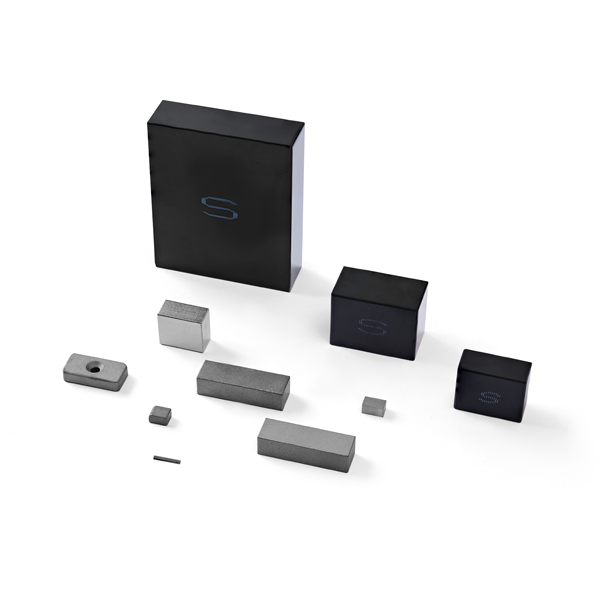
Strict Quality Control

From raw material selection to final product testing, we maintain strict quality control measures throughout the entire production process. This commitment to quality ensures that our permanent magnet rotor assemblies meet or exceed industry standards and customer expectations.

Multi-pole ring magnet rotor magnetic field distribution test

Multi-pole ring magnet rotor magnetic field distribution test

Rotor Retaining Sleeves

We recognize the importance of rotor retaining sleeves in high-speed SPM machines, as they play a crucial role in preventing structural failure. To meet various requirements, we offer multiple rotor sleeve options, including stainless steel, titanium alloy, Inconel, and carbon fiber. Our sleeves are designed to accommodate segment magnets and ring magnets, providing flexibility and efficiency for different permanent magnet rotor configurations.

Need a Custom Rotor Assembly?

Send us your motor specifications and requirements. Our engineering team will propose the optimal solution.

Contact Us

Engineering Halbach Arrays for Peak-Performance Magnetic Systems

We work with engineers to prototype and produce Halbach magnetic assemblies. For researchers and students, we also offer standard Halbach assemblies available for immediate purchase.

Introduction to Halbach Arrays

A Halbach array is a special arrangement of permanent magnets that enhances the magnetic field on one side while weakening it on the other. This principle was first invented by James (Jim) M. Winey at Magnepan in 1970.

However, it was Klaus Halbach, a German physicist, who designed the Halbach array during his time at Berkeley Lab. Although Mr. Halbach was highly successful as a particle accelerator designer, he is best known for his work on particle accelerator magnetic systems. In the 1980s, he invented this special magnet arrangement for focusing the electron beams of accelerators.

Arc Halbach array assembly

Applications of Halbach Array Assemblies

Halbach assemblies are widely used across various industries due to their unique magnetic field characteristics, which enhance performance in applications such as:

Ensuring Compliance: Halbach Assemblies with Hitachi-Licensed Magnets

To avoid potential legal disputes, companies selling products containing NdFeB magnets in North America or Japan typically mandate the use of Hitachi-licensed neodymium magnets in their assemblies. In China, there are several Hitachi-licensed NdFeB manufacturers. Thanks to our strategic partnerships with some of these licensed manufacturers, we can efficiently source licensed magnets (even in small batches) and provide Halbach assemblies that comply with local regulations.

Custom Halbach Assemblies by Empire Magnetics

Engineers often require more complex designs for circular Halbach assemblies, meaning most Halbach arrays are custom-built to customer specifications. At Empire Magnetics, we have extensive experience in designing and manufacturing Halbach assemblies using NdFeB or SmCo magnets in aluminum or copper housings. With two decades of expertise, we possess the knowledge and skills to assemble magnets precisely and efficiently, ensuring optimal performance and customer satisfaction.

Need a Custom Halbach Array?

Send us your design requirements. Our engineering team will help you build the optimal Halbach assembly.

Contact Us

Overmolded and Insert-Molded Magnetic Devices

NdFeB magnets are widely used in consumer goods, electronics, automotive, and various other industries. Despite their versatility, these magnets are brittle and susceptible to breakage and corrosion. Encapsulating them in plastic or rubber materials serves the dual purpose of protection and aesthetic enhancement.

Why Overmold NdFeB Magnets?

In consumer goods, electronics, automotive, and various other industries, NdFeB magnets have extensive applications. Despite their versatility, these magnets are brittle and prone to breakage and corrosion. Wrapping them in plastic or rubber materials serves the dual purpose of protection and aesthetic enhancement.

However, not all magnet companies possess expertise in plastic injection molding, and vice versa. This is where Empire Magnetics comes in.

Managing High Temperatures When Overmolding NdFeB Magnets

Insert molding is a plastic injection molding technique in which an insert is placed into the mold cavity and molded with plastic to form a single solid piece. NdFeB magnets are susceptible to high temperatures, which can lead to demagnetization. This risk is particularly pronounced during the plastic injection molding process. The degree to which the magnet surface is exposed to molten plastic at high temperatures determines whether the magnet is pre-magnetized or magnetized after molding. In the latter case, the entire insert-molded piece is placed in a magnetizing coil for magnetization.

Using Non-Magnetic Mold Steel for Insert Molding

If the insert-molded NdFeB magnet is sufficiently thick along its magnetization direction, or if brief exposure to the plastic flow does not cause demagnetization, another issue arises: the magnet may be attracted to the mold steel, which is typically ferromagnetic. If we need to insert a magnetized NdFeB magnet into the mold, we choose non-magnetic mold steel, even though it typically has a shorter mold life. This choice is particularly common for irregularly shaped products that are difficult to fit into magnetizing coils.

Need Overmolded Magnetic Assemblies?

Our team can help you design and manufacture insert-molded magnet solutions for your application.

Contact Us

Magnetic Wheels: Enabling Mobility and Stability for Climbing Robots

Magnetic wheels are essential components for climbing robots, providing the adhesion and traction needed to traverse ferromagnetic surfaces safely and efficiently.

Magnetic wheels for climbing robots Bonded NdFeB magnetic rings for wheel assemblies

Magnetic Wheel Design

Determining the torque and speed requirements of the drive system is key to selecting magnetic wheels. The design and material selection must meet user requirements, including maximum torque design values and speed ranges.

Load Torque Design

F = (W_workpiece + W_shaft) × μ_seal
F = Force (N) W_workpiece = Workpiece weight (kg) W_shaft = Shaft weight (kg)
T = (F × D / 2 × η) × SF
T = Torque (Nm) F = Force (N) D = Wheel diameter (m) η = Transmission efficiency (dimensionless, between 0 and 1) SF = Safety factor (dimensionless)

Optimization of Magnetic Wheels

Magnetic wheel design

Magnetic Material Basis

Magnetic wheels rely on high-performance bonded or sintered NdFeB rings. The magnetic powder morphology and domain alignment directly influence the adhesion force and torque capacity of the final wheel assembly.

Empire Magnetics Standard Round Magnetic Wheels

Part NumberDdWbhPull ForceWeight
EM-W-252581638.655 N0.054 kg
EM-W-32321018411.180 N0.100 kg
EM-W-40401220413.1120 N0.200 kg
EM-W-50501625517.3200 N0.350 kg
EM-W-63632032621.7330 N0.700 kg
EM-W-80802540826.7630 N1.450 kg
EM-W-1001003050831.7900 N2.800 kg
EM-W-12512540621242.11520 N5.350 kg

All dimensions are in millimeters (mm).

Empire Magnetics Standard Arc Magnetic Wheels

Part NumberRLWHW1H1R1MW2L1Pull Force (0mm)Pull Force (3mm)Pull Force (5mm)
EM-R-504050407636.54212.526M46418490 N230 N150 N
EM-R-506050607636.54212.526M46438820 N400 N260 N
EM-R-8040804011551762049M510218730 N400 N300 N
EM-R-8060806011551762049M5102381250 N730 N540 N
EM-R-1004010040152621002664M513818850 N480 N340 N
EM-R-1006010060152621002664M5138381500 N900 N650 N
EM-R-1204012040172701203080M5158181000 N600 N420 N
EM-R-1206012060172701203080M5158381750 N1100 N800 N
EM-R-15040150402007714231104M6186181200 N750 N560 N
EM-R-15060150602007714231104M6186382100 N1350 N1050 N

*Pull force strength is measured at 0mm, 3mm, and 5mm distance from a steel plate.
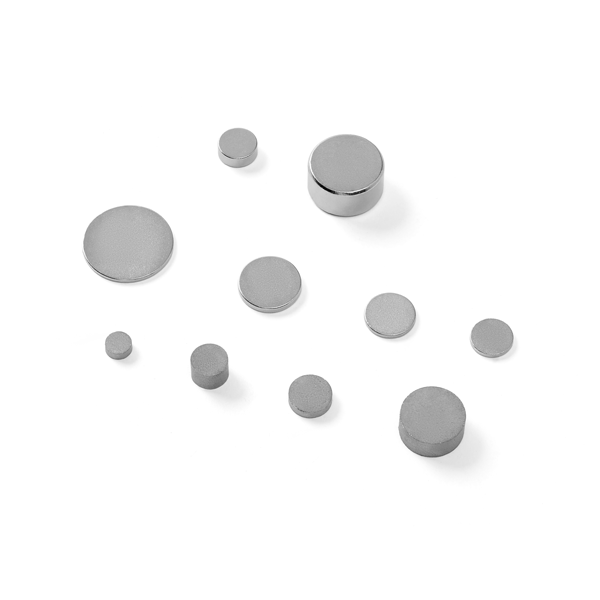
All dimensions are in millimeters (mm).

Arc magnetic wheel specification

Magnetic Wheel Manufacturer

At Empire Magnetics, we are excited to be an early participant in your new projects. Our passion for magnets extends from material selection and design optimization to providing magnetic solutions. We hope to bring our knowledge and experience to the forefront by actively participating in your upcoming projects. Work with our magnet experts to get the right magnetic solution.

Image credits: Cililun & Fzmag & Climbing-robots

Need Magnetic Wheels for Your Robot?

Send us your requirements. Our team will help you select the right magnetic wheel specification.

Contact Us

Polar Anisotropic Ring Magnets: Better Than Radial Ring Magnets for BLDC Motors

Polar anisotropic ring magnets are a type of multi-pole ring magnet that exhibit higher magnetic flux density compared to radially anisotropic ring magnets of the same material grade and dimensions. This key advantage has led motor designers to increasingly choose these innovative multi-pole ring magnets over their radially magnetized counterparts.

Polar anisotropic ring magnet case study data

Introduction: Polar Anisotropic Ring Magnets

A polar anisotropic ring magnet is a type of multi-pole ring magnet that exhibits higher magnetic flux density compared to a radially anisotropic ring magnet of the same material grade and dimensions. This key advantage has prompted motor designers to increasingly select this innovative multi-pole ring magnet over its radially magnetized counterpart in various applications.

The orientation of this type of multi-pole ring magnet is similar to that in a Halbach array, which is why it is also referred to as a "Halbach multi-pole ring magnet." This arrangement results in enhanced magnetic flux density (field strength) on one side of the magnet. Consequently, its magnetic field strength exceeds that of an equivalent radially anisotropic (radially magnetized) ring magnet.
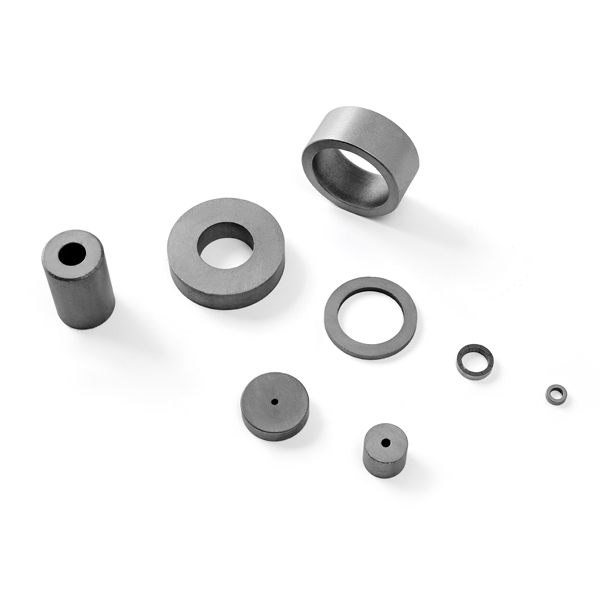
Orientation of Polar Anisotropic Ring Magnets

Advantages and Disadvantages: Polar Anisotropic Ring Magnets for Motors

Advantages

Disadvantages

Applications of Polar Anisotropic Multi-Pole Ring Magnets

Polar anisotropic ring magnets are widely used in various industries that require high torque or high-speed performance. These magnets have proven indispensable in many fields, including power tools, robotics, home appliances, medical devices, and more. Each application typically requires a specific number of poles customized to its unique requirements. For example, coreless motors, also known as hollow cup motors, typically use 4-pole ring magnets for optimal functionality and efficiency. The versatility and adaptability of polar anisotropic ring magnets make them the preferred choice for numerous cutting-edge technology and industrial applications.

Need Polar Anisotropic Ring Magnets?

Send us your specifications. Our team will help you select the right magnet for your motor design.

Contact Us

Parylene Coated Magnets

Parylene coating is a specialized conformal coating technique that provides superior biocompatibility, corrosion resistance, and moisture protection for magnets used in medical, automotive, and aerospace applications.

Parylene coated magnets

What is Parylene Coating?

Parylene (poly-para-xylylene) is a protective polymer coating applied through a chemical vapor deposition (CVD) process. Unlike liquid coatings, Parylene is deposited as a gas, forming a truly conformal, pinhole-free film that uniformly coats all exposed surfaces of the magnet, including complex geometries and internal cavities.

For NdFeB and SmCo magnets, Parylene coating offers exceptional protection against moisture, salt spray, and corrosive environments while maintaining extremely thin coating thicknesses (typically 5-50 microns). This makes it particularly valuable for magnets used in medical implants, sensors, and other applications where biocompatibility and miniaturization are critical.

Parylene coated ring magnets

Key Advantages of Parylene Coating

Raw Material & Corrosion Mechanism

NdFeB magnets begin as fine magnetic powder. Without protection, intergranular corrosion can propagate rapidly in humid or saline environments. Parylene conformal coating seals these boundaries, extending service life in medical and automotive applications.

Parylene Coating Process

The Parylene coating process involves three main steps: vaporization of the dimer, pyrolysis to form the reactive monomer, and polymerization on the magnet surface at room temperature. This process ensures a stress-free, conformal coating without the thermal expansion issues associated with high-temperature coating methods.

Parylene coating facility

Applications of Parylene Coated Magnets

Parylene coated magnets are essential in applications requiring biocompatibility, corrosion resistance, and miniaturization:

Need Parylene Coated Magnets?

Send us your requirements. Our team can provide Parylene coating solutions for your magnet applications.

Contact Us

Micro Magnets

Micro magnets, also known as miniature magnets, are permanent magnets with dimensions typically below one millimeter. In some cases, dimensions below 0.50mm are required. They can be made from NdFeB (N55 grade), SmCo, AlNiCo, and FeCrCo materials.

Definition of Micro Magnets

Micro magnets, also known as miniature magnets, are permanent magnets with dimensions typically below one millimeter. In some cases, dimensions below 0.50mm are required. They can be made from NdFeB (N55 grade), SmCo, AlNiCo, and FeCrCo magnets.

Among these permanent magnet materials, NdFeB is the most preferred due to its superior magnetic properties. However, NdFeB magnets are susceptible to corrosion, requiring surface coating. One of the challenges in manufacturing micro NdFeB magnets lies in surface coating. For medical applications, special coatings such as tin, gold, and Parylene are required. SmCo magnets are characterized by high temperature resistance and excellent stability. AlNiCo magnets are typically chosen for their temperature stability.

Micro ring magnets

Applications of Micro Magnets

Applications in Magnetic Implant Devices

Micro magnets are transforming medical technology, providing innovative solutions for healthcare challenges. These miniature devices are driving the development of implantable medical technology, with the potential to improve patient outcomes and enable more precise treatments. Key advancements include:

As research progresses, micro magnets will play an increasingly important role in healthcare and technological advancement.

Applications in Cardiovascular Medicine

In the field of cardiovascular medicine, micro magnets are revolutionizing treatment methods. They can improve imaging precision, enable targeted therapy, control thrombi, guide minimally invasive procedures, and provide innovative diagnostics. These micro magnets are reshaping heart health, bringing a brighter future for patients.

Applications in Sensors

Micro magnets are used in sensors to detect and measure physical properties such as magnetic fields, temperature, pressure, and acceleration.

Micro Magnetic Engineering

In an ever-shrinking technological world, the demand for components that match this trend is evident. Enter micro magnetic engineering, a discipline dedicated to the design and implementation of tiny magnetic materials across various applications. This field explores the roles and applications of four permanent magnet materials: Sm2Co17, NdFeB N55, AlNiCo, and FeCrCo.

Need Micro Magnets?

Send us your specifications. Our team specializes in precision micro magnet manufacturing.

Contact Us

Single-Pole Radially Magnetized Ring Magnets

Single-pole or monopole radially magnetized ring magnets are a remarkable and highly specialized type of magnet designed for specific applications. In this article, we explore the unique properties and applications of these fascinating magnets.

Radially magnetized ring magnets

Characteristics of Single-Pole Radial Ring Magnets

Radially magnetized ring magnets are produced from oriented NdFeB powder and magnetized so that the field vector points from the inner diameter to the outer diameter (or vice versa). This one-pole configuration is ideal for rotary encoders, high-speed motors, and precision magnetic couplings.

Radial ring magnet family

Radially magnetized magnets are unique. Unlike ordinary ring magnets that have north and south poles on flat surfaces, the magnetic field of a radially magnetized ring magnet is distributed circularly or radially within the ring. This is achieved by aligning the magnetic domains in the radial direction.

At first glance, these magnets may look like standard ring magnets, but their true distinction lies in the magnetization method. As the name suggests, a single-pole radially magnetized ring magnet has only one magnetic pole on the inner diameter, while the outer diameter acts as the opposite pole. This special monopole configuration sets them apart and opens up many possibilities for uses that ordinary magnets cannot handle.

Radially magnetized ring magnet

Single-Pole Radial Ring Magnet Specifications

The specifications of single-pole radial ring magnets can vary significantly depending on the specific application and design requirements. Below is the general range of these dimensions:

We can custom-produce radially magnetized ring magnets according to your needs. Since one-time tooling costs are incurred, if the dimensions are close to your requirements, we recommend purchasing samples from our existing radial ring magnet inventory.

Applications of Single-Pole Radial Ring Magnets

The single-pole radial magnetization pattern is achieved by aligning magnetic domains in the radial direction, providing a uniform field around the circumference.

The unique characteristics of these magnets have several interesting implications and applications:

Motor with radial ring magnet

Our Inventory of Single-Pole Radial Ring Magnets

S/NCodeMaterialOD (mm)ID (mm)H (mm)Magnetization
1R50-NNdFeB N52605010Inner N Outer S
2R50-SNdFeB N52605010Inner S Outer N
3R475-NNdFeB N526347.530Inner N Outer S
4R475-SNdFeB N526347.530Inner S Outer N
5R38-10-NNdFeB N52503810Inner N Outer S
6R38-10-SNdFeB N52503810Inner S Outer N
7R38-30-NNdFeB N52503830Inner N Outer S
8R38-30-SNdFeB N52503830Inner S Outer N
9R36-NNdFeB N52403610Inner N Outer S
10R36-SNdFeB N52403610Inner S Outer N
11R30-NNdFeB N52403010Inner N Outer S
12R30-SNdFeB N52403010Inner S Outer N
13R25-10-NNdFeB N5234.82510Inner N Outer S
14R25-10-SNdFeB N5234.82510Inner S Outer N
15R25-15-NNdFeB N52302515Inner N Outer S
16R25-15-SNdFeB N52302515Inner S Outer N
17R18-10-NNdFeB N52281810Inner N Outer S
18R18-10-SNdFeB N52281810Inner S Outer N
19R18-05-NNdFeB N5228185Inner N Outer S
20R18-05-SNdFeB N5228185Inner S Outer N
21R23-NNdFeB N5227235Inner N Outer S
22R23-SNdFeB N5227235Inner S Outer N
23R121-NNdFeB N5220.112.12.5Inner N Outer S
24R121-SNdFeB N5220.112.12.5Inner S Outer N
25R12-NNdFeB N52181210Inner N Outer S
26R12-SNdFeB N52181210Inner S Outer N
27R13-NNdFeB N5217135Inner N Outer S
28R13-SNdFeB N5217135Inner S Outer N

Radial Ring Magnet Supplier - Empire Magnetics

At Empire Magnetics, we are excited to be an early participant in your new projects. Our passion for magnets extends from material selection and design optimization to providing magnetic solutions. We hope to bring our knowledge and experience to the forefront by actively participating in your upcoming projects.

Empire Magnetics works closely with design engineers, participating in review, optimization, and manufacturing of precision permanent magnets, multi-pole ring magnets, Halbach arrays, soft magnetic composite components, and custom magnetic assemblies — from early prototype development through full-volume production.

Trusted by engineers across medical, robotics, aerospace, and industrial automation industries in Europe, America, and Asia.

Frequently Asked Questions

What is the smallest single-pole radially magnetized ring magnet you can produce?

The smallest single-pole radial ring magnet we can produce has an outer diameter of 10mm, inner diameter of 4mm, and a maximum height of 5mm. The height of a single-pole radially magnetized ring magnet cannot exceed half of its outer diameter.

Need Radial Ring Magnets?

Browse our inventory or request a custom quote. Our team will help you find the right specification.

Contact Us
Home/Products/Magnetic Materials/Ferrite Magnet Powder

Strontium Ferrite Magnet Powder

Bonded (SFP) · Wet-Press Sintered (SFP-W) · Dry-Press Sintered (SFP-D)

Full-line strontium and barium ferrite powder supplier: SFP fine powders for injection-molded, compression-bonded, and calendered flexible magnets; SFP-W wet-press anisotropic powders for high energy product sintered magnets; and SFP-D dry-press powders for isotropic and high-performance anisotropic parts. Consistent particle size distribution, high coercivity, and lot-to-lot uniformity trusted by magnet manufacturers worldwide.

Request Powder Sample

Bonded Powder Grades & Specifications (SFP)

Our Sr-ferrite bonded powders are produced through a controlled ceramic process (pre-sintering → milling → annealing), yielding hexagonal M-type ferrite particles with precise magnetic properties. Available in isotropic and anisotropic grades.

GradeBr (mT)Hcb (kA/m)Hcj (kA/m)(BH)max (kJ/m³)D50 (μm)Application
SFP-1.5230-250160-180240-2809.5-11.51.2-1.8Injection molding (PA6/PA12 binder)
SFP-2.0240-260170-195260-31010.5-12.51.5-2.2Compression bonded (epoxy binder)
SFP-3.0250-270185-210280-34012.0-14.50.8-1.5Calendered flexible sheet/strip
SFP-A225-245155-175220-2659.0-10.51.0-1.6Anisotropic general purpose

Sintered Powder — Wet-Press Anisotropic Grades (SFP-W)

Wet-press anisotropic strontium ferrite powders (SrFe₁₂O₁₉) for the manufacture of high energy product sintered magnets. These grades are used mainly in medium and high-end speaker rings, magnetic separation equipment, household appliances, and automotive motor arcs and rotors. Supplied either as pre-sintered coarse granulate ready for wet milling in your plant, or as fine powder for direct slurry preparation — matching your existing milling and dispersion workflow.

GradeMaterialBr (mT)Hcb (kA/m)Hcj (kA/m)(BH)max (kJ/m³)Shrinkage (%)Coarse Powder (μm)Fine Powder (μm)
SFP-W4SrFe₁₂O₁₉385-395215-231223-25527.9-31.112.0-14.03-60.80-0.90
SFP-W5SrFe₁₂O₁₉400-410223-239223-25530.3-33.512.0-14.53-60.68-0.80
SFP-W6SrFe₁₂O₁₉405-415255-271263-29530.3-31.911.0-13.02-50.65-0.75
SFP-W9.1SrFe₁₂O₁₉440±10262.5±12286.5±1236.0±1.611.0±10.6±0.02
SFP-W9.2SrFe₁₂O₁₉430±10318.5±12358.3±1235.0±1.611.0±10.6±0.02
SFP-W9.3SrFe₁₂O₁₉420±10318.5±12397.9±1233.5±1.611.0±10.6±0.02

Magnetic values measured on laboratory wet-pressed, sintered test specimens per IEC 60404-8-1. Shrinkage references apply to the magnetizing (orientation) direction. SFP-W9.x grades are ultra-fine, high-coercivity powders for premium motor applications.

Sintered Powder — Dry-Press Grades (SFP-D)

Two dry-press families cover the full application spectrum: SFP-D1 isotropic barium ferrite powders for micro motors, advertising magnets, stationery, and sealing strips; and SFP-D2.x high-performance anisotropic strontium ferrite powders for demanding motor arc magnets, radially oriented and multipole-oriented rings and cylinders, plus small, thin, or geometrically complex parts where wet pressing is impractical.

Isotropic Grades — Ba-Ferrite

GradeMaterialBr ∥ / ⊥ (mT)Hcb ∥ / ⊥ (kA/m)Hcj ∥ / ⊥ (kA/m)(BH)max ∥ / ⊥ (kJ/m³)Shrinkage (%)Fine Powder (μm)
SFP-D1BaFe₁₂O₁₉200-230 / 185-205129-137 / 115-125199-231 / 199-2317.6-8.4 / 5.6-6.414.0-16.00.8-1.0
SFP-D1RBaFe₁₂O₁₉210-220 / 220-240127-143 / 132-148246-278 / 246-2786.8-8.4 / 8.4-9.213.5-15.50.8-1.0
SFP-D1ABaFe₁₂O₁₉230-240 / 195-205143-151 / 123-131239-271 / 239-2718.4-9.2 / 5.6-6.414.0-16.00.8-1.0

∥ = parallel to pressing direction, ⊥ = perpendicular. SFP-D1R is optimized for rotationally-oriented (radial-field) tooling.

High-Performance Anisotropic Grades — Sr-Ferrite

GradeMaterialBr (mT)Hcb (kA/m)Hcj (kA/m)(BH)max (kJ/m³)Shrinkage (%)Fine Powder (μm)
SFP-D2.4SrFe₁₂O₁₉350-370207-239223-25522.4-25.614.5-16.50.8-0.9
SFP-D2.6SrFe₁₂O₁₉≥372≥227≥235≥24.713.0-15.00.75-0.85
SFP-D2.6HSrFe₁₂O₁₉370-380245-265255-27923.9-25.513.0-15.00.75-0.85
SFP-D2.7HSrFe₁₂O₁₉≥372≥255≥280≥24.713.0-15.00.75-0.85

Anisotropic values measured parallel (∥) to the orientation field. H-suffix grades deliver enhanced intrinsic coercivity for motors subject to strong demagnetizing fields.

Key Advantages & Quality Control

✅ Particle Size Control

Laser diffraction (Malvern) analysis on every batch. D10/D50/D90 reported. Narrow Gaussian distribution for maximum packing density and consistent magnetic properties.

✅ Surface Treatment

Silane coupling agents (KH-550, KH-560) or titanate treatments available for improved polymer compatibility and melt flow in injection molding processes.

✅ Batch Consistency

Br variation ≤ ±2% batch-to-batch. Pre-sintering at 1250-1300°C ensures complete ferritization. Every batch ships with CoA (Certificate of Analysis) including XRD phase purity.

Packaging & Logistics

Standard Packaging

25 kg HDPE bags with inner moisture-barrier liner. 1,000 kg FIBC (big bags) available for bulk orders. Palletized and stretch-wrapped for ocean freight.

Global Shipping

FOB Ningbo/Shanghai. 20' FCL: ~20 MT. LCL and air freight options for trial orders. Dangerous goods documentation: not classified as hazardous for transport.

Process Control

From Calcination to Consistent Powder

Ferrite powder quality is decided long before pressing — in raw-material purity, calcination profile, and milling control. Our powder lines are built around that truth.

Calcination Control

Rotary-kiln calcination with ±10°C zone control locks in the magnetoplumbite phase; every calcined lot is XRD-verified before milling.

Particle Size Discipline

Narrow PSD centered at 0.9-1.1μm via controlled ball milling — the foundation of high Br and stable pressability in your dies.

Lot-to-Lot Consistency

Magnetic property windows (Br ±0.02T, Hcj ±5%) contractualized per grade; SPC charts available for your incoming-inspection team.

Technical Partnership

Pressing trials, sintering profiles, and shrinkage data shared freely — we succeed when your pressed magnets pass first article.

Home/Products/Metal Components/Precision Metal Components

Metal Precision Components

Aluminum Die Casting, Stainless Steel & Copper Alloys

From aluminum die-cast housings to corrosion-resistant stainless steel fittings and high-conductivity copper castings — we deliver precision-engineered metal parts for automotive, electronics, lighting, and industrial applications.

Submit RFQ

Manufacturing Capabilities by Material

Aluminum

Aluminum Die-Casting

High-pressure (HPDC) and gravity die-casting of A380, ADC12, and AlSi10MnMg alloys. Part weights from 50g to 15kg. T6 heat treatment, shot blasting, and anodizing surface finishes.

A380ADC12Anodizing
Stainless Steel

Stainless Steel Parts

Investment casting and CNC machining of SS304, SS316, and duplex stainless steels. Food-grade, marine-grade, and medical-grade finishes. Passivation, electropolishing, and PVD coating options.

SS304SS316LDuplex
Copper

Copper & Brass Castings

Sand casting and investment casting of C11000 (pure Cu), C36000 (brass), and C86300 (manganese bronze). Electrical connectors, bus bars, heat sinks, and pump components. Conductivity ≥ 85% IACS.

C11000C3600085% IACS

Industries We Serve

🚗 Automotive

Engine brackets, sensor housings, mirror bases

💡 Lighting

LED heatsinks, lamp housings, reflector cups

⚡ Electronics

EMI shielding, connector bodies, chassis

🏭 Industrial

Pump housings, valve bodies, fittings

One-Stop Advantage

Why Consolidate Metal Sourcing with Empire

Magnets and metal parts from one supplier means matched tolerances, one quality system, and one accountable partner — a model global leaders use to de-risk their supply chains.

Magnet + Metal Integration

We machine the steel housing, cast the aluminum bracket, and install the magnet — delivering tested sub-assemblies instead of loose parts.

One Quality System

ISO 9001 & IATF 16949 cover every division, so your PPAP, FAI, and traceability paperwork arrives in one consistent package.

Cost & Lead-Time Leverage

Bundled shipments from Ningbo port cut freight cost; combined tooling and QC reduce total landed cost by double digits versus multi-vendor sourcing.

Engineering Support

Free DFM review on drawings within 48 hours, tolerance stack-up analysis, and material substitution advice for cost or performance targets.

Home/Products/Strategic Materials/Rare Earth Materials & Chemicals

Rare Earth Materials & Strategic Chemicals

Nd₂O₃, Dy, Pr-Nd · Compliant Export

Leveraging deep institutional networks in Zhejiang and Shandong industrial hubs, we facilitate fully compliant export of rare earth oxides, metals, alloys, and specialty chemicals. Serving advanced manufacturing clients worldwide with transparent, regulation-compliant supply chains.

Product Portfolio

Our rare earth materials division specializes in high-purity oxides, metals, and master alloys for permanent magnet production, polishing, catalysts, and advanced ceramics.

Rare Earth Oxides

REO — Rare Earth Oxides

Y₂O₃, La₂O₃, CeO₂, Nd₂O₃, Pr₆O₁₁, Sm₂O₃, Eu₂O₃, Gd₂O₃, Tb₄O₇, Dy₂O₃, Er₂O₃, Yb₂O₃. 99.5% to 99.999% purity grades available. Custom particle size specifications upon request.

Nd₂O₃Dy₂O₃Tb₄O₇
Rare Earth Metals

RE Metals & Master Alloys

Nd metal (99.9%), Pr-Nd alloy (didymium), Dy metal, Tb metal, La-Ni hydrogen storage alloys, and Mg-RE master alloys. Ingot, rod, and foil forms. Vacuum induction melted (VIM) quality.

Pr-NdDy MetalVIM Quality
Polishing Powders

Ceria & Mixed-RE Polishing Compounds

High-purity CeO₂ and mixed La-Ce polishing powders for precision glass, optical lens, semiconductor CMP, and LCD panel polishing. Sub-micron to micron particle sizes with narrow distribution.

CeO₂CMP GradeOptical
Specialty Chemicals

Strategic Industrial Chemicals

We source and export high-purity industrial chemicals for glass, ceramics, catalyst, and metallurgy industries. Full SDS documentation and GHS-compliant labeling for every shipment.

GHS CompliantSDS IncludedCustom Spec

Compliance & Competitive Advantage

🏛️

Regulatory Expertise

Deep understanding of China's rare earth export regulations, quotas, and licensing. We navigate complex compliance requirements so you don't have to.

⚖️

Supply Chain Transparency

Full material traceability from mine to shipment. Conflict-free sourcing verification. Third-party assay certificates (SGS/Bureau Veritas) available for every lot.

💰

Price Advantage

Direct sourcing from provincial-level industrial networks eliminates intermediaries. We maintain gross margin ≤ 5%, passing significant savings to clients.

Quality & Compliance

Purity, Documentation & Compliance

Strategic materials live or die by assay accuracy and paperwork. Our rare earth program is built for buyers who audit.

Assay per Shipment

ICP-MS / XRF analysis on every lot, covering main content plus La, Ce, Pr, Nd, and non-RE impurities down to ppm levels.

Grades from 2N to 5N

Standard 99-99.9% industrial grades through 99.999% high-purity oxides for phosphors, catalysts, and crystal growth.

Export Licensing Handled

We manage the complete export-license workflow and end-user documentation, keeping your supply legal and uninterrupted.

Custom Blending & Packaging

Mixed-oxide ratios, granulation, and moisture-controlled packaging (25kg drums to 1-tonne bags) built to your process.

Home/Products/Advanced Electronic Materials/LTCC Advanced Ceramic Materials

LTCC Ceramic Substrates

Low-Temperature Co-Fired Ceramics for 5G RF & Radar

Dedicated supply of advanced LTCC (Low Temperature Co-Fired Ceramic) materials from China — the enabling substrate platform for 5G RF modules, automotive radar, aerospace electronics, and military communication systems. Established jointly by Ningbo Empire Advanced Material Co., Ltd & the Shanghai Institute of Silicate Chemistry Chinese Academy of Sciences, with qualified production and full export compliance for international defense and telecommunications clients.

Request Technical Brief
Material Properties

LTCC Dielectric Material Portfolio

Seven standard LTCC dielectric systems covering εr 3.9 to 68.0. All materials co-fire with silver electrodes at 850–900°C and are supplied as matched powder, green tape, and silver paste for consistent multilayer performance.

Type Characteristic Dielectric Constant Dielectric Loss CTE (25–300°C)
ppm/°C
Flexural Strength
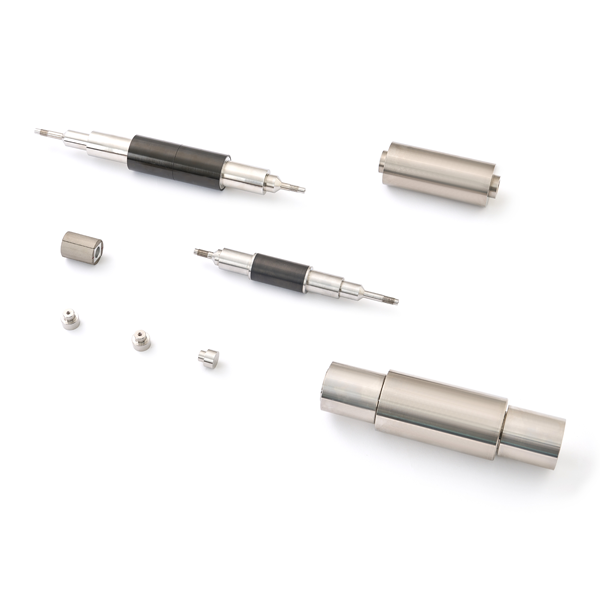
≥ MPa
Sintering Temp
°C
L3B9Low-εr, Low-Loss3.9 ± 0.1 (10–30 GHz)≤ 0.002 (10–30 GHz)2.3100850–875
L4D4Low-εr, Low-Loss4.4 ± 0.1 (8–30 GHz)≤ 0.002 (8–30 GHz)4.1125850–875
L7H4High Strength7.4 ± 0.1 (@10 GHz)< 0.003 (@10 GHz)6.1300850–875
L7ATHigh-CTE, Low-Loss7.7 ± 0.2 (10–30 GHz)≤ 0.001 (10–30 GHz)12.5200875–900
L15JMid-εr, Low-Loss15.0 ± 0.5 (@6 GHz)≤ 0.0005 (@6 GHz)9.6150875–900
L40A0High-εr, Low-Loss40 ± 2 (@4 GHz)≤ 0.0005 (@4 GHz)7.9150875–900
L68B0High-εr, Low-Loss68.0 ± 2 (@4 GHz)≤ 0.002 (@4 GHz)9.1120875–900

What is LTCC?

Low Temperature Co-Fired Ceramics (LTCC) is a multilayer ceramic substrate technology that combines glass-ceramic dielectric tapes with high-conductivity metal pastes (Ag, Au, Cu) co-fired at 850–900°C. Unlike standard HTCC (1,500°C+), LTCC enables embedded passives, hermetic cavities, and 3D integration — making it the platform of choice for miniaturized RF and microwave modules where size, weight, and reliability are critical.

850°C

Low co-firing temperature enables silver conductors (vs tungsten/molybdenum in HTCC)

εr 5-100

Tunable dielectric constant range covers RF passives, filters, and antenna substrates

50+ Layers

Multilayer capability supports complex 3D interconnects and embedded cavity structures

Our Foundation

A Strategic Joint Venture in Advanced Dielectric Ceramics

A high-tech platform for advanced dielectric ceramic materials R&D, production, and technology services — established jointly by Ningbo Empire Advanced Material Co., Ltd & the Shanghai Institute of Silicate Chemistry Chinese Academy of Sciences (SICCAS).

Industry Partner

Ningbo Empire Advanced Material Co., Ltd

Advanced materials group founded in 2013, certified to ISO 9001 and IATF 16949, exporting to 15+ countries with a projected $24M turnover in 2025. Brings industrial scale-up, quality management, and international export channels to the LTCC program.

ISO 9001IATF 1694915+ CountriesSince 2013
Research Partner

Shanghai Institute of Silicate Chemistry, CAS

SICCAS is a leading inorganic non-metallic materials research institution in China and the scientific backbone of the LTCC program:

  • One national key laboratory
  • Four key laboratories of the Chinese Academy of Sciences
  • One academician of the CAS & three academicians of the CAE
LTCC program corporate and R&D building
Shanghai Institute of Silicate Chemistry, Chinese Academy of Sciences
Milestones

Development History

From project launch to full 8-inch volume production in four years — a fully integrated materials-to-product ramp.

2020
  • Establishment of the LTCC program
  • Launch of LTCC material project
  • Completion of LTCC material production line
2021
  • Establishment of the joint research center with the Shanghai Institute of Silicate Chemistry
  • Launch of LTCC green tape and metal electrode paste project
2022
  • Completion of LTCC green tape and electrode paste production line
  • Launch of high-performance MLCC dielectric powder R&D project
2023
  • Launch of the 8-inch LTCC product production line
2024
  • Completion of the 8-inch LTCC product production line
  • Designated "Innovative station for postdoctoral researchers"
Technology & Platform

Patented Technology, Industrial-Scale Production

Self-developed dielectric ceramic powder and green tape preparation technology, protected by an international patent portfolio and operated on three large-scale production lines.

20+

Patents granted and pending at home and abroad (including the United States and Japan) covering the core preparation technologies

3

Large-scale LTCC production lines — materials, green tape, and 8-inch finished products

150+ t

Annual LTCC dielectric material powder capacity, plus 2.8 million 8-inch green tape pieces per year

Patents & Intellectual Property

The company has developed proprietary dielectric ceramics powder and green tape preparation technology, and holds more than 20 patents and pending applications at home and abroad — including the United States and Japan. The core technologies behind every product are provided by these patents.

Joint R&D Center with SICCAS

First-class technical support comes from the "Joint R&D Center of Advanced Functional Ceramics and Devices" established together with the Shanghai Institute of Silicate Chemistry, Chinese Academy of Sciences — backed by first-class material characterization and test capability.

R&D & Characterization

LTCC material characterization and test laboratory

Production Lines

LTCC dielectric powder synthesis line
LTCC co-firing furnace line
LTCC green tape processing line

Production Capacity

Production LineAnnual Capacity
LTCC dielectric material powder150+ tons / year
LTCC green tape (8-inch)2,800,000 pieces / year
Electrode paste≈ 3 tons / year
8-inch LTCC components (0603, 0.06" × 0.03")45,000,000+ pcs / year
8-inch LTCC substrates (2" × 2")30,000+ pcs / year
Main Products

Materials, Components & Substrates

Three product pillars covering the full LTCC value chain — from self-developed raw materials to finished components and high-density circuit substrates.

LTCC dielectric material powders
Materials

LTCC Powder, Green Tape & Silver Paste

Self-developed LTCC dielectric material powder, cast green tape, and matching silver electrode paste — the material foundation of every downstream product, with full batch-to-batch consistency control.

Dielectric PowderGreen TapeSilver Paste
Miniature LTCC RF components on production scale
Components

LTCC Components (OEM)

OEM manufacturing of LTCC RF components on the 8-inch production line — 45M+ pieces per year at 0603 size with tight RF parameter consistency.

BalunsCouplersDiplexersSIW FiltersBandpass Filters
LTCC BGA circuit substrate
Substrates

LTCC Circuit Substrates

Reliable LTCC circuit substrates equipped with high-precision, high-density wiring — from BGA packages to T/R modules for phased-array radar.

BGA SubstratesNiPdAu PlatingCavity SubstratesT/R Substrates
LTCC baluns, couplers, and diplexers
LTCC SIW filters and bandpass filters
LTCC BGA substrate
LTCC cavity substrate
LTCC NiPdAu plating substrate
LTCC T/R substrate

Critical Applications

5G/6G

Telecom RF Front-End Modules

Band-pass filters, duplexers, baluns, and antenna-in-package (AiP) substrates for 5G base stations and handsets. LTCC provides superior Q-factor and temperature stability vs organic laminates. Supports mmWave (24-47 GHz) operation.

Automotive Radar

77 GHz Automotive Radar Substrates

LTCC-based antenna substrates for automotive long-range radar (LRR), short-range radar (SRR), and corner radar modules. Low insertion loss at 77-81 GHz. Qualified for AEC-Q200 Grade 1 (-40°C to +125°C).

Aerospace & Defense

T/R Module Substrates & Hermetic Packaging

Transmit/receive (T/R) module substrates for active electronically scanned array (AESA) radars. Hermetic cavity packaging for GaN/GaAs MMICs. MIL-STD-883 qualified materials with CTE-matched seals.

Medical

Implantable & Diagnostic Electronics

Biocompatible LTCC substrates for implantable medical devices, hearing aids, and miniaturized diagnostic sensors. Hermetic sealing, high reliability, and ISO 13485-compliant supply chain.

Engineering Depth

Co-Engineering Your LTCC Program

LTCC success is a dialogue between materials science and RF design. Our process engineers work directly with your team from tape selection to production ramp.

Material Systems

Standard and low-loss glass-ceramic systems with dielectric constants from 5.9 to 7.8, matched shrinkage, and co-fireable Ag/Au metallization.

Fine-Line Capability

Screen-printed lines to 75μm, vias to 100μm, and cavity formation for embedded passives and antenna-in-package designs.

Reliability Data

Thermal shock, damp heat, and solder-reflow qualification data per IPC-style profiles supplied with first articles.

Ramp Support

From 10-piece evaluation panels to 100K+ monthly volume on dedicated tape-casting and co-firing lines, with lot SPC reported.

Strategic LTCC Partnership — Qualified Supply from China

As a dedicated Chinese producer of defense-grade LTCC materials approved for international export, we offer access to a technology platform that powers next-generation radar, satellite, and 5G infrastructure. NDAs and ITAR-equivalent compliance protocols available for qualified partners.

Home/Products

Magnet Products & Industrial Materials

Four Segments, One Supply Chain

Permanent magnet materials — NdFeB, SmCo, ferrite, AlNiCo and flexible magnets

Magnetic Materials

7 product lines — raw powder to finished assemblies. NdFeB, Ferrite, SmCo, Flexible, AlNiCo magnets plus assemblies and Sr-ferrite powder. Serving 10M+ units/year.

NdFeB N35-N52Ferrite Y25-Y40SmCo 1:5 / 2:17Flexible RubberAlNiCo 2-9AssembliesFerrite Powder
Browse Magnetic Materials →
Metal precision components — die casting, forging, investment casting, extrusions and CNC machining

Metal Precision Components

Five core manufacturing processes under one roof: die casting (aluminum/zinc/magnesium, 50–4,400T), forging, investment casting, aluminum extrusions, and CNC machining (3/4/5-axis). Full secondary operations, heat treatment, and surface finishing.

Die CastingForgingInvestment CastingExtrusionsCNC Machining
Browse Metal Parts →
Rare earth oxides, metals, alloys and specialty chemicals

Strategic Industrial Materials

Rare earth oxides/metals/alloys (Nd, Dy, Tb, Pr-Nd), ceria polishing powders, and specialty export chemicals. SGS/BV assay with full GHS/SDS documentation.

Nd₂O₃ 99.5-99.999%Pr-Nd MetalDy / Tb MetalPolishing PowderSpecialty Chemicals
Browse Strategic Materials →
LTCC ceramic substrates for 5G RF, radar and medical electronics

Advanced Electronic Materials

Dedicated Chinese supply of LTCC ceramic substrates — εr 5-100, 50+ layers, MIL-grade for 5G/6G RF, 77 GHz radar, and implantable medical devices.

LTCC Substratesεr 5-100850°C Co-FireMIL Qualified
Browse LTCC Ceramics →
Technical Comparison

Magnet Properties at a Glance

Compare key magnetic properties across all five families to find the optimal material for your application.

PropertyNdFeBFerriteSmCoFlexibleAlNiCo
Max Energy Product (MGOe)27-521.0-4.016-300.5-1.71.5-9.0
Max Operating Temp (°C)80-150250300100550
Corrosion ResistanceRequires CoatingExcellentExcellentGoodGood
Temperature StabilityLowMediumHighLowVery High
Cost RelativeMediumLowHighLowMedium
Magnetization DirectionAxial / DiametralAxial / Multi-poleAxial / DiametralMulti-poleAxial
Sourcing Advantage

The Integrated Supplier Advantage

Eaton, Acuity Brands, and BorgWarner trust multi-category sourcing models. Here is what integration means for your procurement team.

Fewer Vendors to Manage

Magnets, metal parts, rare earth materials, and ceramics under one quality system — one audit covers four categories.

Cross-Category Engineering

Motor designers get magnets, housings, and shaft components engineered together, with tolerances matched across the BOM.

One Logistics Stream

Consolidated containers from Ningbo port, one set of export documents, one Incoterm negotiation — landed cost drops measurably.

12+ Years of Export Record

Shipping to 15+ countries since 2013 with DDP capability to North America and Europe; IATA-certified magnet packing for air freight.

Home/Products/Magnetic Materials

Magnetic Materials

NdFeB, Ferrite, SmCo, AlNiCo, Flexible Magnets & Assemblies

From raw Sr-ferrite powder to finished NdFeB assemblies — the most comprehensive magnet portfolio in China, delivered to 15+ countries with ISO 9001 & IATF 16949 certification.

Request a Quote
Magnetic materials product family
N52
Strongest

Neodymium (NdFeB)

The most powerful permanent magnets. (BH)max 27-52 MGOe, grades N35-N52, M, H, SH, UH, EH series. Operating temperatures up to 230°C with dysprosium-enhanced grades.

N35-N52-230°CNi/Cu/Epoxy/Zn
View Details →
Economical

Ferrite (Ceramic)

Low-cost, corrosion-free permanent magnets. (BH)max 1-4 MGOe, grades Y25-Y40. Dry-pressed and wet-pressed anisotropic options for motors, speakers, and separators.

Y25-Y40250°CNo Coating Needed
View Details →
High-Temp

Samarium Cobalt (SmCo)

Exceptional thermal stability to 350°C. (BH)max 16-30 MGOe, SmCo₅ and Sm₂Co₁₇ grades. Ideal for aerospace, defense, and downhole drilling.

SmCo₅ / Sm₂Co₁₇350°CNo Coating
View Details →
Flexible

Flexible Rubber Magnets

Bendable, cuttable multi-pole magnetic sheet and strip. 0.5-8mm thickness. Isotropic and anisotropic grades for signage, gaskets, and promotional products.

0.5-8mmMulti-Pole98M Surface
View Details →
Ultra-Stable

AlNiCo Magnets

Unmatched temperature stability to 550°C. (BH)max 1.5-9 MGOe. Cast and sintered grades for instruments, sensors, and holding applications where thermal drift is unacceptable.

AlNiCo 2-9550°CCast / Sintered
View Details →

Magnetic Assemblies

Turnkey magnetic sub-systems — Halbach arrays, pot magnets, sensor targets, magnetic couplings. CAD-to-production with PPAP documentation and 100% functional testing.

10M+ Units/Yr±0.02mmPPAP
View Details →

Ferrite Magnet Powder

Strontium ferrite powder for bonded, injection-molded, and calendered magnets. Silane-treated grades, D50 0.8-2.2 μm, batch Br consistency ≤ ±2%. Certificate of Analysis included.

D50 0.8-2.2μmBr 225-270mTCoA Included
View Details →
Materials Expertise

Choosing the Right Magnet Material

Every magnetic material trades off strength, temperature, corrosion resistance, and cost. Our engineers help you pick the optimum — not just the strongest.

NdFeB — Maximum Strength
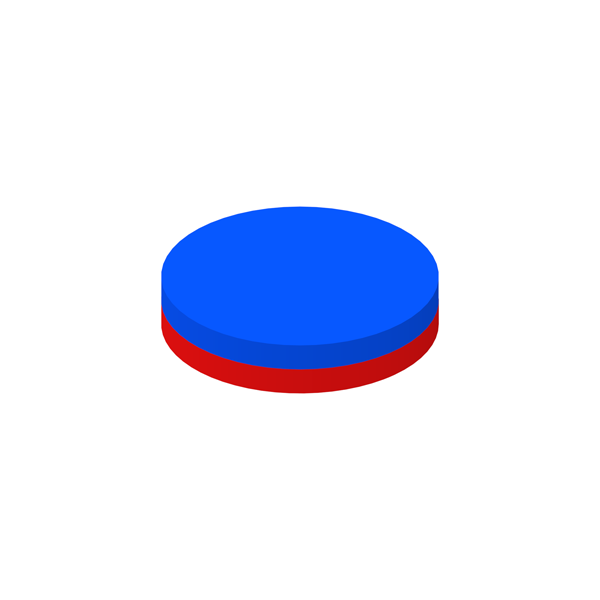
N35-N52, up to 52 MGOe. The default choice for motors and miniaturized devices; specify SH/UH/EH grades above 120°C.

Ferrite — Maximum Economy

1/10 the cost of NdFeB with inherent corrosion resistance. Dominates speakers, white goods, and small DC motors.

SmCo — Maximum Temperature

Stable to 350°C with no coating required. The aerospace, defense, and downhole standard where NdFeB cannot survive.
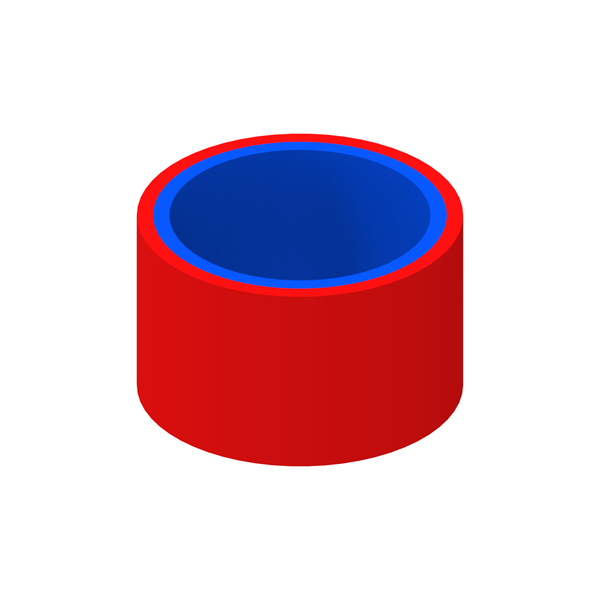
AlNiCo — Maximum Stability

Lowest reversible temperature coefficient (-0.02%/°C) for precision instruments, sensors, and guitar pickups.

Flexible — Maximum Versatility

Rubber-bonded sheets and strips, cut to any shape, for seals, signage, and holding applications.

Assemblies — Maximum Value

Pot magnets, rotors, and chucks engineered for 3-10x the holding force of bare magnets through flux concentration.

Home/Products/Metal Precision Components

Metal Precision Components

Die Casting · Forging · Investment Casting · Extrusions · CNC Machining

Five core metal manufacturing processes under one partner — from molten metal to finished, inspection-ready components. Die casting (50–4,400T), forging, lost-wax investment casting, aluminum extrusions, and precision CNC machining (3/4/5-axis) with full secondary operations, heat treatment, and surface finishing.

Request a Quote
Precision metal parts product family

Die Casting

High-pressure and low-pressure die casting of aluminum (A380, A383/ADC12, A360), zinc (Zamak 3/5), and magnesium (AZ91D). Tonnage range 50–4,400T with thin-wall capability down to 1.5mm.

Al/Zn/Mg50–4,400THPDC+LPDC
View Details →

Forging

Closed-die, open-die, hot and cold forging of carbon steel (1020/1045), alloy steel (4140/4340), aluminum (6061/7075), and stainless (304/316/410). Superior grain flow for maximum structural integrity.

Closed/Open-DieHot/ColdZero Porosity
View Details →

Investment Casting

Lost-wax investment casting in steel, stainless (300/400 series), aluminum, brass, bronze, and iron. Near-net-shape components with ±0.005"/in tolerance and ~125 RMS surface finish.

Lost Wax±0.005"/inSteel & SS
View Details →

Aluminum Extrusions

Custom solid and hollow aluminum profiles in 6061, 6063, and 6005A alloys. Porthole die capability for complex cross-sections, heat-dissipating fins, and structural shapes.

6061/6063/6005ASolid & HollowT4/T5/T6
View Details →

CNC Machining

Precision turning, milling, and 5-axis machining of aluminum, steel, stainless, iron, specialty metals, and engineering plastics. Tolerances to ±0.0005" with CMM verification.

3/4/5-Axis±0.0005"CMM Verified
View Details →
Procurement Simplified

One PO for Casting, Machining & Finishing

Instead of coordinating a foundry, a machine shop, and a plater, send us one drawing package — we manage the full process chain and deliver inspection-ready parts.

Multi-Process Coverage

Aluminum die-casting, stainless investment casting, copper/brass casting, plus 30+ CNC machines for finishing — no subcontracting surprises.

Documented Quality

FAI, PPAP Level 3, material certs (EN 10204 3.1), and plating thickness reports ship with every lot as standard.

Assembly-Ready Delivery

Helicoil insertion, bearing pressing, gasket fitting, and laser marking done in-house so parts drop straight into your line.

Flexible Commercials

EXW, FOB Ningbo, CIF, or DDP; blanket orders with scheduled releases; tooling ownership always remains yours.

Home/Products/Strategic Industrial Materials

Strategic Industrial Materials

Rare Earth Oxides, Metals, Alloys & Specialty Chemicals

Rare earth oxides, metals, and alloys plus specialty chemicals for export. Fully compliant with international regulations — every shipment accompanied by SGS/BV assay certificates and GHS-compliant SDS.

Request a Quote
Strategic industrial materials family

Rare Earth Oxides & Metals

Nd₂O₃, Dy₂O₃, Tb₄O₇ (99.5-99.999%), Pr-Nd mischmetal, Dy metal, Tb metal. Stable supply from compliant Chinese sources with full export documentation.

99.5-99.999%SGS AssayGHS SDS
View Details →

Specialty Chemicals

Industrial and laboratory-grade chemicals for export — ceria polishing powders (0.5-3.0 μm), rare earth carbonates, and strategic compounds. Packaged to IMDG/IATA dangerous goods standards where applicable.

0.5-3.0μm PolishIMDG/IATABulk/Retail
View Details →
Supply Security

Why Source Strategic Materials from Empire

Rare earth and specialty chemical supply is geopolitically sensitive. We give international buyers a compliant, transparent, and stable Chinese supply channel.

Full Export Compliance

Licensed rare earth exporter with complete CIQ, customs, and end-user documentation. We handle export permits so your shipments never stall at the border.

Purity You Can Verify

Every lot ships with ICP-MS analysis: REO purity from 99% to 99.999% (5N), with LREE/HREE separation certificates available for audit.

Stable Allocation

Long-standing relationships with Ganzhou and Baotou separation plants secure allocation even in tight markets — your annual contracts stay honored.

Application Know-How

Our engineers help you match oxide purity and particle size distribution to polishing, catalyst, glass, or magnet production requirements.

Home/Products/Advanced Electronic Materials

Advanced Electronic Materials

LTCC Ceramic Substrates for 5G RF, Radar & Medical Implants

Dedicated LTCC (Low-Temperature Co-fired Ceramic) substrate supply from China — supporting 50+ layer co-firing at 850°C with dielectric constants from εr 5 to 100. Qualified for 5G/6G RF front-end modules, 77 GHz automotive radar, AESA defense systems, and implantable medical electronics.

Request a Quote
Advanced electronic materials family

LTCC Ceramic Substrates

Low-temperature co-fired ceramic (LTCC) materials with dielectric constant εr from 5 to 100, supporting 50+ layer co-firing at 850°C. For 5G/6G RF front-end modules, 77 GHz automotive radar, AESA defense radars, and implantable medical devices. MIL-spec qualified with full traceability.

εr 5-100850°C Co-Fire50+ LayersMIL Qualified
View Details →
Technology Partnership

Why Partner with Us on Advanced Electronics Materials

LTCC and advanced ceramic programs succeed on materials data, not promises. We co-develop with your RF and packaging engineers from tape formulation to firing profile.

Co-Development Model

Share your target dielectric constant, loss tangent, and CTE — we formulate and fire sample panels within 3-4 weeks for your RF characterization.

5G / 6G & Radar Proven

Substrates in volume production for 28/39GHz antenna modules and 77GHz automotive radar, with insertion-loss data logged per lot.

Medical-Grade Processes

Biocompatible hermetic packages for implantables, manufactured under ISO 13485-aligned cleanroom discipline.

From Panel to Volume

Prototype panels, pilot lots, then volume on dedicated tape-casting lines with shrinkage matched lot-to-lot within ±0.1%.

Strategic LTCC Partnership — Qualified Supply from China

NDAs and ITAR-equivalent compliance protocols available for qualified partners. Request a technical briefing on LTCC tape systems, conductor pastes, and design-for-manufacturing support.

Manufacturing / Die Casting

High-Pressure
Die Castings.

Designed with precision. Delivered with speed.

Precision aluminum, zinc & magnesium die castings — globally sourced and program-managed. Empire doesn't just source the part. We manage the tooling, quality, and supply chain that delivers it.

AluminumZincMagnesiumHPDC + LPDC50–4,400 Tons
1,500+
Parts Developed
50–4,400T
Tonnage Range
5
Global Sourcing Regions
IATF 16949
& ISO 9001 Certified
The Process

What is die casting?

Die casting forces molten metal under pressure into a reusable steel mold — called a die. It produces high volumes of dimensionally accurate metal parts with excellent surface finish and thin walls, making it one of the most cost-effective processes for medium-to-high volume aluminum, zinc, and magnesium components.

Because the steel die can be reused for hundreds of thousands of cycles, die casting delivers a low per-part cost at scale — with the repeatability that demanding automotive, lighting, and electrical programs require.

Thin walls
Down to 1.5 mm
Tolerance
±0.005" datums
Die life
100,000s of cycles
Precision finished aluminum die cast component
Finished aluminum castingA380
Capabilities

Die casting processes we support

HPDC

High-pressure die casting

Molten metal is injected into the die at high speed and pressure. The most common process for automotive, electrical, and lighting components.

Best for

High-volume, thin-walled, complex aluminum and zinc parts where dimensional repeatability matters.

LPDC

Low-pressure die casting

Molten metal is pushed upward into the die under controlled, lower pressure for superior internal soundness.

Best for

Larger structural parts where porosity control and mechanical strength are critical — suspension and structural housings.

How to choose

Use HPDC for thin walls, fine detail, and high volumes. Use LPDC for thicker, structurally loaded parts that need superior internal soundness. Empire matches the process, alloy, and supplier to your part's geometry, volume, and application — before tooling is cut.

Materials

Alloys we source

Alloy selection is driven by part function, weight target, corrosion exposure, thermal requirements, and cost. Empire evaluates all of these with your team during quoting and tooling — not after.

Alloy family
Aluminum — Lightweight structural
Zinc — Precision & detail
Magnesium — Ultra-lightweight
Material Group
01
Aluminum
A380A383 / ADC12A360
  • A380: The most widely used die casting alloy — strong general-purpose choice with good strength, thermal conductivity, and castability.
  • A383 / ADC12: Improved fill for thin-walled and complex parts. Common in electronics and lighting.
  • A360: Higher corrosion resistance and better performance at elevated temperatures.
02
Zinc
Zamak 3Zamak 5
  • Zamak 3 & Zamak 5: Excellent for thin walls, fine detail, plating, and tight tolerances — at lower melt temperatures and longer die life.
03
Magnesium
AZ91D
  • AZ91D: The lightest structural casting alloy — used where weight reduction is the priority.

Alloy selection evaluated during quoting & tooling · matched to function, weight, corrosion & cost

Engineering

Design & engineering support (DFM)

Our engineers support design for manufacturability from concept through launch — reducing redesigns and hitting your specifications the first time. Typical guidance we provide:

Send us your part for a DFM review

Wall thickness

Uniform walls (commonly 0.06"–0.20" / 1.5–5 mm depending on alloy and part size) reduce porosity and shrinkage.

Draft angles

Adequate draft on all vertical walls allows clean ejection and longer die life.

Tolerances

±0.005" capability on critical datums and mating surfaces; tighter tolerances achieved through secondary machining.

Fillets and radii

Generous internal radii reduce stress concentration and improve metal flow.

Moldflow analysis

We run flow simulation before steel is cut to catch fill, porosity, and shrink issues early.

Secondary operations

Empire manages the full part — not just the casting. One partner delivers the finished, inspected, ready-to-install component.

CNC machiningDrilling & tappingImpregnationVibratory finishingMedia finishingShot blastingPowder coatingAnodizingPlatingLeak testingAssembly

Quality & inspection

Empire embeds engineers and quality specialists at supplier facilities — measuring quality at every production stage, not just at final inspection.

  • Co-managed tooling builds
  • PPAP submission & management
  • CMM dimensional inspection
  • X-ray & ultrasonic inspection
  • Leak testing for sealed parts
  • On-site embedded engineers
IATF 16949 CertifiedISO 9001 Certified
Why MES

The Empire difference

How most suppliers work
  • Find a supplier and place the order
  • React when things go wrong
  • Hand you the supply chain to manage
  • Catch quality issues after delivery
How Empire works
  • Match part complexity to the right geography and supplier
  • Manage tooling, PPAP, and quality proactively
  • Build redundancy into your supply chain
  • Own execution from RFQ through delivery and inventory
  • Keep engineers on-site at supplier facilities

Every account gets a dedicated planner and supply chain specialist who manage forecasts, inventory, and on-time delivery.

Global Network

Globally sourced die castings

Empire maintains active supplier relationships across the key manufacturing hubs of China, India, Mexico, and Vietnam. This diverse sourcing strategy lets us optimize lead times, cost, and logistics for every program — and enables China+1 strategies for customers diversifying risk without sacrificing cost or quality.

China flagHigh-volume
China
1,274parts

Parts across all tonnage ranges

Mexico flagNearshoring
Mexico
131parts

Duty-free USMCA access

India flagCost advantage
India
123parts

Scaling precision and quality

Vietnam flagDiversification
Vietnam
30parts

Supply chain resilience

1,558 parts across the global network

Aluminum die castings by tonnage & country

Tonnage China India Mexico Vietnam Total
100–200T 321 33 33 11 398
201–400T 433 41 63 5 542
401–600T 89 21 9 3 122
601–800T 132 22 10 9 173
801–1,000T 80 5 6 2 93
1,001–1,200T 68 9 77
1,201–1,600T 60 1 1 62
1,601–1,800T 73 73
2,000–2,500T 18 18
Grand total 1,274 123 131 30 1,558
4,400-ton die casting press running at full capacity
4,400T
Scale

Our 4,400-ton press, running at full capacity

Empire manages die casting programs across the full tonnage spectrum — from 50-ton precision parts to large structural castings on 4,400-ton presses. The largest press class in our network, producing structural aluminum castings up to 2,500T for automotive, energy, and industrial applications.

50T
Smallest
2,500T
Structural
4,400T
Largest press
FAQ

Frequently asked questions

High-pressure die casting forces molten metal into a steel die at high speed and pressure, making it ideal for high-volume, thin-walled, complex aluminum or zinc parts. Low-pressure die casting uses controlled upward pressure at lower speeds, suited for larger structural components where porosity control and surface finish are critical.

Empire embeds engineers and quality specialists directly at supplier facilities, not just at final inspection. We co-manage tooling builds, conduct Moldflow analysis before production begins, and oversee PPAP submissions. Every customer receives a dedicated planner who monitors inventory, forecasts, and delivery in real time.

Lead times vary by part complexity, tooling requirements, and geography, but Empire proactively manages tooling builds to prevent the 8–12 week delays that commonly occur when programs are under-managed. Our experience across 1,500+ die cast parts means we anticipate and prevent the delays most suppliers discover too late.

Yes. MES actively designs China+1 sourcing strategies with established supplier networks in India, Mexico, and Vietnam. We help customers diversify risk without sacrificing cost or quality, aligning sourcing decisions to part complexity, logistics, and tariff environment.

Empire works exclusively with IATF 16949 and ISO 9001 certified suppliers. For automotive and e-mobility applications, IATF 16949 certification ensures suppliers meet the rigorous process and quality management requirements of the automotive supply chain.

Empire primarily sources aluminum (A380, A383/ADC12, A360) and zinc (Zamak series) alloys, with magnesium and copper-based alloys for specialty applications. Alloy selection is driven by part function, weight target, corrosion requirements, and cost, all evaluated during quoting and tooling.

Empire sources across a 50 to 4,400 ton press range, covering everything from small precision components to large structural castings up to 2,500 tons of clamping force.

RFQ // ENGINEERING REVIEW

Get a die casting quote

Send us your part drawing or 3D model and a dedicated specialist will match it to the right alloy, process, and supplier.

STEP / IGES / X_T acceptedDFM feedback includedQuote in 5–10 days
Manufacturing / Forging

Industrial
Forging Solutions.

Uncompromised strength. Engineered for performance.

High-strength load-bearing forged components — globally sourced and program-managed. Empire optimizes your forging process from die design to secondary machining, heat treatment, and surface finishing.
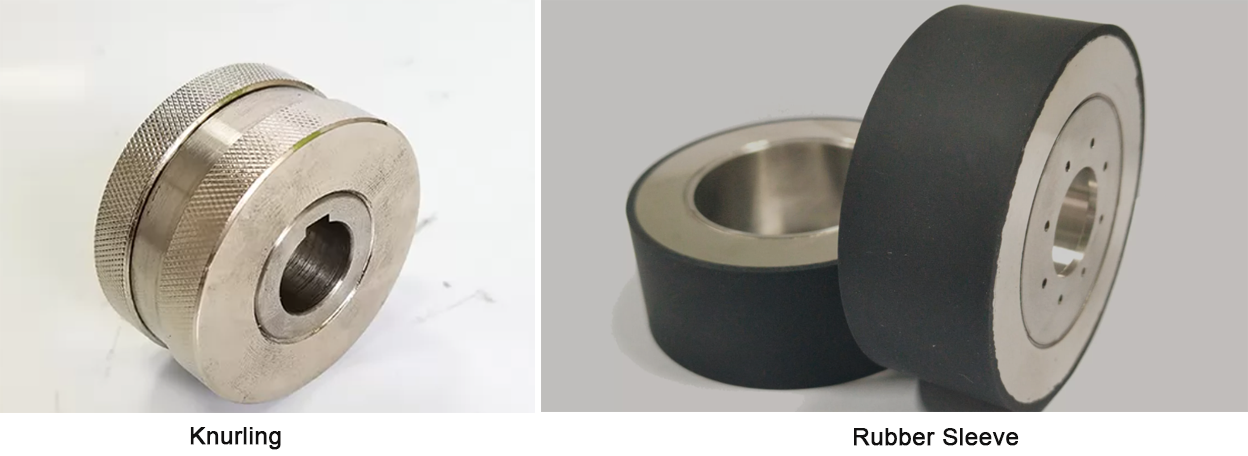
Closed-DieOpen-DieHot ForgingCold ForgingNearshore + Global
1,000+
Forged Components Developed
5
Global Sourcing Regions
Zero
Porosity & Internal Voids
IATF 16949
& ISO 9001 Certified
The Process

What is industrial forging?

Forging is a manufacturing process where metal is pressed, pounded, or squeezed under high pressure into high-strength parts. The process refines the grain structure of the metal, improving its physical properties, impact resistance, and structural integrity.
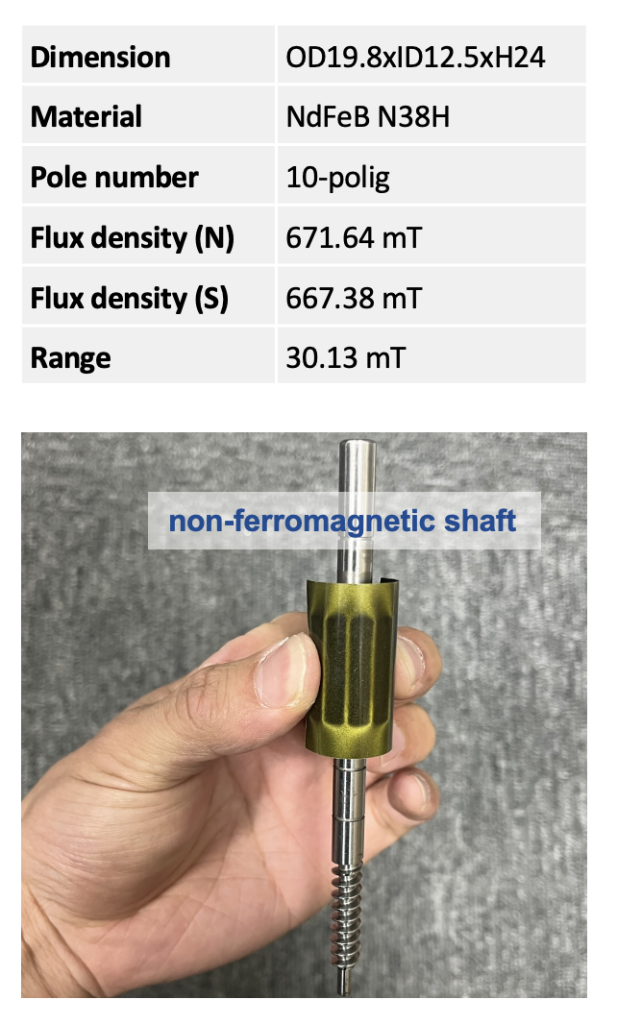
Unlike casting or machining from bar stock, forging aligns the metal's grain flow with the shape of the part, providing unmatched strength for critical load-bearing applications in automotive, agriculture, energy, and heavy construction equipment.
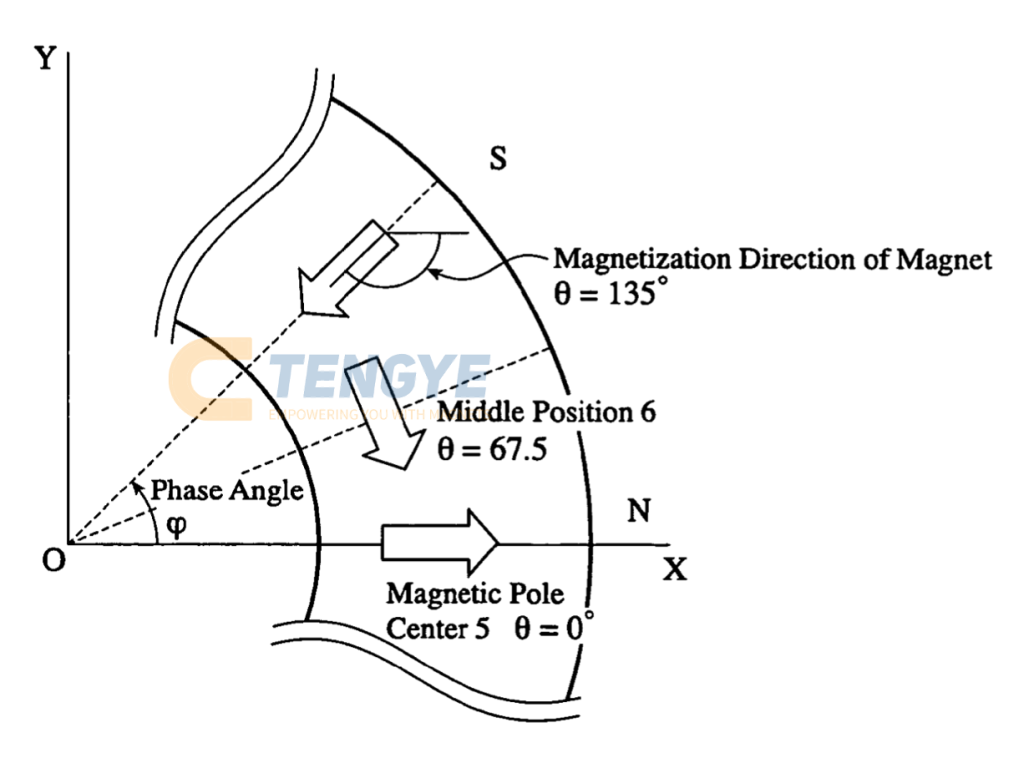
Strength
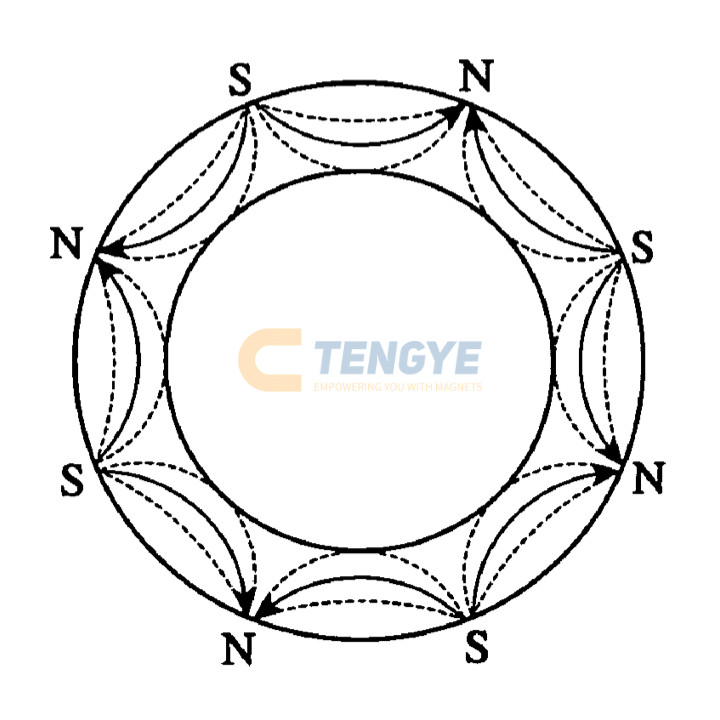
Superior grain flow
Integrity
No internal voids
Efficiency
Less material waste
Industrial forging process
Forged steel componentHigh-Strength
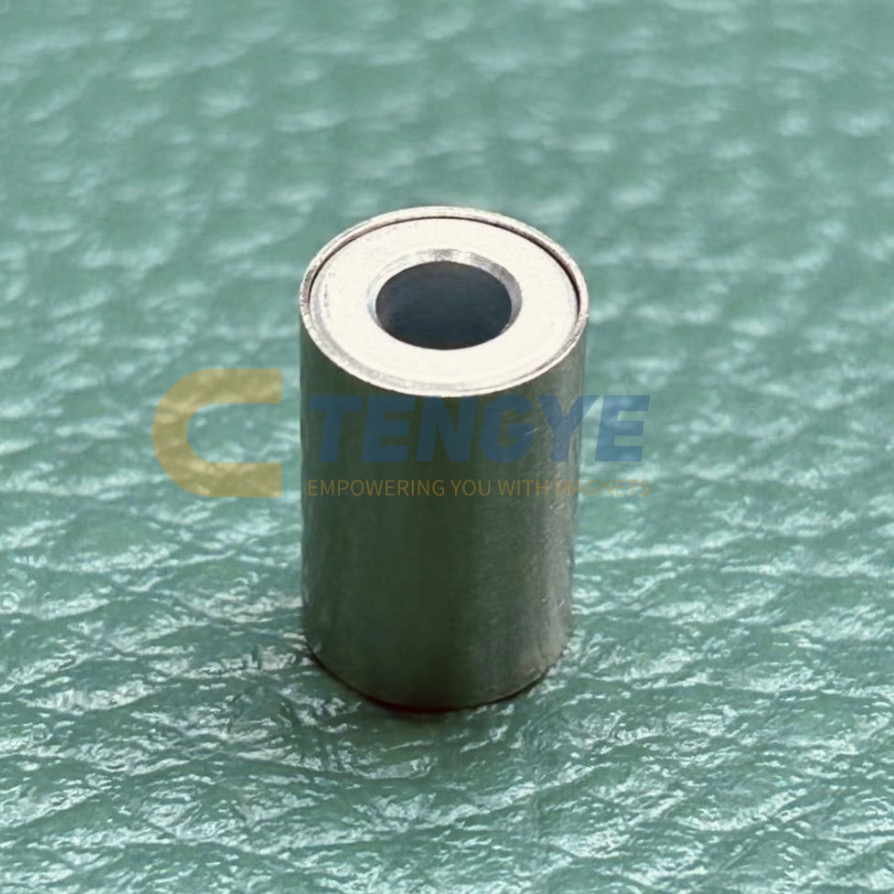
Processes

Forging processes we support

Empire ensures the right temperature process for your material and tolerance needs, selecting the optimal forging method to balance strength, precision, and cost.

01 / 04

Closed-Die Forging

Metal is pressed between dies with precut profiles. Best for high-volume, complex geometries like gears and connecting rods.

02 / 04

Open-Die Forging

Shaped between multiple dies that do not enclose the material. Ideal for very large, simple parts before secondary machining.

03 / 04

Hot Forging

Metal is heated above recrystallization temperature. Ensures high formability for extremely complex shapes without cracking.

04 / 04

Cold Forging

Deformed at room temperature. Delivers superior dimensional control and surface finish without requiring heat treatment.

Materials

Forging alloys

Material selection dictates the strength, weight, and lifespan of a forged part. Empire sources and verifies high-grade steel, aluminum, and stainless billets to meet stringent mechanical property requirements.

Material Group
01
Carbon Steels
10201045
Economical, easily forgeable, and heat-treatable for various industrial applications.
02
Alloy Steels
41404340
Superior strength, toughness, and wear resistance for highly stressed components like gears and shafts.
03
Aluminum
60617075
Excellent strength-to-weight ratio, commonly used in automotive, aerospace, and high-performance applications.
04
Stainless Steel
304316410
Provides exceptional corrosion resistance and mechanical strength for harsh environments and food-grade applications.
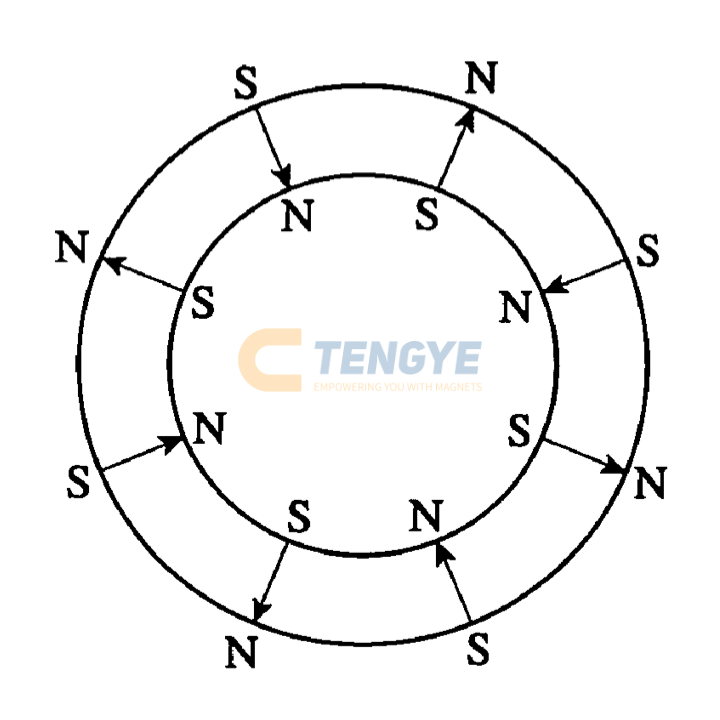
Value Add

Turnkey forged solutions

Forging is rarely the final step. Raw forgings often require precision machining, heat treatment, and protective finishing before assembly. Empire manages the entire value stream, delivering ready-to-assemble components that meet stringent quality standards.

Secondary Operation
Secondary CNC Machining
Precision milling and turning to achieve final tolerances on bearing surfaces, threads, and mounting points.
Heat Treatment
Normalizing, quenching, tempering, and case hardening to achieve target hardness and structural properties.
Surface Finishing
Shot blasting, plating, e-coating, and powder coating for corrosion resistance and aesthetics.
Quality Assurance
Magnetic particle inspection, ultrasonic testing, dimensional CMM verification, and material certifications.
Customers Served

Trusted by leading manufacturers

Empire supplies forged components and managed supply chain services to some of the most demanding OEMs in the world — built on the confidence that Empire manages the entire supply chain, factory door to customer door.

Eaton logoHoneywell logoSiemens logoEmerson logoSchneider Electric logoBorgWarner logoHubbell logoHonda logo
ISO 9001:2015 CertifiedMinority Certified — SCOMBC
FAQ

Frequently asked questions

Forging is preferred when the component requires maximum structural integrity, impact resistance, and fatigue strength. The forging process eliminates internal porosity and aligns the metal grain, making it ideal for highly stressed parts like gears, rods, and heavy equipment components. Casting is generally better for highly complex internal geometries that are difficult to forge.

Standard tooling lead times for closed-die forgings generally range from 4 to 8 weeks depending on the complexity of the part and die size. First Article Inspection (FAI) samples follow shortly after tooling completion.

Yes. Most forgings require secondary CNC machining to achieve tight tolerances on mating surfaces, threads, and bores. Empire manages the entire process from forging to final machining, heat treatment, and surface finishing.

RFQ // ENGINEERING REVIEW

Ready to optimize your forging supply chain?

Send us your CAD files. Our engineers review your requirements, optimize the manufacturing process, and return a global sourcing quote.

STEP / IGES / X_T acceptedDFM feedback includedQuote in 5–10 days
Manufacturing / Investment Casting

Lost Wax
Investment Castings.

Cast with precision. Sourced with confidence.
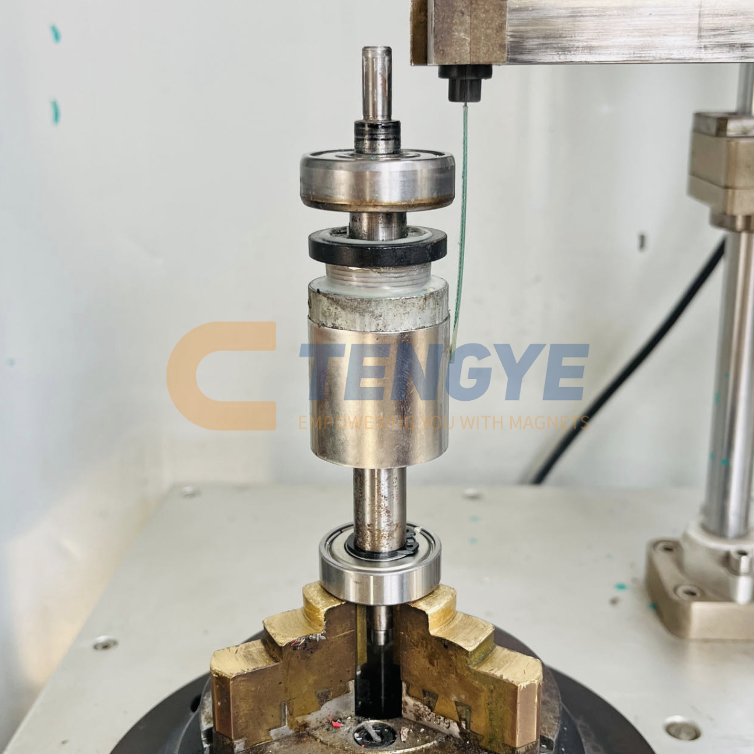
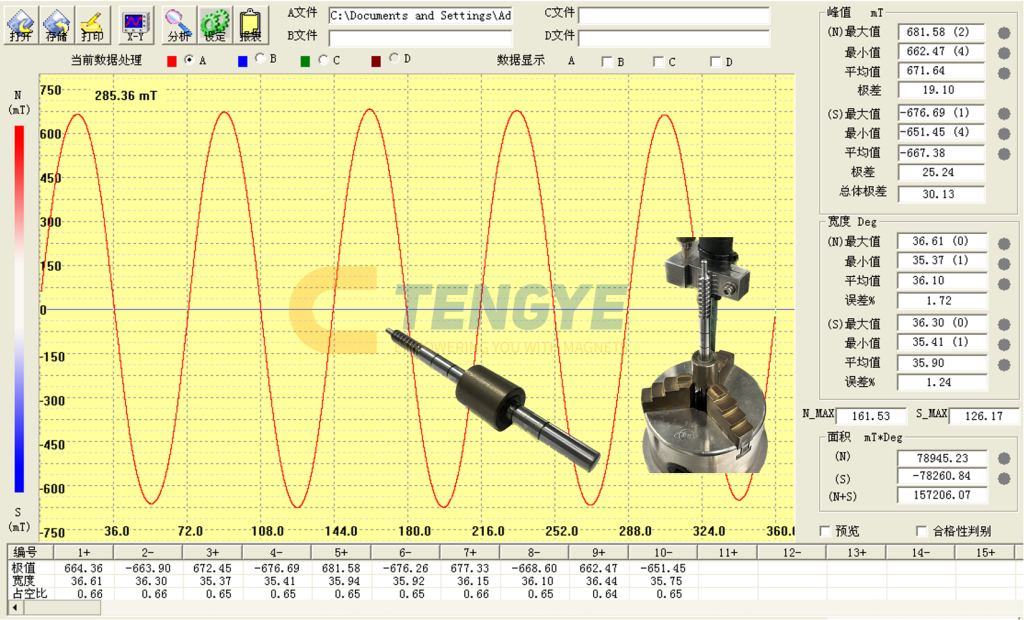
Precision investment castings in the metals die casting can't touch — steel, stainless, and beyond — globally sourced and program-managed. Empire doesn't just source the part. We manage the quality, tooling, and supply chain that deliver it.

SteelStainlessAluminumBronzeNear-Net-ShapeComplex GeometrySource-Verified

Near-Net-Shape

Less machining, less waste

±0.005"/in

Linear tolerance

Steel & Stainless

Metals die casting can't cast

Since 2009

ISO 9001 certified
The Process

What is investment casting?

Investment casting — also called lost wax casting — is a precision metal-forming process that produces complex, near-net-shape components from ferrous and non-ferrous metals including steel, stainless steel, aluminum, brass, and bronze. A wax pattern is coated in ceramic slurry to build a mold shell, the wax is melted out, and molten metal is poured into the cavity.

Because the mold is formed around a precise wax replica, investment casting delivers superior dimensional accuracy, intricate detail, and thin walls — often eliminating the extensive machining a part would otherwise need if cut from bar stock.

Tolerance
±0.005"/in (±0.13 mm/mm)
Surface finish
~125 RMS
Materials
Ferrous & non-ferrous
Investment casting process
Lost wax investment castingNear-Net-Shape
Spotlight

The parts die casting can't make

Die casting is limited to low-melting-point metals — aluminum, zinc, magnesium. Investment casting isn't. That's why it's the right process when your part demands steel or stainless steel, intricate geometry, or a near-net shape that saves machining.

01 / 04

High-melting-point metals

Carbon steel, alloy steel, and stainless (304, 316, 17-4 PH) die casting can’t process.

02 / 04

Complex geometry

Thin walls, internal passages, and undercuts in a single casting.

03 / 04

Near-net-shape

Less material removed, less waste, less secondary machining.

04 / 04

Verified at the source

Empire quality engineers confirm every casting before it ships.

Capabilities

Investment casting capabilities at MES

Empire sources and manages precision investment castings through a vetted global supplier network — supporting a full range of materials, part sizes, and production volumes.

Capability areas
01 — Materials We Cast
02 — Part Complexity
03 — Production Volumes
04 — Secondary Operations
Precision stainless steel investment cast parts
Steel & stainless castingsSource-Verified
Investment cast stainless impeller with thin curved blades
Complex geometry
Investment cast valve bodies under CMM dimensional inspection
CMM verified
±0.005"
per inch linear tolerance, as cast
01

Materials We Cast

Carbon steel and alloy steelStainless steel (300 & 400 series)Aluminum alloysBrass and bronzeDuctile iron and gray iron
02

Part Complexity

Thin-walled and delicate geometriesComplex internal passages and undercutsNear-net-shape componentsTight-tolerance housings and valve bodiesBrackets and fittings
03

Production Volumes

Prototype and low-volume runsHigh-volume productionJIT delivery programsMES-managed warehousing
04

Secondary Operations

CNC machining post-castingHeat treatment & finishingAssembly and sub-assemblyDimensional inspectionCMM reporting
Supply Chain Ownership

More than a casting supplier — a supply chain partner

Most investment casting companies hand you a part and a tracking number. Empire owns your supply chain instead.

Dedicated Supply Chain Specialist

A single point of contact focused on your account, tracking your castings from the factory floor in real time with proactive lead-time updates.

Demand Planners on Your Account

Empire planners work with your team on forecasting and inventory — managing seasonal swings, launches, and disruptions to keep production running.

In-Factory Quality Teams

Empire quality engineers are stationed inside partner foundries, verifying dimensions, surface finish, and material certifications before parts ship — not at your receiving dock.

Global Warehousing Network

Strategically located warehouses in Ohio, Poland, and Mexico for domestic buffer stock, JIT delivery, and nearshore inventory support.

Live supply lanesFactory door → your door
ASIAEUROPEMEXICOUSA
Shipping accuracy
98.4%
Shipped right, first time
Ohio
US buffer stock
Poland
European hub
Mexico
Nearshore JIT
Why MES

The Empire difference

What you need
What Empire delivers
Complex, tight-tolerance castings
Global network of vetted investment casting foundries
Steel and stainless capability
High-melting-point alloys die casting can't process
Confidence in part quality
In-factory Empire quality teams at the source
Supply chain visibility
Dedicated supply chain specialist on your account
Inventory control
Empire demand planners for forecasting and replenishment
Fast, reliable delivery
Warehousing in Ohio, Poland, and Mexico
A single point of accountability
One partner from factory door to your door
Customers Served

Trusted by leading manufacturers

Empire supplies investment castings and managed supply chain services to some of the most demanding manufacturers in the world — built on the confidence that Empire manages the entire supply chain, factory door to customer door, with zero gaps in visibility or accountability.

Eaton logoHoneywell logoSiemens logoEmerson logoSchneider Electric logoBorgWarner logoHubbell logoHonda logo
ISO 9001:2015 CertifiedMinority Certified — SCOMBC
FAQ

Frequently asked questions about investment casting

Investment casting (lost wax) uses a ceramic mold built around a wax pattern that is melted away before metal is poured. It excels at complex geometries, thin walls, and intricate details across a wide range of metals — including steel and stainless steel. Die casting forces molten metal under high pressure into a reusable steel die and suits high-volume, simpler aluminum or zinc parts. Investment casting offers superior dimensional accuracy and design flexibility; die casting offers speed at scale for lower-melting-point alloys.

Carbon steel, alloy steel, stainless steel (304, 316, 17-4 PH, and others), aluminum alloys, brass, bronze, and ductile iron. The process is especially valued for casting high-melting-point alloys like stainless steel that can't be die cast.

Investment casting typically achieves linear tolerances of ±0.005 inches per inch (±0.13 mm/mm) with surface finishes around 125 RMS. Tighter tolerances on specific dimensions are achievable through secondary CNC machining — making it ideal for precision parts that would otherwise require extensive machining from bar stock.

Standard lead times run 6 to 12 weeks for production tooling and initial samples, depending on part complexity and material. Repeat orders can run faster with inventory programs. Empire supply chain specialists proactively manage lead times, and warehousing positions buffer inventory close to your facility for JIT delivery.

Lost wax casting is another term for investment casting. A wax replica of the part is coated in ceramic slurry to form a mold shell, then the wax is "lost" — melted out — before molten metal is poured in. The two terms are used interchangeably.

Empire assigns quality engineers inside partner foundries. Rather than inspecting after parts arrive, teams verify dimensional accuracy, material compliance, and surface quality at the source — including first-article inspection (FAI), in-process checks, and review of material test reports (MTRs). Parts are verified before they ship.

Yes. Empire provides investment castings with integrated CNC machining, delivering finished or semi-finished components ready for assembly — reducing your supplier count and keeping the supply chain consolidated under one point of accountability.

Empire supports both prototype/development quantities and full production volumes. MOQs vary by part complexity and supplier, and our team works with you to find a cost-effective solution wherever you are in your product development cycle.

RFQ // ENGINEERING REVIEW

Ready to source precision investment castings?

Send us your CAD files. Our engineers review your requirements, recommend the right material and process, and return a global sourcing quote.

STEP / IGES / X_T acceptedDFM feedback includedQuote in 5–10 days
Manufacturing / Extrusions

Aluminum
Extrusions.

Structural precision. Engineered at scale.

Custom aluminum extruded profiles and standard shapes — globally sourced and program-managed. Empire controls the dies, tolerances, and secondary operations to deliver finished components ready for assembly.

Custom ProfilesStandard Dies6000-SeriesSecondary OpsNearshore + Global
500+
Profiles Developed
600–6,000T
Tonnage Range
5
Global Sourcing Regions
ISO 9001
& IATF Certified
The Process

What is aluminum extrusion?

Extrusion forces heated aluminum billet through a highly engineered steel die to create continuous profiles. It allows for complex cross-sections that integrate mounting channels, heat-dissipating fins, and structural ribs directly into the raw material shape.

Ideal for structural framing, thermal management, and enclosures, aluminum extrusion minimizes material waste and downstream machining while maintaining a high strength-to-weight ratio.

Complexity
Hollows & Webs
Strength
High stiffness
Tooling
Low cost dies
Finished aluminum extrusion
AL 6063-T5CUSTOM DIE
Precision ProfileMulti-cavity
Capabilities

Extrusion profiles & tooling

Solid

Solid Profiles

Solid shapes with no enclosed voids. Highly cost-effective tooling for rails, brackets, heatsinks with fins, and structural supports.

Best for

Heatsinks, brackets, and structural beams.

Hollow

Hollow & Semi-Hollow

Profiles featuring completely enclosed voids or deep channels. Manufactured using specialized porthole dies to merge material flows inside the tooling.

Best for

Tubing, enclosures, window frames, and fluid manifolds.

Value-Added Secondary Ops

Most extrusions require finishing. Empire manages precision cutting, CNC machining (drilling, tapping, milling), and surface finishing (anodizing, powder coating, chromating) to deliver a completed, ready-to-assemble part.

Materials

Extrusion Alloys

The 6000-series aluminum alloys are the workhorse of the extrusion industry. They offer excellent extrudability, high structural strength, corrosion resistance, and are readily anodized or welded.

Alloy class
AL 6061
AL 6063
AL 6005A
Material Group
01
AL 6061
T4T6
The most widely used structural alloy. Offers high strength, good toughness, and excellent corrosion resistance. Ideal for heavy-duty structural components.
02
AL 6063
T5T6
Known as the architectural alloy. Provides an excellent surface finish and is highly suitable for anodizing. Used heavily in enclosures, windows, and trims.
03
AL 6005A
T5T6
A compromise between 6061 and 6063. Offers better extrudability than 6061 and higher strength than 6063. Common in automotive and transport.
FAQ

Frequently asked questions

Custom extrusion dies typically take 2-4 weeks to manufacture, depending on the complexity of the profile (solid vs. hollow) and the number of cavities. Sample profiles are provided for approval shortly after tooling completion.

Yes. We provide comprehensive secondary operations including precision cutting, CNC drilling and tapping, bending, welding, and surface finishing (anodizing, powder coating, and brushing).

6061 is preferred for high-strength structural applications, while 6063 offers a better surface finish and superior anodizing response, making it ideal for visible architectural or consumer product components.

Absolutely. We match your extrusion requirements with our vetted network of extrusion partners across Mexico, India, Vietnam, and other regions to optimize cost, tooling, and lead time.

RFQ // ENGINEERING REVIEW

Ready to quote your profile?

Upload your CAD models and let our engineering team match your profile with the optimal alloy, tooling strategy, and global supplier.

STEP / IGES / X_T acceptedDFM feedback includedQuote in 5–10 days
Manufacturing / CNC Machining

Precision
CNC Machining.

Machined with precision. Delivered with speed.

Precision-machined metal and plastic components — globally sourced and program-managed. Empire doesn't just source the part. We manage the quality, tolerances, and supply chain that deliver it.

CNC TurningCNC MillingMulti-Axis3/4/5-AxisNearshore + Global
±0.0005"
Tightest Tolerance
1–100K+
Production Volumes
5
Global Sourcing Regions
IATF 16949
& ISO 9001 Certified
The Process

What is CNC machining?

CNC machining — Computer Numerical Control machining — is a subtractive process in which computer-controlled cutting tools remove material from a solid workpiece to produce a precisely dimensioned metal or plastic component. CNC programs translate CAD models into exact tool paths, delivering highly repeatable production of complex parts to tight tolerances.

Because the same program runs identically across thousands of cycles, CNC machining delivers the dimensional consistency that demanding automotive, energy, and industrial programs require — from a single prototype to volumes above 100,000.

Tolerance
To ±0.0005"
Surface finish
32 Ra to 8 Ra & finer
Volumes
Prototype to 100,000+
Precision CNC machined aluminum component
AL 6061-T65-AXIS
Finished machined component±0.0005"
Capabilities

CNC processes we support

Turning

CNC Turning

The workpiece rotates against a stationary cutting tool to produce cylindrical features — diameters, bores, threads, grooves, and tapers.

Best for

Rotational parts — shafts, hubs, bushings, pins, and rollers.

Milling

CNC Milling

A rotating tool cuts a fixed workpiece to produce prismatic features — flat faces, pockets, slots, holes, and contoured 3D geometry across 3-, 4-, and 5-axis centers.

Best for

Complex, multi-sided, and tight-tolerance components.

How to choose

Use turning for rotational parts and milling for prismatic or complex geometry. Many components need both — plus grinding, boring, drilling, and tapping. Empire matches the process, machine, and supplier to your part's geometry, tolerance, and volume — before the first chip is cut.

Multi-Axis & 5-Axis

5-axis machining moves the tool along five simultaneous axes, cutting complex multi-sided features in a single setup. Fewer setups means better accuracy, shorter cycle times, and geometries impossible on 3-axis machines.

Materials

Materials we machine

Material selection is driven by mechanical load, weight target, corrosion exposure, thermal requirements, and cost — evaluated with your team during quoting, not after.

Material class
Non-ferrous metal
Ferrous alloy
Specialty metal
Polymer
Material Group
01
Aluminum
6061606370752024
Strong, lightweight, excellent machinability and thermal conductivity.
02
Steel & Alloy Steel
101841404340
General-purpose through high-strength structural applications.
03
Stainless Steel
30330431617-4 PH
Chromium-alloyed corrosion resistance for energy, medical, and industrial parts.
04
Iron
DuctileGray
Durable cast iron for load-bearing components.
05
Specialty Metals
TitaniumBrassCopperMagnesium
Specialty alloys matched to conductivity, weight, and strength requirements.
06
Engineering Plastics
Delrin (acetal)PEEKNylonUHMW
High-performance polymers for wear, chemical, and electrical applications.
Engineering

Design & engineering support (DFM)

Our engineers support design for manufacturability from concept through launch — reducing redesigns and hitting your specifications the first time. Typical guidance we provide:

Send us your part for a DFM review

Tolerances & GD&T

We flag where tolerances are truly critical so cost isn't spent tightening features that don't need it.

Material selection

Balancing machinability against mechanical, thermal, and corrosion requirements.

Feature & tool access

Designing around standard tooling and reachable geometry to control cost and cycle time.

Threads & holes

Standard sizes and depths reduce tooling changes and lead time.

Surface finish

Specifying finish only where the application requires it.

First-article & CAM review

Toolpaths and first articles verified before production release.

One partner. The finished part.

Empire manages the full component — not just the machining. One partner delivers the finished, inspected, ready-to-install part.

Heat treatmentDeburringPassivationAnodizingPlatingPowder coatingLaser markingAssemblyLeak testingCMM inspection

Verified at the source

Empire embeds engineers and quality specialists inside supplier facilities — measuring quality at every production stage, not just at final inspection.

  • CMM dimensional inspection
  • First Article Inspection Reports (FAIR)
  • PPAP submission & management
  • In-process controls
  • On-site embedded engineers
IATF 16949 CertifiedISO 9001:2015 Certified
Why MES

The Empire difference

How most suppliers work
  • Find a machine shop and place the order
  • React when quality slips
  • Hand you the supply chain to manage
  • Catch defects after delivery
  • Leave you chasing status
How Empire works
  • Match part complexity to the right geography, machine, and supplier
  • Manage PPAP, tooling, and quality proactively
  • Build redundancy into your supply chain
  • Confirm critical features at the source, before parts ship
  • Keep engineers on-site and a specialist on your account

Every account gets a dedicated planner and supply chain specialist who own forecasts, inventory, and on-time delivery.

Global Network

Globally sourced CNC machining

Empire maintains active machining suppliers across the key manufacturing hubs of Mexico, Europe, Japan, India, China, and Vietnam — optimizing lead time, cost, and logistics per program, and enabling China+1 strategies for customers diversifying risk.

Mexico flagNearshoring
Mexico

Metrics Works (Saltillo) + USMCA duty-free access

Europe flagEU proximity
Europe

Precision machining, Poland hub

Japan flagHigh-precision
Japan

High-mix, high-accuracy capability

India flagCost advantage
India

Scaling precision at competitive cost

China flagHigh-volume
China

Established capacity across all part sizes

Vietnam flagDiversification
Vietnam

Tariff-diversified supply resilience

6 countries — nearshore and global machining capacity, managed as one network
Metrics Works CNC machining facility in Saltillo, Mexico
Saltillo, MX
Spotlight

Nearshore machining in Saltillo, Mexico

Empire operates its own capacity — Metrics Works, a company-operated machining facility in Saltillo, Coahuila, at the heart of Mexico's largest automotive cluster. It gives North American OEMs a nearshore alternative to overseas machining: shorter lead times, simpler ground-freight logistics, USMCA-aligned sourcing, and time-zone-aligned engineering.

Saltillo
Coahuila, MX
3/4/5-Axis
Machining centers
USMCA
Aligned sourcing
Talk to us about nearshoring
FAQ

Frequently asked questions

CNC turning rotates the workpiece against a stationary tool to create cylindrical features — diameters, bores, threads, and tapers — ideal for shafts, hubs, and pins. CNC milling moves a rotating tool against a fixed workpiece to create prismatic features such as flat surfaces, pockets, slots, and 3D contours. Many components require both.

For automotive programs, Empire sources through IATF 16949-certified supplier facilities and supports the full automotive quality chain — PPAP, control plans, FMEA, and material certifications — to meet OEM and Tier-1 requirements. Empire has held ISO 9001:2015 certification since 2009.

Yes. MES operates Metrics Works, a company-operated machining facility in Saltillo, Coahuila — in Mexico's largest automotive cluster — offering shorter lead times, simpler logistics, USMCA-aligned sourcing, and time-zone-aligned engineering support.

Standard tolerances are typically ±0.001" (±0.025 mm); tight-tolerance features can be held to ±0.0005" (±0.013 mm) or better. Surface finishes range to 32 Ra or finer, with critical dimensions verified at the source using CMM before parts ship.

Aluminum (6061, 7075), carbon and alloy steels (1018, 4140, 4340), stainless steels (304, 316, 17-4 PH), ductile and gray iron, brass, copper, magnesium, titanium, and engineering plastics including Delrin, PEEK, nylon, and UHMW.

Empire embeds quality engineers inside partner facilities. Dimensional accuracy is verified against your drawing with CMM equipment, first article reports are reviewed, and critical features are confirmed before parts ship — not discovered at your dock.

Prototypes are often 1–3 weeks; production orders typically 4–10 weeks. Nearshore capacity at Metrics Works and warehousing near your facility can significantly compress replenishment lead times.

RFQ // ENGINEERING REVIEW

Ready to optimize your supply chain?

Send us your CAD files. Our engineers review your requirements, optimize the manufacturing process, and return a global sourcing quote.

STEP / IGES / X_T acceptedDFM feedback includedQuote in 5–10 days
Home/Products/Strategic Materials/Specialty Chemicals

Specialty Chemicals

Ceria Polishing Powder, RE Carbonates & Y₂O₃ · IMDG/IATA Export

Industrial and laboratory-grade specialty chemicals for international export — ceria polishing powders, rare earth carbonates, and strategic compounds. Fully compliant packaging to IMDG/IATA standards.

Request a Quote
Product Catalog

Chemical Products & Grades

ProductPurity / GradeParticle SizePackagingApplication
Ceria Polishing Powder99.5-99.9%0.5-3.0 μm25kg drum / 1MT big bagOptical glass, semiconductor CMP, precision optics
Lanthanum Carbonate99.9-99.99%Powder25kg drumCatalysts, optical glass, FCC catalyst precursor
Cerium Carbonate99.5-99.9%Powder25kg drumAuto catalyst, glass decolorizer, UV absorber
Yttrium Oxide99.99-99.999%1-5 μm1-25kg vacuum-packedPhosphors, laser crystals, YSZ ceramics
Mixed RE CarbonateIndustrialPowder1MT big bagPetroleum cracking catalyst, bulk industrial

Export Compliance

All chemical shipments include SGS or Bureau Veritas assay certificates, GHS-compliant Safety Data Sheets (SDS), and IMDG/IATA dangerous goods documentation where applicable. Custom packaging and labeling for your market requirements.