
AlNiCo Magnets — Unmatched Temperature Stability
Cast and sintered AlNiCo maintains virtually constant flux output from cryogenic temperatures to 450°C+. When your instrument, meter, or sensor must not drift with temperature, AlNiCo is the answer.
For Procurement
MOQ, lead time, packaging and commercial terms — go straight to a quotation.
Request a Quote →For Engineering
Grades, drawings, process data and design support for your DFM review.
Grade Datasheets & Technical Data →For Quality / SQE
Certificates, inspection planning, traceability and PPAP / FAI support per project.
Certificates & Documentation →Magnetic Performance at a Glance

Why AlNiCo?
The oldest commercial permanent magnet material still in production — because nothing else matches its temperature stability.
- ✓Temperature stability — reversible Br coefficient of -0.01 to -0.02%/°C — virtually no flux drift from -60°C to +450°C
- ✓High Curie temperature — 850°C — far above any operating environment
- ✓Excellent corrosion resistance — metallic alloy with natural oxidation resistance
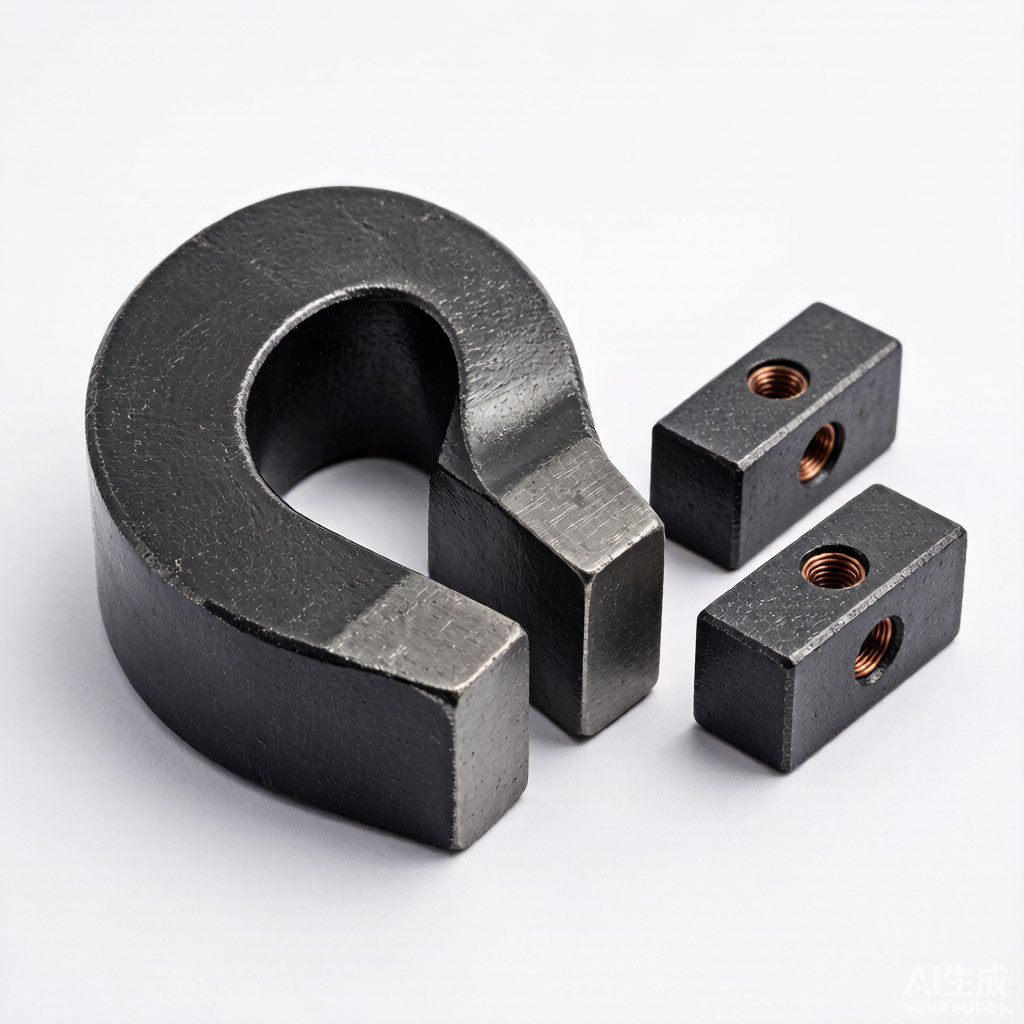
- ✓Castable into complex shapes — horseshoes, E-cores, and custom geometries without assembly
Applications
| Application | Typical Spec | Why This Material |
|---|---|---|
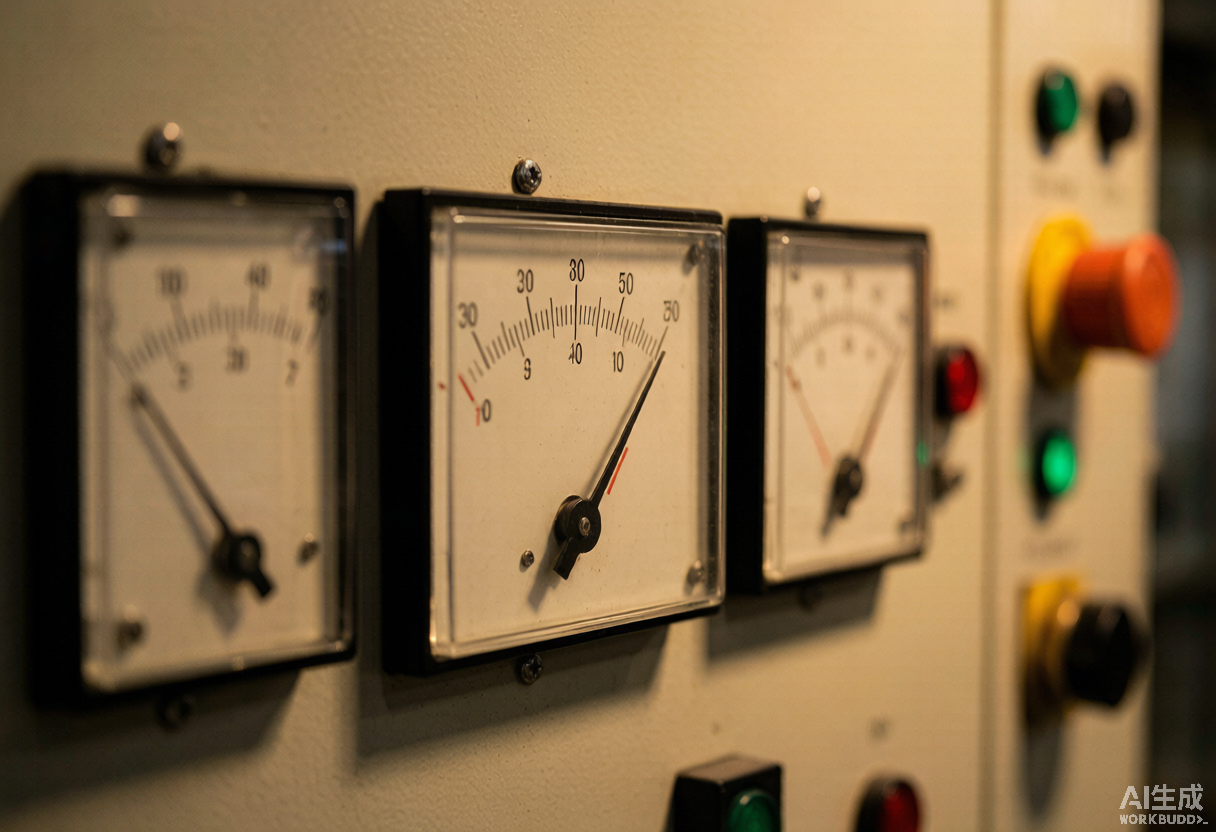
| Precision Instruments | Alnico 2 / 5 | Stable calibration reference over wide temp range |
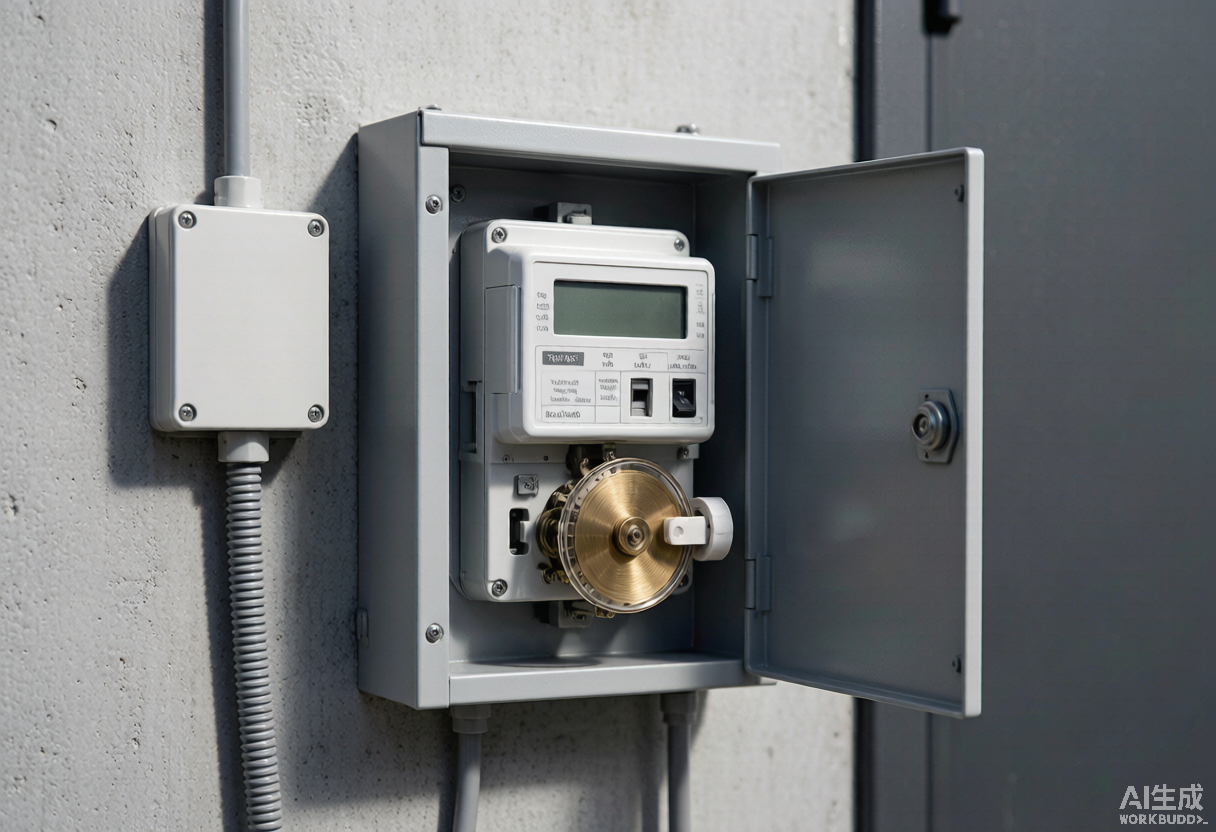
| Watt-Hour Meters | Alnico 5 | Decades of drift-free measurement |
| Reed Switch Actuation | Alnico 3 | Reliable actuation from -40°C to 150°C |
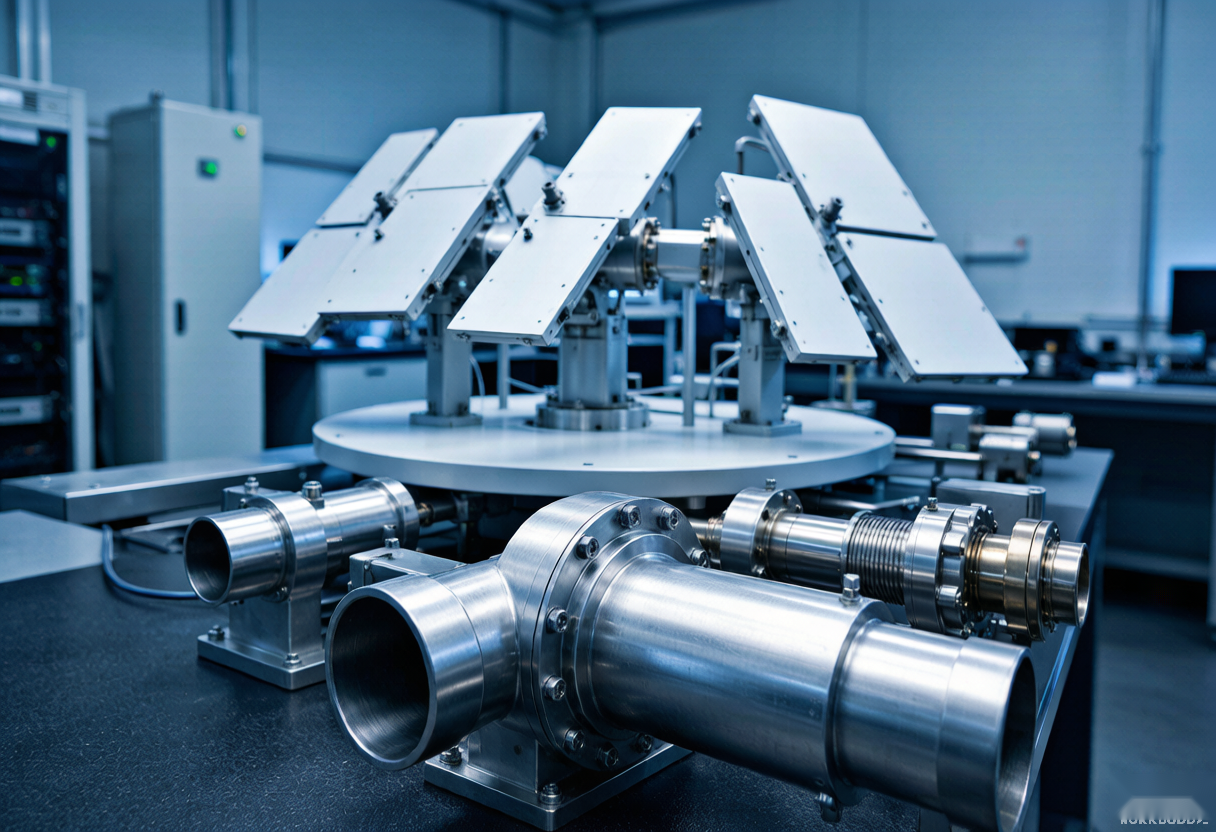
| Radar & TWT | Alnico 8 / 9 | Stable fields at extreme temperatures |
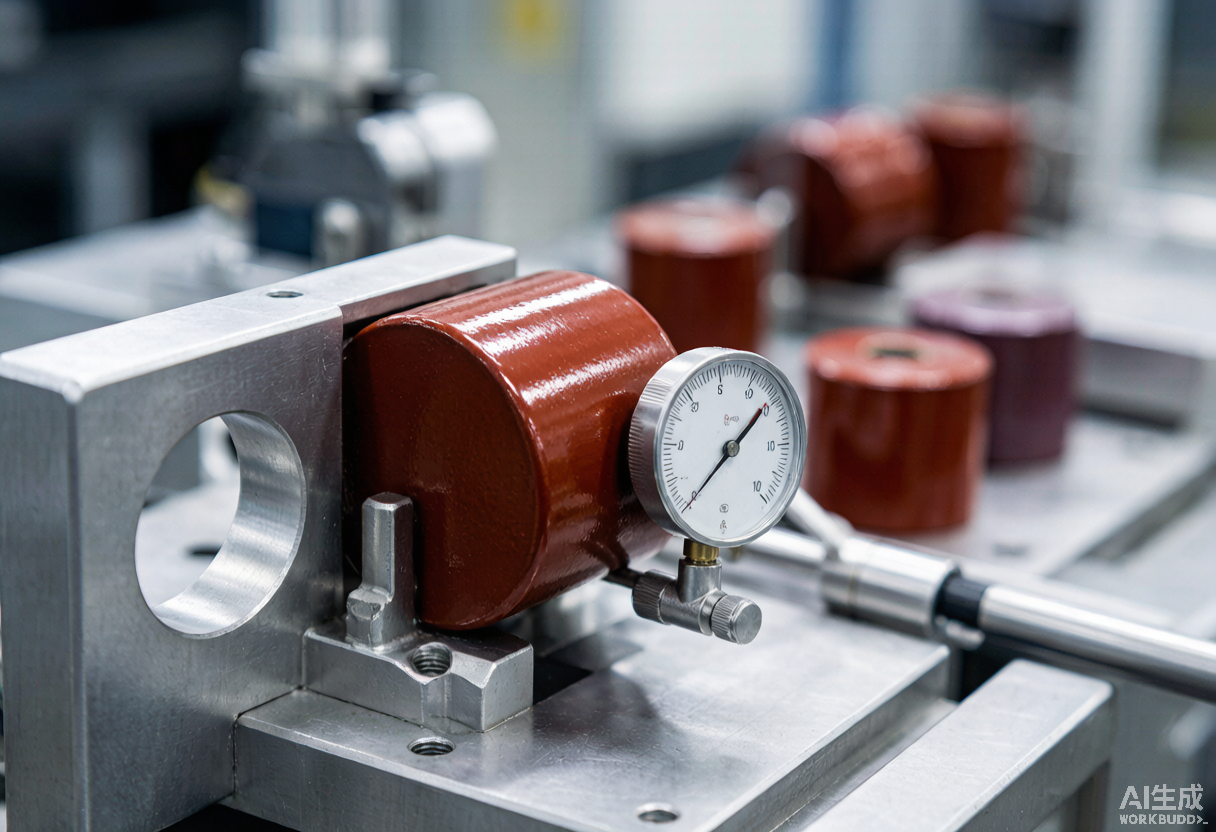
| Educational & Scientific | Alnico 2 | Classic red/green painted demonstration magnets |
Standard AlNiCo Alloys
AlNiCo properties datasheet available for download.
| Alloy | Process | Max Energy Product | Br (kGs) | iHc (Oe) | Max Temp | Best For |
|---|---|---|---|---|---|---|
| Alnico 2 | Cast | 1.5–1.7 MGOe | 7.0–7.5 | 600 | 450°C | General, educational |
| Alnico 5 | Cast | 5.0–5.5 MGOe | 12.5–13.0 | 640 | 450°C | Meters, instruments |
| Alnico 5-7 | Cast | 5.5–6.0 MGOe | 13.2–13.8 | 750 | 450°C | Premium cast |
| Alnico 8 | Cast | 5.0–6.5 MGOe | 8.5–9.5 | 1600 | 450°C | High coercivity |
| Alnico 9 | Sintered | 4.0–5.0 MGOe | 10.5–11.0 | 1500 | 450°C | Small precision parts |
Cast vs Sintered AlNiCo
Two manufacturing routes with different trade-offs:
- ✓Cast AlNiCo — poured as molten alloy — highest energy product, complex shapes possible, larger grain structure
- ✓Sintered AlNiCo — powder metallurgy — tighter tolerances (±0.05mm vs ±0.2mm), finer grain, better for small parts
- ✓Our recommendation — cast for parts >20g and complex geometries; sintered for small precision parts needing tight tolerance
AlNiCo Design Notes
AlNiCo has low coercivity — design the magnetic circuit carefully:
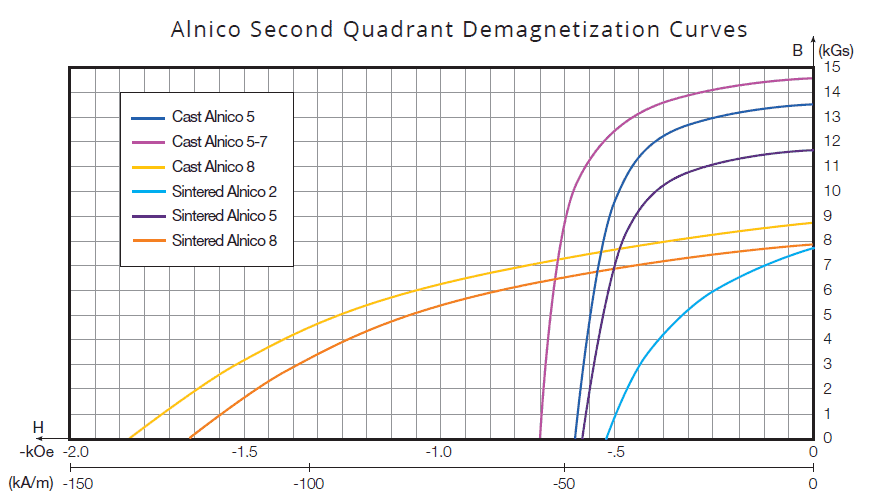
- ✓Low iHc (600–1600 Oe) — AlNiCo demagnetizes easily; length-to-diameter ratio should be ≥4 for reliable operation
- ✓Magnetically stabilized — we can pre-stabilize AlNiCo magnets by demagnetizing 5–10% after magnetization, eliminating further drift
- ✓Magnetization — AlNiCo requires a strong magnetizing field (3–4× iHc) — we can magnetize in-house or supply unmagnetized for your process
- ✓ Machinability — AlNiCo machines like hard steel — drilling and turning are possible but slow; cast parts save machining cost
Complete Technical Data
Full reference tables for AlNiCo Magnets — migrated from our production specification library. Click any row's PDF to download the grade datasheet.
Data table 1
| Sintered AlNiCo – Available Grades | ||||||||||
|---|---|---|---|---|---|---|---|---|---|---|
| NEM Grade | Residual Induction Br | Coercive Force Hc | Intrinsic Coercive Force Hci | Maximum Energy Product (BH)max | Max. Operating Temp.* | |||||
| Nominal kG | Nominal T | Nominal Oe | Nominal kA/m | Minimum Oe | Minimum kA/m | Nominal MGOe | Nominal kJ/m³ | Nominal °C | Nominal °F | |
| Alnico 2 | 7.0 | 0.70 | 500 | 40 | 540 | 43 | 1.5 | 12 | 450°C | 840°F |
| Alnico 5 | 11.0 | 1.10 | 600 | 48 | 600 | 48 | 4.25 | 34 | 450°C | 840°F |
| Alnico 8 | 8.8 | 0.88 | 1,530 | 121 | 1,600 | 127 | 5.25 | 42 | 450°C | 840°F |
| * The listed maximum operating temperatures are based on an adequate Length to Diameter ratio or a properly designed magnetic circuit. The listed values are for reference and validation must occur before one chooses a design path. Please consult a Ningbo Empire technical representative before selecting or designing with AlNiCo magnet alloy. | ||||||||||
Data table 2
| Cast AlNiCo – Available Grades | ||||||||||
|---|---|---|---|---|---|---|---|---|---|---|
| NEM Grade | Residual Induction Br | Coercive Force Hc | Intrinsic Coercive Force Hci | Maximum Energy Product (BH)max | Max. Operating Temp.* | |||||
| Nominal kG | Nominal T | Nominal Oe | Nominal kA/m | Minimum Oe | Minimum kA/m | Nominal MGOe | Nominal kJ/m³ | Nominal °C | Nominal °F | |
| Alnico 5 | 12.2 | 1.22 | 600 | 48 | 630 | 50 | 5.0 | 40 | 500°C | 930°F |
| Alnico 5B | 12.2 | 1.22 | 650 | 52 | 660 | 53 | 5.5 | 44 | 500°C | 930°F |
| Alnico 5 DG | 12.5 | 1.25 | 690 | 55 | 700 | 56 | 6.5 | 52 | 500°C | 930°F |
| Alnico 5-7 | 13.0 | 1.30 | 700 | 56 | 740 | 59 | 7.5 | 60 | 525°C | 980°F |
| Alnico 8-HC | 7.0 | 0.70 | 1,750 | 139 | 1,750 | 139 | 4.5 | 36 | 525°C | 980°F |
| Alnico 8 | 8.2 | 0.82 | 1,500 | 119 | 1,600 | 127 | 5.0 | 40 | 525°C | 980°F |
| Alnico 8B | 8.8 | 0.88 | 1,500 | 119 | 1,650 | 131 | 5.5 | 44 | 525°C | 980°F |
| Alnico 8C | 9.0 | 0.90 | 1,380 | 110 | 1,440 | 115 | 7.5 | 60 | 525°C | 980°F |
| Alnico 9 | 10.5 | 1.05 | 1,410 | 112 | 1,440 | 139 | 9.0 | 72 | 525°C | 980°F |
| * The listed maximum operating temperatures are based on an adequate Length to Diameter ratio or a properly designed magnetic circuit. The listed values are for reference and validation must occur before one chooses a design path. Please consult a Ningbo Empire technical representative before selecting or designing with AlNiCo magnet alloy. | ||||||||||
Data table 3
| Reversible Temperature Coefficient for Cast and Sintered AlNiCo | ||
|---|---|---|
| Temperature Range (°C) | Induction Br (α) (%)/°C | Intrinsic Coercivity Hci (β) (%)/°C |
| 20°C to 150°C | -0.02 to -0.03 | -0.02 to -0.03 |
| α = Δ Br / Δ T × 100 (Br @ 20°C) [ΔT = 20°C – 150°C] β = Δ Hci / Δ T × 100 (Hci @ 20°C) [ΔT = 20°C – 150°C] | ||
Data table 4
| AlNiCo Magnets – Physical Properties | |||
|---|---|---|---|
| Property | Units | Value Sintered AlNiCo | Value Cast AlNiCo |
| Vickers Hardness | Hv | 440 | 440-620 |
| Density | g/cm³ | 6.8 – 7.0 | 6.9 – 7.3 |
| Curie Temp TC | °C | 810 – 860 | 740 – 860 |
| Curie Temp TF | °F | 1,400 – 1,580 | 1,460 – 1,580 |
| Specific Resistance | μΩ·Cm | 50-70 | 45 – 75 |
| Bending Strength | kN/mm² | 0.35 – 0.76 | 0.05 – 0.31 |
| Tensile Strength | kN/mm² | 0.35-0.45 | 0.02 – 0.15 |
| Thermal Expansion | °C-1 | +11.0 to +12.4 ×10⁻⁶ | +11.0 to +13.0 ×10⁻⁶ |
| The listed values are approximate and should be used as a reference. Any magnetic or physical characteristics should be substantiated before selecting a magnet material. Please engage a Ningbo Empire engineer before selecting a design path. | |||
Application Gallery
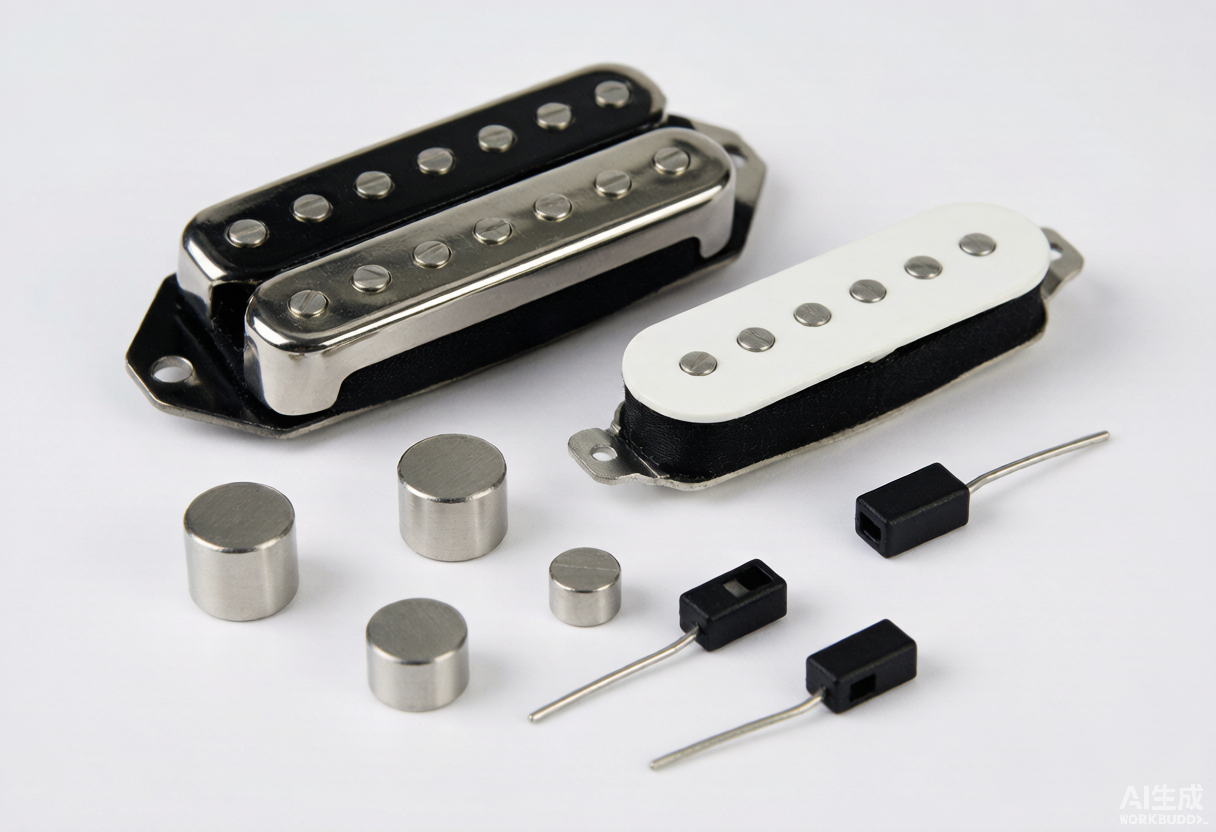
Real applications of AlNiCo Magnets across industries.

Frequently Asked Questions
Why does AlNiCo have such good temperature stability?
AlNiCo's magnetic mechanism — shape anisotropy of elongated FeCo particles in a NiAl matrix — is inherently temperature-insensitive. Its Curie temperature of 850°C is 3× that of NdFeB (310°C), so normal operating temperatures barely affect the magnetic structure.
Why is AlNiCo's coercivity so low?
The same physics that gives temperature stability gives low resistance to demagnetization. AlNiCo magnets must be magnetically 'long' (high L/D ratio) so they operate at a favorable point on their demag curve. Short or disc-shaped AlNiCo magnets will partially demagnetize themselves.
Is AlNiCo still worth using in modern applications?
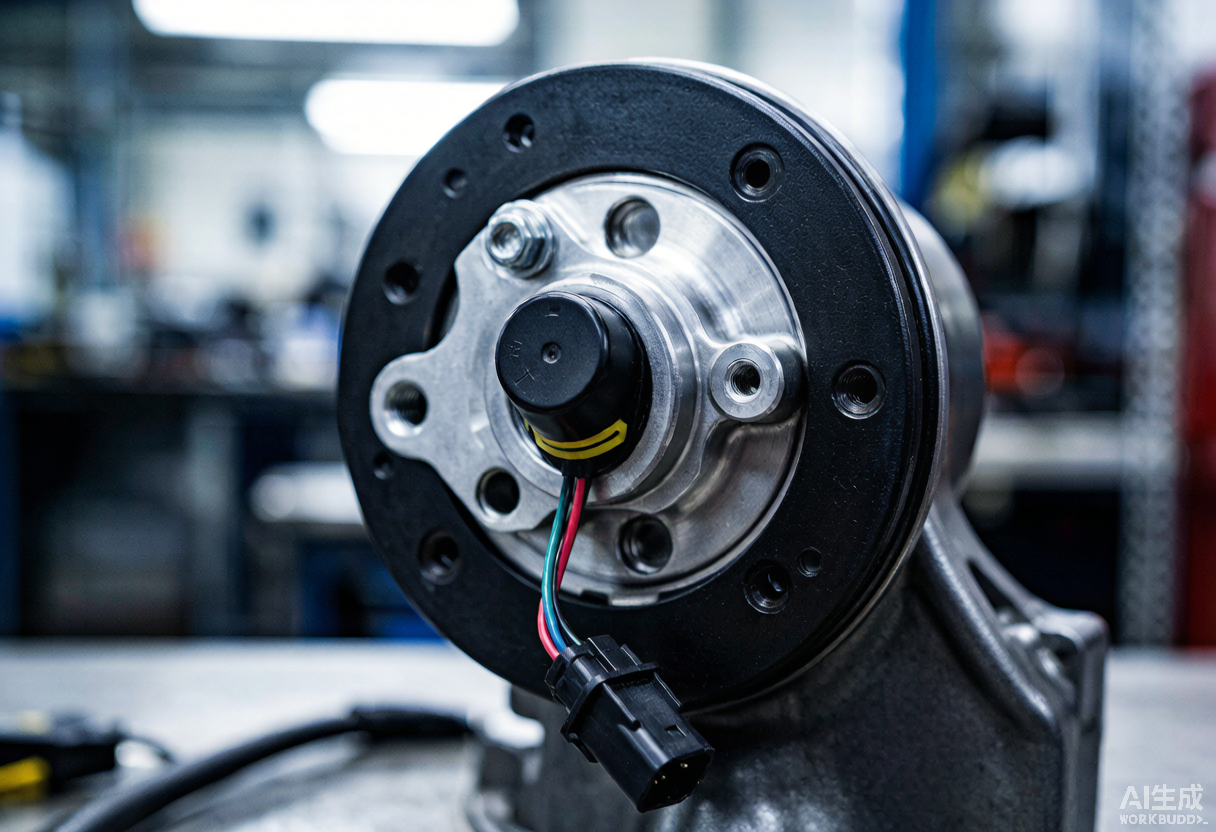
Absolutely — when temperature stability is critical. Electric meters, aerospace sensors, radar systems, and scientific instruments still rely on AlNiCo because no newer material matches its flux-per-degree-temperature stability. It also handles 450°C+, far beyond NdFeB or SmCo.
Can I get AlNiCo in custom shapes?
Yes — cast AlNiCo pours into nearly any geometry: horseshoes, E-cores, rings with poles, complex 3D shapes. This eliminates assembly operations that rare-earth magnets require. Send your drawing for a quote.
Available Geometries
AlNiCo is available cast (complex shapes) or sintered (small precision parts):
- ✓Cast bars, rods & U-shapes — classic instrument geometries
- ✓Pot magnets & assemblies — concentrated flux holding structures
- ✓Complex castings — horseshoes, custom flux paths to your drawing
- ✓Sintered small parts — ±0.05 mm precision for miniatures
- ✓Bonded AlNiCo — machinable composite on request
Machining & Dimensional Tolerances
Cast AlNiCo is near-net-shape; grinding only on functional faces:
| Process | Typical Tolerance | Notes |
|---|---|---|
| As-cast | ±0.3–0.5 mm | Most economical |
| Ground | ±0.05 mm | Pole faces and mounting faces |
| Sintered | ±0.05 mm | Precision small parts |
| Machinability | Note | Cast AlNiCo is hard — machining by grinding only |
Working with AlNiCo — Low Coercivity Design Rules
AlNiCo rewards careful circuit design — our engineers review your geometry before quoting.
Length-to-Diameter Ratio
AlNiCo's low Hcj means it self-demagnetizes in short shapes. Keep L/D ≥ 4 for bars, or use a steel circuit.
Magnetize in Circuit
We recommend magnetizing AlNiCo after assembly, in its final magnetic circuit, to preserve the working point.
Temperature Extremes
Stable from cryogenic to 550°C with the lowest reversible temperature coefficient of any magnet material — ideal for instruments and sensors.
Test & Quality Documentation
What ships with your parts — scoped per project during quotation.
Magnetic Properties
Certificate of Analysis with measured Br / Hcb / Hcj / (BH)max against the specified grade of your AlNiCo parts, from our demagnetization-curve test equipment.
Dimensional Inspection
Dimensional reports by gauge or CMM as agreed in the inspection plan; critical dimensions identified together during DFM review.
Compliance & Project Docs
RoHS / REACH declarations on request, and FAI / PPAP documentation per project requirements.
Have a Drawing or Specification?
Send it to our team for engineering review and quotation — grade recommendation included.