
Assembly interfaces
Identify datum surfaces, bearing bores, threaded connections and the dimensions that control fit.
Cast housings, structural parts and precision interfaces—supported by tooling, machining and project-defined inspection across our strategic manufacturing network.
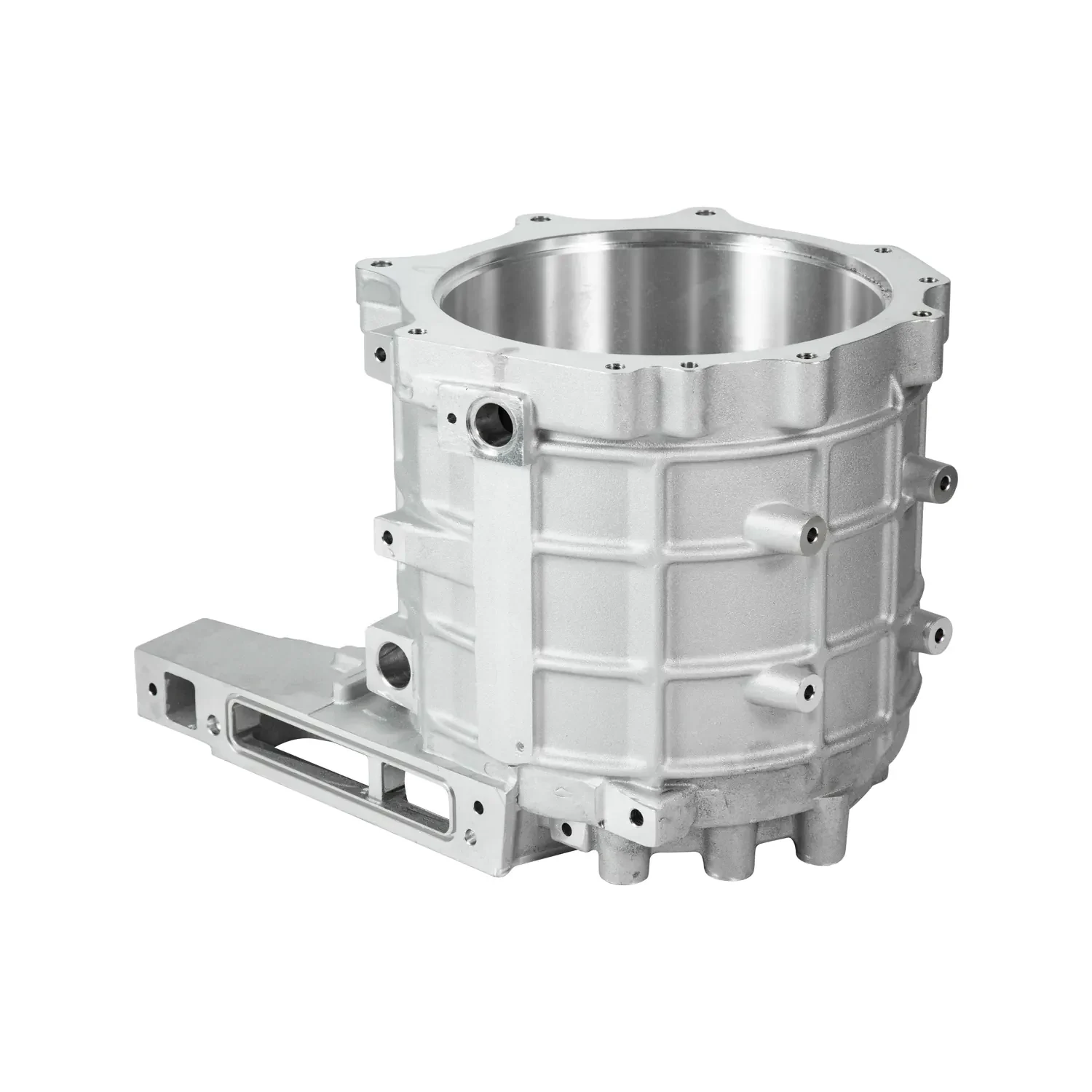
Reference forms for drawing review, not evidence of supplied alloy, manufacturing site or validated performance.
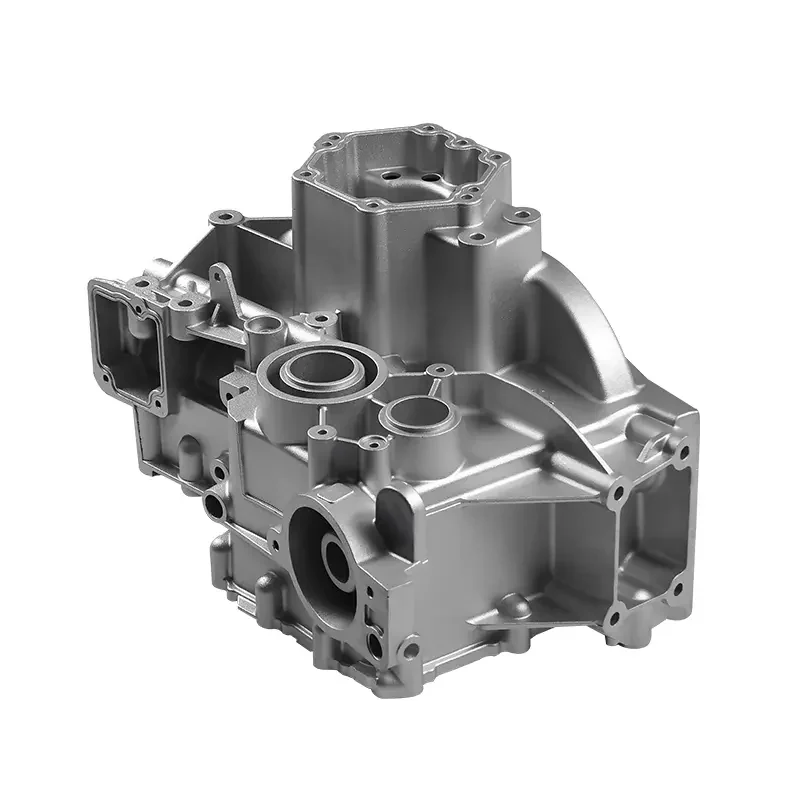
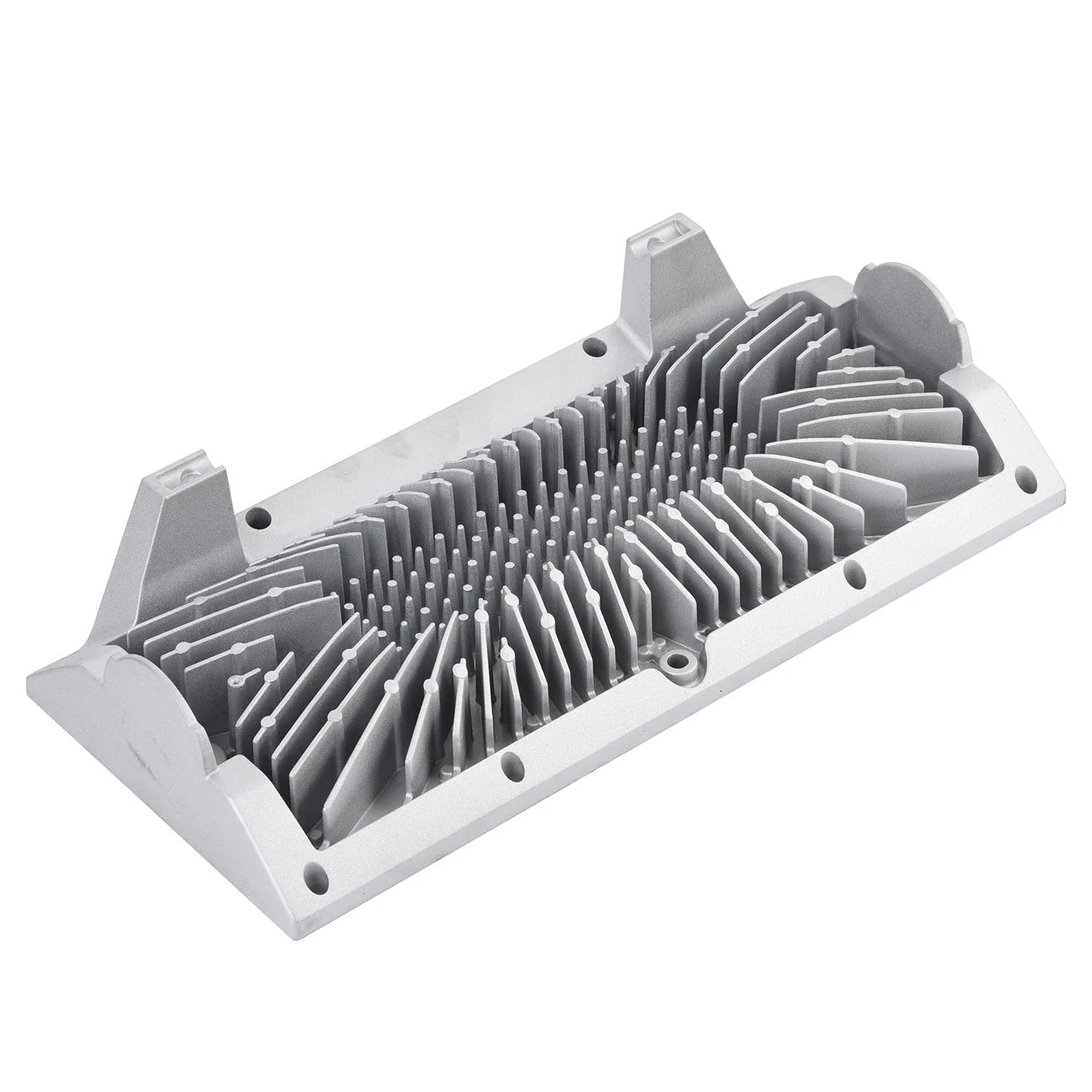
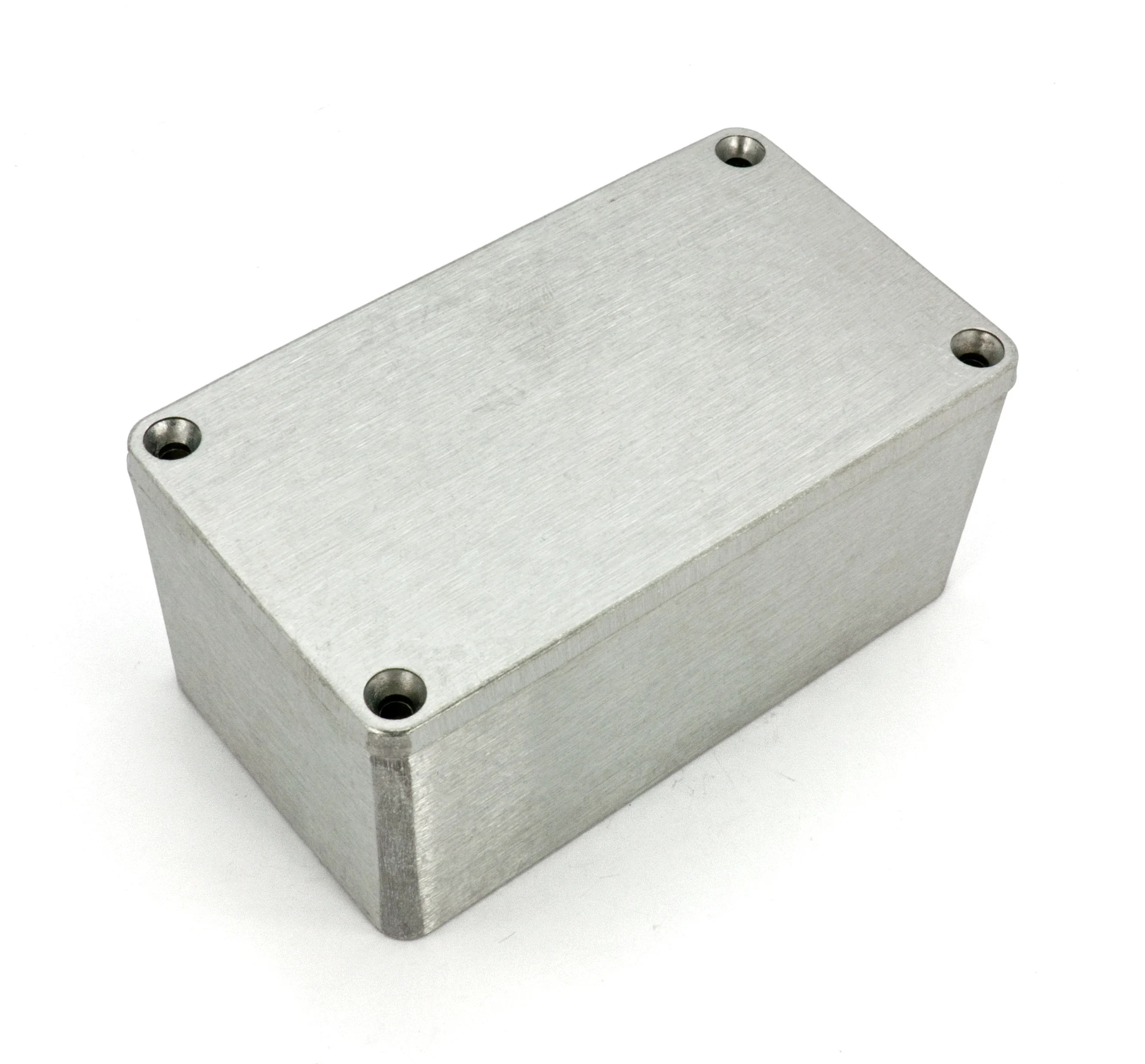
Housings and structural interfaces with agreed dimensional, material and production-approval requirements.
Explore automotive supply Intelligent RoboticsPrecision housings, brackets and interfaces reviewed around assembly access, stiffness and repeatability.
Explore robotics components Aerospace & DefenseComponent programs with product-specific supply responsibilities, inspection and documentation.
Discuss program requirementsExperience is defined by the supplied component and approved project requirements. It is not a blanket certification or performance grade for every casting.
Identify datum surfaces, bearing bores, threaded connections and the dimensions that control fit.
Provide loading, sealing, thermal contact and environmental conditions relevant to the part.
Agree sample approval, inspection records and change-control requirements before production release.
Your drawing, alloy and annual demand guide DFM review of draft, walls, undercuts and machining stock.
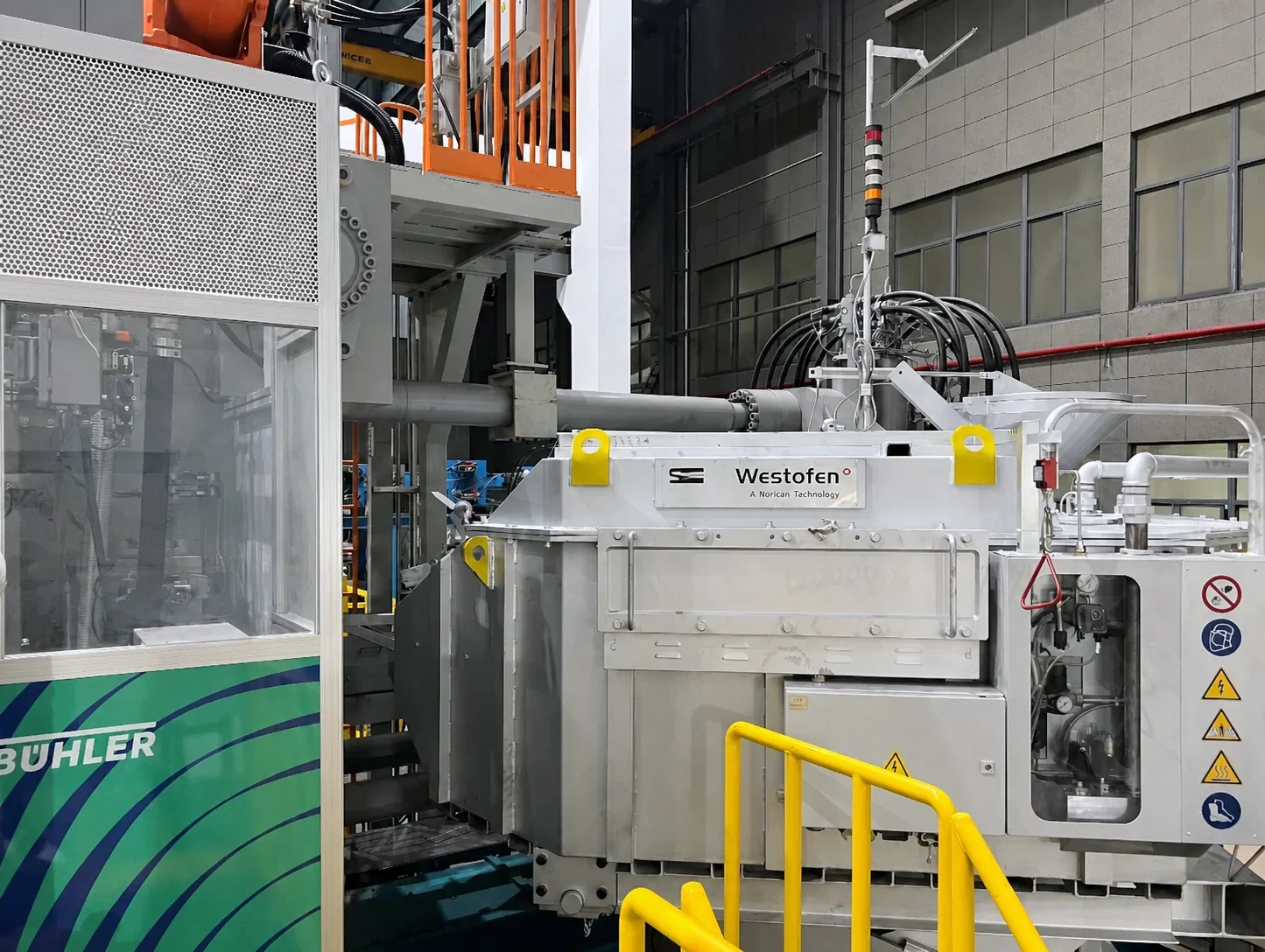
Customer-owned tooling and first shots are approved before controlled repeat casting.
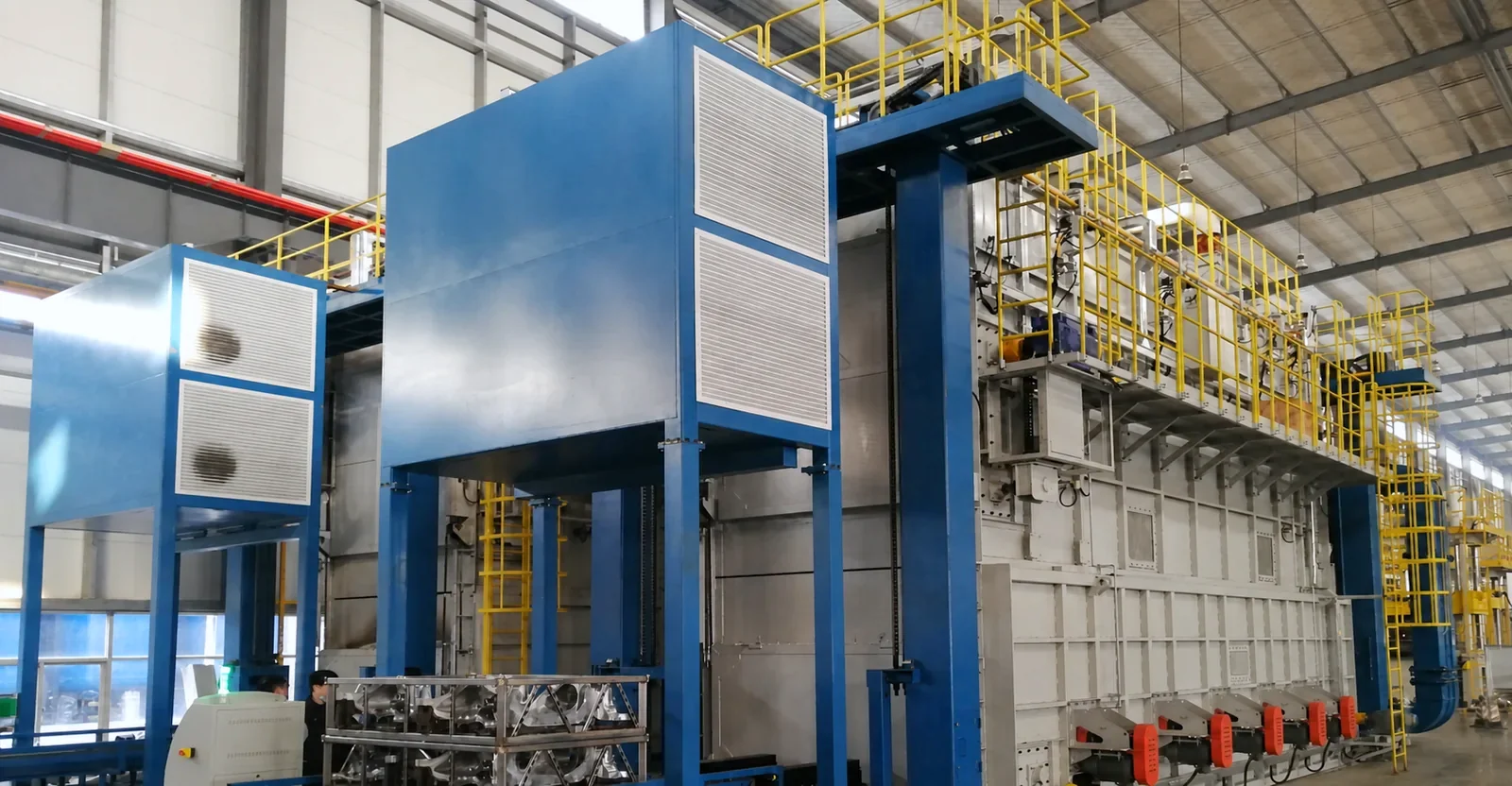
Heat treatment is included where the alloy, geometry and approved part requirements call for it.
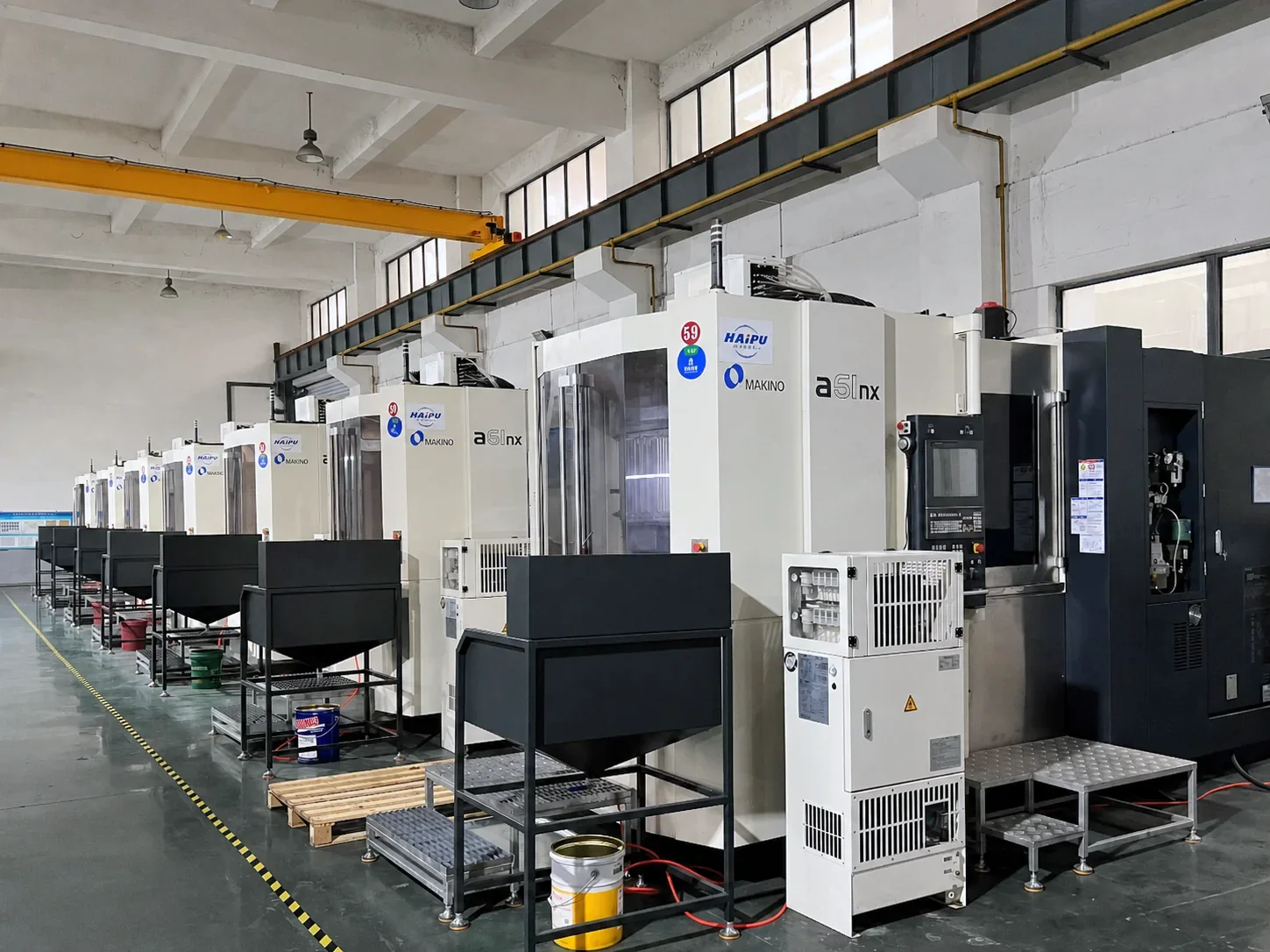
CNC machining finishes bearing bores, sealing faces and other drawing-defined interfaces.
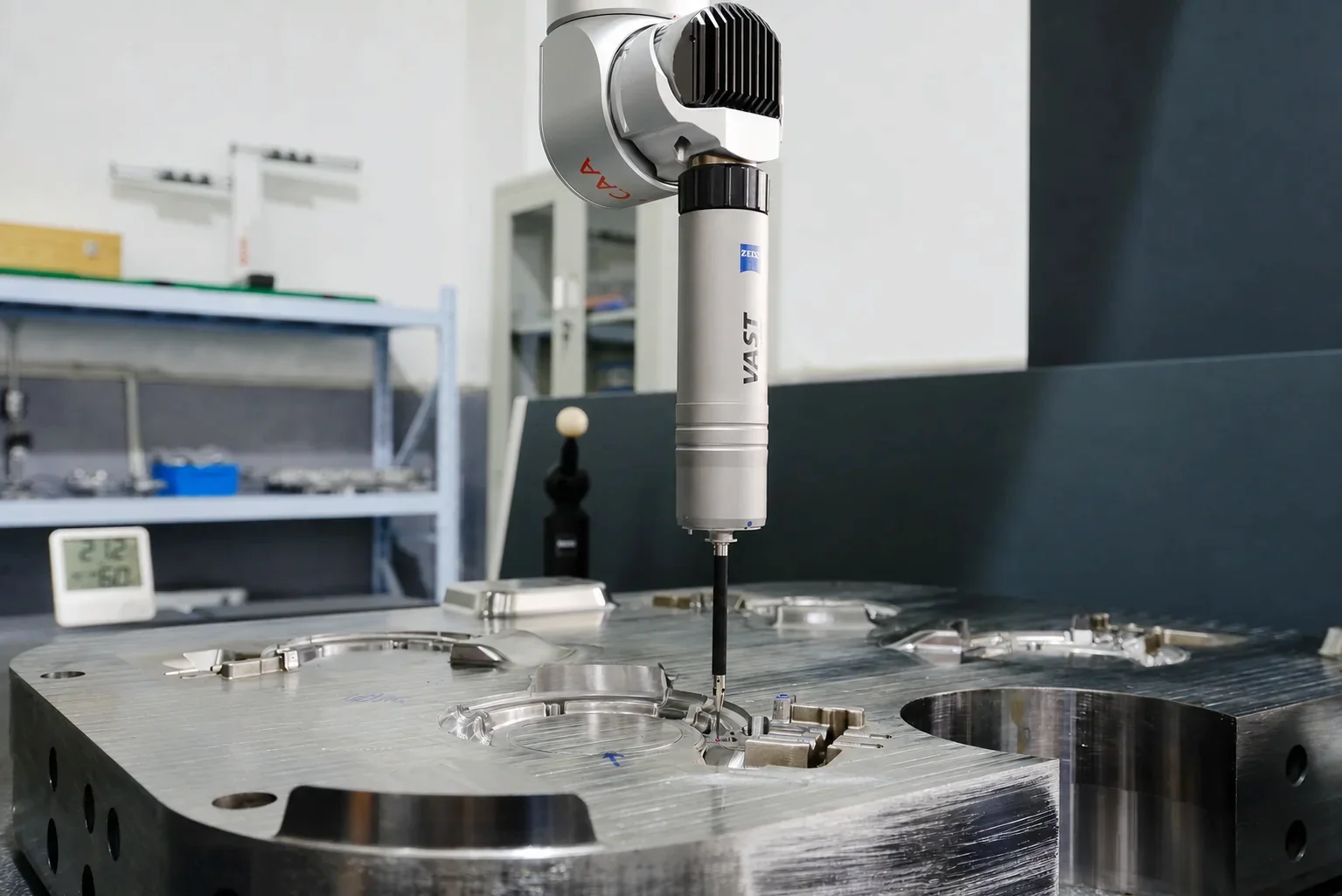
FAI and agreed dimensional, porosity and appearance checks support release with specified packing and documents.
MOQ, lead time, packaging and commercial terms — go straight to a quotation.
Request a QuoteGrades, drawings, process data and design support for your DFM review.
Manufacturing CapabilityCertificates, inspection planning, traceability and PPAP / FAI support per project.
Certificates & DocumentationPacking, destination and delivery terms — discuss the shipment requirements for your order.
Coordinate deliveryFor repeat production, die casting can consolidate complex geometry and reduce machining. Tooling, volume and acceptance requirements determine the project economics.
| Application | Typical Spec | Why This Material |
|---|---|---|
| Electronics Housings | A380, powder coated | EMI shielding + thermal management + structure |
| Motor Housings | ADC12, machined bore | Precision motor end bells and shells |
| Automotive Brackets | A360, heat treated | Structural components with tight tolerances |
| LED Lighting | ADC12, anodized | Thermal management housings for high-power LEDs |
| Power Tools | A380, painted | Lightweight structural housings |
Alloy datasheets available for download.
| Parameter | Capability | Notes |
|---|---|---|
| Alloys | A380, ADC12, A360, A413, Zamak 3/5 | AlSi-based aluminum + zinc alloys |
| Part size | 0.05–20 kg | Hot and cold chamber machines |
| Aluminum clamping force | 130–4,400 tons | Multiple machine classes across the qualified manufacturing network |
| Zinc clamping force | 88–160 tons | Hot-chamber route subject to alloy, geometry and volume review |
| Manufacturing locations | Ningbo and Jiangsu | Site and machine assignment confirmed during RFQ review |
| Confirmed Ningbo aluminum cell group | 10 machines | 160T ×2 · 200T ×2 · 280T ×1 · 400T ×1 · 700T ×1 · 800T ×2 · 1250T ×1 |
| Wall thickness | 1.0–2.5mm typical (0.8mm minimum) | Thinner possible with vacuum assist |
| Tolerance | ±0.1mm per 25mm (as-cast) | CNC machined features to ±0.01mm |
| Surface finish | Ra 1.6–3.2µm as-cast | Polished or textured mold surfaces |
| Secondary ops | CNC machining, tapping, anodizing, powder coat, e-coat | In-house and managed partners |
Equipment availability, tonnage assignment and secondary operations are confirmed against part envelope, projected area, alloy and annual volume before quotation.
Our standard aluminum and zinc casting alloys — selected with you during DFM review:
| Alloy | Family | Character |
|---|---|---|
| A380 | Al-Si-Cu | Workhorse — best all-round castability and strength |
| ADC12 | Al-Si-Cu | Asian equivalent of A380, excellent fluidity |
| A360 | Al-Si | Higher corrosion resistance, good pressure tightness |
| A413 | Al-Si | Optimized for pressure-tight and thin-wall parts |
| Zamak 3 / 5 | Zn | Very small parts with tight as-cast tolerances |
Other alloys considered per project — confirm availability with engineering.
Realistic as-cast values — we confirm achievable tolerances per feature during quotation:
| Feature | Typical Capability |
|---|---|
| As-cast linear tolerance | ±0.1 mm per 25 mm |
| CNC-machined features | ±0.01 mm |
| As-cast surface finish | Ra 1.6–3.2 µm |
| Minimum wall thickness | 0.8 mm (1.0–2.5 mm typical) |
| Draft angle | 0.5°–2° per side by depth |
Tighter requirements are reviewed case by case — ask engineering before specifying.
Design decisions that save cost and improve quality:
Die casting inherently traps some gas — manage it with design and process:
The consolidated equipment inventory covers 46 aluminum-alloy machines and 4 zinc-alloy machines across Ningbo and Jiangsu. Project routing is confirmed against part size, projected area, alloy and annual volume.
| 130–280T | 130T ×3 · 160T ×3 · 180T ×1 · 200T ×2 · 280T ×6 |
|---|---|
| 350–630T | 350T ×1 · 400T ×4 · 500T ×3 · 530T ×2 · 630T ×1 |
| 700–1,000T | 700T ×2 · 800T ×5 · 840T ×1 · 850T ×3 · 1,000T ×1 |
| 1,250–4,400T | 1,250T ×2 · 1,300T ×1 · 1,600T ×2 · 1,800T ×1 · 2,500T ×1 · 4,400T ×1 |
| 88T | 1 machine |
|---|---|
| 100T | 1 machine |
| 138T | 1 machine |
| 160T | 1 machine |
The network also supports downstream CNC machining, spray coating, assembly and project-defined inspection.
| Equipment group | Location | System | Aluminum | Zinc | Routing notes |
|---|---|---|---|---|---|
| Ningbo facility A | Ningbo, Zhejiang | TS | 15 machines | — | Large-tonnage aluminum route |
| Ningbo facility B | Ningbo, Zhejiang | TS | 10 machines | 2 | Aluminum and zinc routes · In-house spray process |
| Ningbo facility C | Ningbo, Zhejiang | ISO | 9 machines | — | Broad mid-tonnage coverage |
| Jiangsu facility | Jiangsu | ISO | 6 machines | — | Regional aluminum capacity |
| Ningbo facility D | Ningbo, Zhejiang | ISO | 6 machines | 2 | Aluminum and zinc routes · In-house spray process |
Real workshop and equipment views from long-term strategic manufacturing bases covering tooling support, automated die casting, heat treatment, CNC machining, robotic handling and dimensional inspection.
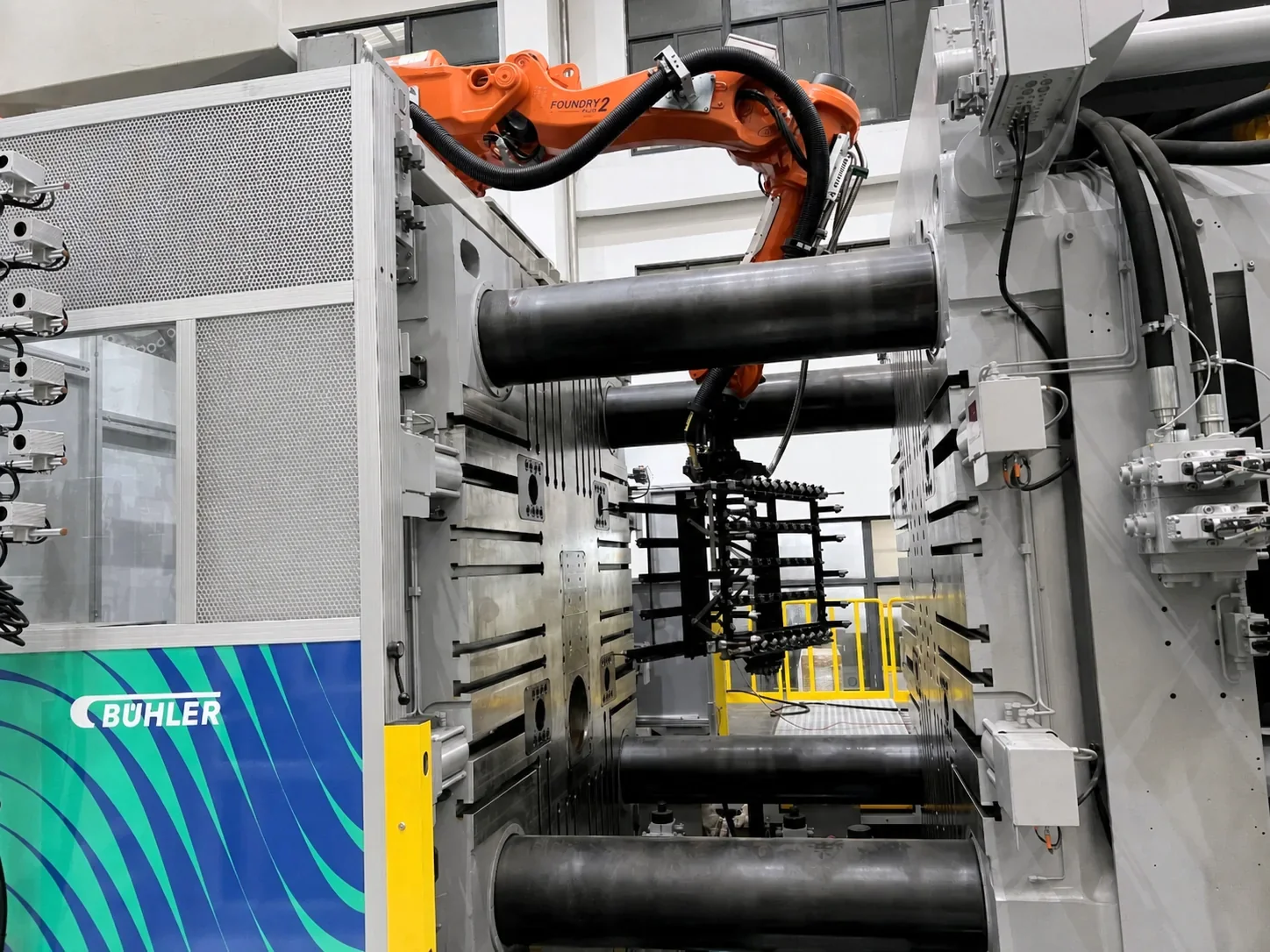
Automated handling supports stable cycle control and reduces manual contact with hot castings.
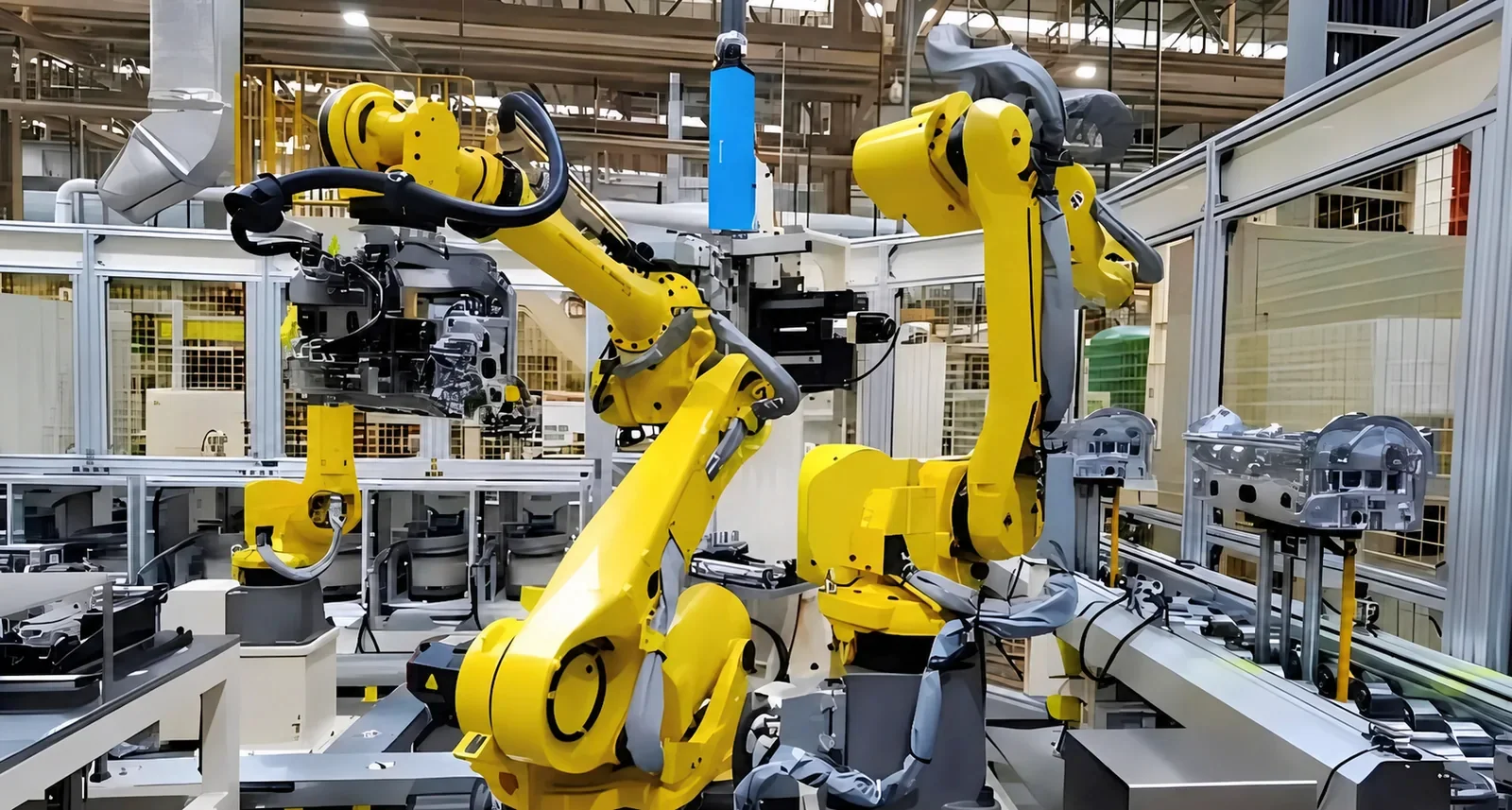
Integrated robots transfer and position components through repeatable downstream operations.
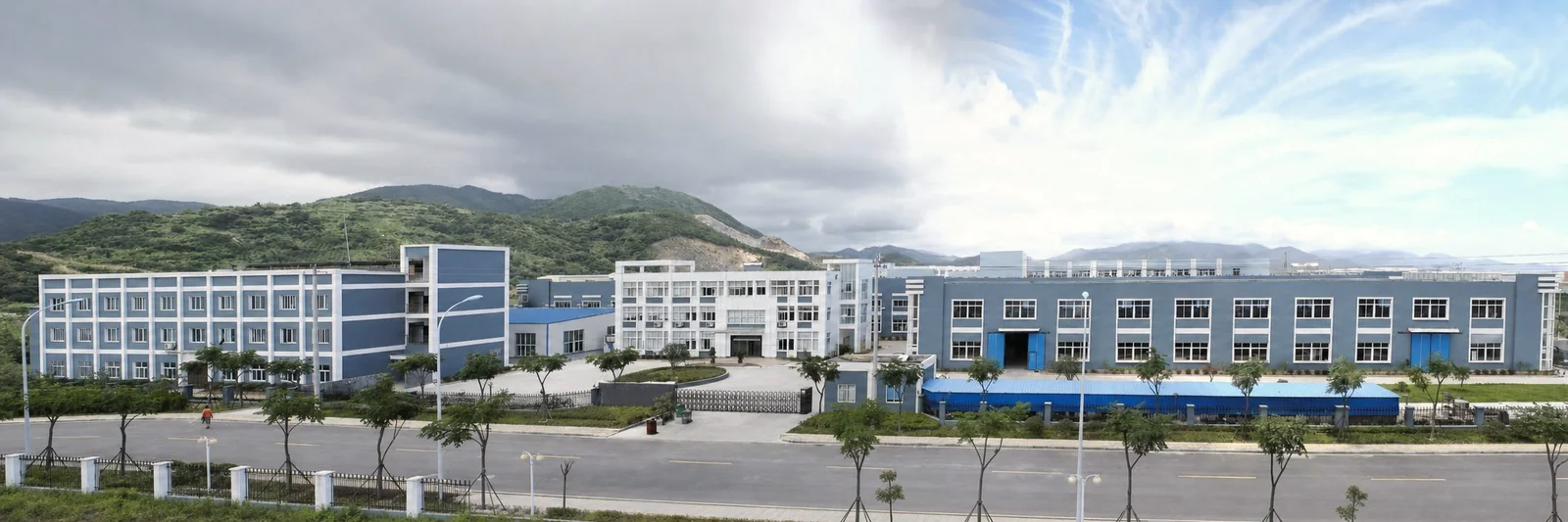
A dedicated manufacturing campus expands project capacity for casting, machining and downstream operations.
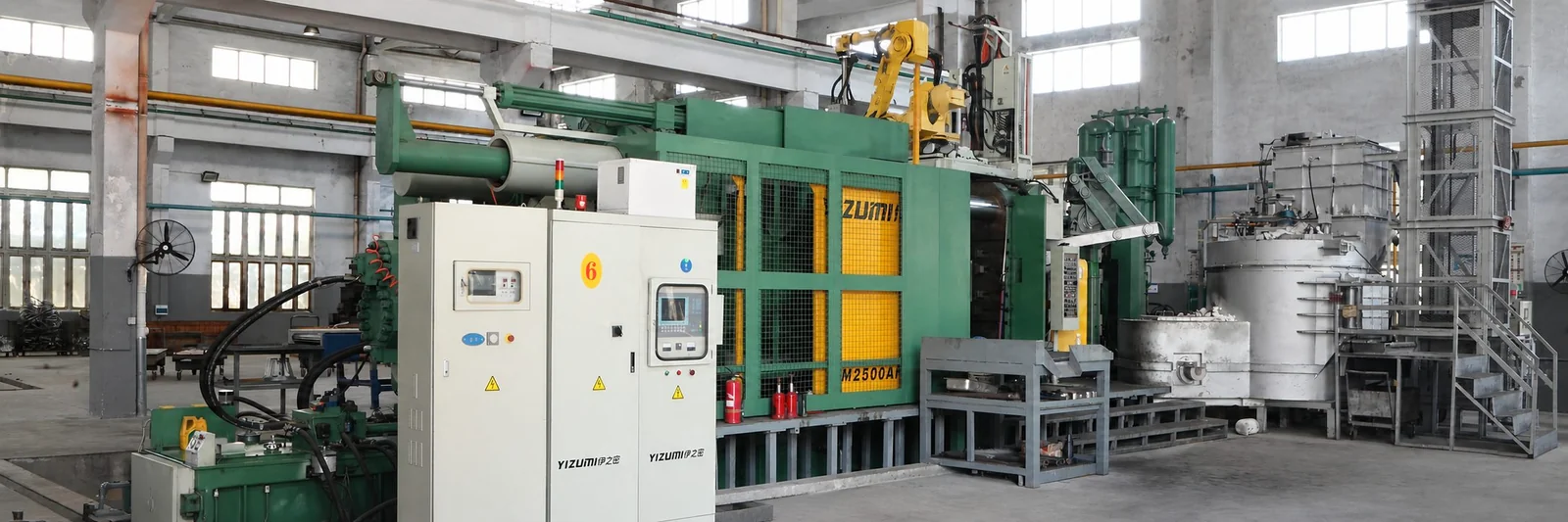
Integrated casting and melt-handling equipment supports controlled production of larger aluminum components.
Inspection scope is agreed per project in the inspection plan.
Calibrated gauges and CMM measurement on critical dimensions per the agreed sampling plan.
Alloy certificates from the casting lot; surface roughness and coating verification where specified.
FAI reports and PPAP documentation per project requirements; RoHS / REACH declarations on request.
Specify critical characteristics, sampling and acceptance criteria so the requested records match your part and application.
Plan the quality reviewRepresentative applications of aluminum die castings across industrial markets.
Use these practical guides to define alloy, leak testing and surface requirements before requesting a quotation.
Compare standards, castability, machining and selection criteria.
Compare alloysAlign DFM, vacuum control, inspection and measurable leak tests.
Plan pressure integrityChoose coating routes by corrosion, appearance, grounding and tolerance.
Select a finishReview projected area, part weight and machining access together when selecting a casting route.
Review manufacturingSee how we consolidated die casting, CNC finishing and anodizing under a group quality framework for an electronics housing program.
Review the component geometry, materials, validation points and RFQ inputs relevant to your program.
Steering, braking, transmission and thermal-management components.
View programRF cavities, sealed outdoor enclosures and thermal chassis.
View programBMS, junction-box, inverter and liquid-cooling housings.
View programOne-piece structures supported by presses up to 4,400T.
View programCompact precision parts, plated hardware and mechanisms.
View programA380 and ADC12 are common die-casting designations, not automatic substitutes. Review the governing chemistry and property standard. A360, A413 or Zamak may be reviewed for corrosion, sealing or small-part requirements; selection remains project-specific.
Die casting tools run $5,000–$50,000+ depending on part size, complexity (slides for undercuts), and expected tool life. High-volume tools use H13 steel and last 100,000–500,000 shots with maintenance. We provide tooling quotes with each part quote — and the tool is your property.
Practical minimum is 500 pieces per order — below that, tooling amortization dominates part cost. For prototypes (10–100 pieces), we recommend CNC machining from billet, then transitioning to die casting at production volume. Our DFM review includes this trade-off analysis.
Yes, with caveats: high-silicon alloys (A380, ADC12) anodize to a gray/bronze finish with some cosmetic variation. For decorative clear or colored anodizing, we recommend A360 or low-silicon alloys. For corrosion protection, review powder coating or e-coat with the alloy, pretreatment, geometry and environmental acceptance test.
Send it to our team for engineering review and quotation — DFM feedback and alloy recommendation included.