
Mill length
Section, alloy and temper with agreed length, straightness and handling requirements.
Your cross-section, extruded to length. Custom aluminum profiles in structural and decorative alloys, finished with anodizing or powder coating, machined and ready for assembly. Precision-metal production is coordinated through our long-term strategic manufacturing bases.
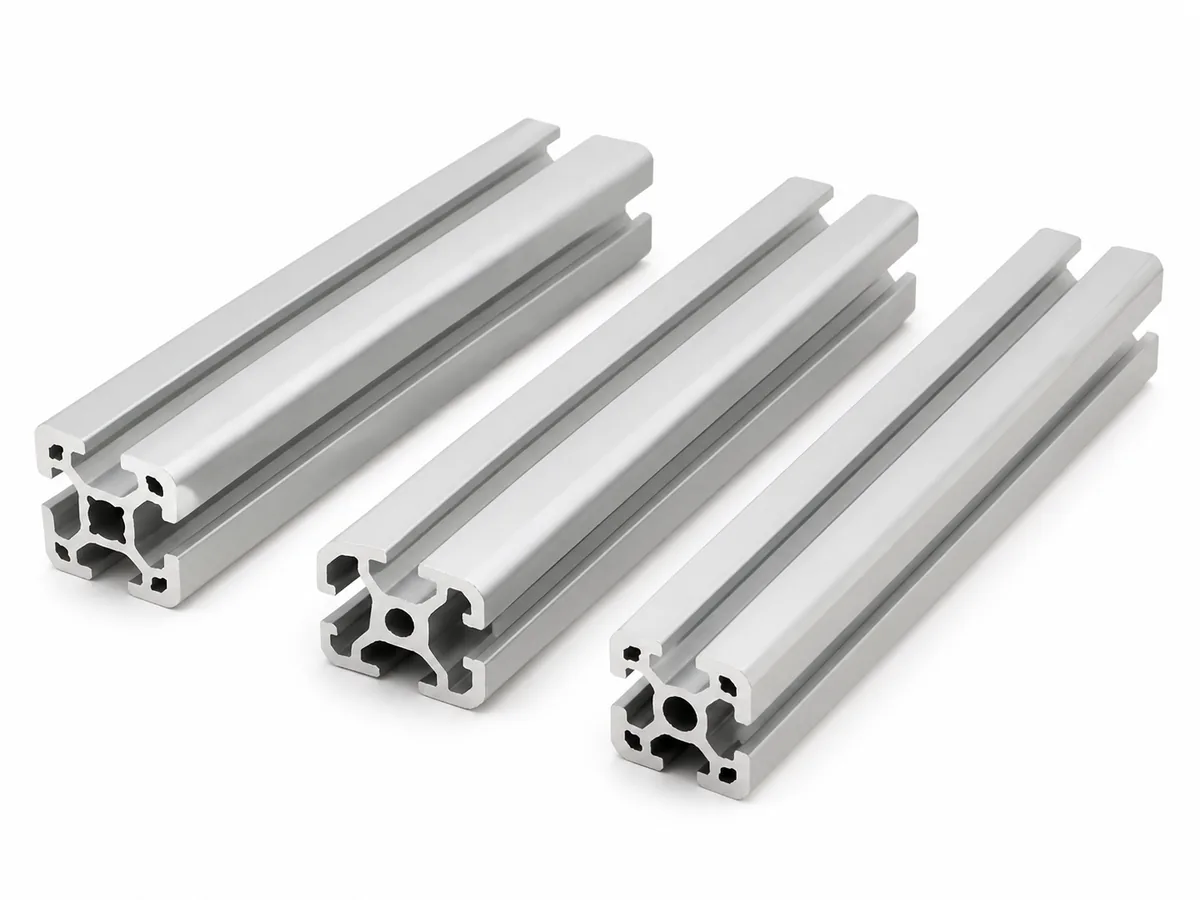
Reference forms for drawing review, not evidence of supplied alloy, manufacturing site or validated performance.
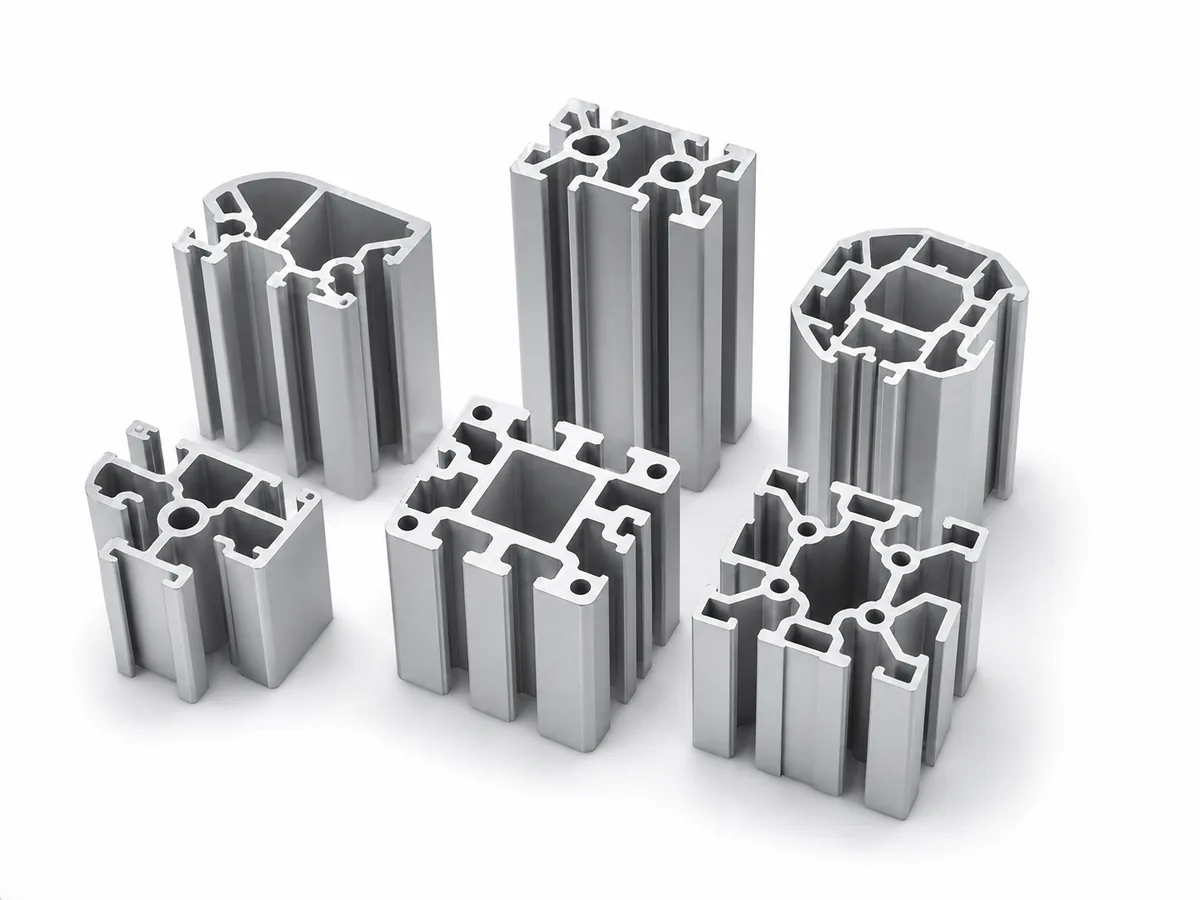
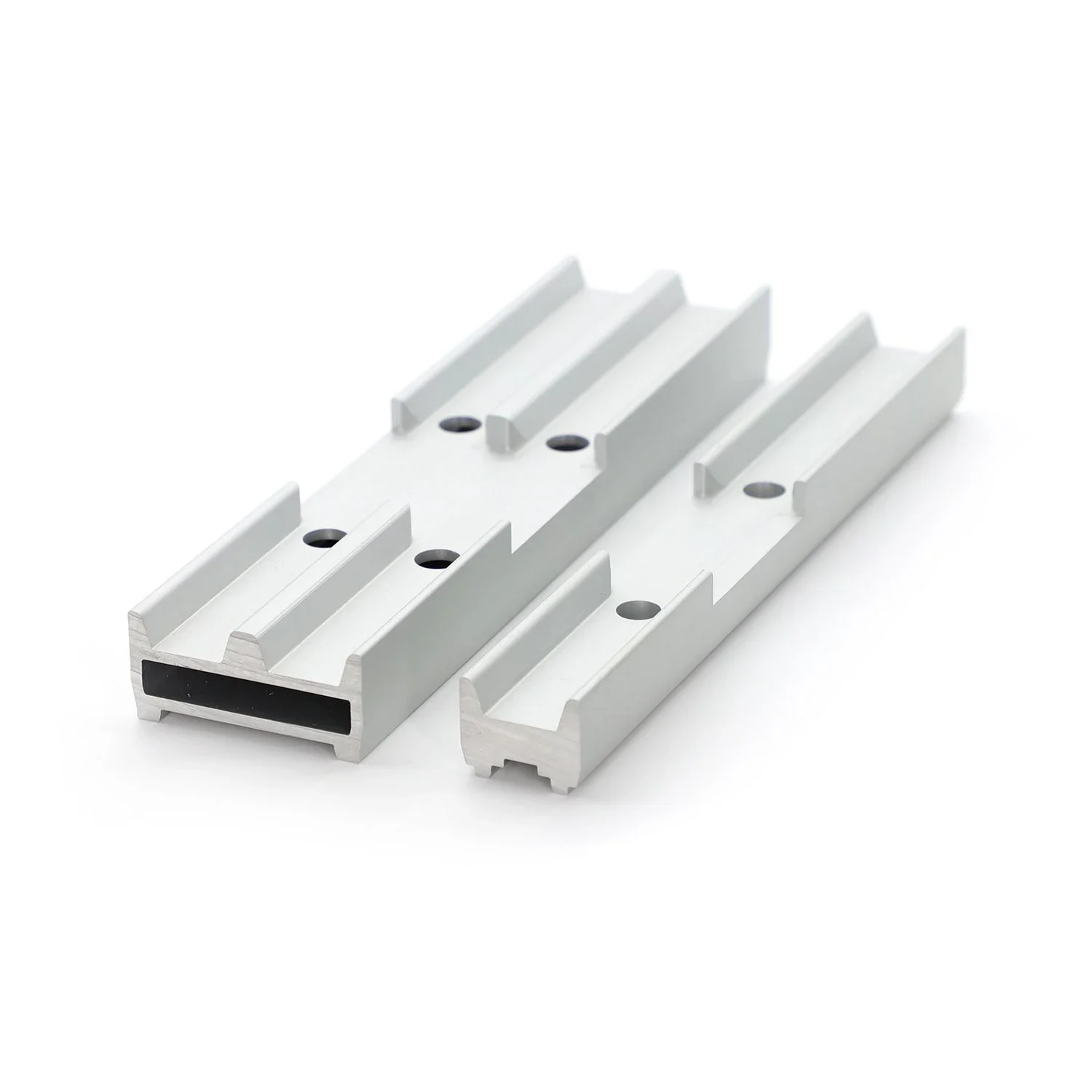
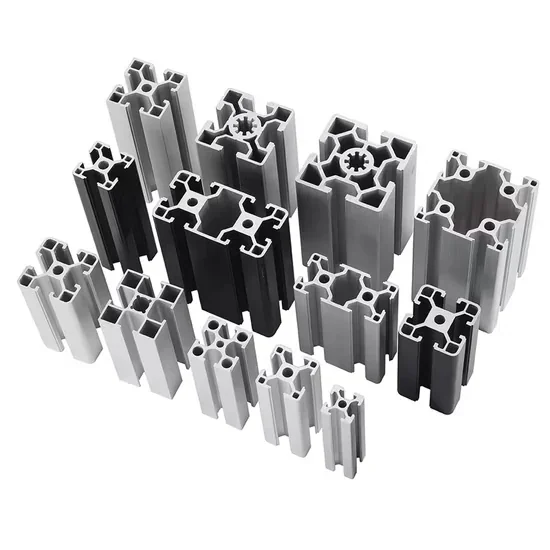
Section, alloy and temper with agreed length, straightness and handling requirements.
Finished lengths and end conditions ready for your next operation.
Drilled, milled and finished extrusion components to the approved drawing.
Production route, manufacturing responsibility, available documentation and acceptance criteria are confirmed for the particular product and order.
MOQ, lead time, packaging and commercial terms — go straight to a quotation.
Request a QuoteGrades, drawings, process data and design support for your DFM review.
Technical Guides & DFM NotesCertificates, inspection planning, traceability and PPAP / FAI support per project.
Certificates & DocumentationPacking, destination and delivery terms — discuss the shipment requirements for your order.
Coordinate deliveryExtrusion produces a continuous cross-section. Die geometry, alloy, length and downstream machining define the finished profile.
| Application | Typical Spec | Why This Material |
|---|---|---|
| Heat Sinks | 6063, machined + anodized | Thermal management for electronics |
| Structural Framing | 6061-T6, T-slot | Machine frames, conveyor systems |
| LED Profiles | 6063, diffuser channel | Linear lighting housings |
| Solar Panel Frames | 6005A-T6 | Photovoltaic module frames |
| Architectural Trim | 6063, powder coated | Window and curtain wall systems |
Alloy datasheets available for download.
| Parameter | Capability | Notes |
|---|---|---|
| Alloys | 6061, 6063, 6005A, 6082, 2024, 7075 | 6063 = best finish, 6061 = strongest general |
| Profile size | Circle size 10–250mm | Larger by special arrangement |
| Wall thickness | 0.8mm minimum typical | 1.0mm+ recommended |
| Tolerance | ±0.15mm profile, ±1mm/3000mm twist | Per GB/T 6892 / EN 12020-2 |
| Length | Cut to any length up to 6m | ±0.5mm precision cutting |
| Finishing | Anodize (clear/color), powder coat, wood grain, mill | 25μm architectural anodize |
| Fabrication | CNC machining, punching, bending, welding | Complete finished parts |
The four most common extrusion alloys:
Profile design decisions that control cost and quality:
Custom profiles move through high-tonnage extrusion, controlled aging, dimensional verification and long-length protective packing.
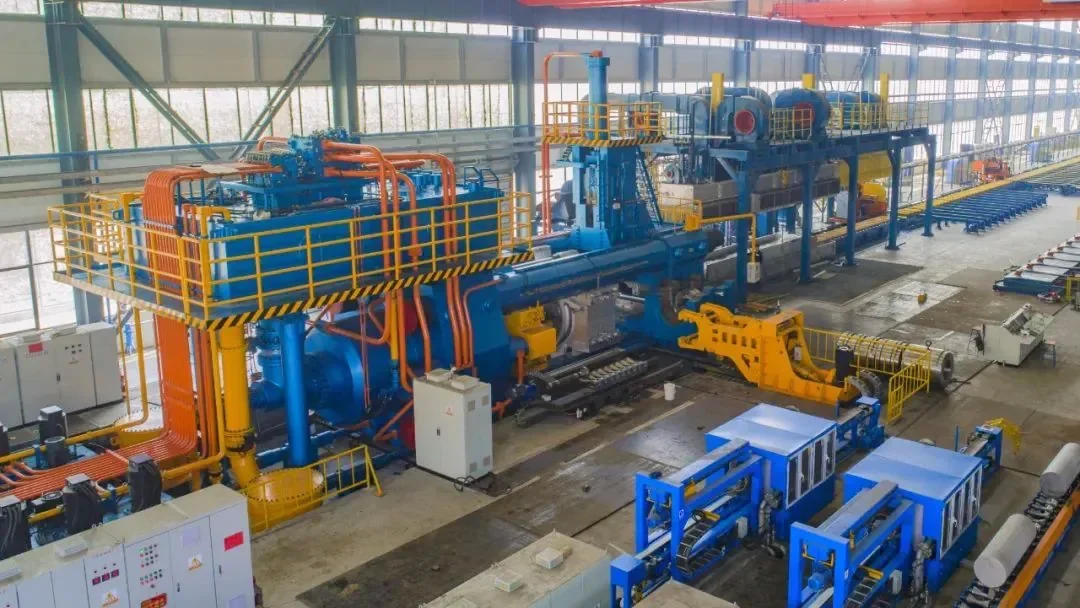
Large hydraulic equipment produces high-performance industrial profiles.
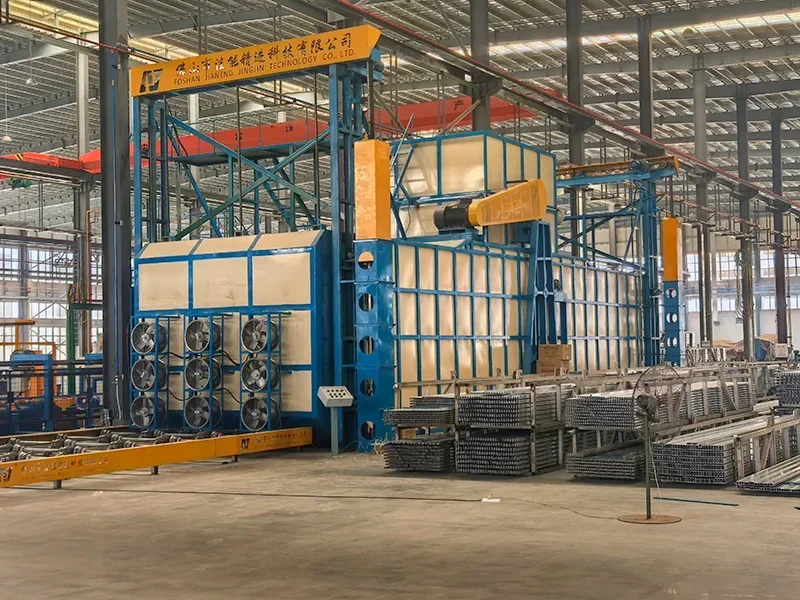
Basket-loaded furnaces stabilize mechanical properties after extrusion.
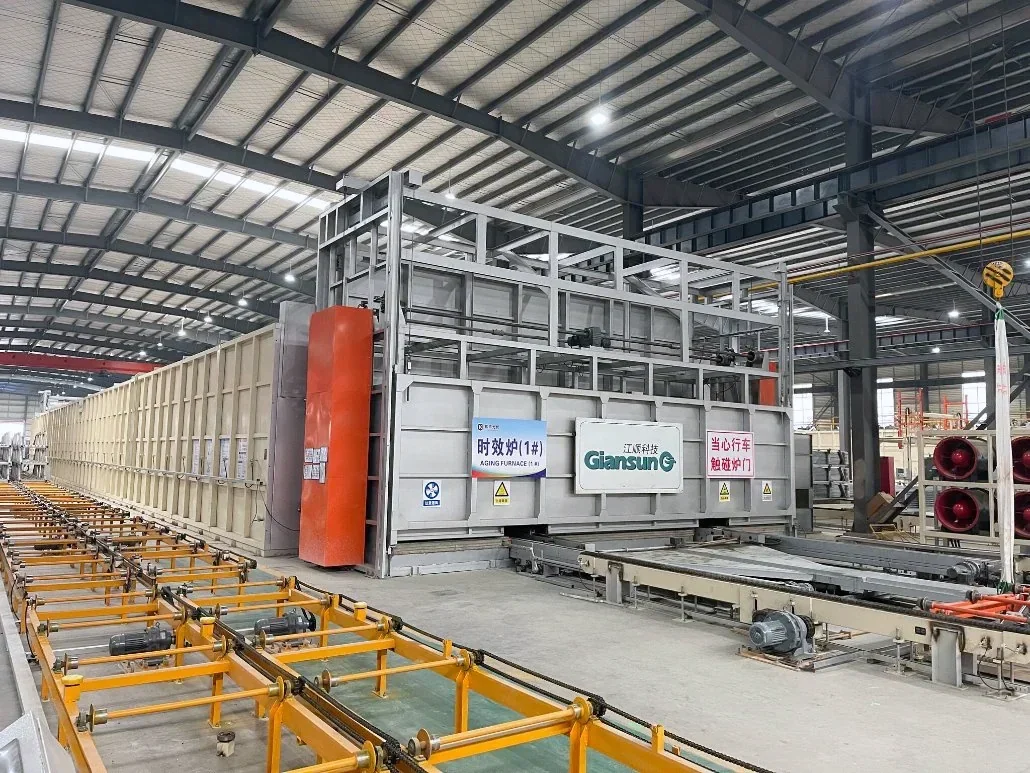
Roller handling moves profiles through a controlled thermal cycle.
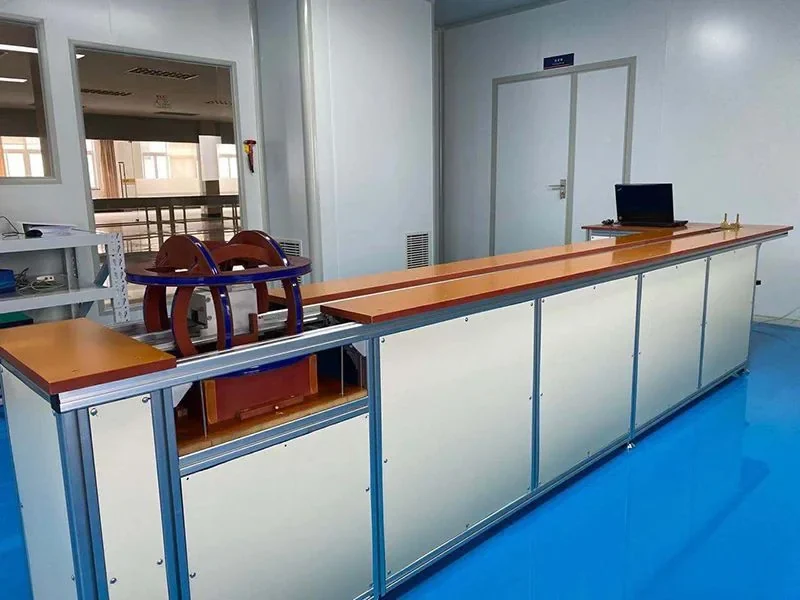
Dimensional review covers long profiles, holes and post-machined interfaces.
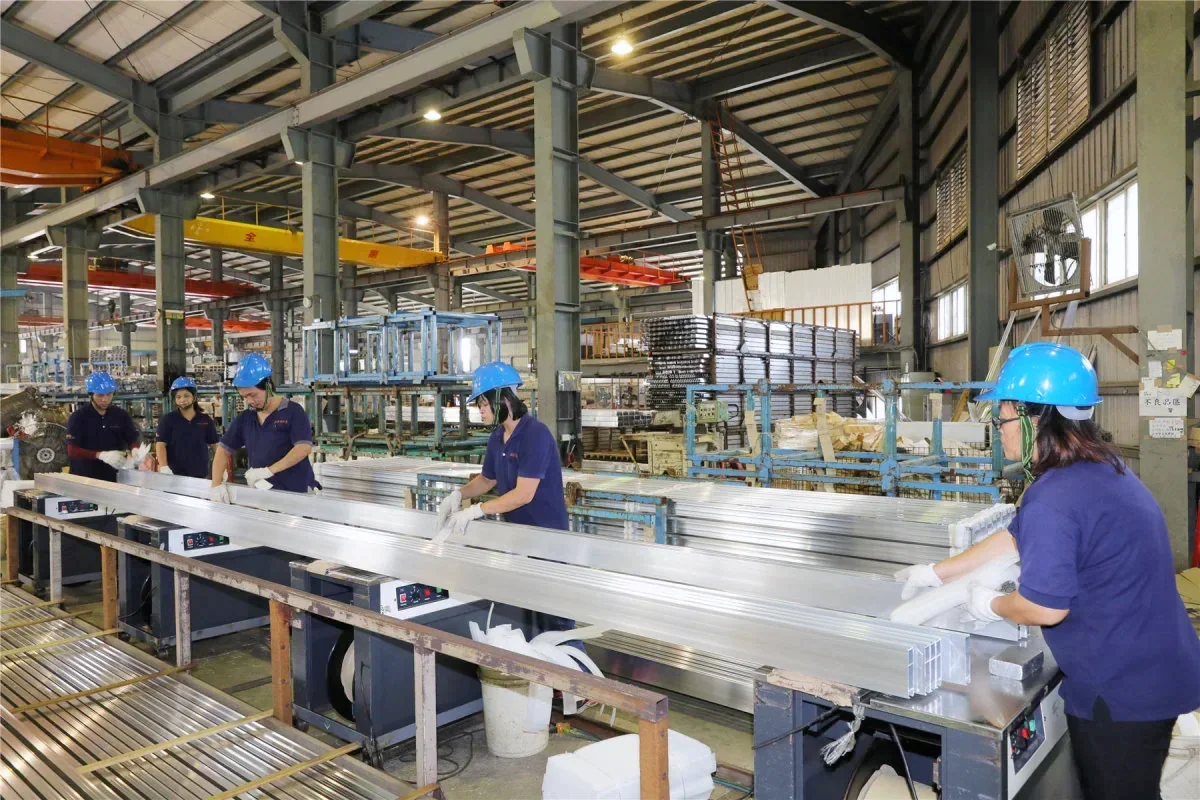
Workers bundle and protect long profiles before palletized shipment.
Representative applications of aluminum extrusions across industrial markets.
Solid profile dies run $500–$1,500; hollow (porthole) dies $1,200–$3,000. Larger and more complex profiles cost more. The die is your property and typically lasts for 5+ years of production. At volumes above 2 tons/year, die cost per part becomes negligible.
200kg per profile per order — that's roughly 100–400m of a typical medium profile. Below 200kg, the extrusion press setup and die changeover costs dominate. For small quantities of standard profiles, we stock common shapes in mill finish.
The published 25μm architectural and 10–15μm standard thickness references must be tied to the finish specification, sealing, exposure and maintenance conditions; thickness alone does not establish a 25+ year life. ASTM B136 evaluates sealing through dye-stain resistance, not general corrosion or outdoor durability. Agree the relevant exposure and appearance acceptance tests separately.
Not custom profiles (the 200kg MOQ applies). But for prototyping, we CNC machine profiles from plate or use stock profiles that approximate your design. For geometry validation, 3D printing in aluminum is also an option. We'll recommend the fastest path to your test parts.
What ships with your parts — scoped per project during quotation.
Cross-section gauges on extruded profile; CMM on machined features; cut-length and straightness checks per your inspection plan.
Chemical composition per extrusion batch; anodizing thickness and adhesion, powder-coat thickness tests for finished profiles.
EN 10204 3.1 material certificates, FAI reports, and PPAP per project requirements.
Specify critical characteristics, sampling and acceptance criteria so the requested records match your part and application.
Plan the quality reviewSend it to our team for engineering review, DFM feedback and quotation.