
Program Milestones
Include sample, validation and planned production dates so the quotation can address each program stage.
Discuss your applicationMagnetic materials, assemblies and precision metal components for automotive programs—from defined interfaces and validation through repeat production.
Our established domestic automotive business includes Tier 1 supply to China's new-energy vehicle industry. Magnetic materials, assemblies and metal components are reviewed against the requirements of each program.
Supplier qualification confirms the relevant supplying and producing entities, the actual component scope, applicable quality-system documents and the records available for the project. Group experience does not imply a blanket approval for every product.
Request the relevant supplier documentation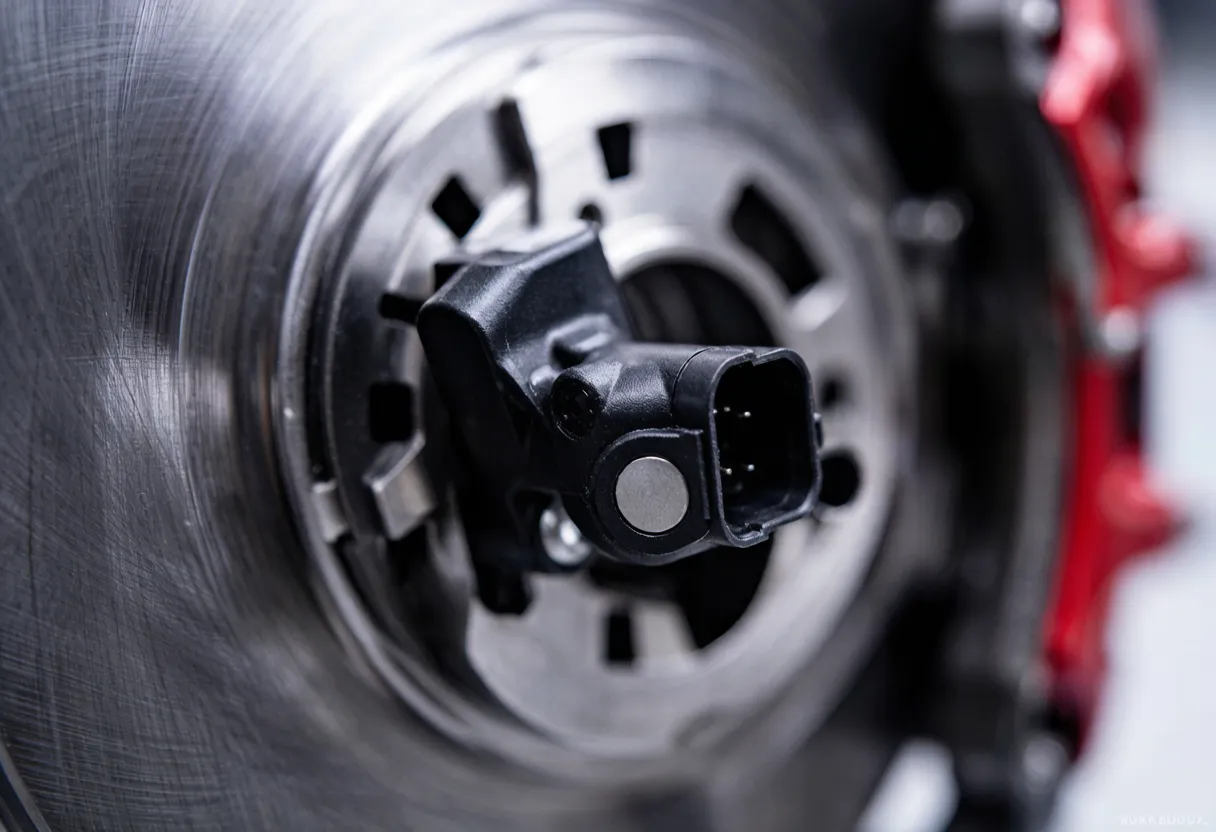
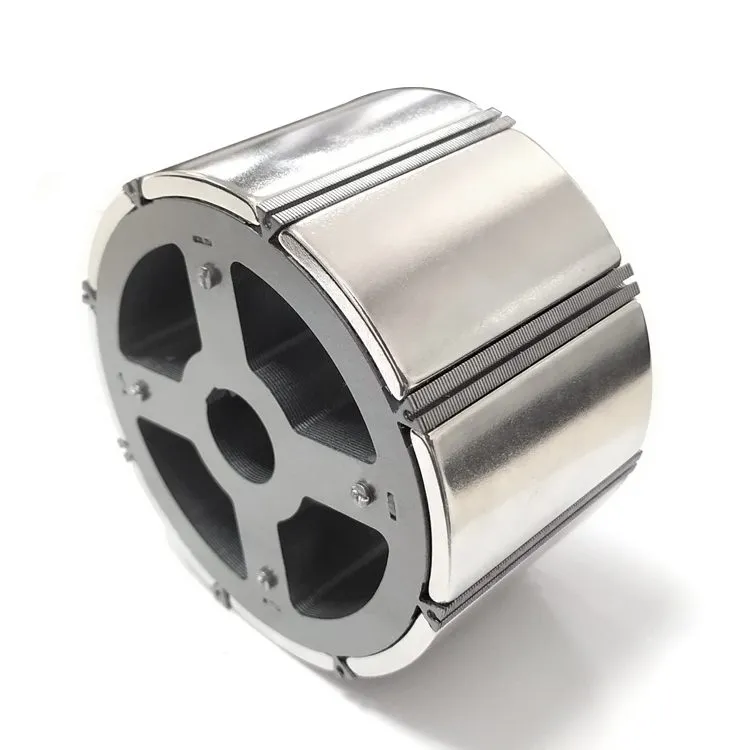
Material, coating and geometry matched to the application.
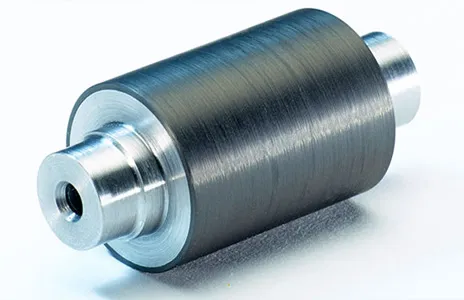
Retention, shaft interfaces and balancing reviewed together.
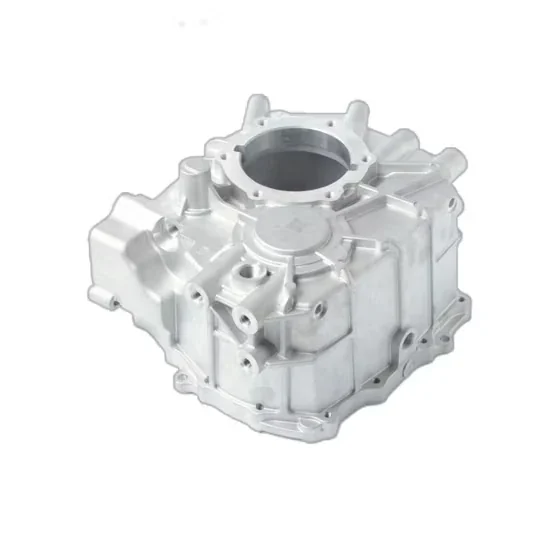
Structural, cooling and mounting interfaces reviewed together.
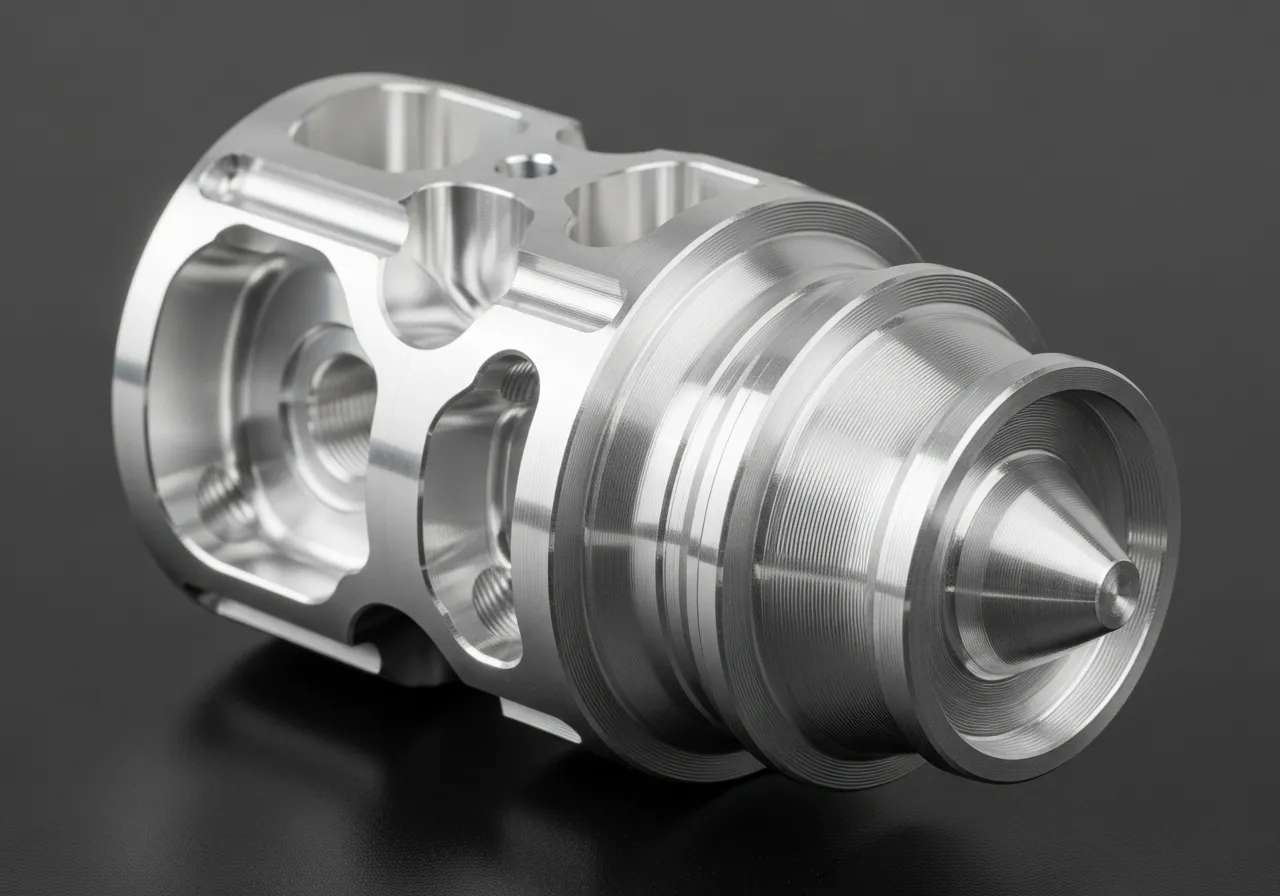
Forging and machining routes matched to loads and drawing requirements.
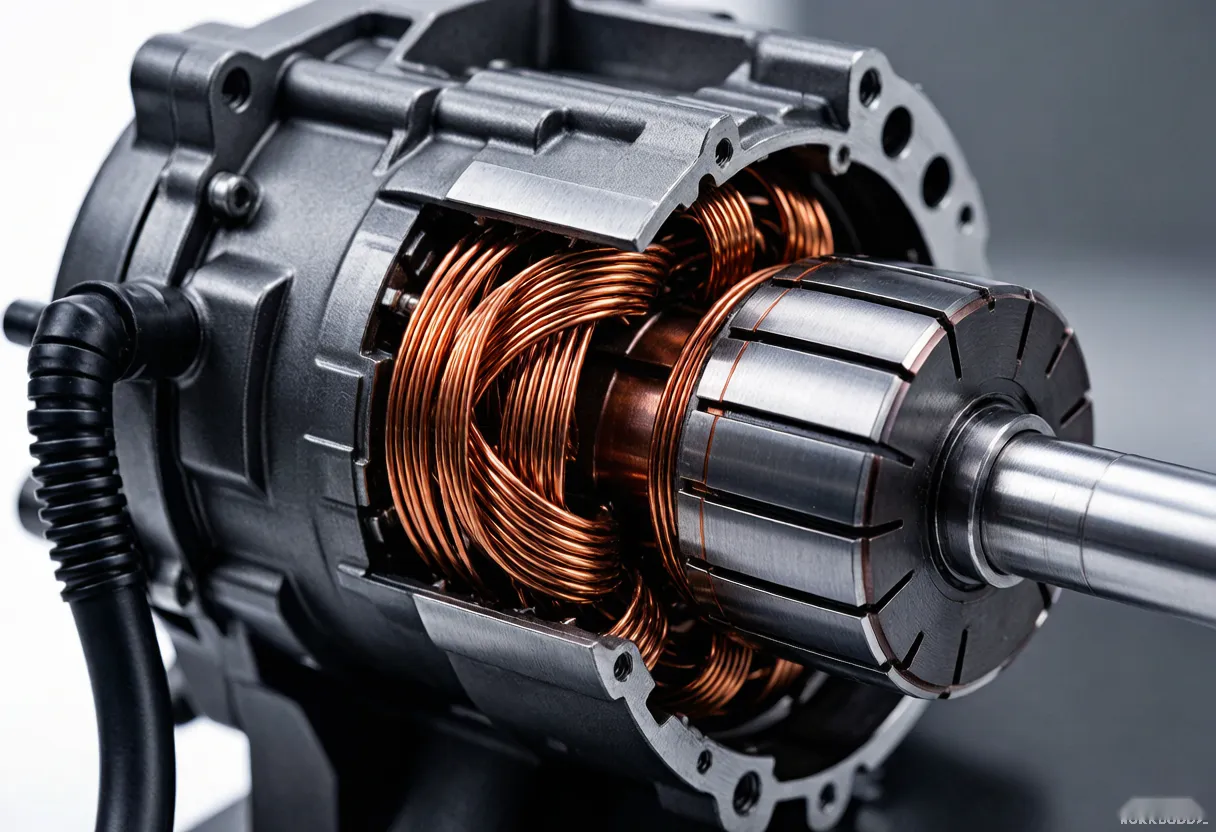
Automotive application areas:
| Application | Typical Material | What Matters |
|---|---|---|
| EPS & steering motors | NdFeB arc segments, high Hc grades | Demag resistance, consistency |
| Seat & mirror actuators | Bonded NdFeB rings | Low cost, quiet operation |
| Wheel speed sensors (ABS) | NdFeB multipole rings | Pole accuracy, temp stability |
| Water / oil pump motors | NdFeB arcs, overmolded rotors | Sealing, corrosion resistance |
| Transmission sensors | SmCo 2:17 | High temp stability |
| EV auxiliary motors | NdFeB rotor assemblies | Torque density, efficiency |
Connect component performance, quality documentation and production cost.
Material certs, PPAP-style submissions, capability data, and full traceability — the paperwork your quality team expects.
BH-curve verification at operating temperature, not just room temperature. Demag margins calculated for worst-case duty.
Compare grade and rare-earth-content options against performance requirements, validation costs and annual production volume.
Include sample, validation and planned production dates so the quotation can address each program stage.
Discuss your applicationTemperature, coating tests and quality records apply to specific materials, parts and producing sites. Confirm the test method, conditions and approval scope for your project.
Confirm drawing revision, functional interfaces, annual demand and the required documentation.
Agree sample quantities, test conditions and the customer acceptance process.
Align inspection, traceability, change control and project-specific PPAP or FAI requirements.
For robot and actuator programs, explore our dedicated Intelligent Robotics page.
Send drawings and spec — we will respond with a DFM review and quotation.