
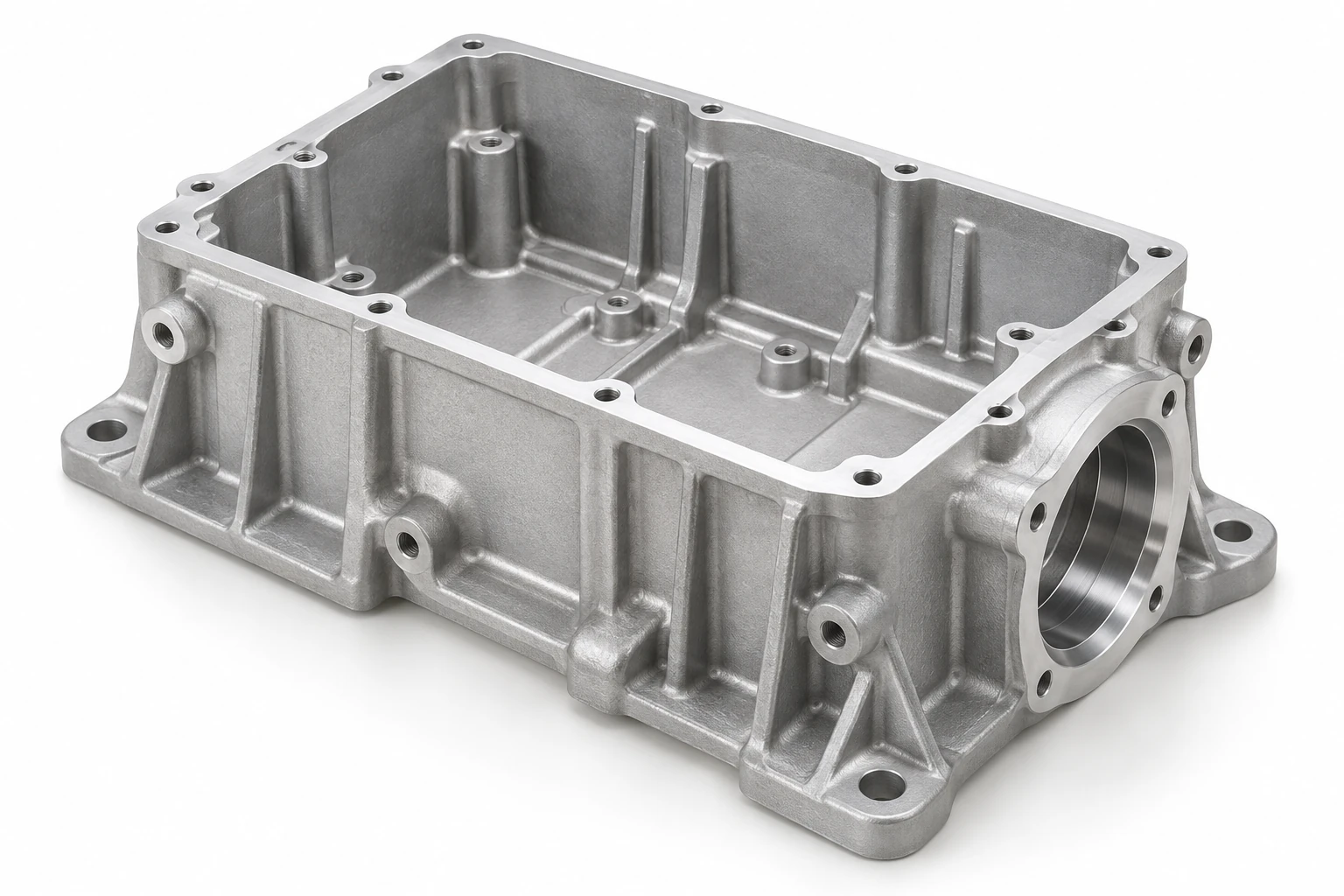
Aluminum die casting
Repeated housings and integrated features. Specify alloy, wall sections, projected area and annual volume.
Casting, forging, machining, extrusion and stamping—selected by geometry, interfaces and production volume.
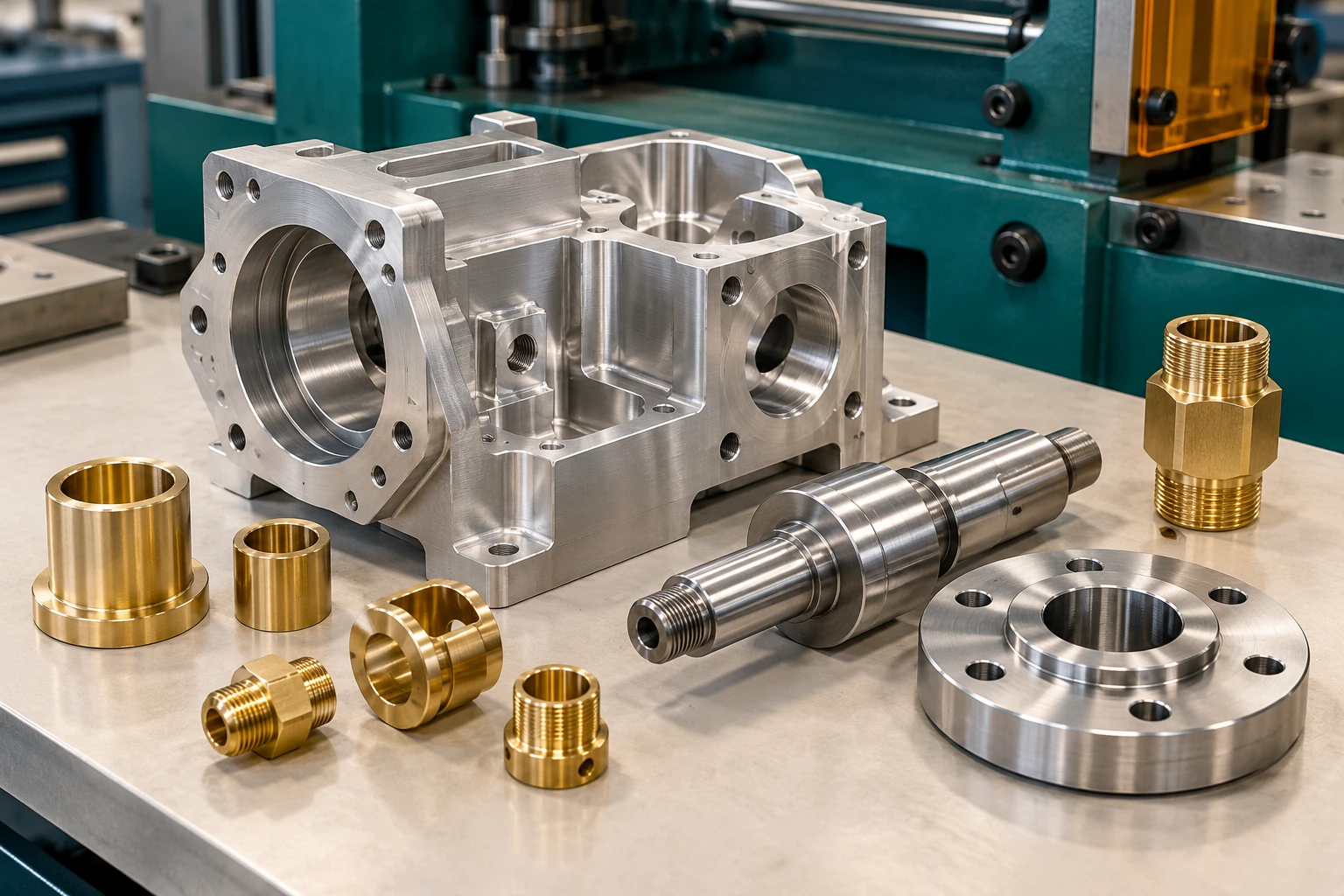
Repeated housings and integrated features. Specify alloy, wall sections, projected area and annual volume.
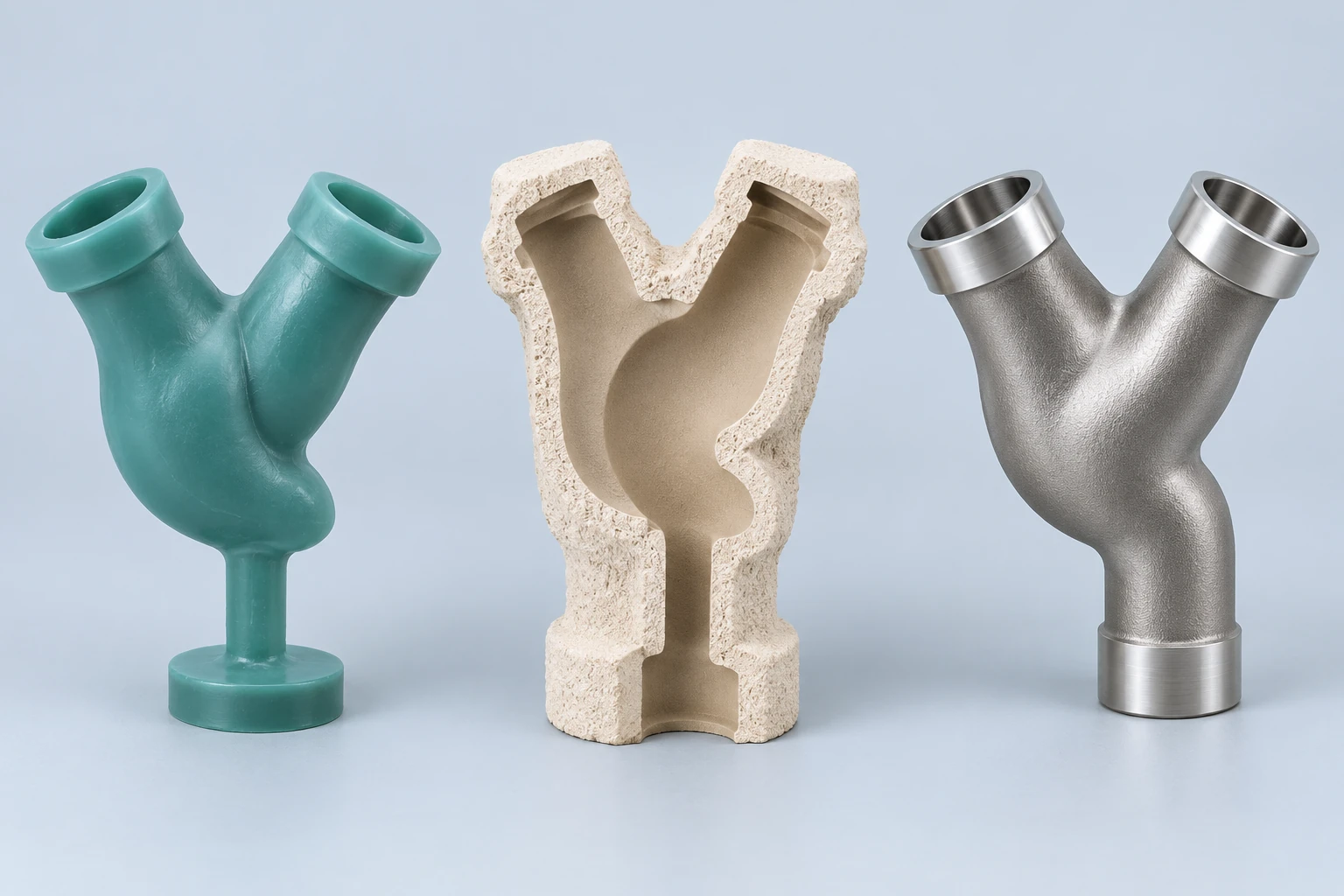
Complex passages and near-net forms with selected machining. Specify material grade and sealing faces.
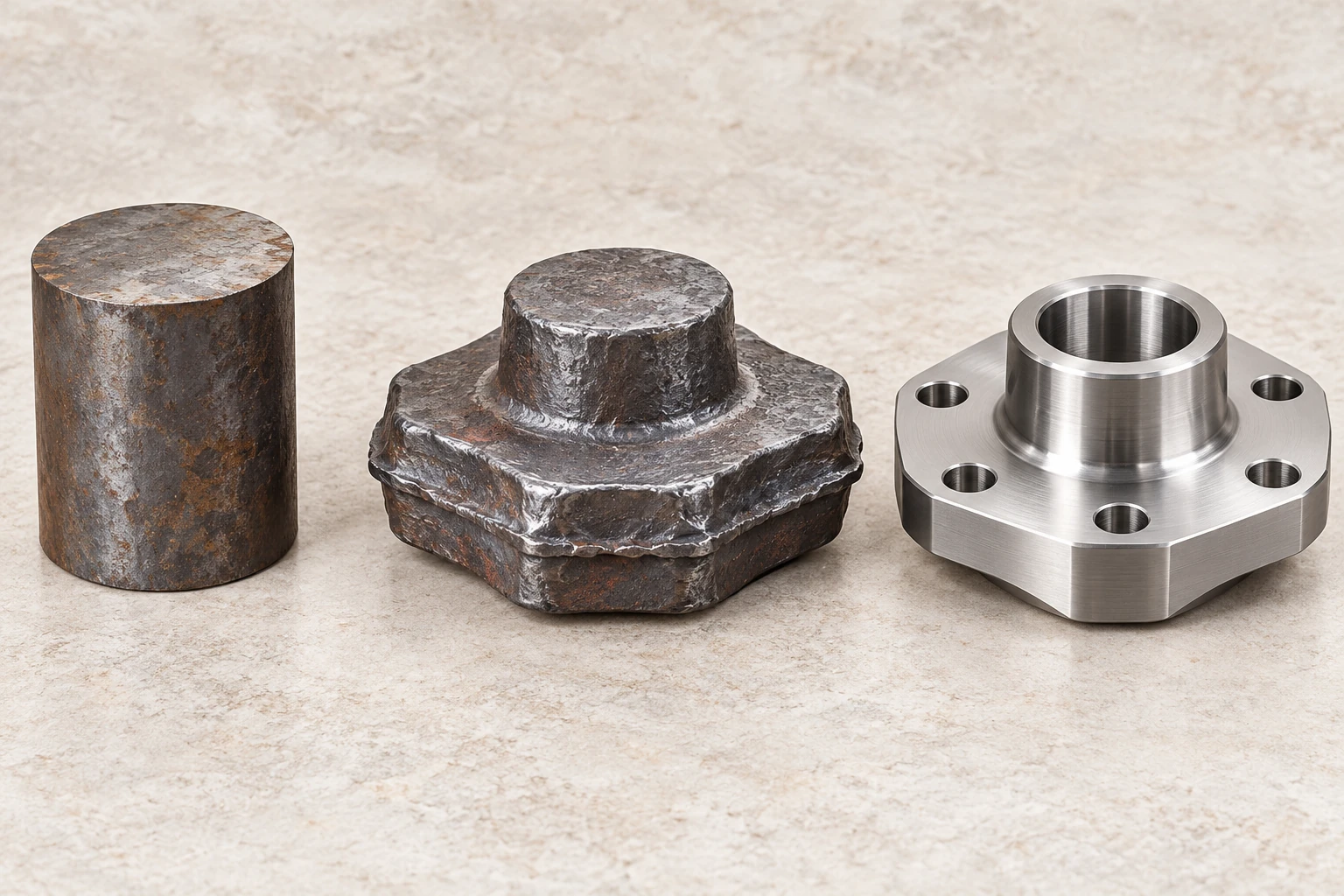
Load-bearing forms and connection features. Identify load direction, alloy and machining allowances.
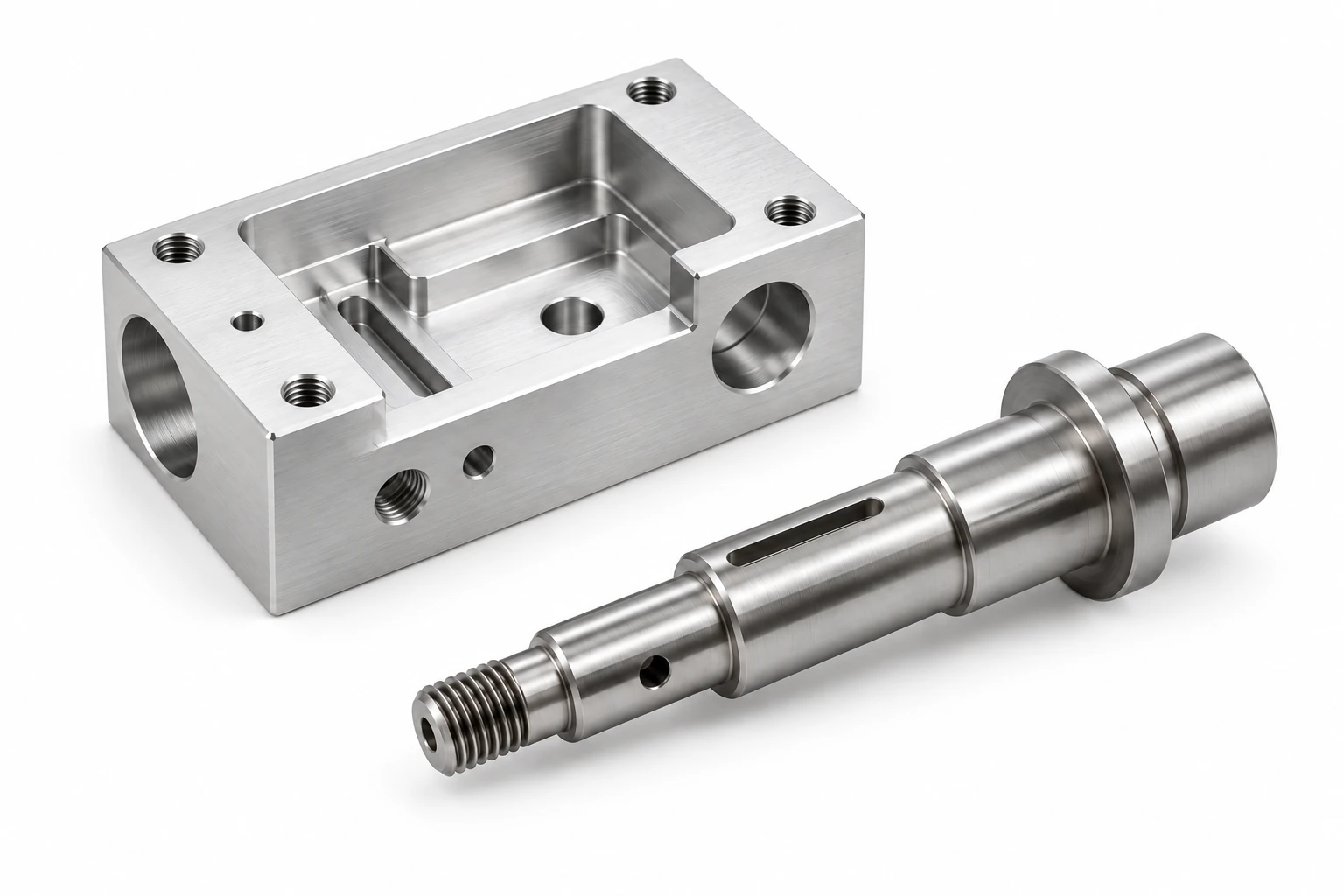
Turned or milled parts with critical-to-fit features. Specify datums, access, material and batch size.
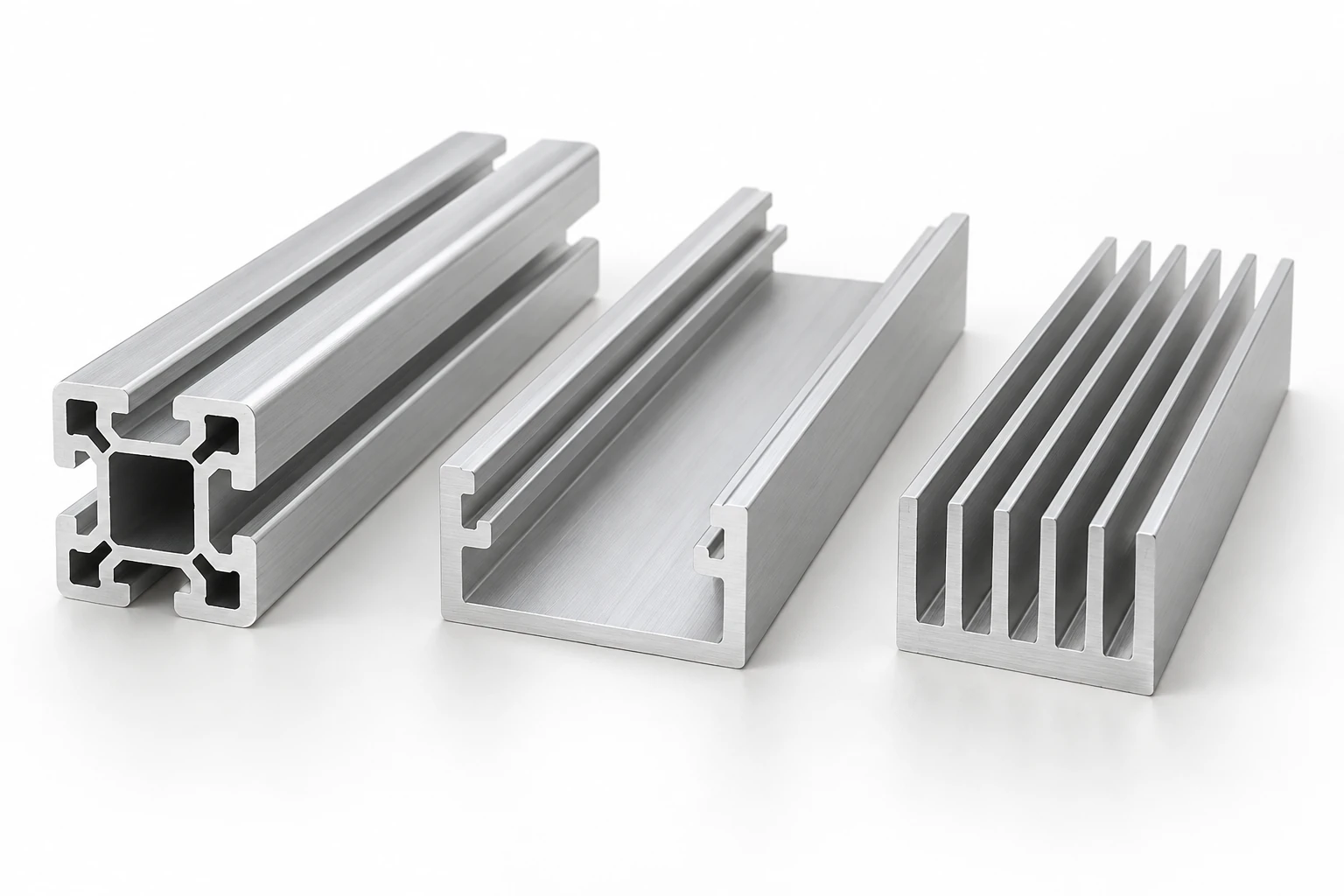
Constant sections cut and finished to drawing. Specify profile, length, straightness and finish.
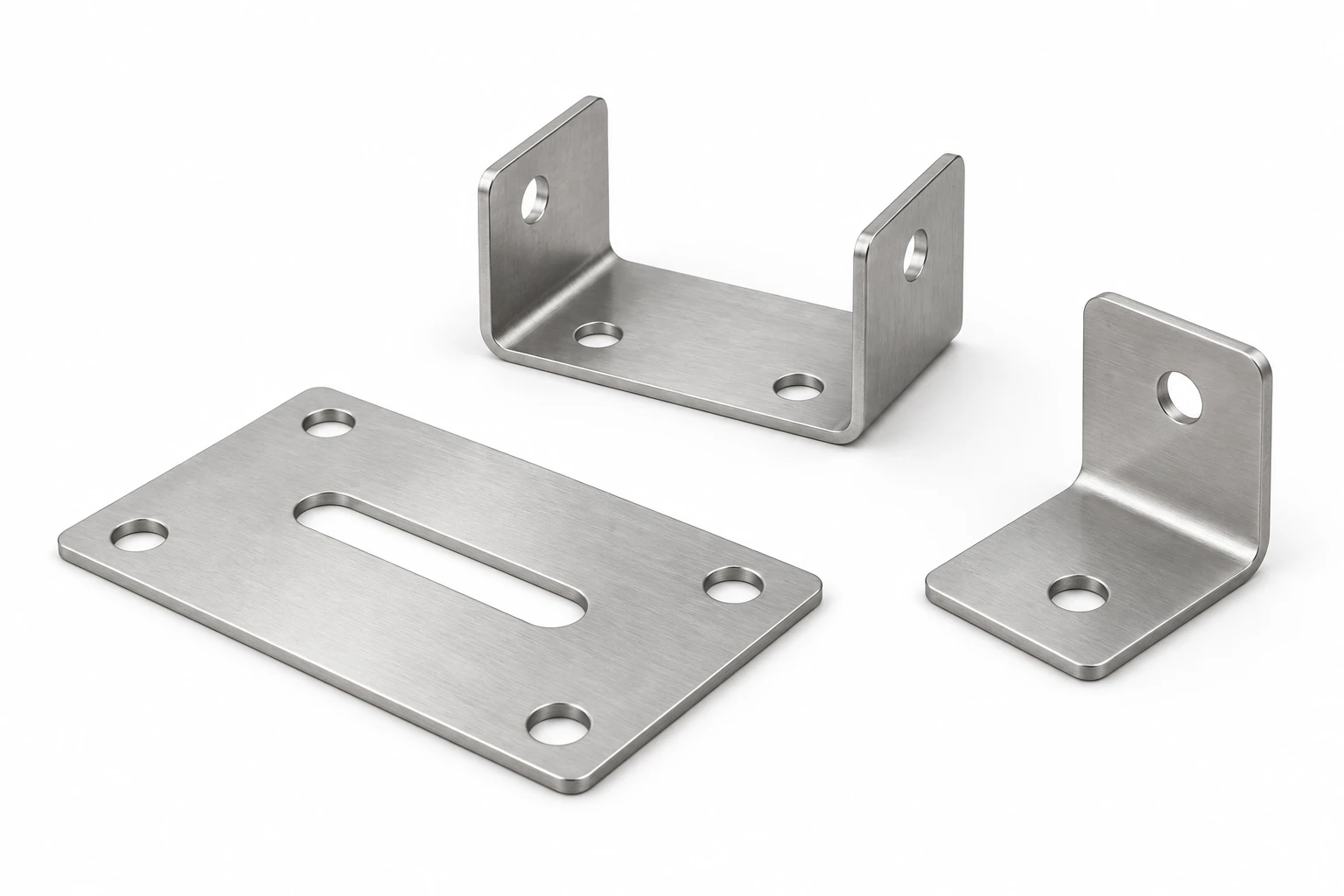
Flat and formed sheet-metal interfaces. Specify thickness, bends, holes and edge condition.
Published process references require drawing review; geometry, feature size, condition and order scope determine achievable values.
| Process | Materials | Typical Tolerance | Surface Finish | MOQ |
|---|---|---|---|---|
| Die Casting | A380, ADC12, A360, Zamak | ±0.1mm per 25mm (as-cast) | Ra 1.6–3.2µm | 500 pcs |
| Investment Casting | 304, 316, 17-4PH, carbon steel, brass | ±0.1mm per 25mm (CT4–5) | Ra 3.2–6.3µm | 100 pcs |
| Forging | 1045, 4140, 4340, stainless | ±0.5mm (as-forged) | Ra 6.3–12.5µm | 200 pcs |
| CNC Machining | Al, steel, stainless, brass, plastics | ±0.005–0.01mm | Ra 0.4–1.6µm | 1 pc |
| Extrusion | 6061, 6063, 6005A | ±0.15mm (profile) | Ra 0.8µm (anodized) | 200 kg |
Supply material, thickness, forming features, tooling requirements and the inspection plan. Scope is confirmed for the project rather than by a generic tolerance claim.
Stamped and formed componentsAgree drawing revision, material records, traceability, inspection planning and first-article or project-specific submissions.
Supplier information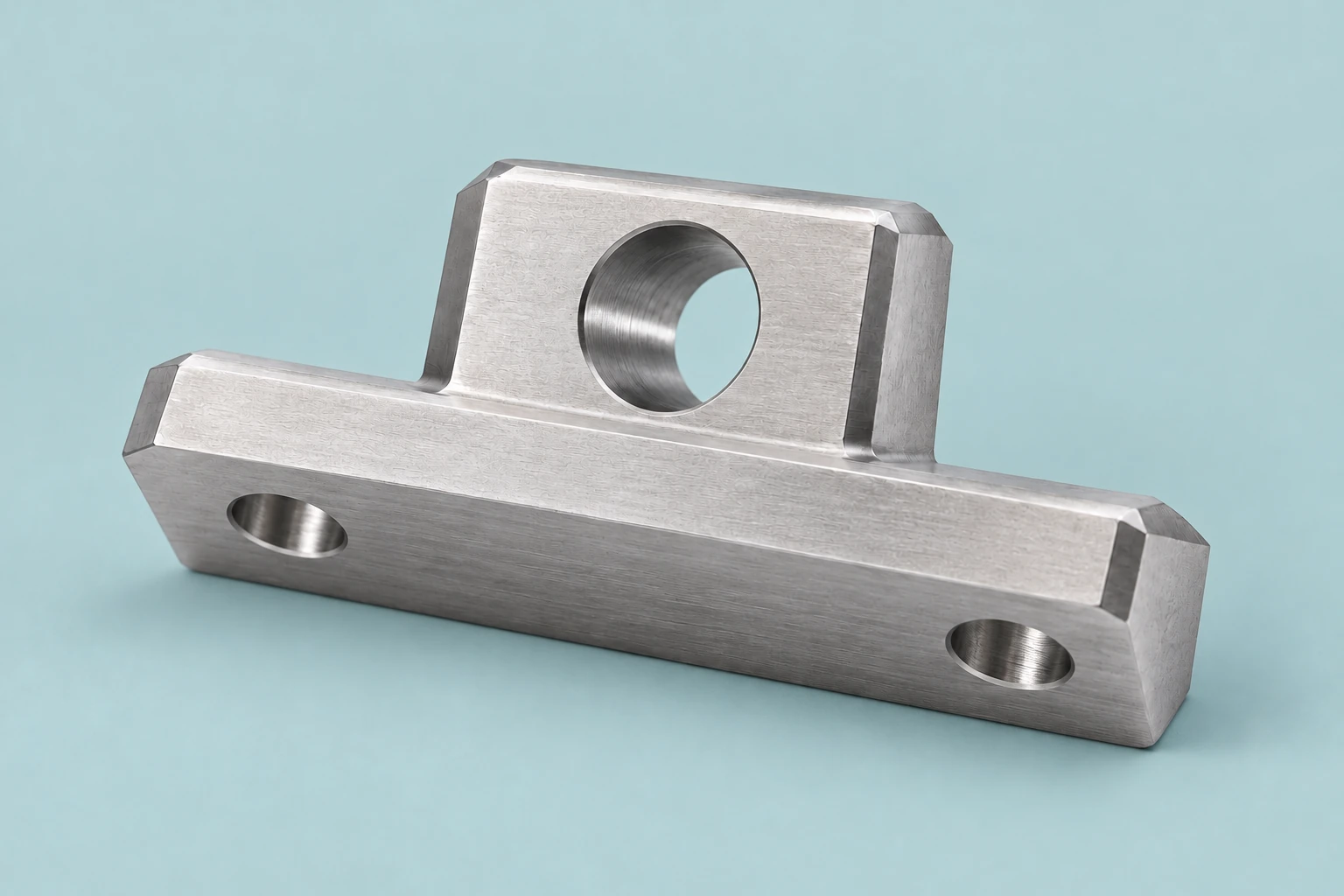
A housing, shaft or support can combine a cast or formed blank with selective machining. Mark the locating faces and critical-to-quality features before comparing production routes.
Material, production quantity and supplied surface condition belong with that geometry.
Drawing-based aluminum die casting and CNC machining for EV traction motor housings, end bells and e-drive enclosures with bore, sealing and thermal-control review.
Custom die-cast aluminum electronics enclosures and integrated heat-sink housings with EMI, sealing, CNC machining and finishing review.
Custom die-cast aluminum housings and heat sinks for street lights, floodlights, high-bay and architectural LED luminaires.
Vacuum-assisted aluminum die casting, machining and project-defined leak testing for pump, valve, fluid and sealed electronic housings.
Custom aluminum die-cast automotive housings for steering, braking, transmission and thermal-management systems, with CNC machining and PPAP support.
Die-cast aluminum housings, RF cavities and heat-sink chassis for 5G radios, base stations and outdoor telecom equipment.
Die-cast aluminum BMS housings, battery junction boxes, inverter enclosures and liquid-cooling components for EV and stationary energy storage.
Large aluminum structural die castings for automotive body, battery and equipment structures using a coordinated HPDC network up to 4,400T.
Precision Zamak zinc die castings for locks, connectors, small gear housings and mechanisms, with thin walls, plating and assembly support.
Lost-wax stainless steel investment castings for valves, impellers, hardware and complex OEM parts with machining and inspection support.
3-axis, 4-axis and 5-axis CNC machining of aluminum prototypes and production parts with anodizing, dimensional inspection and assembly support.
Custom 6061, 6063 and 6005A aluminum extrusion profiles with tooling, cutting, CNC machining, anodizing and powder coating for industrial OEM assemblies.
Tube procurement requires its own grade, dimension, delivery-condition and project-documentation review.
Required grade and governing standard.
Outside diameter, wall thickness and length.
Condition for subsequent processing or service.
Inspection, traceability and acceptance evidence.
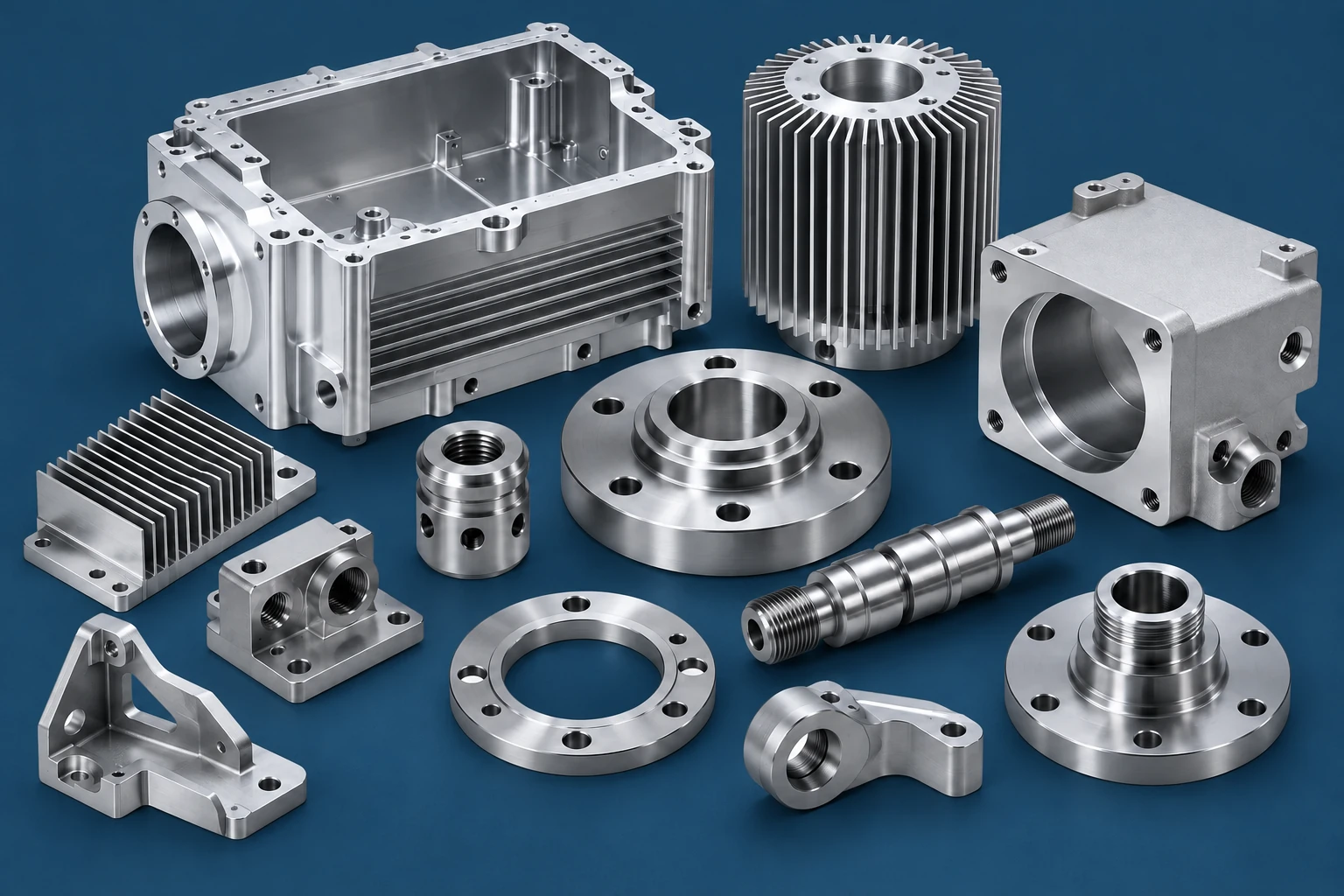
Drawing revision, material, geometry and critical-to-quality dimensions.
Process, tooling, stock allowances and annual demand.
Samples, dimensional and surface checks, project records.
Order quantity, packing, destination and delivery milestones.
2D drawing with tolerances; 3D model preferred. Identify alloy or target properties and critical features.
Preferred route or volume-based recommendation; finish, coating and paired magnet-assembly requirements.
Annual demand, target landed cost, destination and Incoterms. Consider consolidating metal parts and magnets in one shipment.
Drawing revision, samples, quality records and required delivery milestones.
Feasibility, open questions and quotation scope based on the drawing, alloy and volume; DFM feedback, proposed manufacturing route and tooling schedule; samples and agreed validation records.
If the component pairs with a magnet assembly, identify it in the request so both scopes can be consolidated under one quotation.
DFM feedback accompanies the quotation across the relevant manufacturing routes.
Confidential RFQ · NDA available upon request.