
Magnetic Rotors
Retention, shaft interfaces and assembly verification.
Open Magnetic RotorsEngineering support, repeatable manufacturing and documented quality for components used in demanding industrial systems.
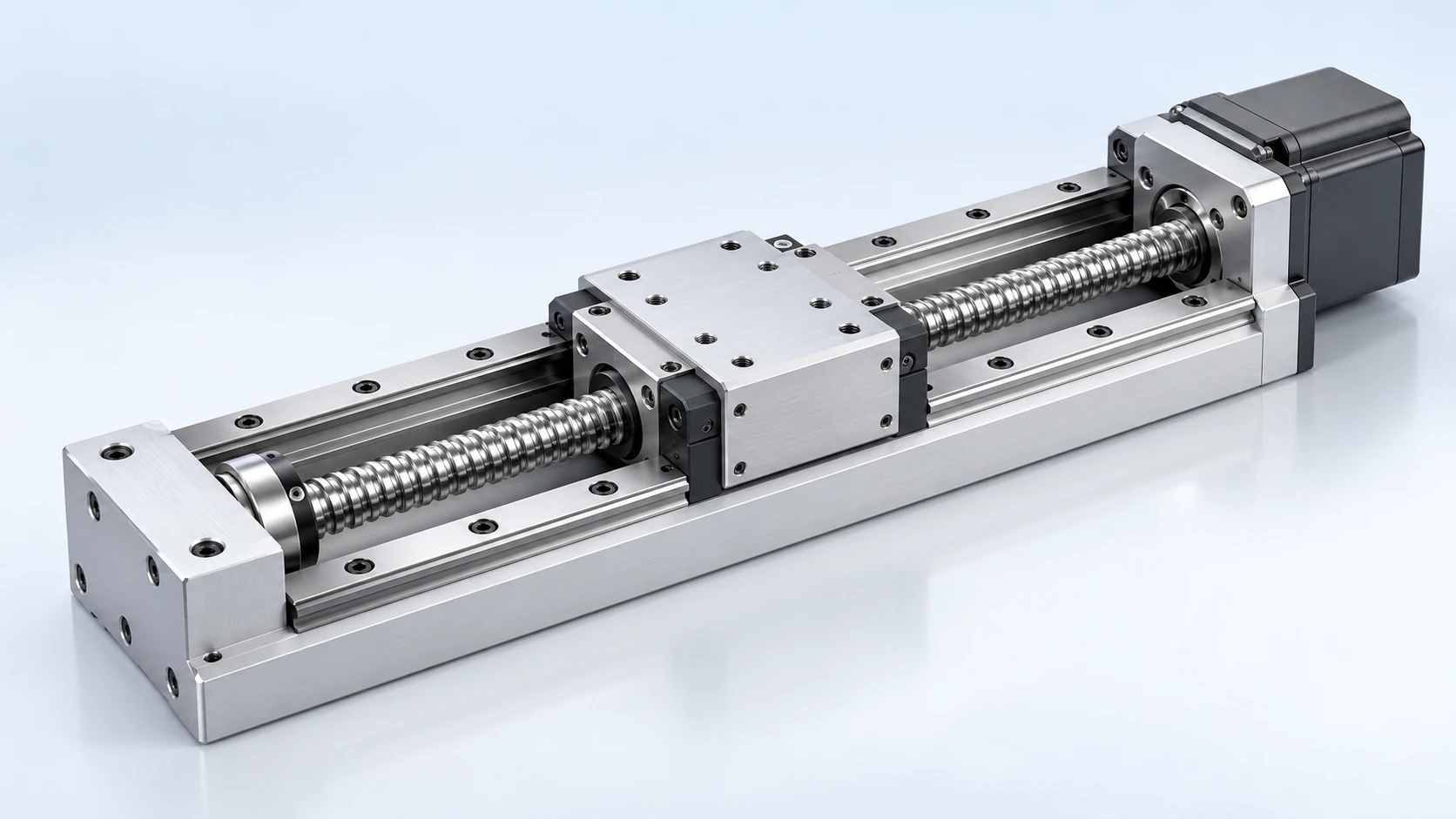
Application areas for component review:
Scroll horizontally to view all columns. Keyboard: focus the table and use the arrow keys.
| Application | Typical Material | What Matters |
|---|---|---|
| Servo & BLDC motors | NdFeB arc segments, rotor assemblies | Sinusoidal flux, high torque density |
| Encoder wheels & rings | Bonded NdFeB, multipole magnetized | Pole accuracy, index alignment |
| Magnetic couplings | NdFeB + stainless housings | Hermetic torque transfer |
| Magnetic grippers / EOAT | NdFeB pots and arrays | Holding force, durability |
| Linear actuators | NdFeB strips, Halbach arrays | Smooth constant force |
| Magnetic separators | Ferrite, NdFeB blocks | Throughput and corrosion resistance |
| Stepper and linear-motor magnetic parts | NdFeB parts and magnetic arrays | Pole pitch, magnetization pattern, working gap and accepted field or force along the working region. |
| Elevator traction and continuous-duty drives | Grade-specific rotor magnets and assemblies | Torque ripple, thermal duty, retention and corrosion exposure. |
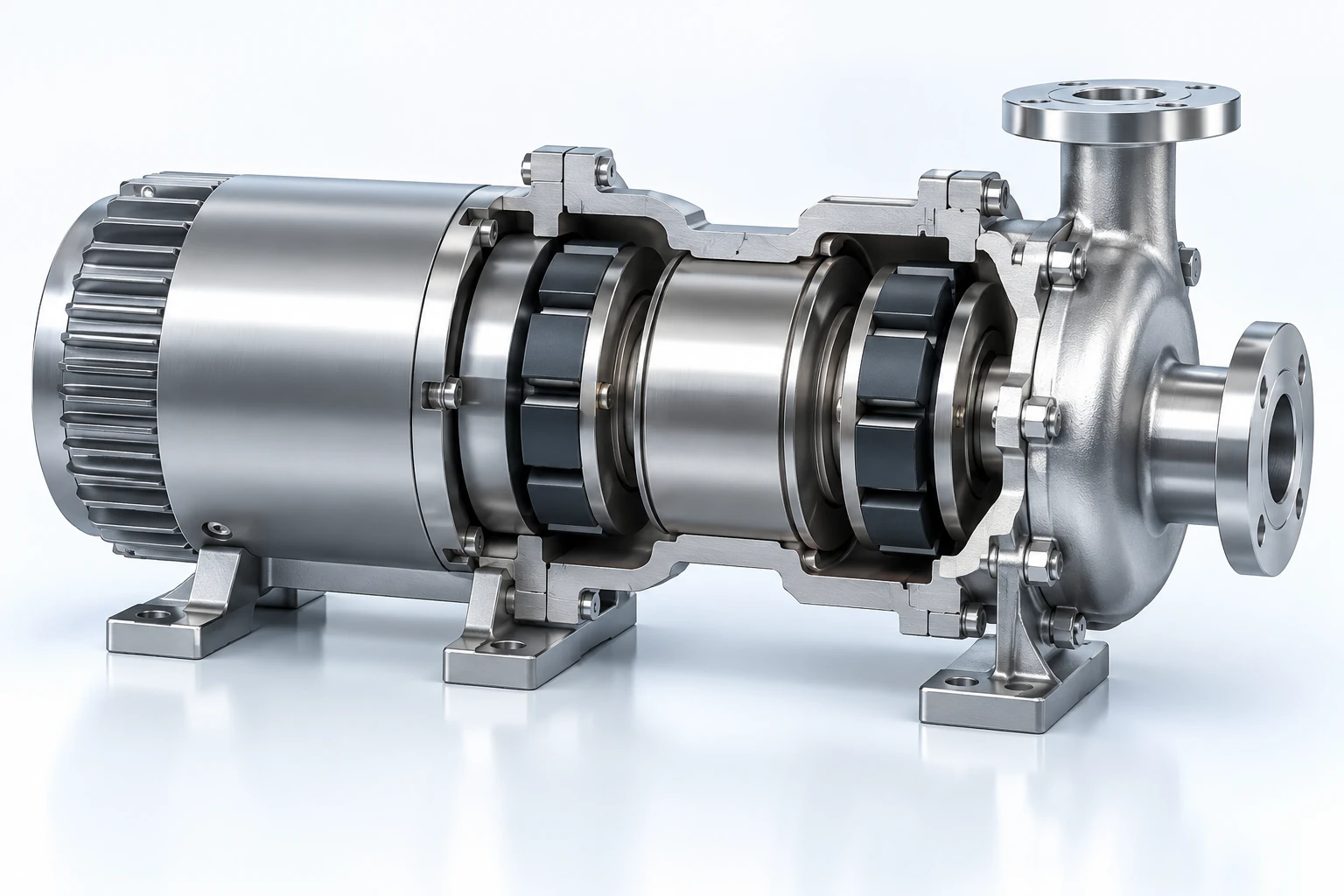
Retention, shaft interfaces and assembly verification.
Open Magnetic RotorsTorque, alignment and containment reviewed together.
Open Magnetic CouplingsSections and machining matched to the equipment frame.
Open Structural ProfilesDrawing-defined bores, threads and mating surfaces.
Explore CNC machiningCustom assembliesRobotics componentsReview the assembly interfaces and acceptance requirements before production.
Coordinate magnets, housings and balancing in one subassembly, with fit and acceptance requirements agreed before production.
Include thermal cycling, vibration, demagnetization margin and intended service life in the assembly review.
Coordinate owned magnetic production and strategic manufacturing bases around the assembly interfaces and agreed responsibilities.
Identify service access, approved drawing revisions and replacement-part requirements before production planning.
Discuss your applicationFor the automation assembly, confirm the product, test conditions, producing route and documentation before adopting these references as acceptance requirements.
Class H Assemblies
Sealed Assemblies
mm Assembly Tolerance
Hours MTBF Design Target
Describe the rotor, coupling or gripper design, its motion, holding or sensing duty, interfaces and service conditions for a free DFM review.
View typical applicationsTechnical downloads