
For Logistics
Packing, destination and delivery terms — discuss the shipment requirements for your order.
Coordinate deliveryNdFeB, SmCo and ferrite powders support different magnet-manufacturing routes. Use the named material family, particle distribution and forming process to select the relevant data below.
MOQ, lead time, packaging and commercial terms — go straight to a quotation.
Request a QuoteGrades, drawings, process data and design support for your DFM review.
Specifications & CoA SamplesCertificates, inspection planning, traceability and PPAP / FAI support per project.
Certificates & TraceabilityPacking, destination and delivery terms — discuss the shipment requirements for your order.
Coordinate deliveryChoose NdFeB, SmCo or ferrite, then specify the intended forming route. Do not compare powder characteristics with a formed specimen without identifying the binder and processing conditions.
Product forms, uses and selection considerations. Final specifications are agreed for each project.
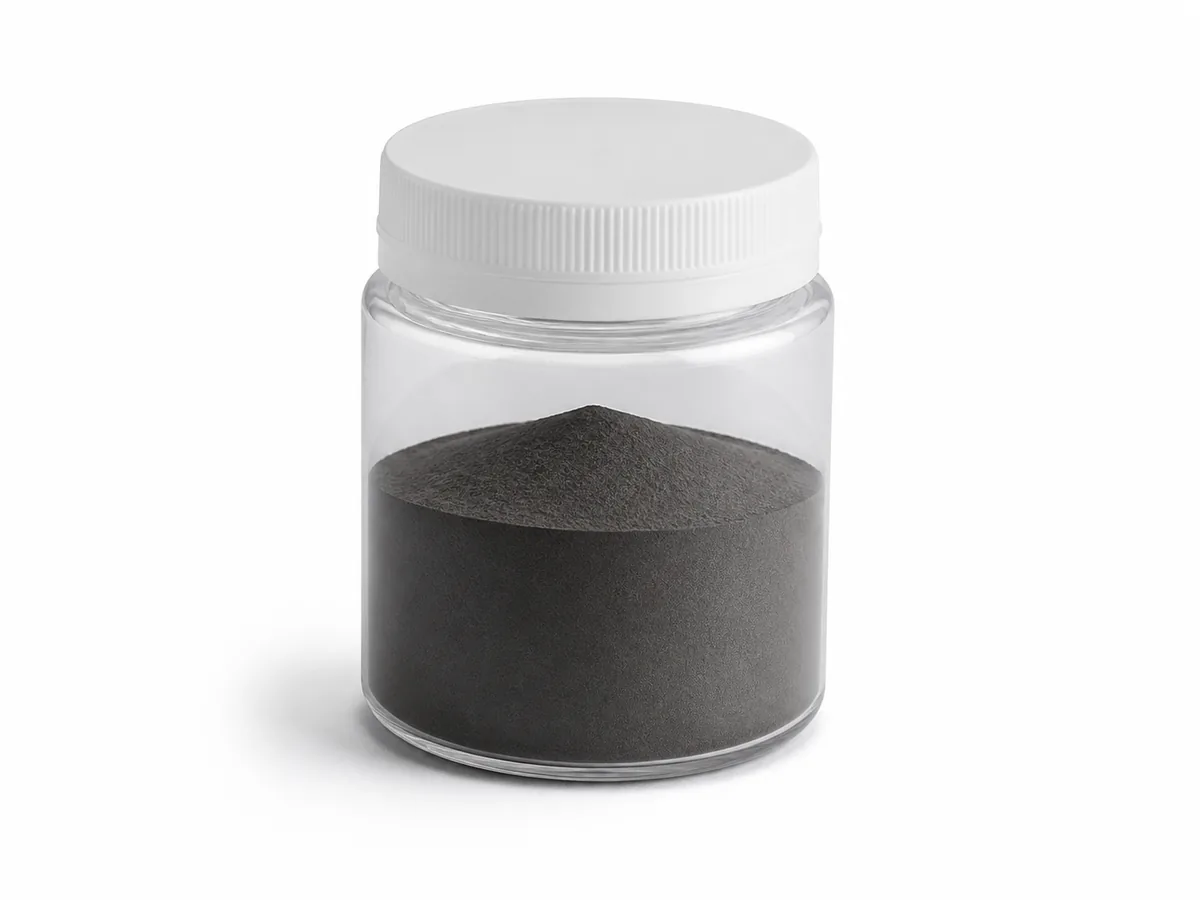
Material input for the selected bonded-magnet process.
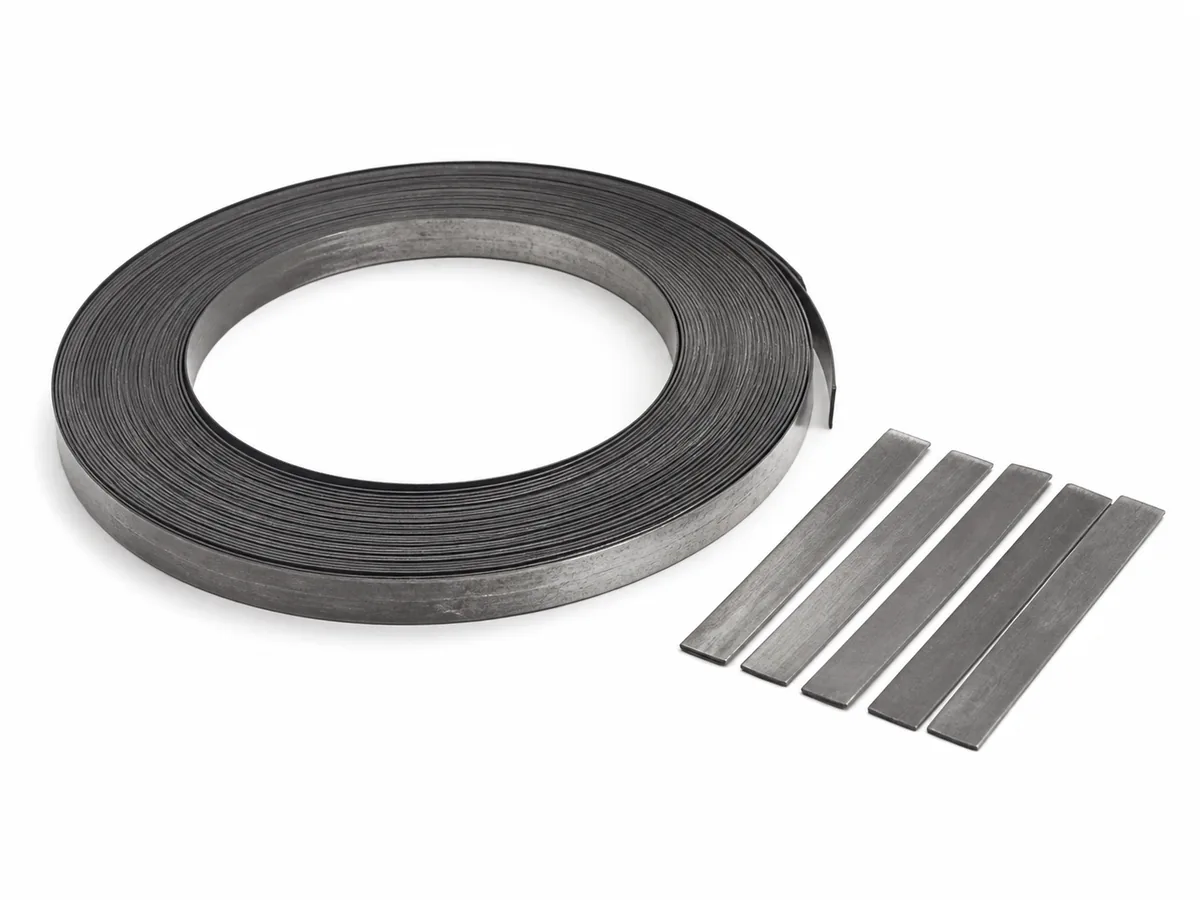
Ribbon and flake forms for downstream processing.
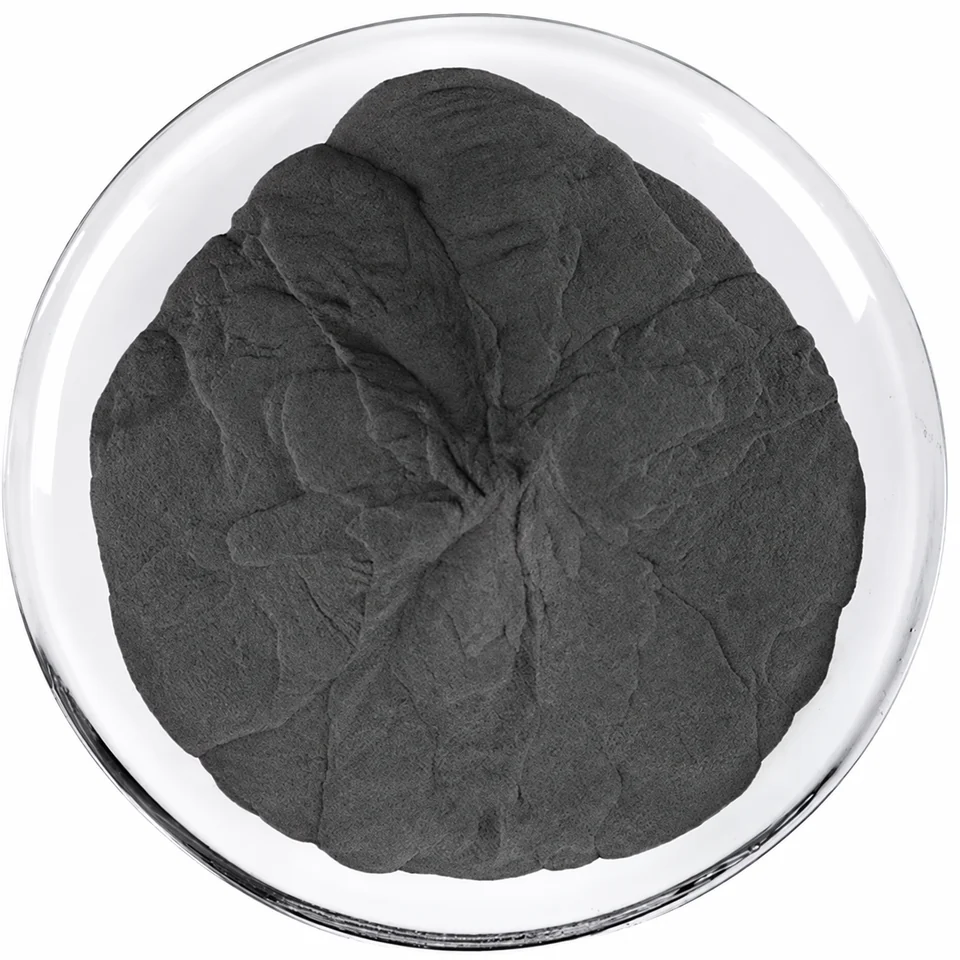
Composition and magnetic requirements reviewed together.
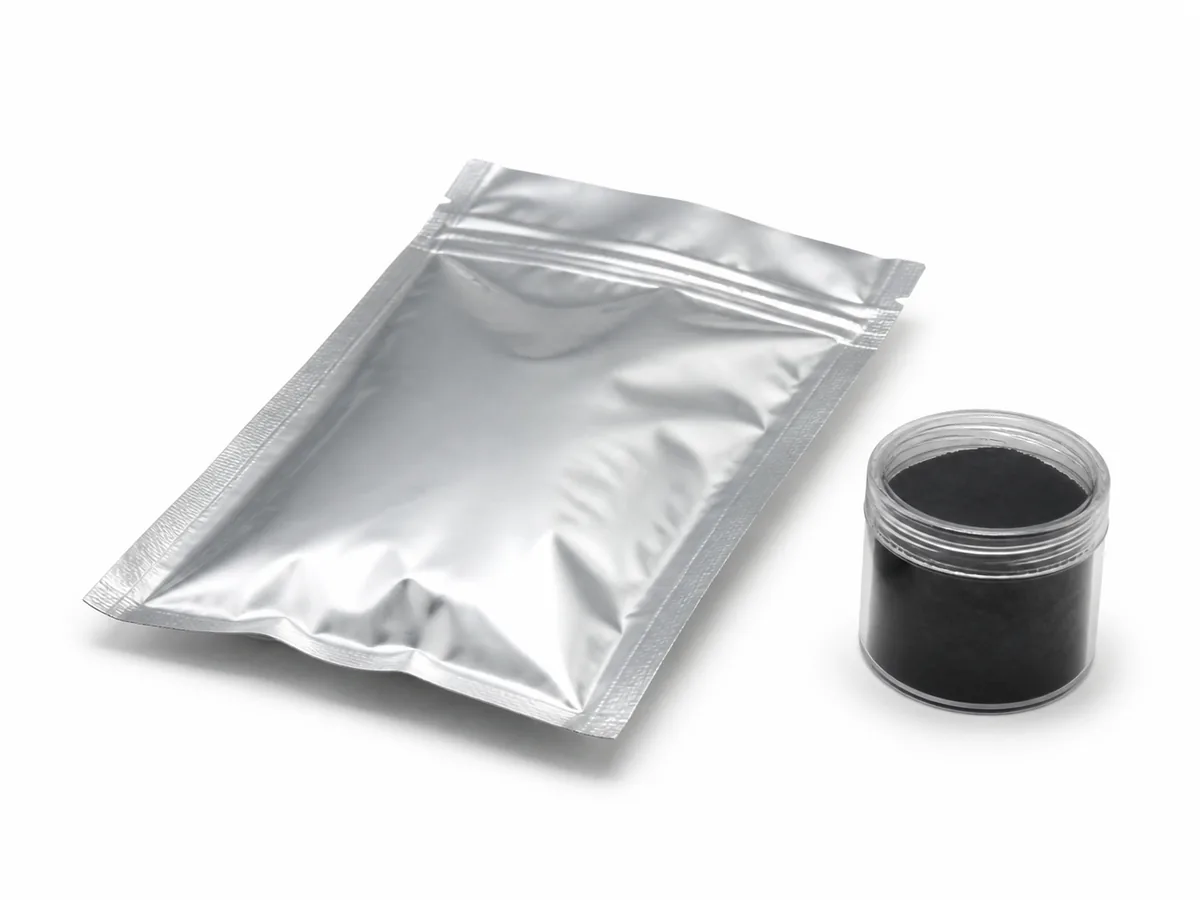
Pack size, handling and batch records agreed.
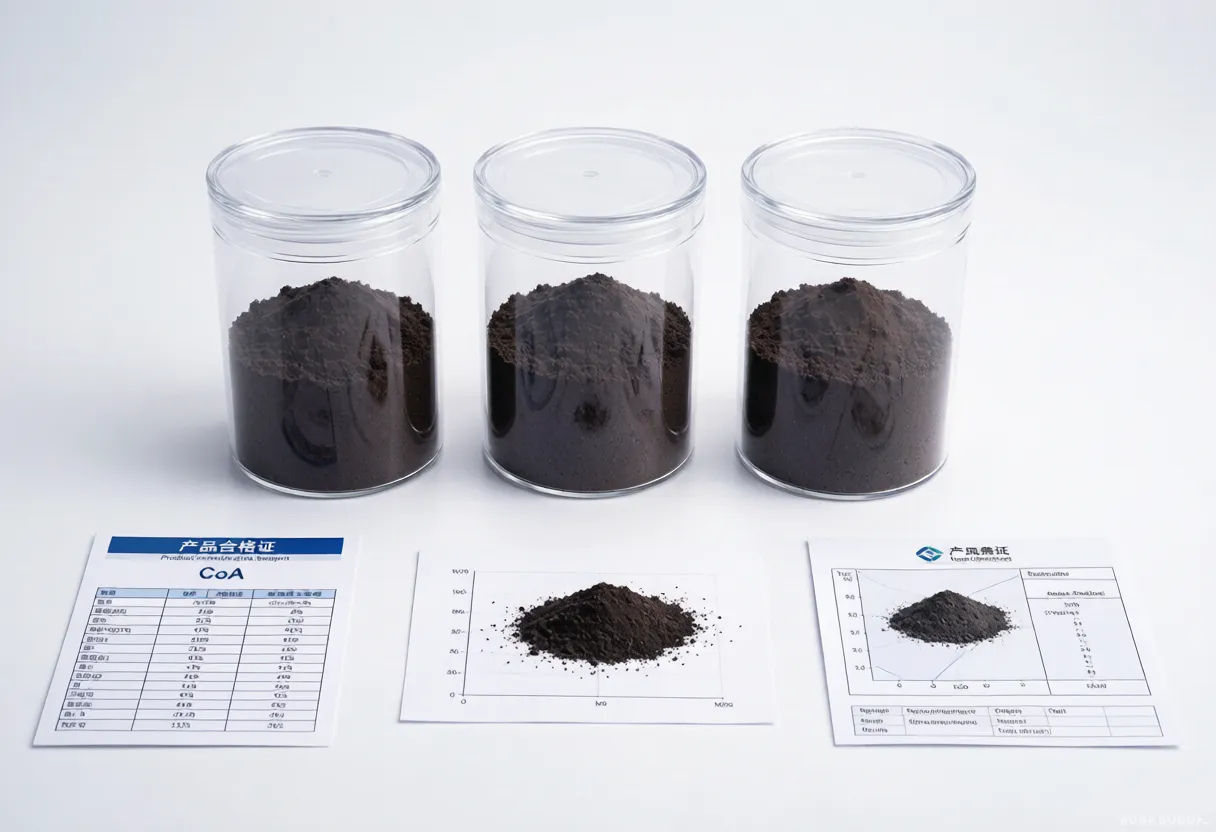
Match material composition, particle characteristics and handling requirements to the downstream process.
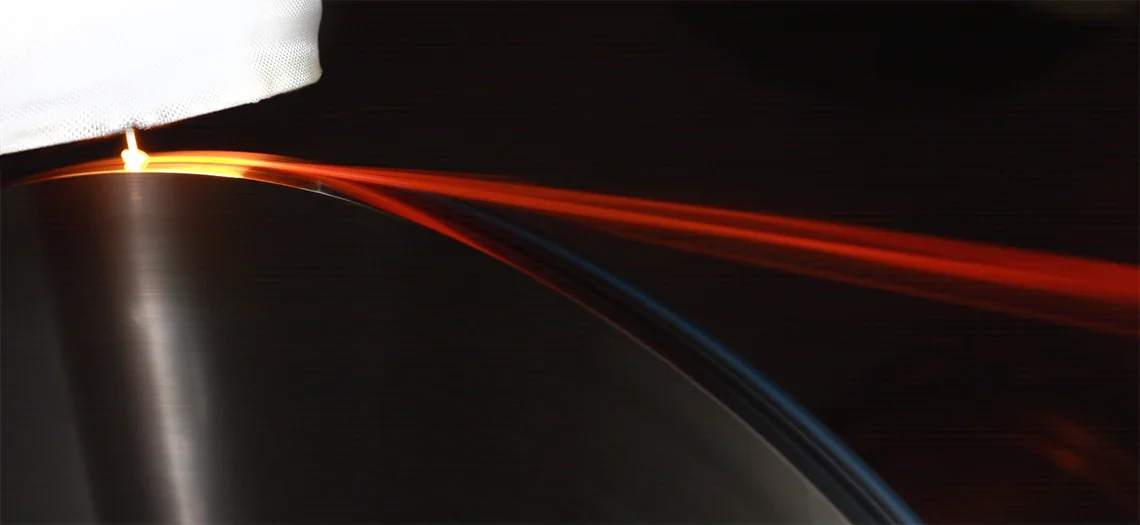 SELECTION GUIDEApplication selection notesExplore applications and requirements
Consistent powder means consistent bonded magnets — and consistent magnets mean reliable products for your customers.
| Application | Typical Spec | Why This Material |
|---|---|---|
| Bonded NdFeB Magnets | Isotropic melt-spun powder | Compression or injection bonded magnets for office equipment and automotive |
| Injection Molding Compounds | Powder + PA12/PPS pellets | Complex net-shape magnetized parts |
| Additive Manufacturing | Binder jetting / laser sintering grade | Magnetic 3D printing feedstock |
| Microwave Absorbers | Carbonyl iron + ferrite powders | EMI suppression and radar absorbing materials |
| Magnetic Paints & Coatings | Fine ferrite and NdFeB powder | Specialty coatings with magnetic properties |
Full powder datasheet available for download.
| Powder Type | Process | Particle Size (D50) | Bonded (BH)max | Best For | MOQ |
|---|---|---|---|---|---|
| Isotropic NdFeB | Melt-spun + crushed | 50–200μm | 4–8 MGOe | Bonded magnets, general | 50 kg |
| Fine Isotropic NdFeB | Melt-spun + jet milled | 5–20μm | 4–7 MGOe | Injection molding | 50 kg |
| Anisotropic NdFeB | HDDR process | 80–300μm | 10–14 MGOe | High-performance bonded | 100 kg |
| SmCo Powder | Gas atomized + crushed | 50–150μm | 8–12 MGOe | High-temp bonded magnets | 20 kg |
| Ferrite Powder | Solid state reaction | 0.5–5μm | 1–3 MGOe (bonded) | Flexible magnets, injection | 100 kg |
The magnetic orientation of individual particles determines what you can do with the powder:
Magnetic powders are reactive — handle and store properly:
Material-specific tables are preserved below. Request the matching grade datasheet, specimen conditions and particle-distribution record for your selected powder.
The named SrFe₁₂O₁₉ and BaFe₁₂O₁₉ tables below are ferrite references, not NdFeB or SmCo specifications. The first SFP table does not identify a chemical composition in the current source and is kept separately pending material confirmation.
Request a grade-specific datasheet covering powder route, particle distribution, binder and specimen conditions.
Confirm composition, thermal requirements, forming route and the test specimen used for magnetic values.
Review the named material systems below. Powder size, formed-specimen magnetic values and shrinkage are separate characteristics.
| Grade | Br (mT) | Hcb (kA/m) | Hcj (kA/m) | (BH)max (kJ/m³) | D50 (μm) | Application |
|---|---|---|---|---|---|---|
| SFP-1.5 | 230-250 | 160-180 | 240-280 | 9.5-11.5 | 1.2-1.8 | Injection molding (PA6/PA12 binder) |
| SFP-2.0 | 240-260 | 170-195 | 260-310 | 10.5-12.5 | 1.5-2.2 | Compression bonded (epoxy binder) |
| SFP-3.0 | 250-270 | 185-210 | 280-340 | 12.0-14.5 | 0.8-1.5 | Calendered flexible sheet/strip |
| SFP-A | 225-245 | 155-175 | 220-265 | 9.0-10.5 | 1.0-1.6 | Anisotropic general purpose |
| Grade | Material | Br (mT) | Hcb (kA/m) | Hcj (kA/m) | (BH)max (kJ/m³) | Shrinkage (%) | Coarse Powder (μm) | Fine Powder (μm) |
|---|---|---|---|---|---|---|---|---|
| SFP-W4 | SrFe₁₂O₁₉ | 385-395 | 215-231 | 223-255 | 27.9-31.1 | 12.0-14.0 | 3-6 | 0.80-0.90 |
| SFP-W5 | SrFe₁₂O₁₉ | 400-410 | 223-239 | 223-255 | 30.3-33.5 | 12.0-14.5 | 3-6 | 0.68-0.80 |
| SFP-W6 | SrFe₁₂O₁₉ | 405-415 | 255-271 | 263-295 | 30.3-31.9 | 11.0-13.0 | 2-5 | 0.65-0.75 |
| SFP-W9.1 | SrFe₁₂O₁₉ | 440±10 | 262.5±12 | 286.5±12 | 36.0±1.6 | 11.0±1 | — | 0.6±0.02 |
| SFP-W9.2 | SrFe₁₂O₁₉ | 430±10 | 318.5±12 | 358.3±12 | 35.0±1.6 | 11.0±1 | — | 0.6±0.02 |
| SFP-W9.3 | SrFe₁₂O₁₉ | 420±10 | 318.5±12 | 397.9±12 | 33.5±1.6 | 11.0±1 | — | 0.6±0.02 |
| Grade | Material | Br ∥ / ⊥ (mT) | Hcb ∥ / ⊥ (kA/m) | Hcj ∥ / ⊥ (kA/m) | (BH)max ∥ / ⊥ (kJ/m³) | Shrinkage (%) | Fine Powder (μm) |
|---|---|---|---|---|---|---|---|
| SFP-D1 | BaFe₁₂O₁₉ | 200-230 / 185-205 | 129-137 / 115-125 | 199-231 / 199-231 | 7.6-8.4 / 5.6-6.4 | 14.0-16.0 | 0.8-1.0 |
| SFP-D1R | BaFe₁₂O₁₉ | 210-220 / 220-240 | 127-143 / 132-148 | 246-278 / 246-278 | 6.8-8.4 / 8.4-9.2 | 13.5-15.5 | 0.8-1.0 |
| SFP-D1A | BaFe₁₂O₁₉ | 230-240 / 195-205 | 143-151 / 123-131 | 239-271 / 239-271 | 8.4-9.2 / 5.6-6.4 | 14.0-16.0 | 0.8-1.0 |
| Grade | Material | Br (mT) | Hcb (kA/m) | Hcj (kA/m) | (BH)max (kJ/m³) | Shrinkage (%) | Fine Powder (μm) |
|---|---|---|---|---|---|---|---|
| SFP-D2.4 | SrFe₁₂O₁₉ | 350-370 | 207-239 | 223-255 | 22.4-25.6 | 14.5-16.5 | 0.8-0.9 |
| SFP-D2.6 | SrFe₁₂O₁₉ | ≥372 | ≥227 | ≥235 | ≥24.7 | 13.0-15.0 | 0.75-0.85 |
| SFP-D2.6H | SrFe₁₂O₁₉ | 370-380 | 245-265 | 255-279 | 23.9-25.5 | 13.0-15.0 | 0.75-0.85 |
| SFP-D2.7H | SrFe₁₂O₁₉ | ≥372 | ≥255 | ≥280 | ≥24.7 | 13.0-15.0 | 0.75-0.85 |
Specify whether magnetic values apply to powder, a bonded test specimen or a sintered body. Binder, compaction, orientation, sintering and measurement conditions must be supplied with the grade approval.
Magnetic powder production requires enclosed low-oxygen handling, batch processing, particle-size verification and sealed drum logistics.
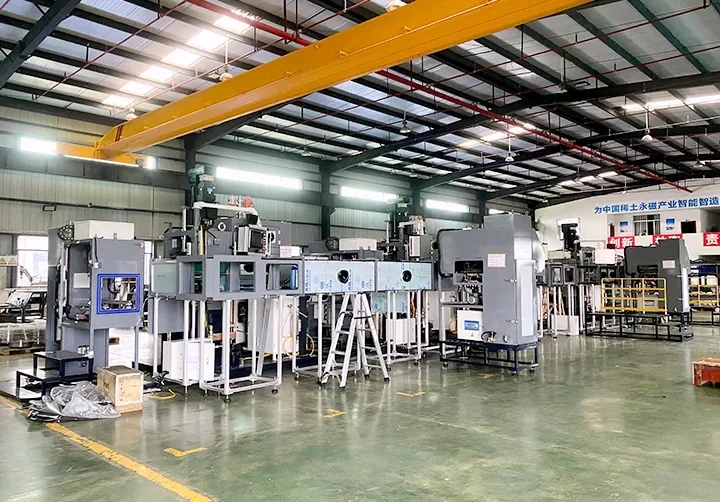
Connected modules support powder preparation and controlled transfer.
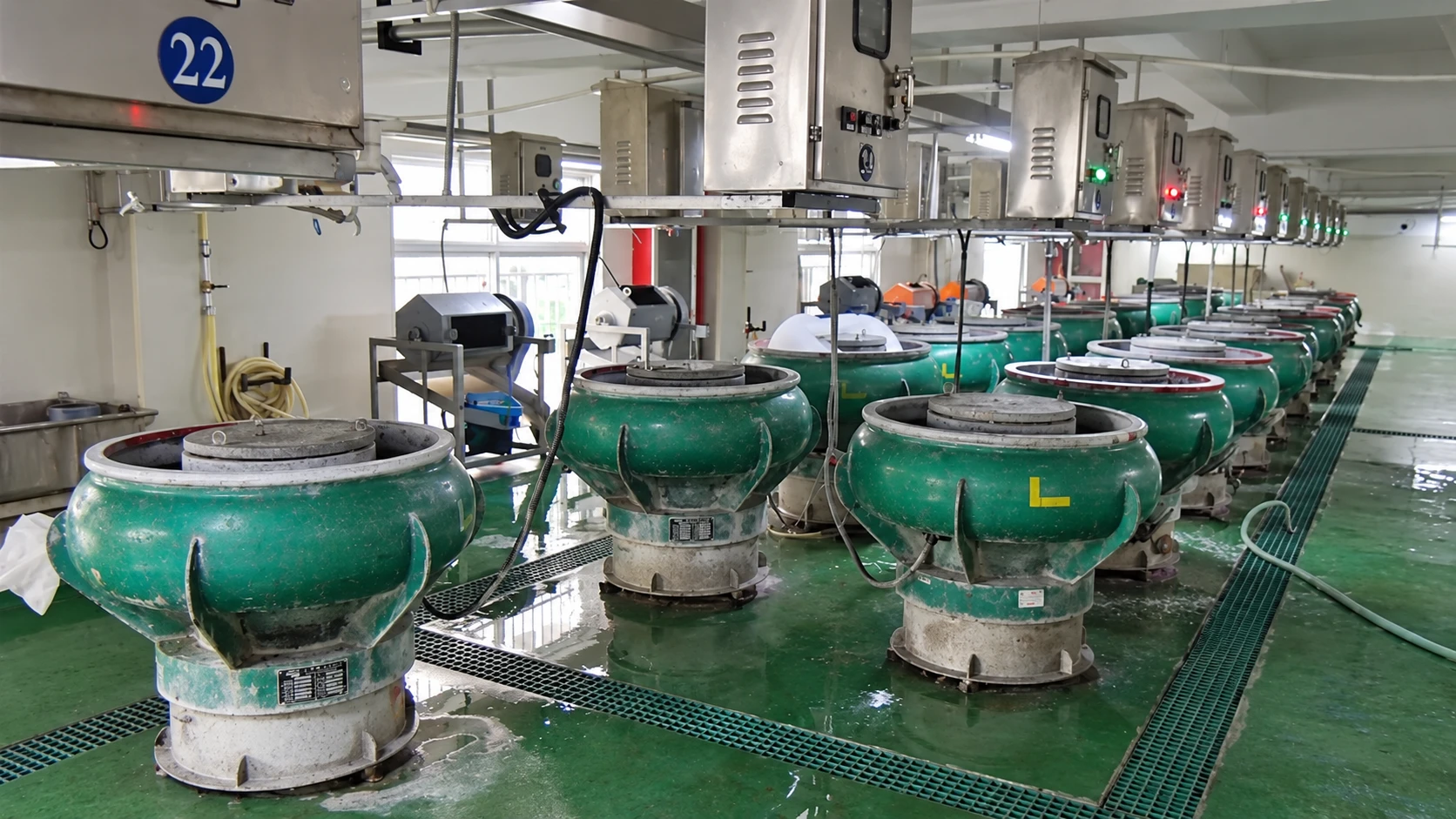
Purpose-built vessels support controlled preparation and conditioning.
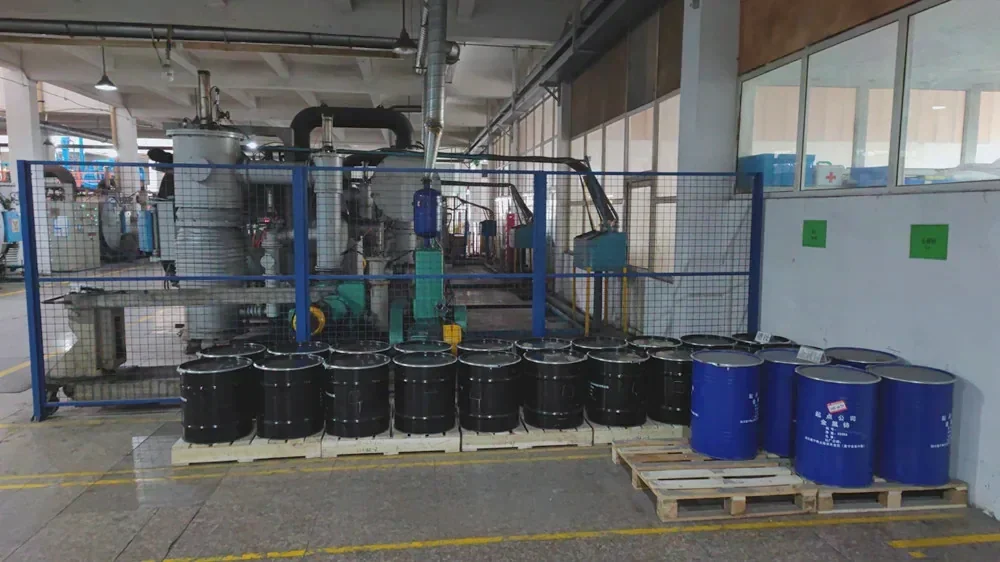
Sealed drums and controlled staging protect reactive powder feedstock.
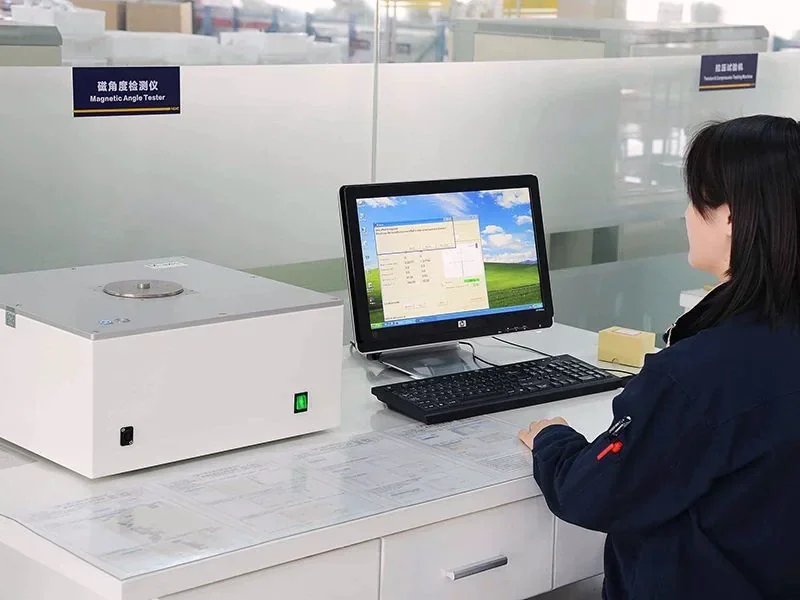
Production samples are checked for particle-size distribution.
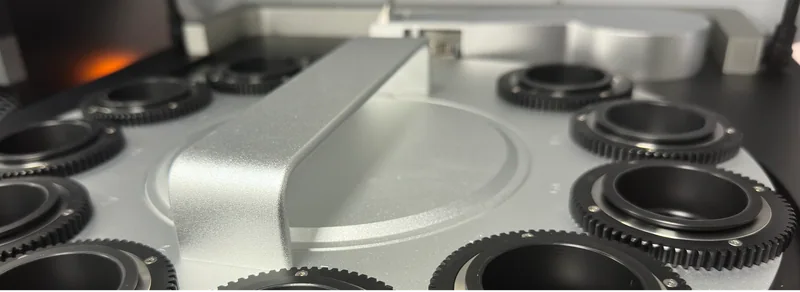
Sample preparation and characterization support the agreed material and batch-review plan.
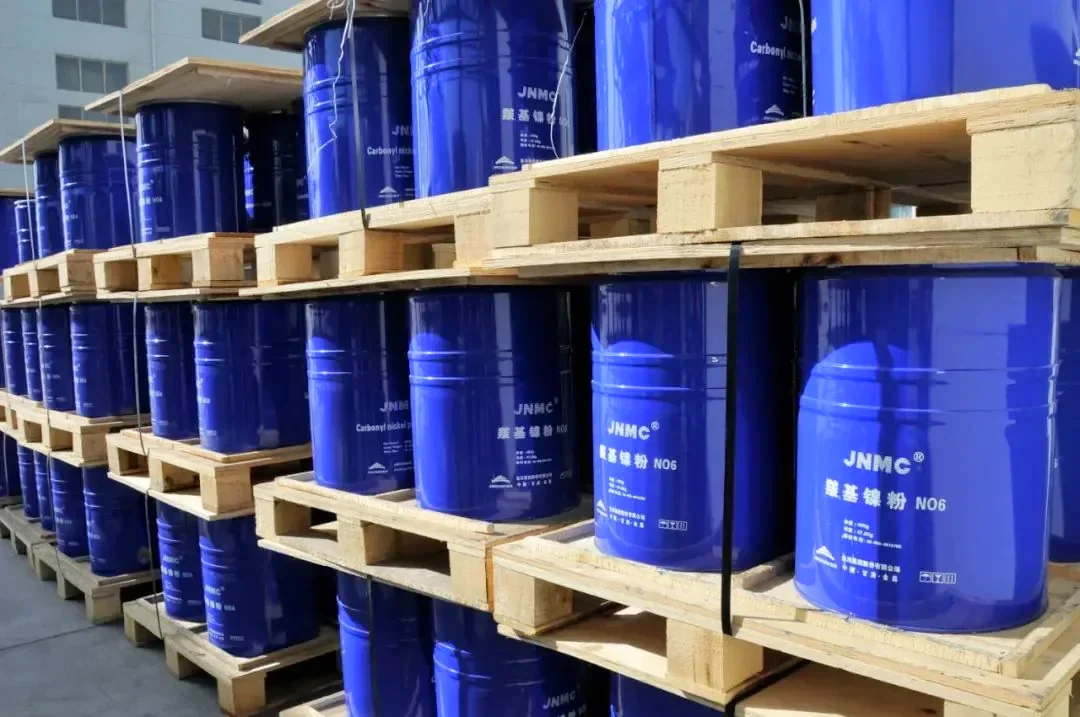
Labeled metal drums are palletized to control moisture, contamination and traceability.
Both. Most of our powder production feeds our own bonded magnet lines, but we supply powder directly to qualified customers with appropriate handling capability. Tell us your application — we'll recommend whether powder supply or finished magnets better serve you.
Melt-spun (rapidly solidified) powder is isotropic — good for general bonded magnets. HDDR (hydrogenation-disproportionation-desorption-recombination) powder is anisotropic — 1.5–2× stronger but must be magnetized along its alignment axis. HDDR costs 30–50% more and requires field-orientation in your process.
Yes — MSDS, transport classifications (UN and IATA where applicable), and handling guidelines accompany every powder shipment. NdFeB powder is classified as flammable solid for fine grades — we ship with appropriate declarations and packaging.
Injection molding requires fine powder (D50 5–20μm) to flow through nozzles and fill thin-wall molds without segregating from the polymer carrier. Coarser powder (D50 >50μm) works for compression bonding where the powder is mixed with minimal binder and pressed in a die.
Certificate of Analysis with every lot — particle size distribution, magnetic properties, oxygen and moisture content measured per the agreed methods.
Sealed containers with moisture barrier; inert-gas packing for reactive powders; label includes lot number, production date and storage class.
Storage-life and handling documentation supplied so your process maintains powder quality from dock to press.
State incoming-test methods and storage conditions so packaging and batch documentation can be discussed before shipment.
Specify receiving requirementsSend your spec — particle size distribution, purity, magnetic properties. CoA with every lot.