
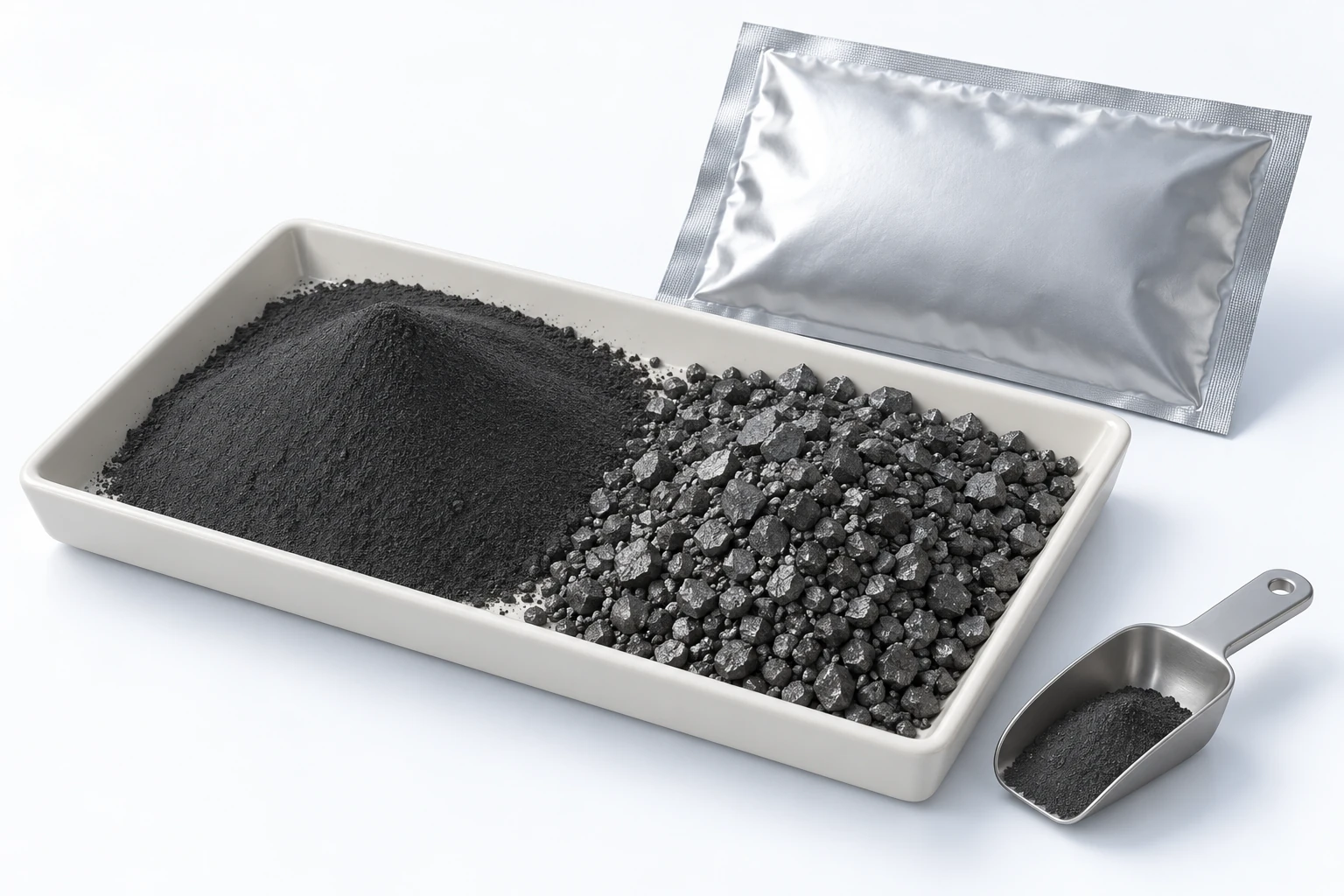
Magnetic powders
Composition, particle size and forming requirements for magnetic powder systems.
Ceramic, magnetic and rare-earth systems—matched to properties, process conditions and supply form.
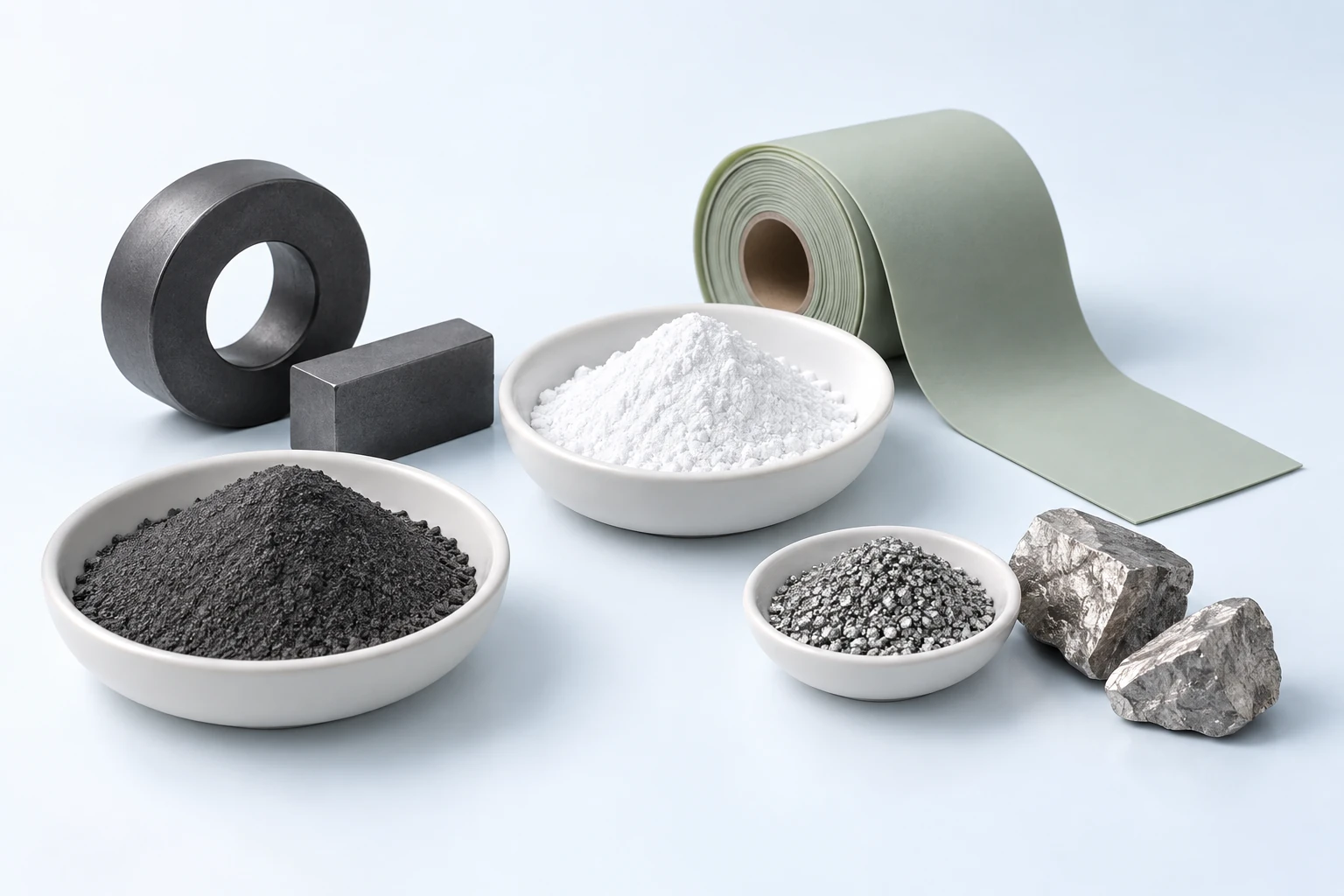
Composition, particle size and forming requirements for magnetic powder systems.
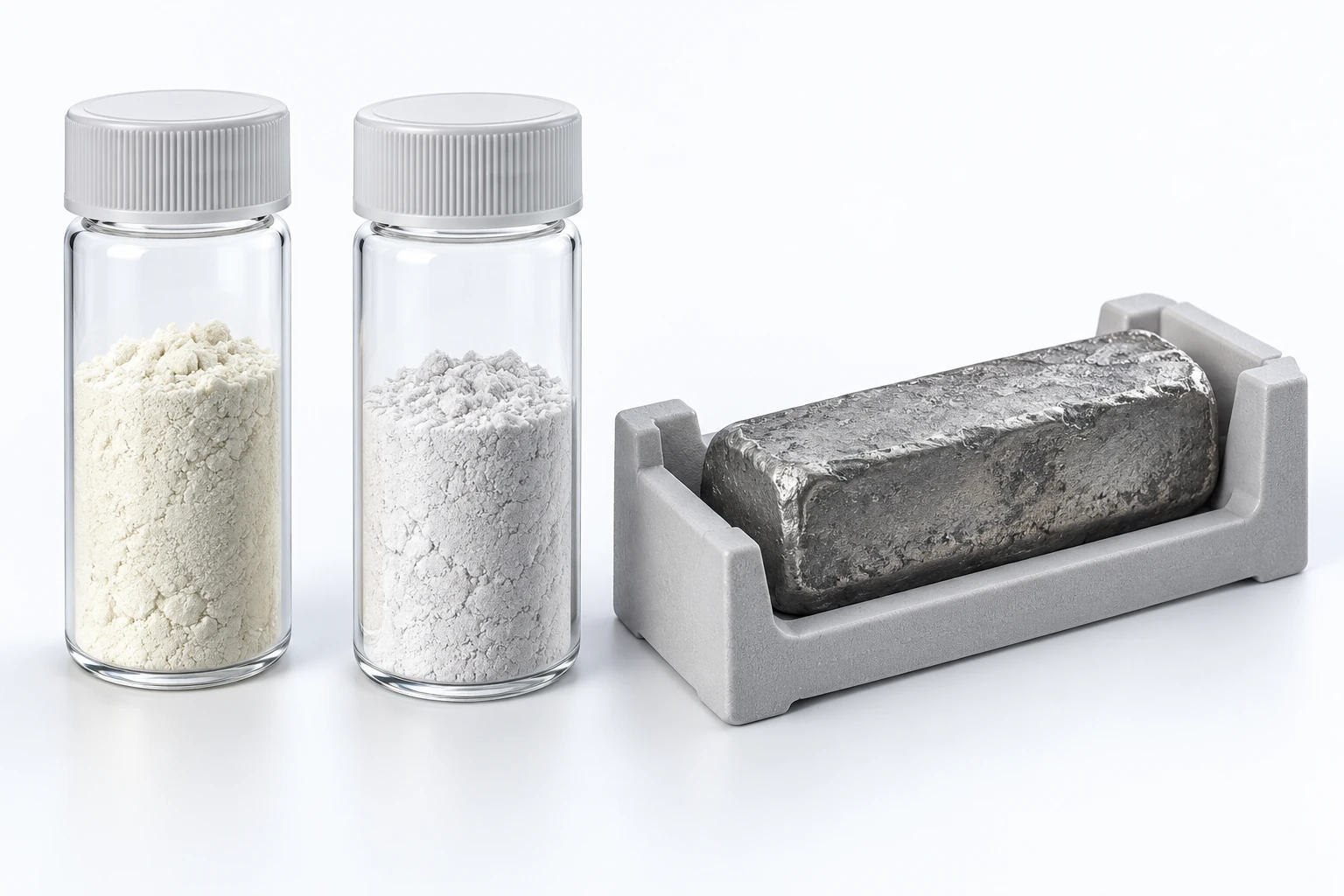
Oxide powders, metal ingots and chunks. State chemical form, composition and assay basis.
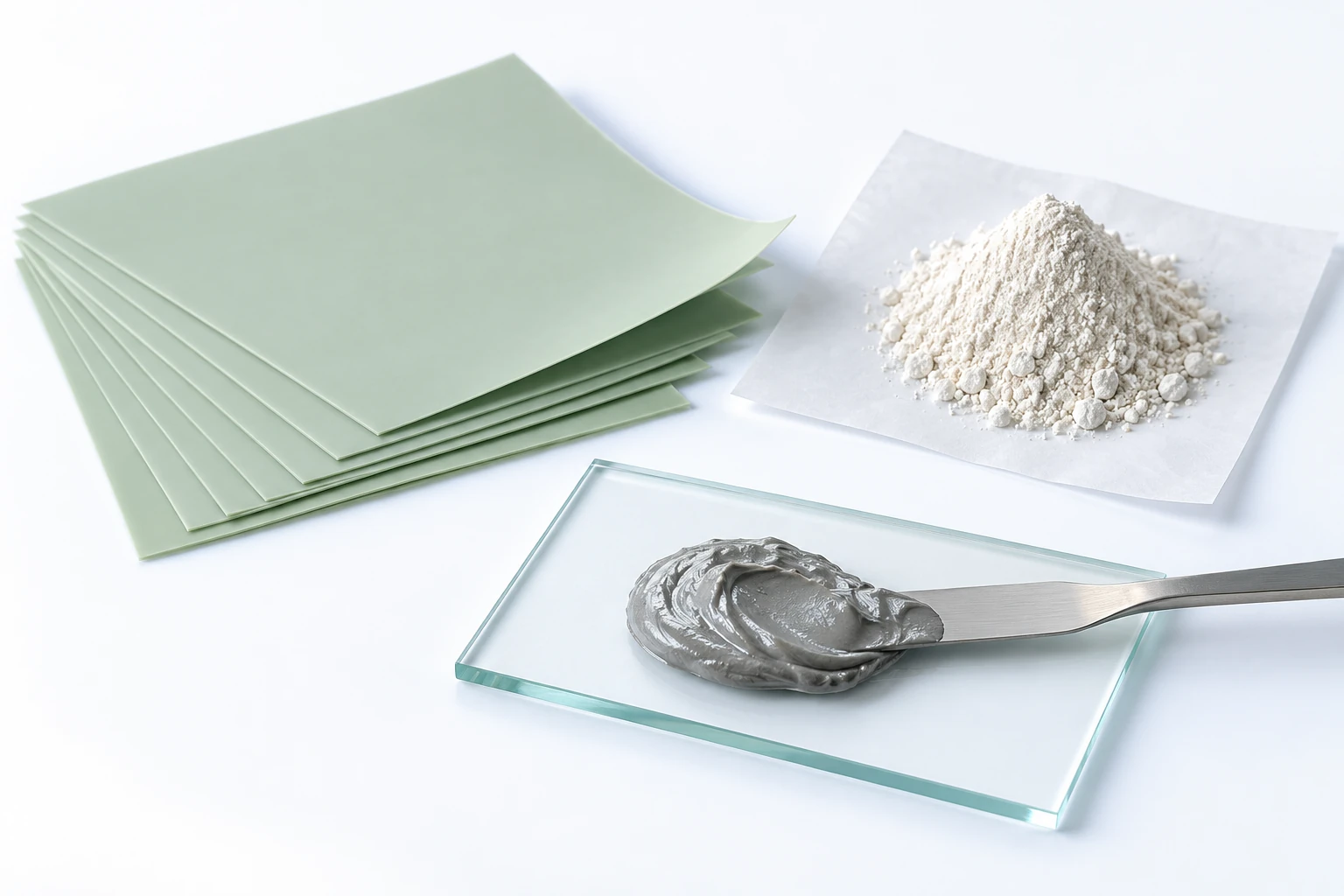
Dielectric powder, unfired tape and matching silver paste. Review the combination and firing conditions.
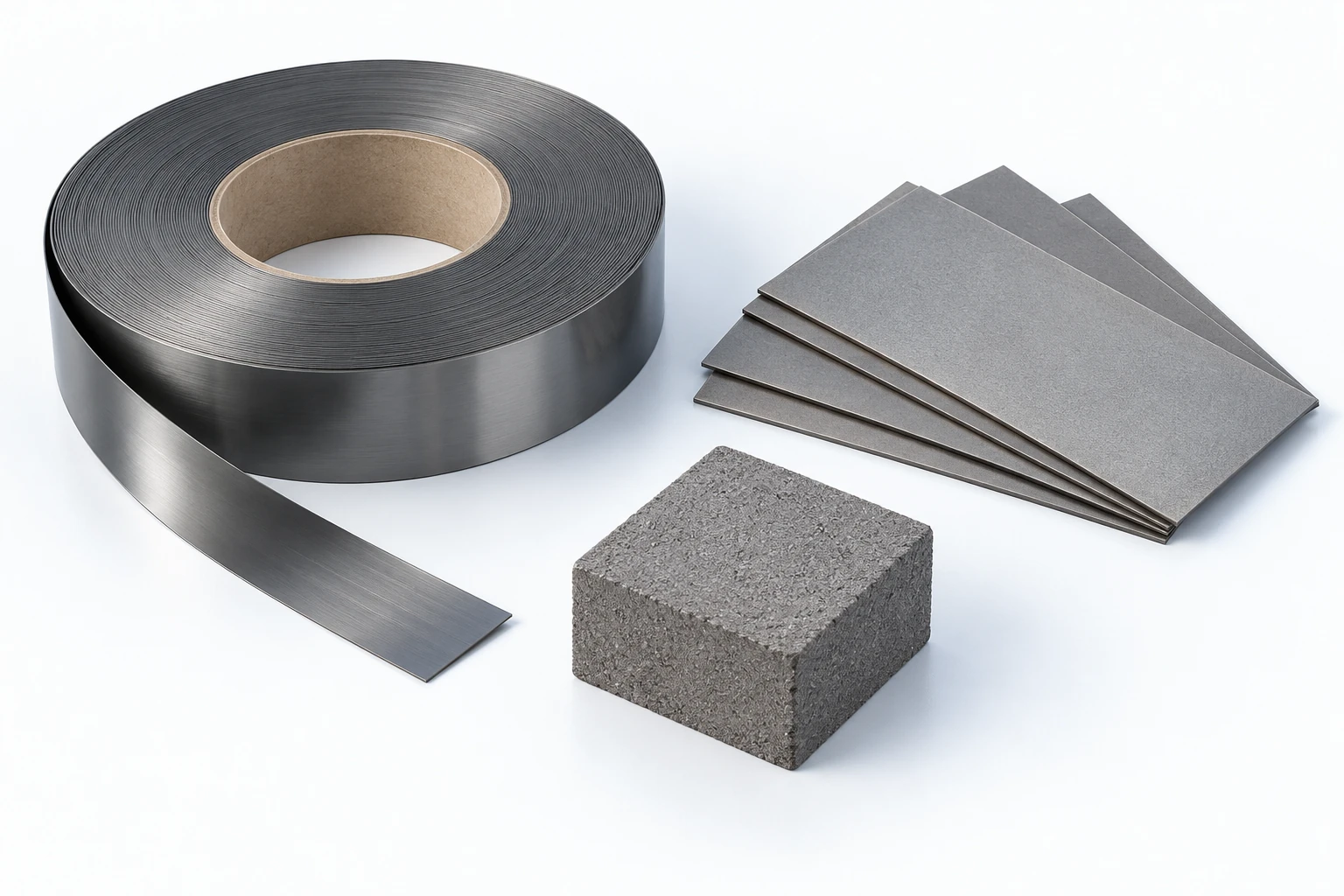
Core materials and formed geometries for inductors and transformers. Specify frequency, loss and operating conditions.
Rare-earth oxides and metals—including NdPr, Dy and Tb—sourced, processed and certified to the agreed requirements.
Powders for bonded magnets: isotropic NdFeB, anisotropic SmCo and ferrite.
Bonded-magnet and soft-core routes; LTCC powder, green tape and matching silver paste for multilayer ceramic evaluation.
Material selection supports magnetic assemblies and downstream electronic applications. LTCC supply covers powders, green tapes and silver pastes, not finished modules. State the delivery form and processing steps included in your project.
Magnetic, dielectric, thermal or chemical properties required in the finished component.
Forming route, binder or conductor system, firing profile and dimensional constraints.
Method, acceptance limits, sample evaluation and required batch analysis records.
Particle-size, composition, purity and magnetic-characterization requirements are matched to the material and agreed batch inspection plan.
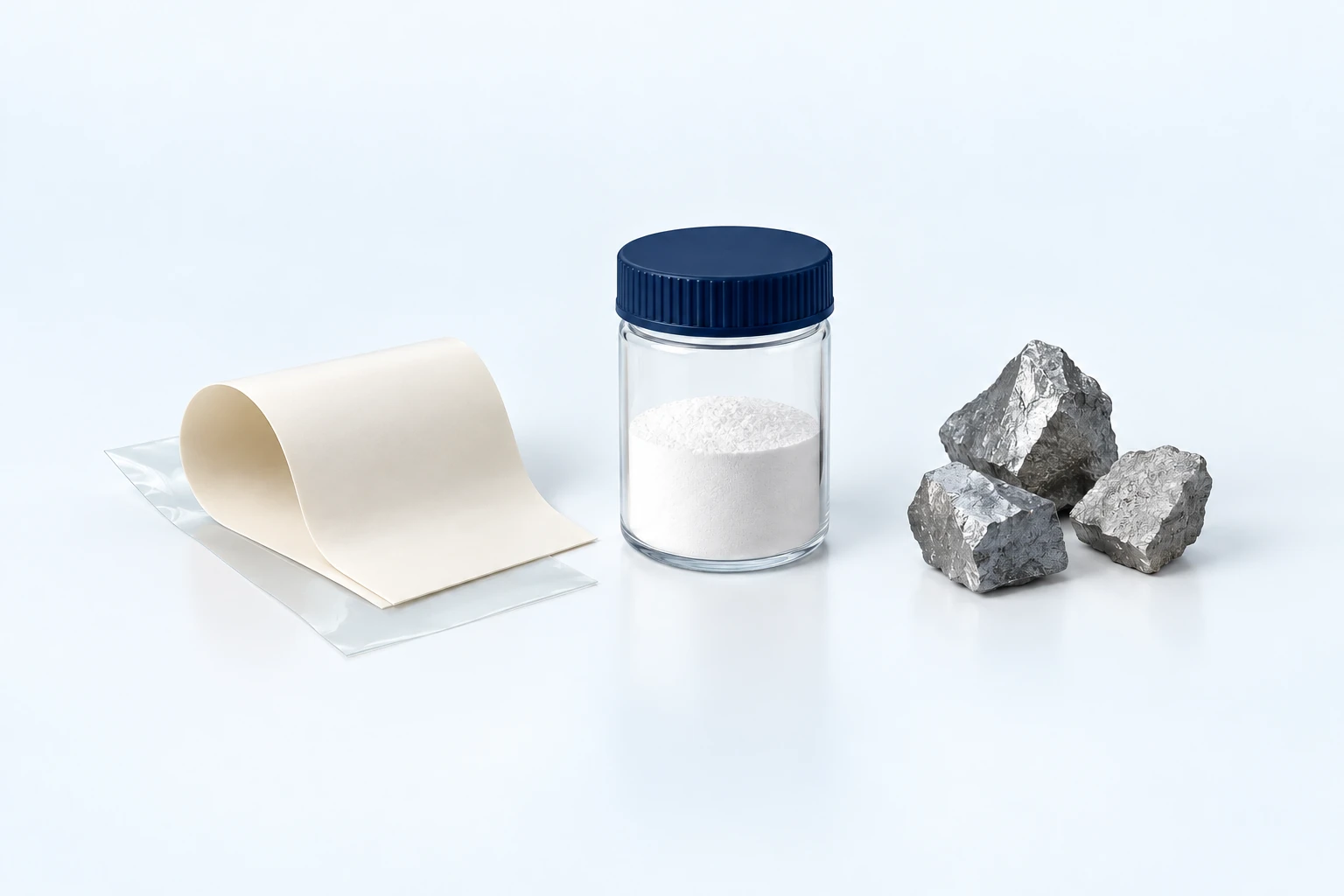
Name the powder, tape, paste, oxide, metal or core. Include composition, measurement method and intended processing conditions.
State evaluation quantity, expected volume and packaging. Confirm which identification and evaluation records must accompany the supply.
Type and grade or application; remanence, coercivity and energy product for magnets; particle-size distribution for powders.
Purity and impurity limits; applicable ASTM, IEC or JIS standards; RoHS, REACH or conflict-mineral declarations.
Annual tonnage or piece volume; moisture-barrier, vacuum-sealed or drum packing; destination and Incoterms.
Drawing/document revision, sample criteria, evaluation records and delivery milestones.
Send the material family, properties, measurement conditions and supply format for engineering review.
Confidential RFQ · NDA available upon request.