
For Logistics
Packing, destination and delivery terms — discuss the shipment requirements for your order.
Coordinate deliverySoft magnetic materials concentrate and shape magnetic fields in transformers, inductors, and chokes. FeSiAl, FeNi, MnZn ferrite, and SMC — matched to your frequency, loss, and cost requirements.
MOQ, lead time, packaging and commercial terms — go straight to a quotation.
Request a QuoteGrades, drawings, process data and design support for your DFM review.
Material Data & SpecificationsCertificates, inspection planning, traceability and PPAP / FAI support per project.
Certificates & DocumentationPacking, destination and delivery terms — discuss the shipment requirements for your order.
Coordinate deliverySelect a core or material system using frequency, flux density, temperature and DC bias. A loss or permeability value is meaningful only with its measurement conditions.

Product forms, uses and selection considerations. Final specifications are agreed for each project.
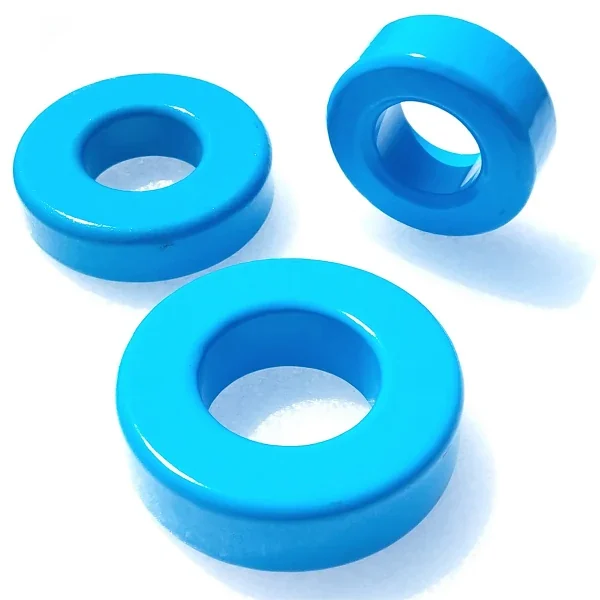
Review frequency, flux density and DC bias.
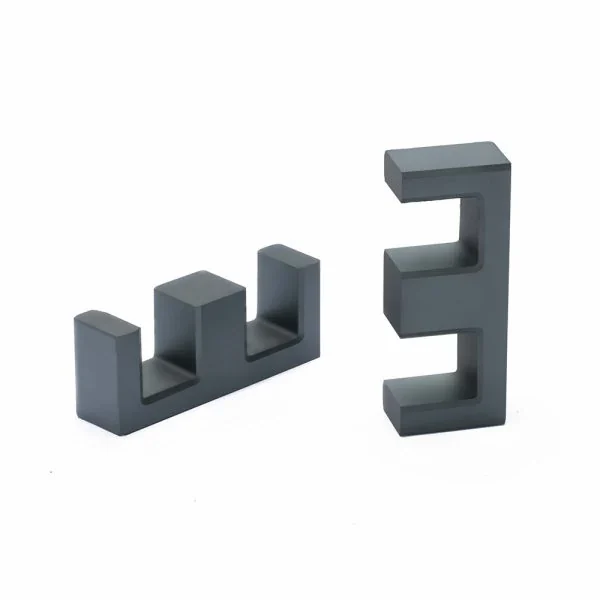
Matched shapes for transformer and inductor designs.
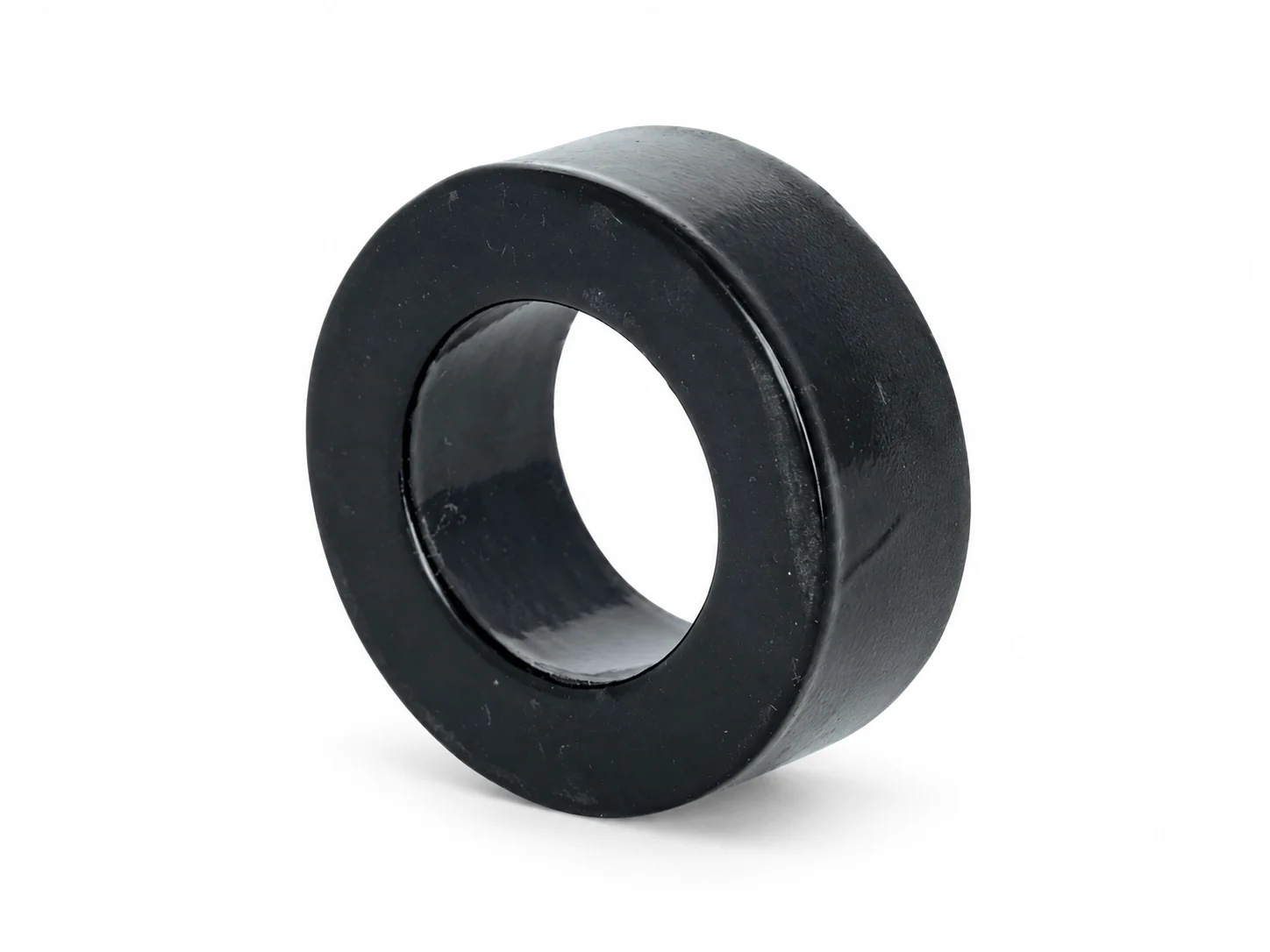
Toroidal forms for the specified magnetic circuit.
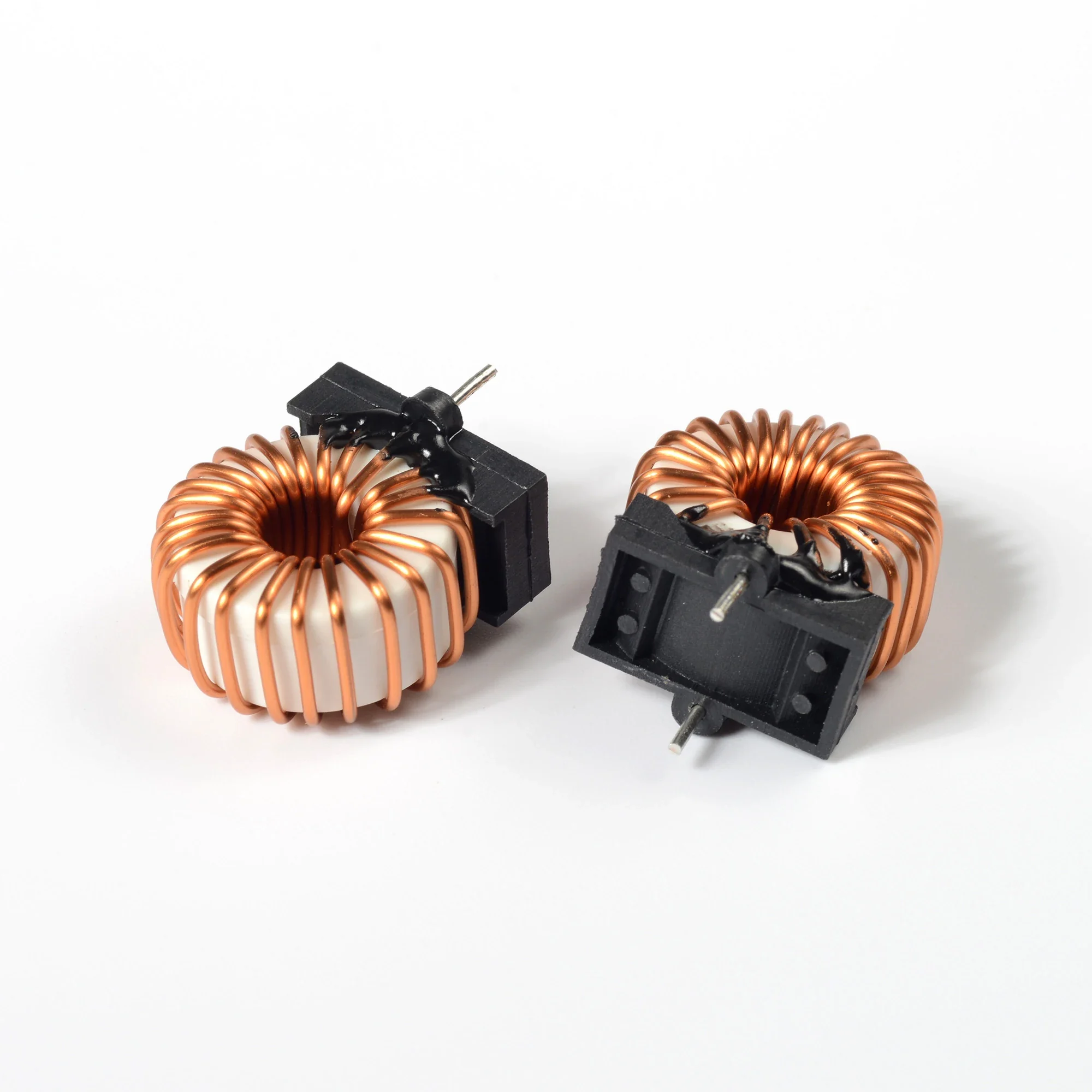
Core and winding considered as one component.
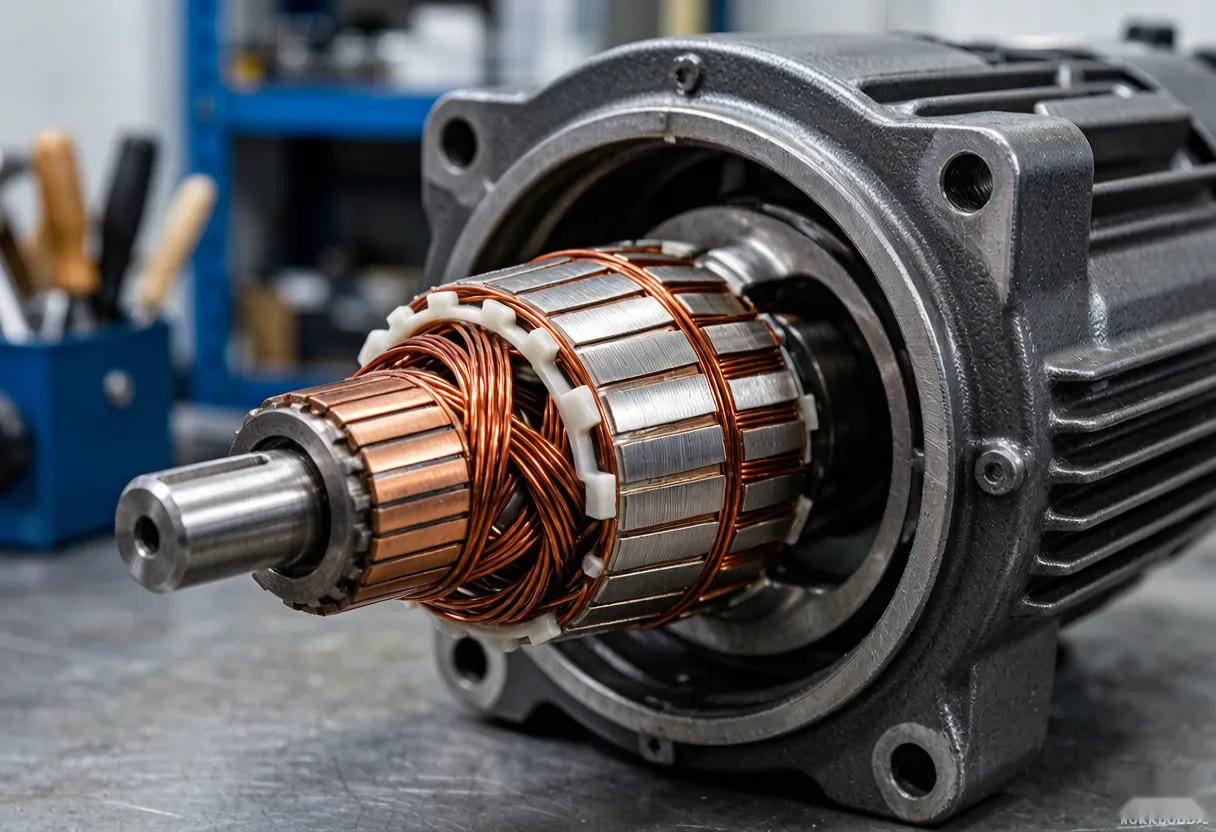 SELECTION GUIDEApplication selection notesExplore applications and requirements
The right material depends on frequency, loss budget, and cost target:
| Application | Typical Spec | Why This Material |
|---|---|---|
| SMPS Power Transformers | MnZn ferrite (PC44/PC95) | 50W–5kW switching supplies |
| Wireless Charging Coils | MnZn ferrite + FeSiAl | Qi chargers and EV wireless power |
| PFC Inductors | FeSiAl powder cores | High-efficiency power factor correction |
| Current Sensors | FeNi permalloy | Precision current transformer cores |
| EMI Suppression | MnZn ferrite beads/chips | Common-mode chokes and EMI filters |
Material datasheets available for download.
| Material | Saturation (Bs) | Max Permeability | Best Frequency | Loss Level | Relative Cost |
|---|---|---|---|---|---|
| MnZn Ferrite | 0.4T | 10,000 | 10kHz–2MHz | Low (grade-dep.) | $ |
| FeSiAl (Sendust) | 1.05T | 80–150 | 1kHz–1MHz | Low | $$ |
| FeNi 50/50 | 1.5T | 100,000 | ≤10kHz | Medium | $$$$ |
| FeNi 80/20 (Mo-p) | 0.8T | 50,000 | ≤100kHz | Medium | $$$$$ |
| SMC (Iron powder) | 1.5T+ | 20–100 | ≤100kHz | Medium | $$ |
| Nanocrystalline | 1.2T | 100,000+ | ≤100kHz | Very low | $$$$ |
We produce cores in standard and custom geometries:
For the fastest and most accurate quote, provide:
Use the material-family comparison with the operating conditions below. The separately labeled legacy table is a rare-earth reference and is not a soft-magnetic core datasheet.
For core selection, provide frequency, flux density, temperature, geometry, winding and loss limits. Material-specific curves and test conditions are confirmed for your project; the comparison above is an overview, not an interchangeable-grade approval.
The following legacy reference concerns rare-earth powders and compounds. It is not soft-magnetic core data and must not be used to select permeability, saturation or core-loss performance.
| Product | Purity / Grade | Particle Size | Packaging | Application |
|---|---|---|---|---|
| Ceria Polishing Powder | 99.5-99.9% | 0.5-3.0 μm | 25kg drum / 1MT big bag | Optical glass, semiconductor CMP, precision optics |
| Lanthanum Carbonate | 99.9-99.99% | Powder | 25kg drum | Catalysts, optical glass, FCC catalyst precursor |
| Cerium Carbonate | 99.5-99.9% | Powder | 25kg drum | Auto catalyst, glass decolorizer, UV absorber |
| Yttrium Oxide | 99.99-99.999% | 1-5 μm | 1-25kg vacuum-packed | Phosphors, laser crystals, YSZ ceramics |
| Mixed RE Carbonate | Industrial | Powder | 1MT big bag | Petroleum cracking catalyst, bulk industrial |
Amorphous and nanocrystalline components use winding, precision finishing, controlled annealing, B-H verification and shaped protective packing.
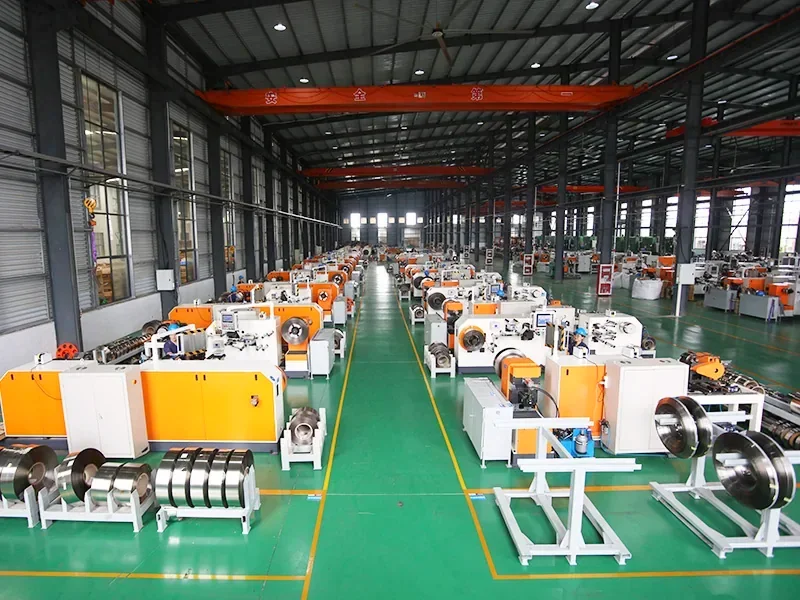
Automated winding equipment forms thin alloy strip into transformer cores.
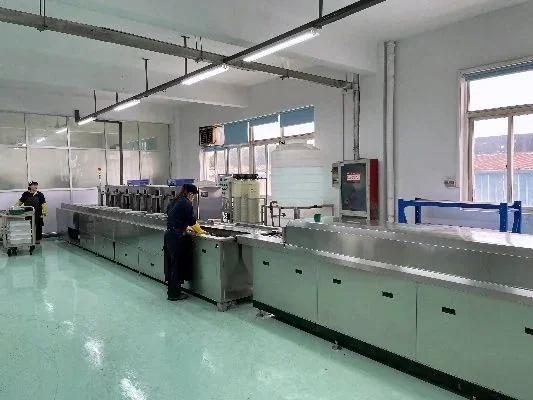
A controlled furnace line supports stable heat treatment across batches.
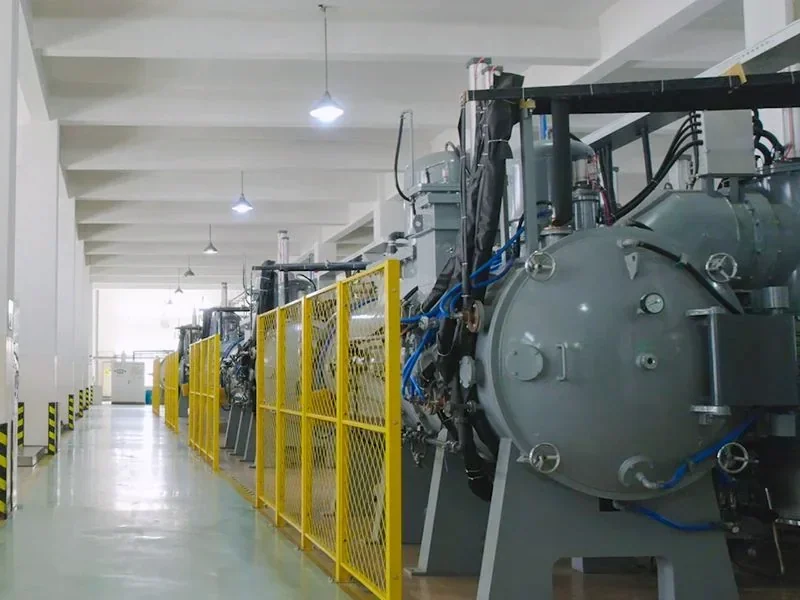
Atmosphere-controlled cycles develop the required soft-magnetic response.
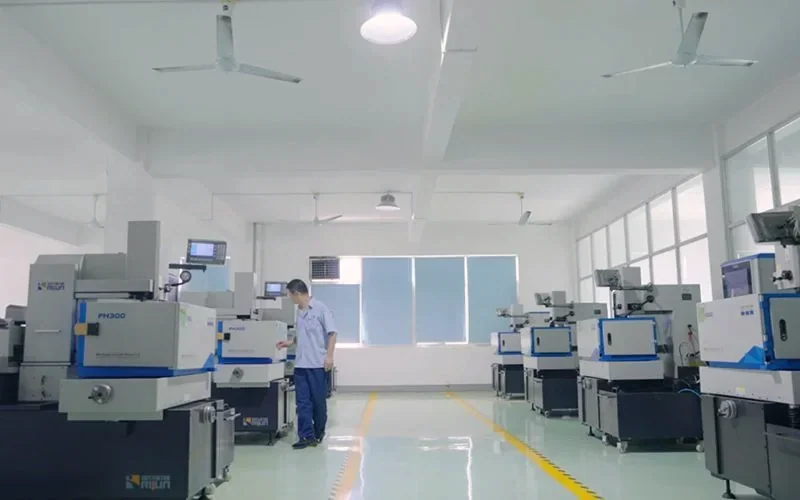
Dedicated grinding establishes critical dimensions and mating surfaces.
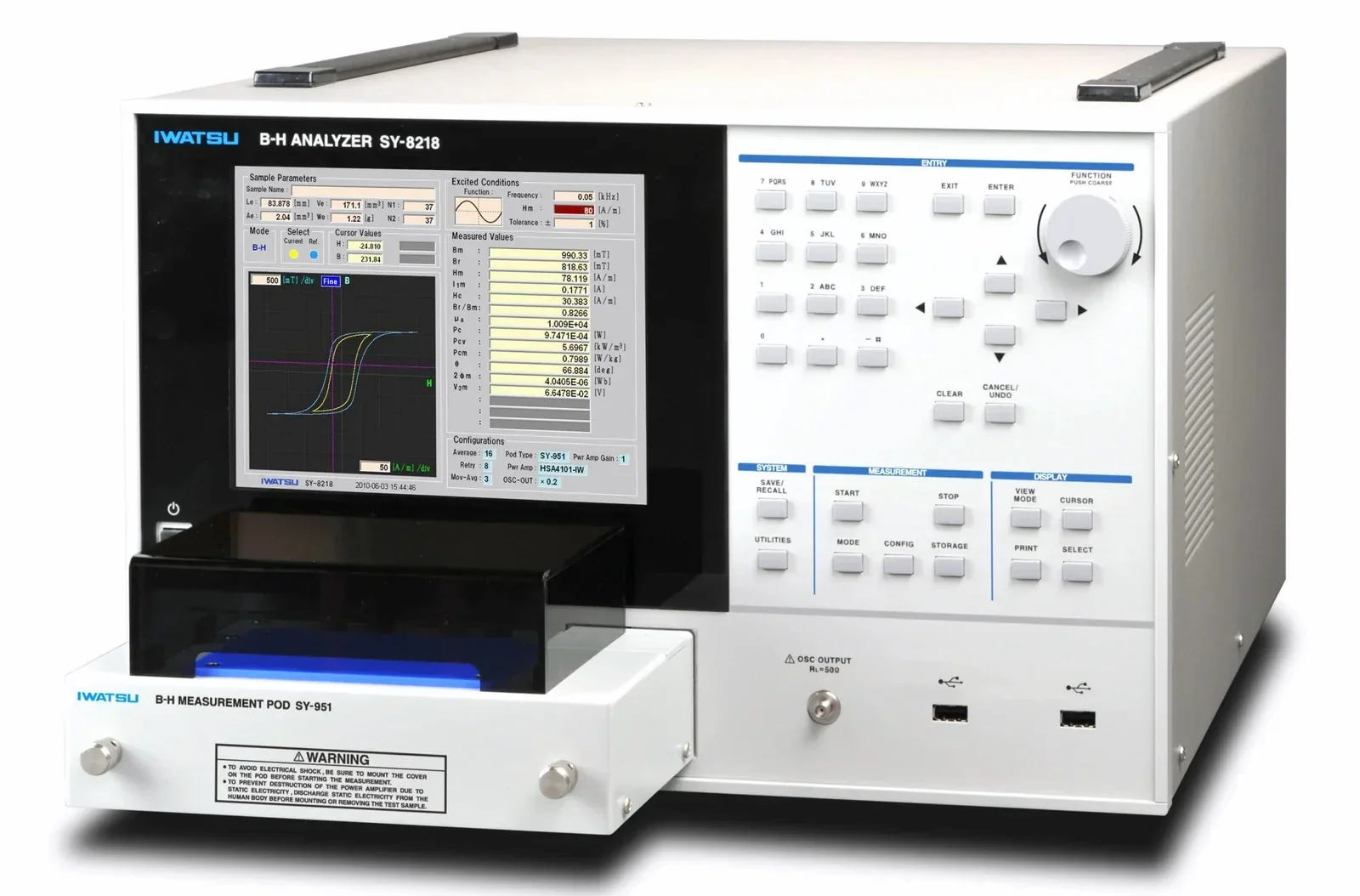
A dedicated analyzer measures hysteresis, permeability and frequency-dependent core loss.
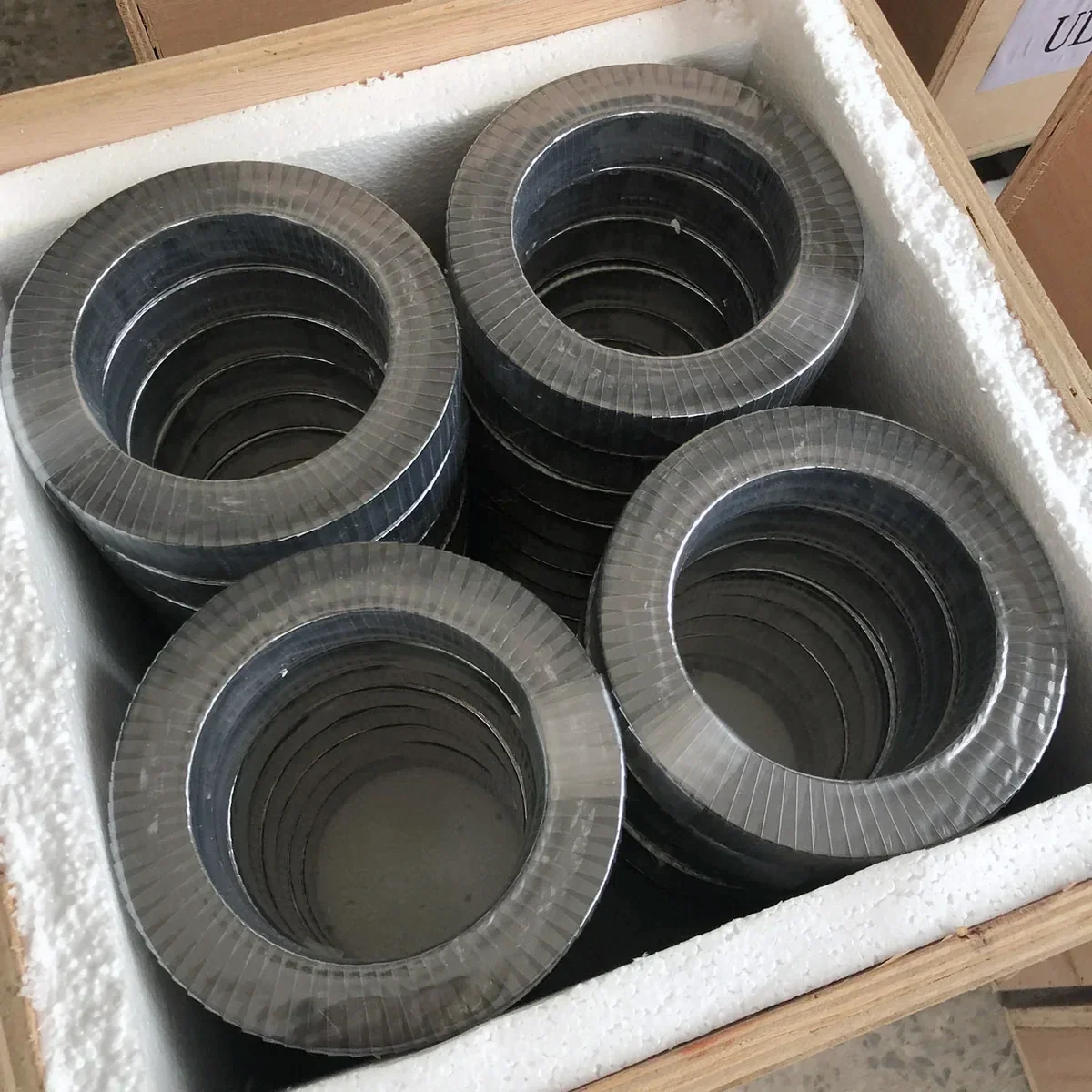
Toroidal cores are separated and cushioned to prevent chipping or winding damage.
At 100kHz: MnZn ferrite (PC44/PC95) is the standard choice — good loss and lowest cost. If you have high DC bias (inductor carrying significant current), FeSiAl powder cores can offer useful DC-bias performance, but permeability falls with bias and saturation still needs checking. Ferrite inductors often use a discrete gap; include fringing and winding losses in the comparison. Compare candidate grades using the actual frequency, waveform, flux swing, temperature and total component loss.
Yes — send the competitor's datasheet or a sample core. We'll characterize it (permeability, loss curve, saturation) and match the material and geometry. We can also cross-reference standard core designations from TDK, EPCOS, Magnetics Inc., and other major suppliers.
Yes — we offer winding services with copper magnet wire, Litz wire, and foil. Send your winding specification (turns, wire gauge, insulation class) for a quote on wound components. We also assemble cores with brackets, bobbins, and terminals for complete magnetic component supply.
Every batch carries a lot number tied to measured magnetic and electrical properties — permeability, core loss, saturation flux density.
Inductance, Q and loss verified on wound samples or your geometry per the agreed test plan.
Temperature cycling and humidity stability data available on request for demanding electronics programs.
Specify frequency, flux level and temperature alongside the required properties so results can be compared meaningfully.
Share test requirementsSend it to our engineering team — we'll match the material to your frequency, loss and flux requirements.