
Interface Protection
Mark coating-sensitive surfaces, keep-out zones and functional interfaces on the drawing before tooling review.
Submit design requirementsInjection-molded polymer encapsulates the magnet and integrates mounting features for pumps, sensors and other components. Select the magnet, resin and interfaces together, then validate dimensions, sealing and exposure resistance on the finished part.
Specify the magnet grade, coating, polymer and molded interface. Include both operating conditions and the validation requirements for the complete part.

Product forms, uses and selection considerations. Final specifications are agreed for each project.
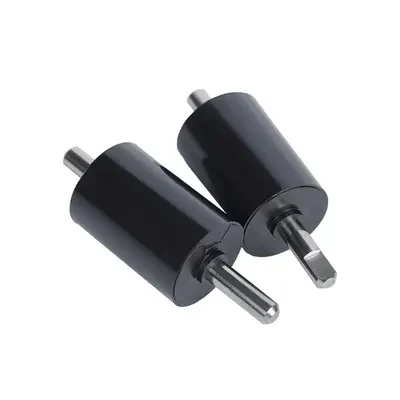
Magnet, polymer and shaft specified together.
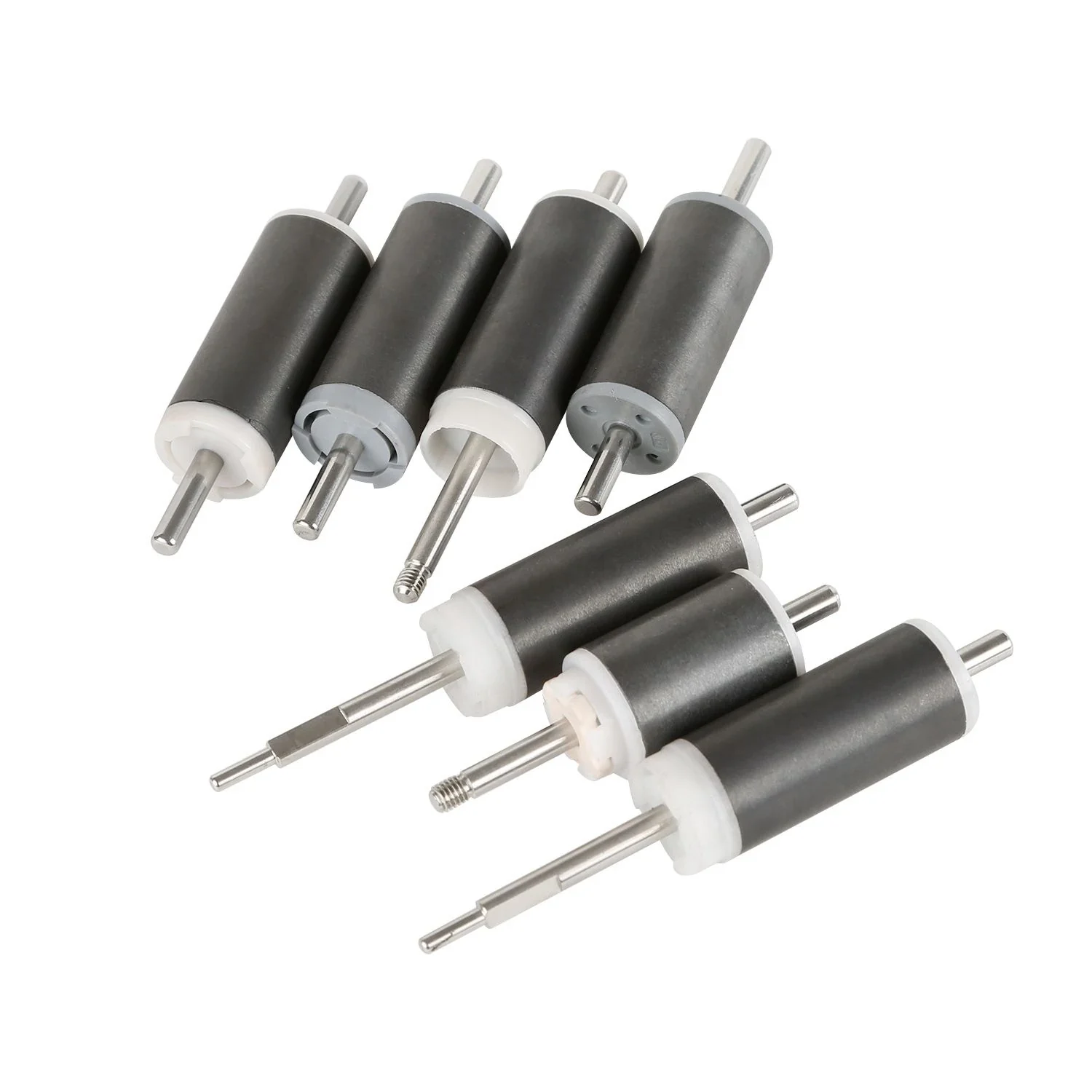
Encapsulated format with service conditions validated.
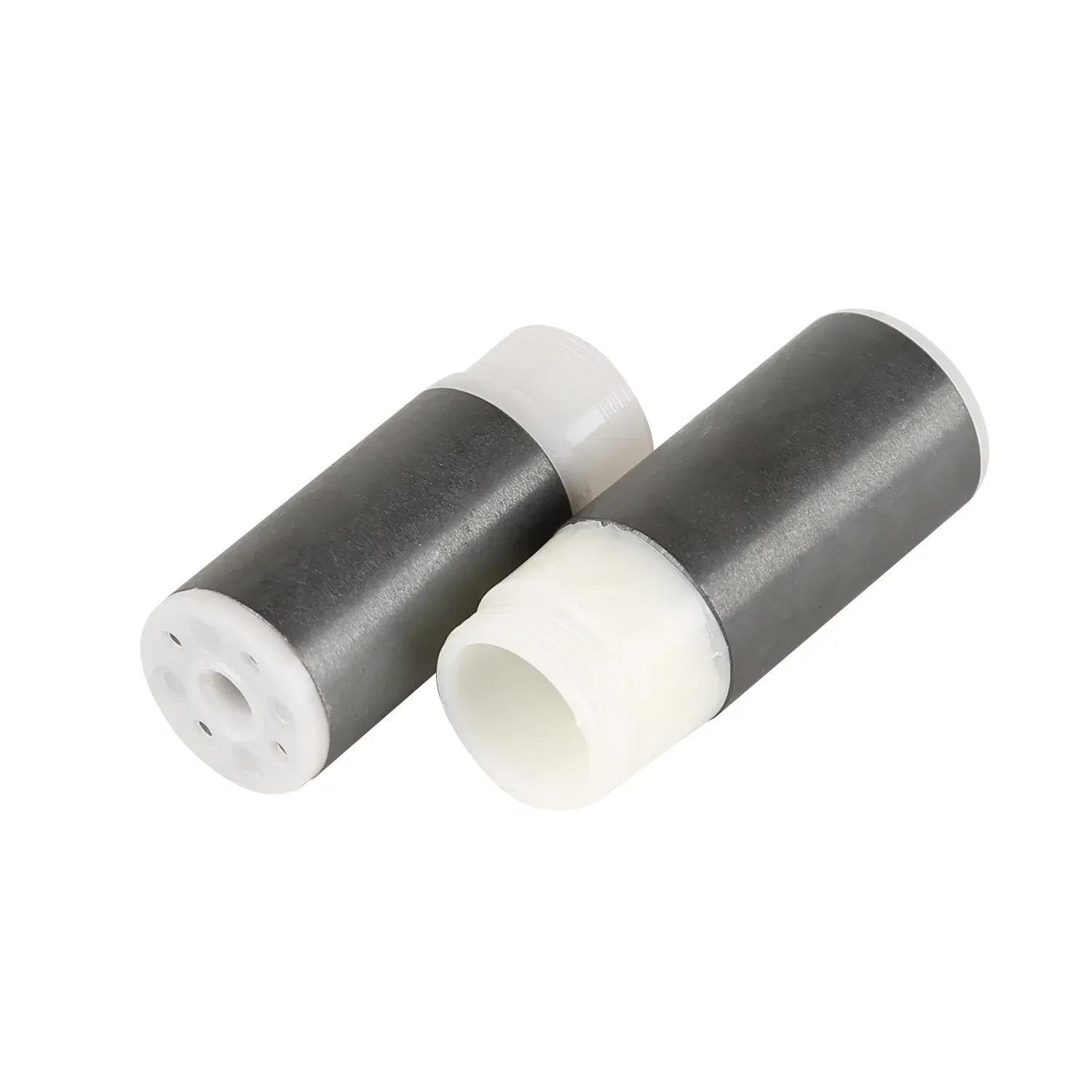
Plastic features for defined mounting and protection.
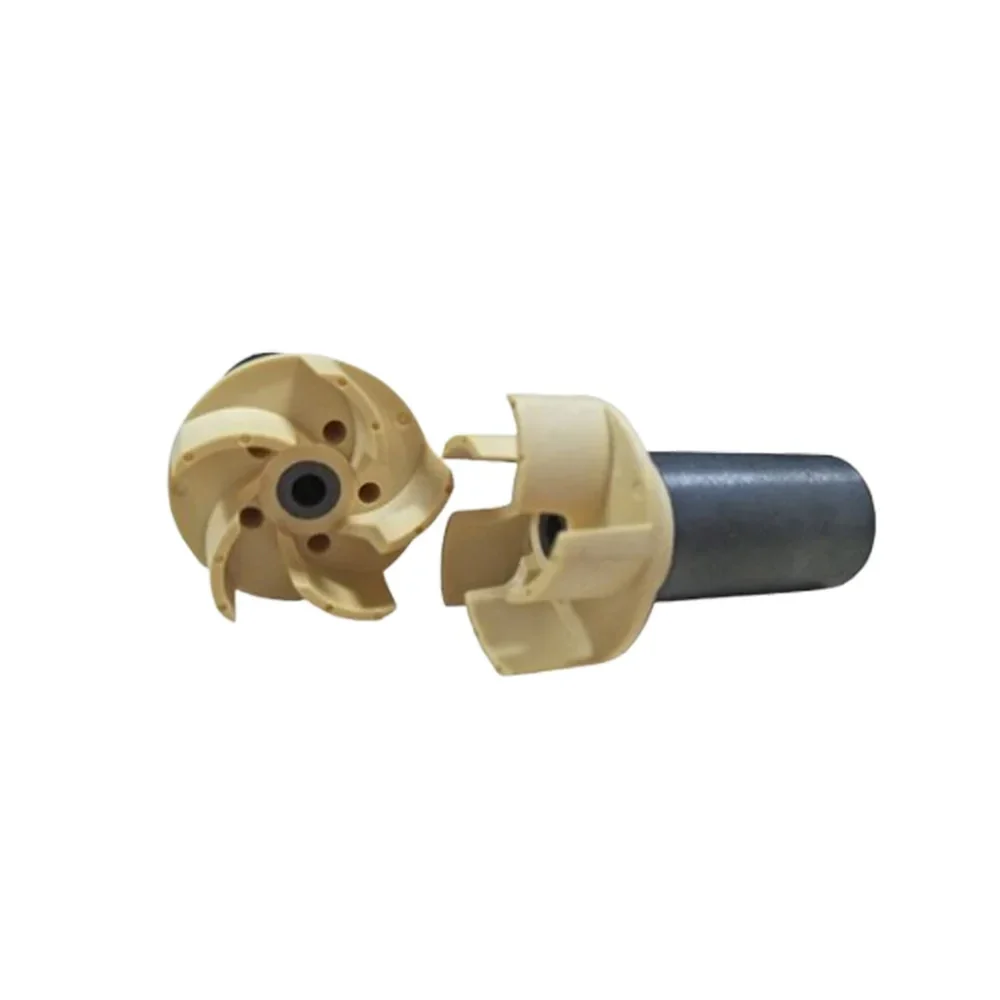
Integrated impeller and magnetic element.
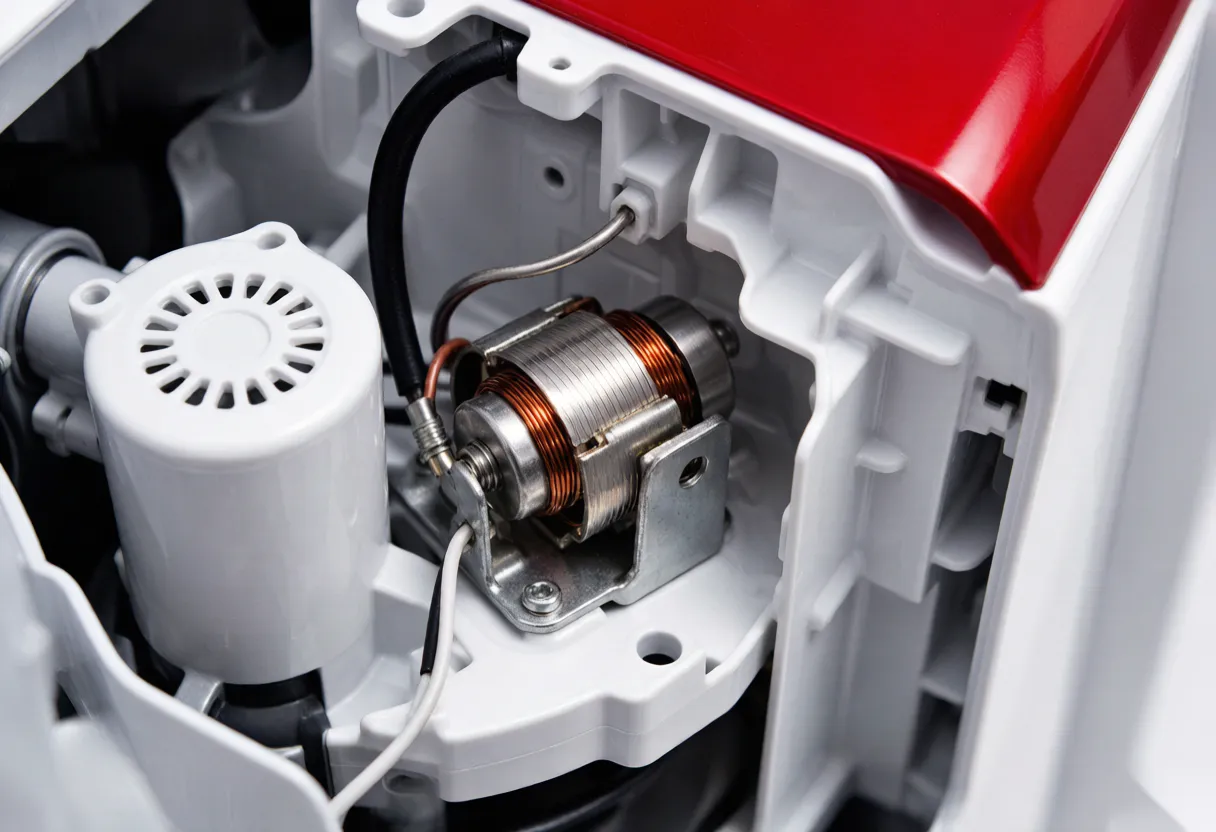 SELECTION GUIDEApplication selection notesExplore applications and requirements
Bonded NdFeB or sintered magnet + engineering polymer = the best of both materials.
| Application | Typical Spec | Why This Material |
|---|---|---|
| Circulation Pump Rotors | Bonded NdFeB ring in PPO | Wet rotor designs — no seal needed, magnetic drive |
| Medical Pump Components | SmCo in PEEK | Validate sterilization cycles, media exposure and contact requirements |
| Automotive Sensor Targets | NdFeB in PA66 | Survives 150°C engine bay + road salt |
| Food Equipment Sensors | Ferrite in PPS | IP69K washdown target — finished-part validation required |
| Flow Meter Impellers | Bonded NdFeB in PPS | Review dimensional stability and corrosion resistance in the medium |
Polymer and magnet combinations matched to your environment.
| Parameter | Options | Notes |
|---|---|---|
| Polymers | PA6/PA66, PPO (Noryl), PPS, PEEK, TPE | Food/medical: documented resin grade and end-use review |
| Magnets | Bonded NdFeB, sintered NdFeB (coated), SmCo, ferrite | Sintered requires coating before molding |
| Max size | Up to 150mm diameter | Insert molding press capacity |
| Tolerance | ±0.05mm molded dims | Critical features can be post-machined |
| Temperature | PA: 120°C / PPS: 180°C / PEEK: 250°C | Combined with magnet temp rating |
| Sealing | Up to IP67 / IP69K | IP67: IEC 60529; agree the applicable washdown standard and test separately |
The molding process constrains magnet choice:
Get the most from insert molding with these guidelines:
Overmolded parts use insert preparation, controlled polymer forming, in-process visual checks and final interface inspection before tray packing.
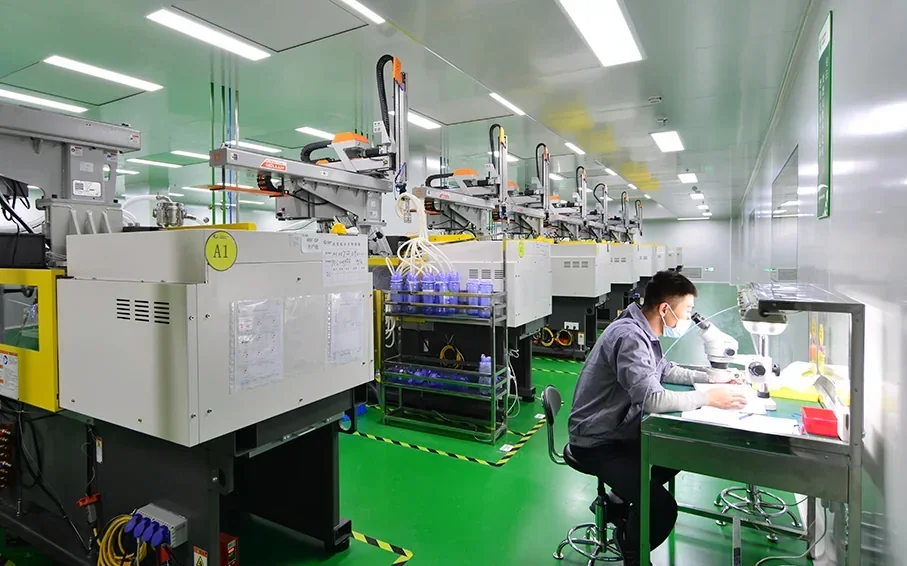
Automated cells control insert loading, molding conditions and part handling.
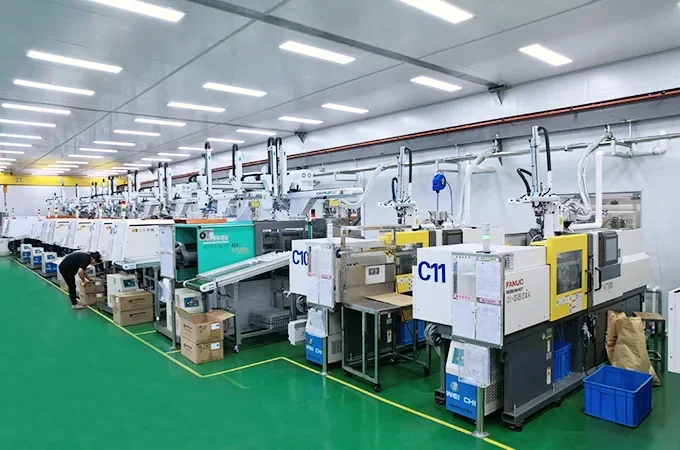
Parallel machines support repeatable encapsulation and serial output.

Optical inspection checks cracks, voids, flash and molded interface quality.
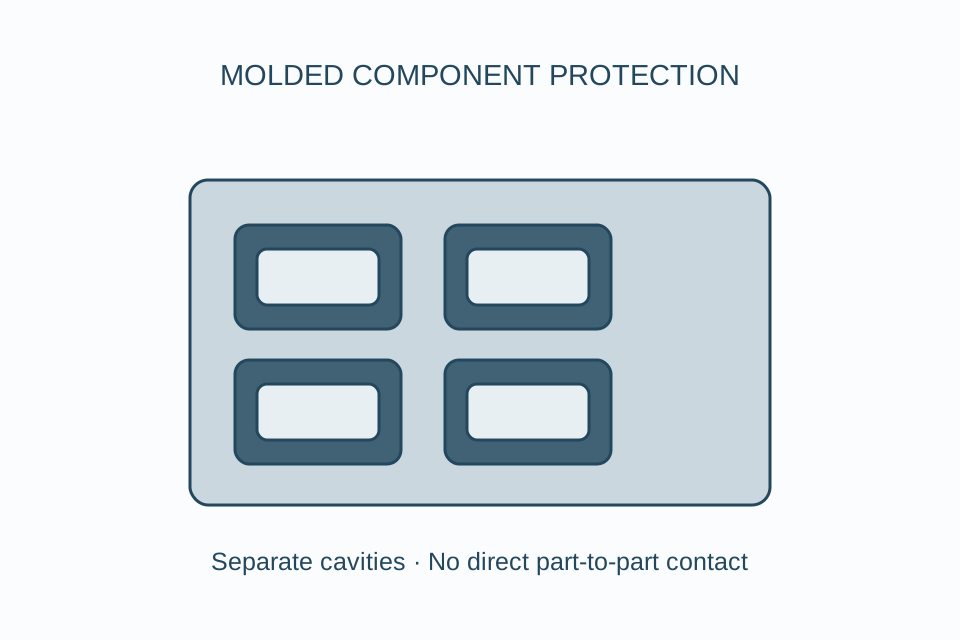
Separation and protective packing are defined for the component and shipment requirements.
Yes, when the magnet grade, coating, resin and process are compatible. Melt temperature, mold temperature and the temperature reached by the insert are different quantities; a resin service-temperature value is not an injection-processing setting. Review exposure time, magnetization sequence, coating adhesion and post-mold magnetic output during process qualification.
The published 1–3mm polymer and 15–25µm coating thicknesses illustrate different protection routes. Overmolding can integrate mounting and protection, but thickness alone does not establish resistance to salt, steam or chemicals. Compare validated exposure performance, seams, interfaces, space and tooling cost for the application.
Tooling runs $3,000–$15,000 depending on size and complexity, with 4–6 weeks to first articles. For volumes above 50,000/year, tooling amortization typically pays back within the first year via eliminated coating and assembly operations.
Food-contact and medical requirements are reviewed for the exact resin grade, additives, contact conditions and finished component. Request the applicable material declarations and test reports, and define cleaning, sterilization and packing requirements in the specification.
Adhesion and wetting verified per tool qualification; seal tested to your IP or pressure spec for submersible and fluid-contact parts.
Mold temperature profiles selected to protect magnet properties; post-mold magnetic verification confirms no degradation from the molding cycle.
Engineering polymers (PPS, PBT, PA, TPU) matched to your media and temperature; magnet substrate and coating selected for the overmold system.
Mark coating-sensitive surfaces, keep-out zones and functional interfaces on the drawing before tooling review.
Submit design requirementsSend it to our team — we'll review the design and quote it as a validated, ready-to-install assembly.