
Closed-die forging
Drawing-defined geometry, tooling, flash and machining allowances for repeat production.
Forged load-bearing components with the material, forming route, heat treatment and final machining reviewed together. Precision-metal production is coordinated through our long-term strategic manufacturing bases.
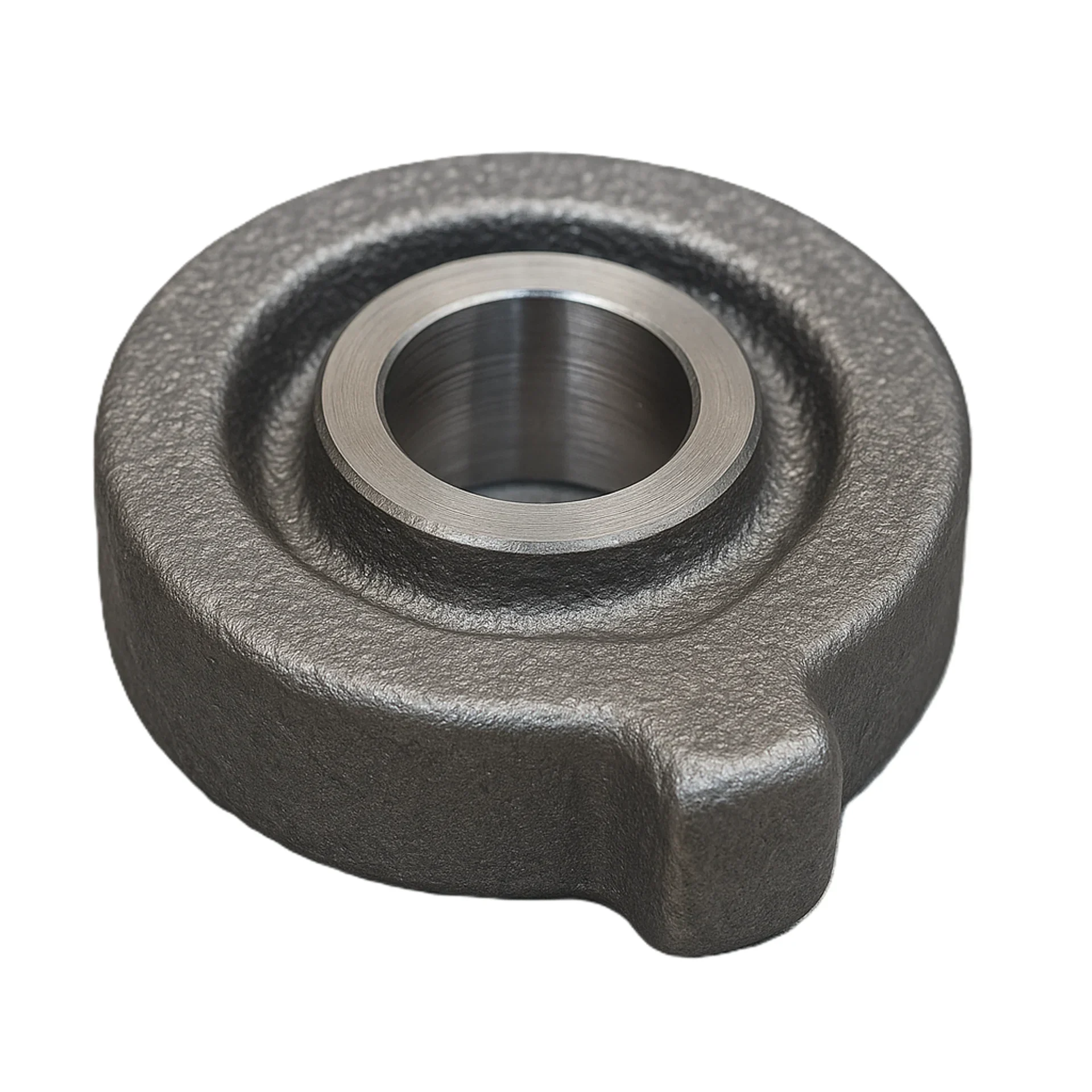
Reference forms for drawing review, not evidence of supplied alloy, manufacturing site or validated performance.
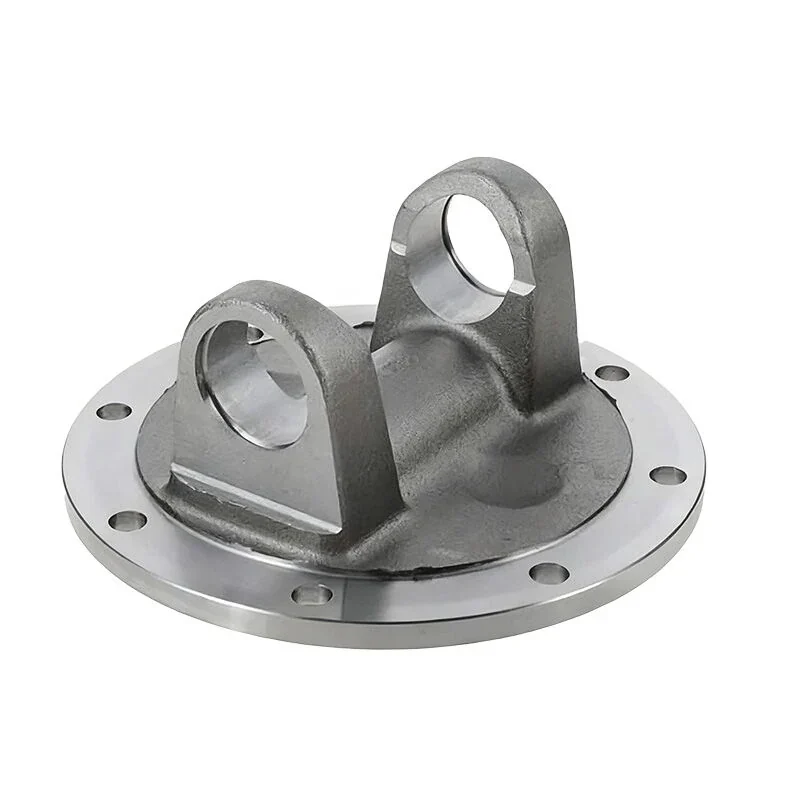
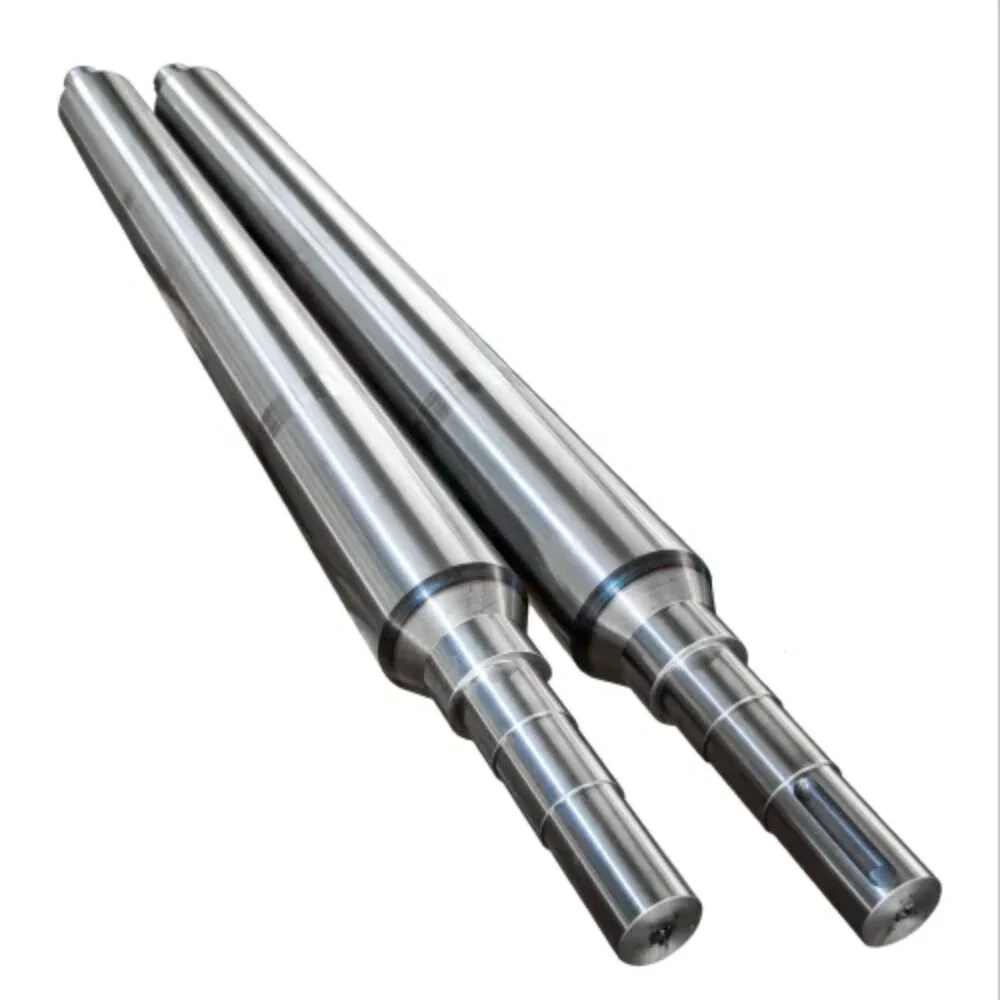
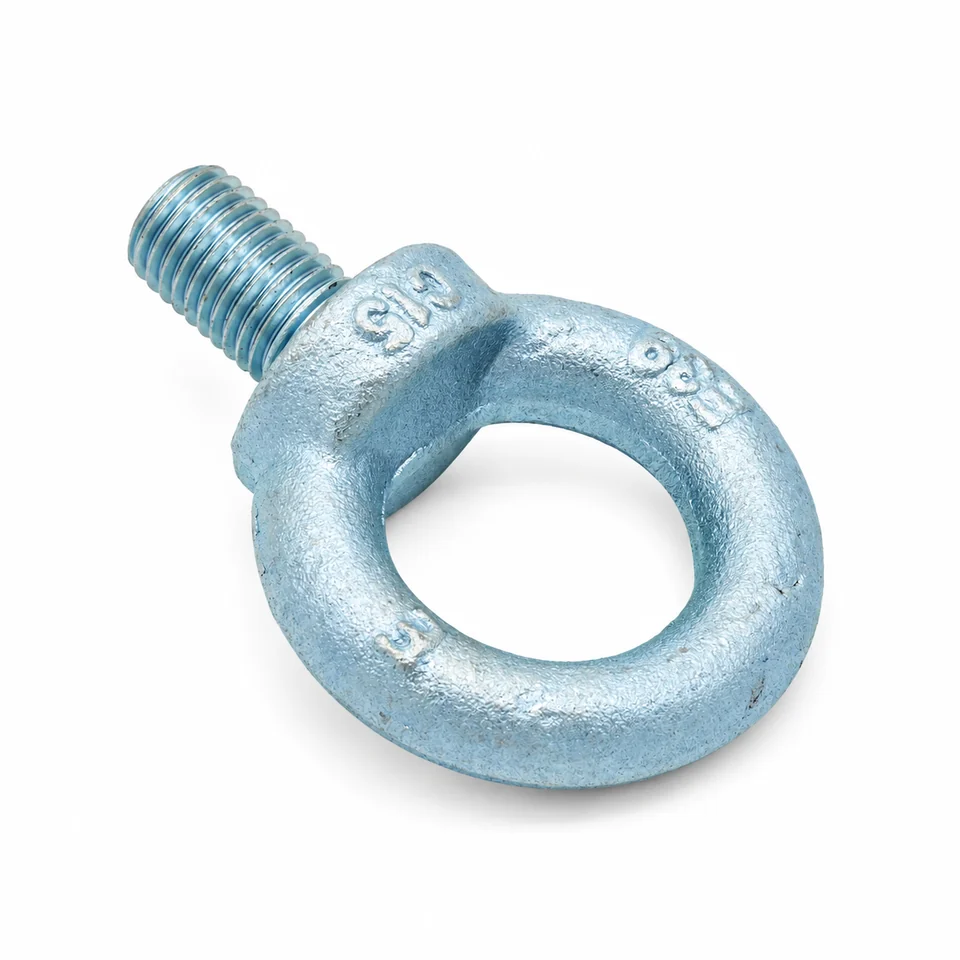
Drawing-defined geometry, tooling, flash and machining allowances for repeat production.
Larger or simpler sections reviewed around stock size, reduction and subsequent machining.
Agree material condition, critical loading directions and the required inspection records.
Production route, manufacturing responsibility, available documentation and acceptance criteria are confirmed for the particular product and order.
MOQ, lead time, packaging and commercial terms — go straight to a quotation.
Request a QuoteGrades, drawings, process data and design support for your DFM review.
Technical Guides & DFM NotesCertificates, inspection planning, traceability and PPAP / FAI support per project.
Certificates & DocumentationPacking, destination and delivery terms — discuss the shipment requirements for your order.
Coordinate deliveryForging develops a near-net shape through controlled deformation. Grade, grain flow, heat treatment and final geometry are reviewed against the load requirements.
| Application | Typical Spec | Why This Material |
|---|---|---|
| Automotive Suspension | 4140, 4340 | Control arms, knuckles — impact-loaded safety parts |
| Oil & Gas Downhole | 4130, 4140, Inconel | Tool joints, subs — high pressure + corrosive |
| Heavy Equipment | 1045, 4140 | Track links, bucket teeth adapters |
| Agricultural Machinery | 1045, 5120 | High-wear components in abrasive soil |
| Wind Turbine Components | 34CrNiMo6 | Main shafts and structural forgings |
Steel grade datasheets available for download.
| Parameter | Capability | Notes |
|---|---|---|
| Process | Closed-die (impression), open-die | Closed for parts ≤30kg, open for larger |
| Steels | 1045, 4140, 4340, 5120, 8620, 300M, 17-4PH, 410/420 SS | Plus custom alloys |
| Part weight | 0.1–30 kg (closed-die) | Heavier by open-die |
| Tolerance | ±0.5mm as-forged (draft 3–7°) | Machined to ±0.01mm |
| Heat treatment | Normalizing, Q&T, carburizing, nitriding, induction | In-house furnaces |
| Testing | UT, MT, hardness, tensile, impact | Per your specification |
| MOQ | 200 pieces (closed-die) | Open-die from 10 pcs |
Project applicability: the published process and capability references below are subject to material, geometry, feature and inspection review; they are not a universal performance guarantee.
Forging aligns the metal's grain flow with the part geometry — delivering strength, toughness, and fatigue resistance that castings and machined bar stock cannot achieve. For critical load-bearing components.
Confirm the achievable result and evidence for the specific part during technical review. Forged, cast and machined routes should be compared using the same material condition, geometry and loading requirements.
Two forging processes for different part profiles:
Forging and heat treatment work together — we handle both:
Forging programs use high-tonnage forming, cold forming where applicable, controlled heat treatment and ultrasonic verification before export crating.
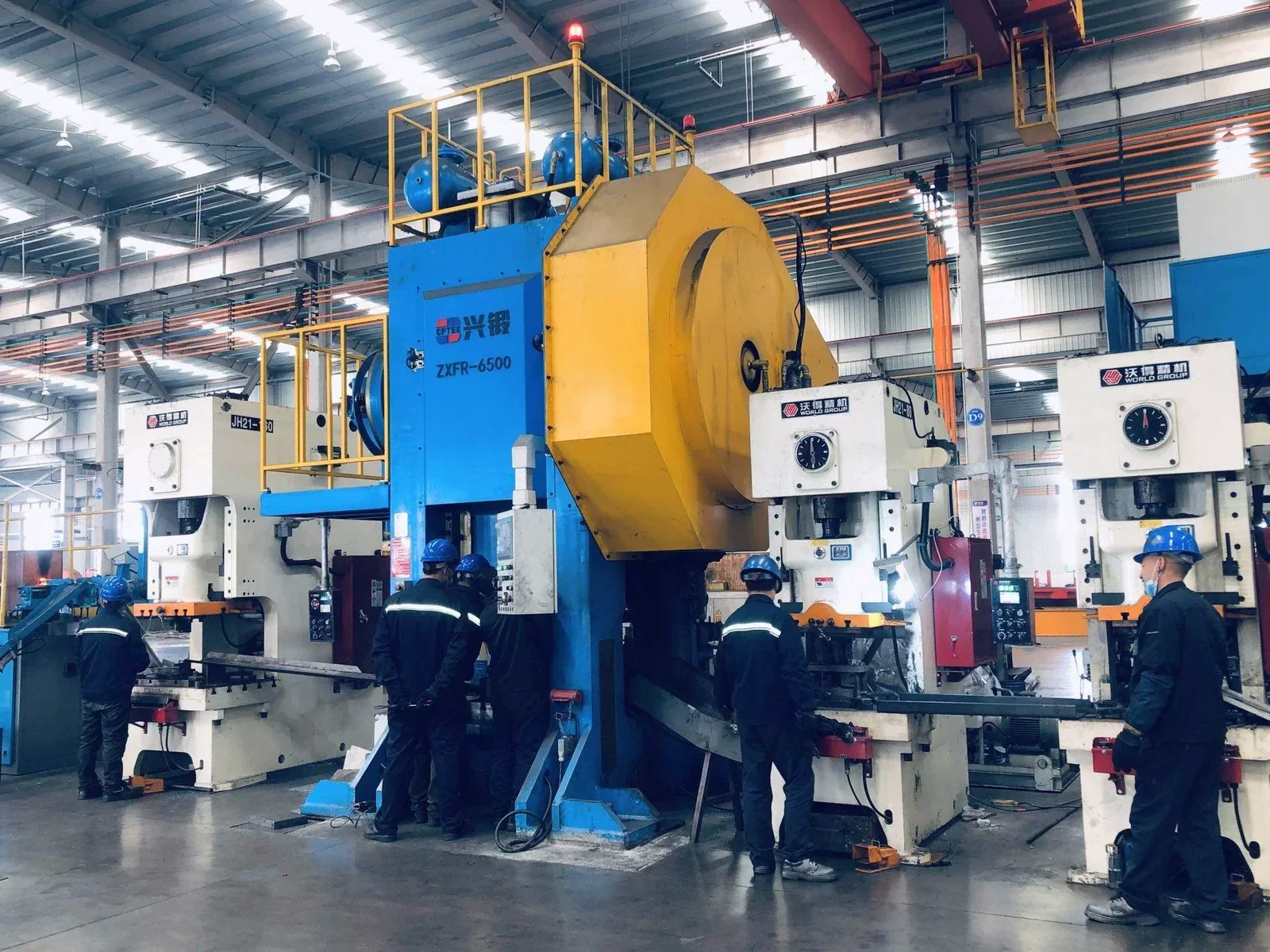
High-tonnage presses form heated billets under controlled tooling conditions.
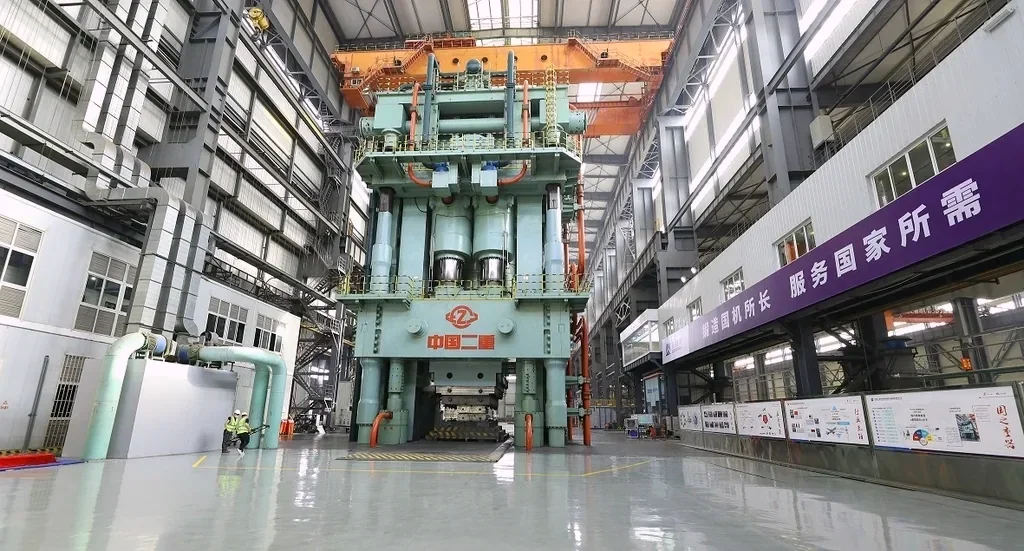
Large-scale equipment produces load-critical industrial components.
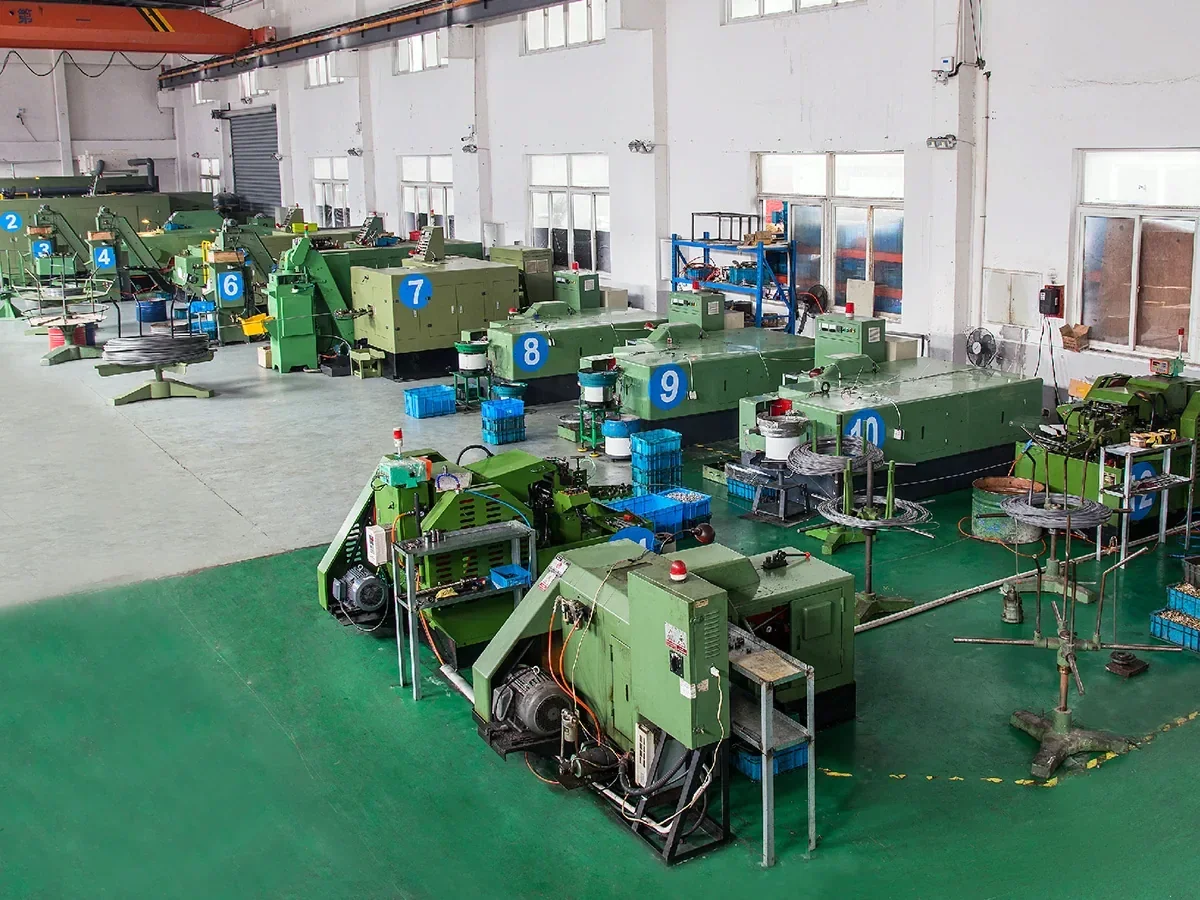
Cold-heading lines efficiently form high-volume precision parts.
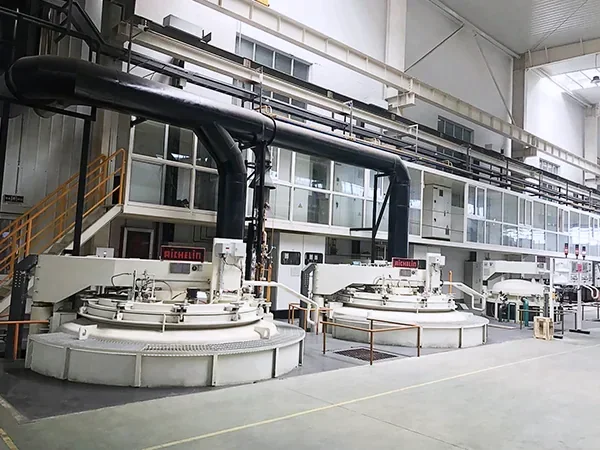
Automated furnaces control the thermal route after forming.
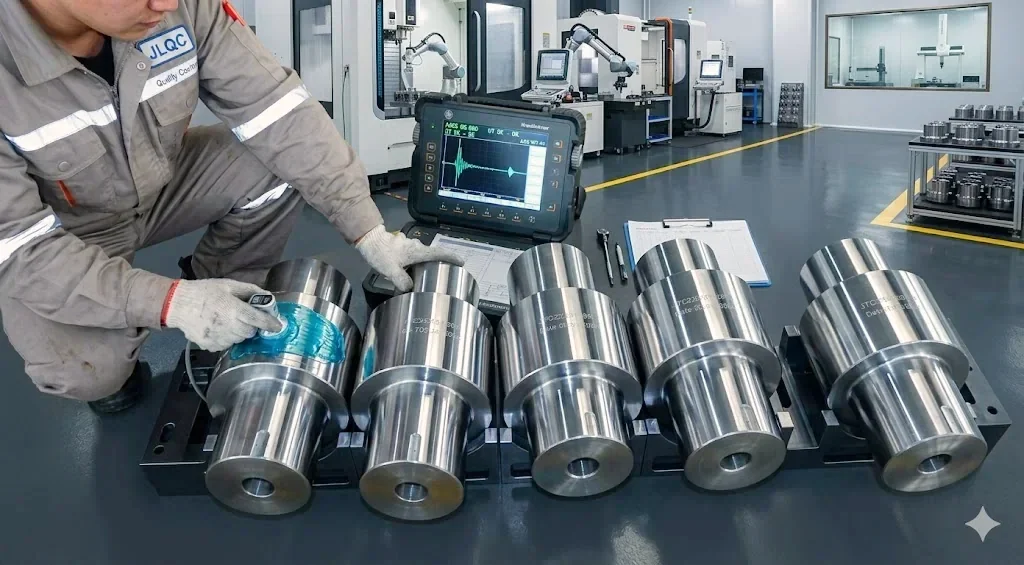
Portable UT equipment checks internal integrity without damaging the part.
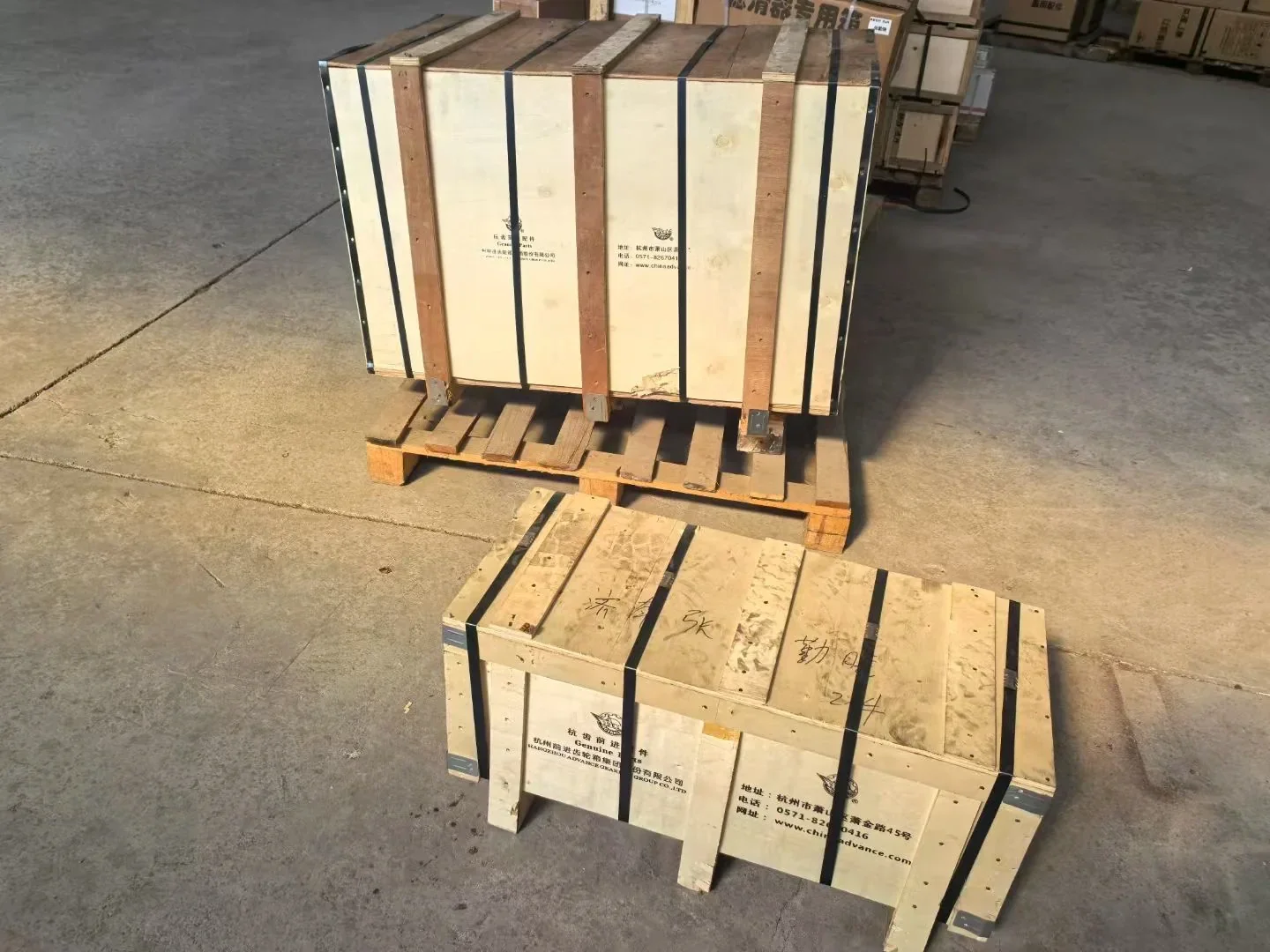
Heavy forgings are blocked, strapped and protected for long-distance transport.
Forging can orient grain flow around load-bearing geometry. Fatigue performance depends on grade, forming route, heat treatment and validation; casting or machining may be more economical for less demanding parts.
Hot forging (above recrystallization temp, ~1100°C for steel) is easiest to deform but has scale and looser tolerances. Warm forging (600–900°C) balances precision and formability. Cold forging (room temp) gives the best tolerance and surface finish but is limited to simpler shapes and softer alloys. Most industrial forgings are hot-forged.
Forging creates the near-net shape; machining finishes critical surfaces. Both routes can be coordinated with agreed datums and manufacturing responsibility.
Depending on criticality: visual + dimensional inspection (standard), magnetic particle or dye penetrant (surface defects), ultrasonic testing (internal defects), hardness testing (heat treatment verification), and destructive tensile/impact testing (sample basis per heat lot). We build the inspection plan into your PPAP.
What ships with your parts — scoped per project during quotation.
First article and AQL sampling; CMM on machined surfaces; forging die wear monitored on SPC for critical dimensions.
Chemical analysis per heat, tensile / yield / elongation, impact and hardness; grain-flow verification and UT for safety-critical forgings on request.
EN 10204 3.1 certificates, heat-treatment charts, FAI reports, and PPAP per project requirements.
Specify critical characteristics, sampling and acceptance criteria so the requested records match your part and application.
Plan the quality reviewSend it to our team for engineering review, DFM feedback and quotation.