
Site & Service Conditions
Include humidity, temperature, corrosion exposure and maintenance requirements in the engineering review.
Discuss your applicationFrom generators and motors to power electronics and structural components, our product families support multiple stages of energy systems — including wind, hydro, solar tracking, conversion and storage.
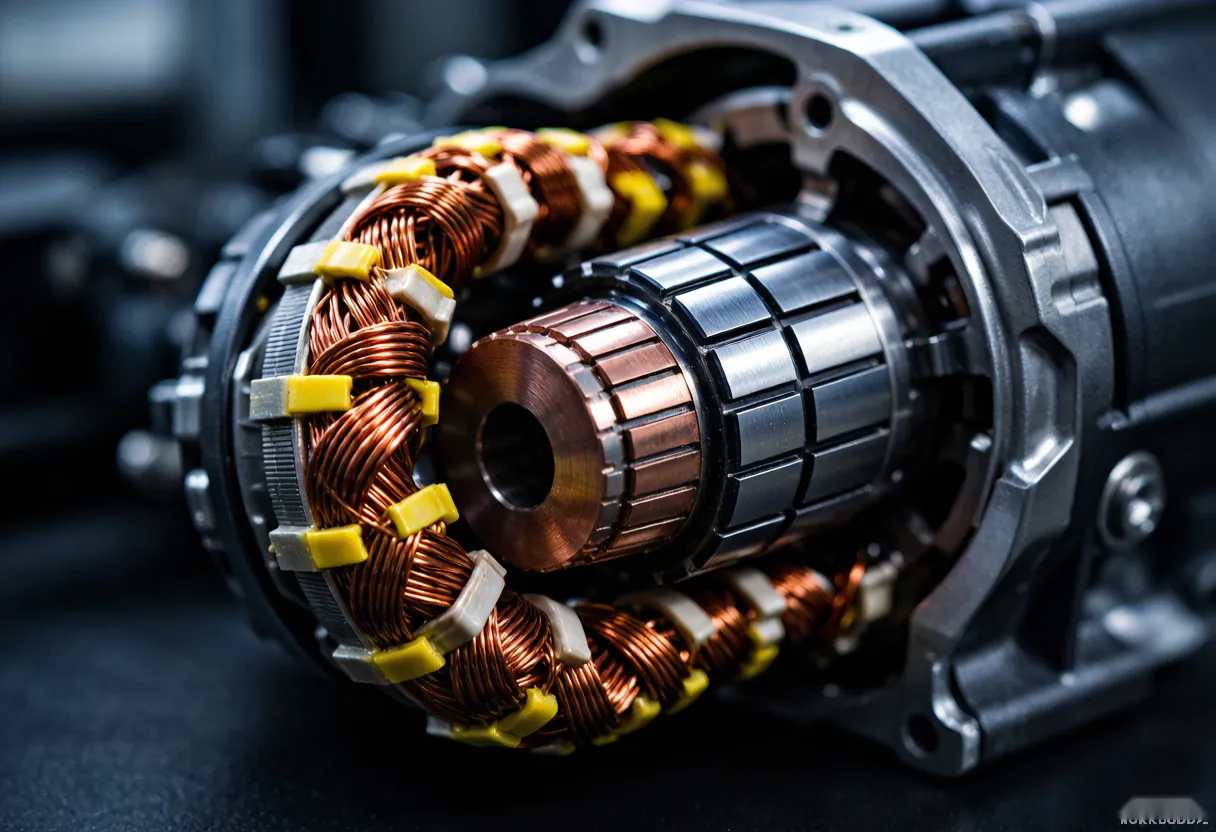
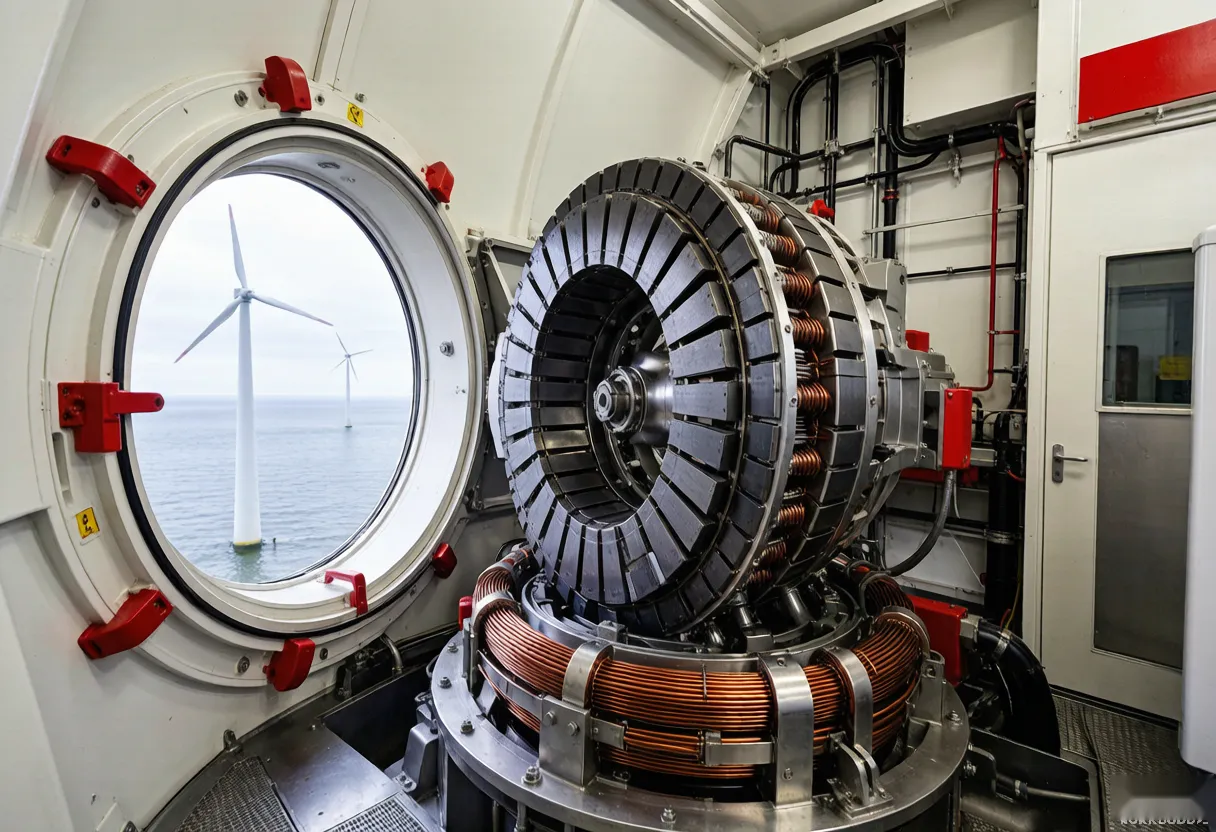
Grades selected around load, temperature and environment.
Magnetic cores for power-conversion requirements.
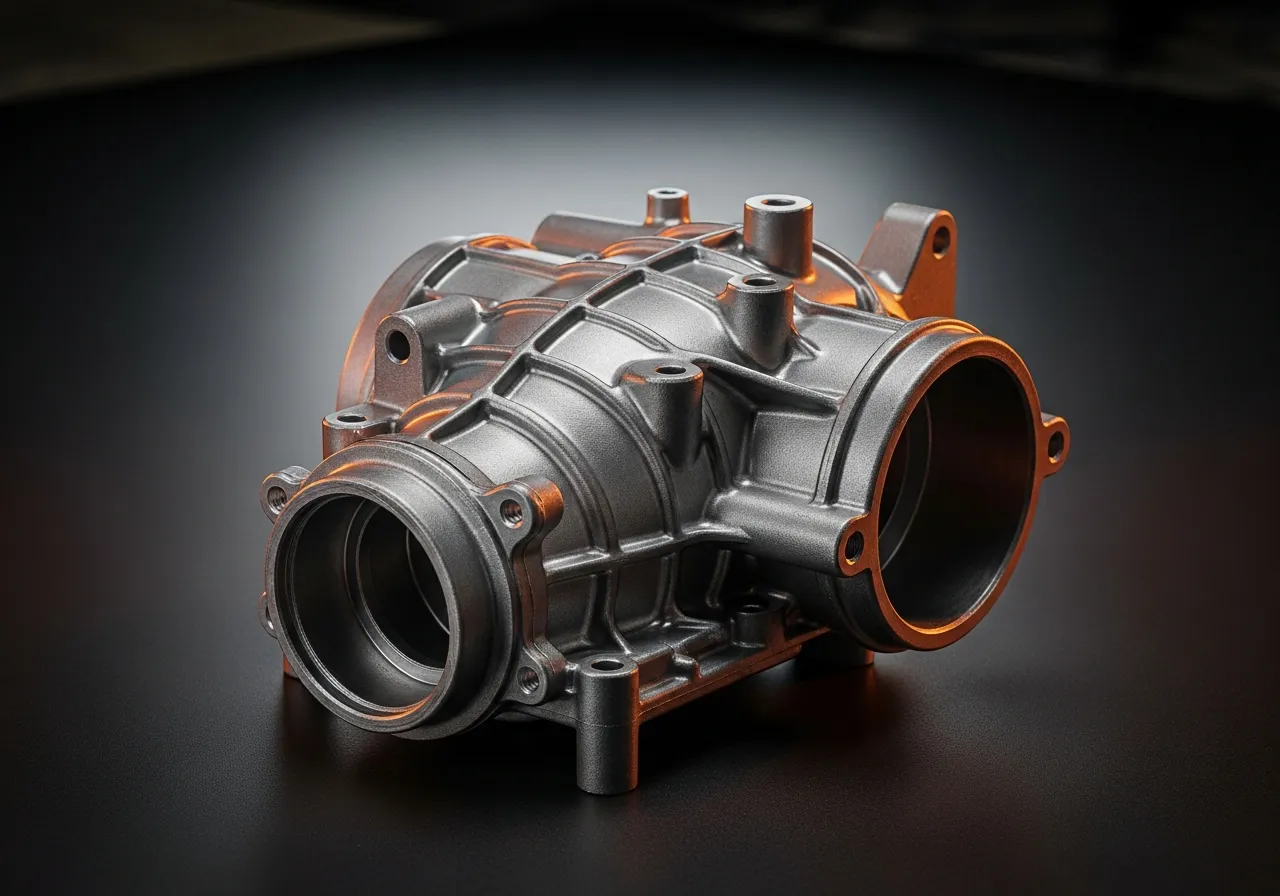
Housing, mounting and sealing interfaces for power equipment.
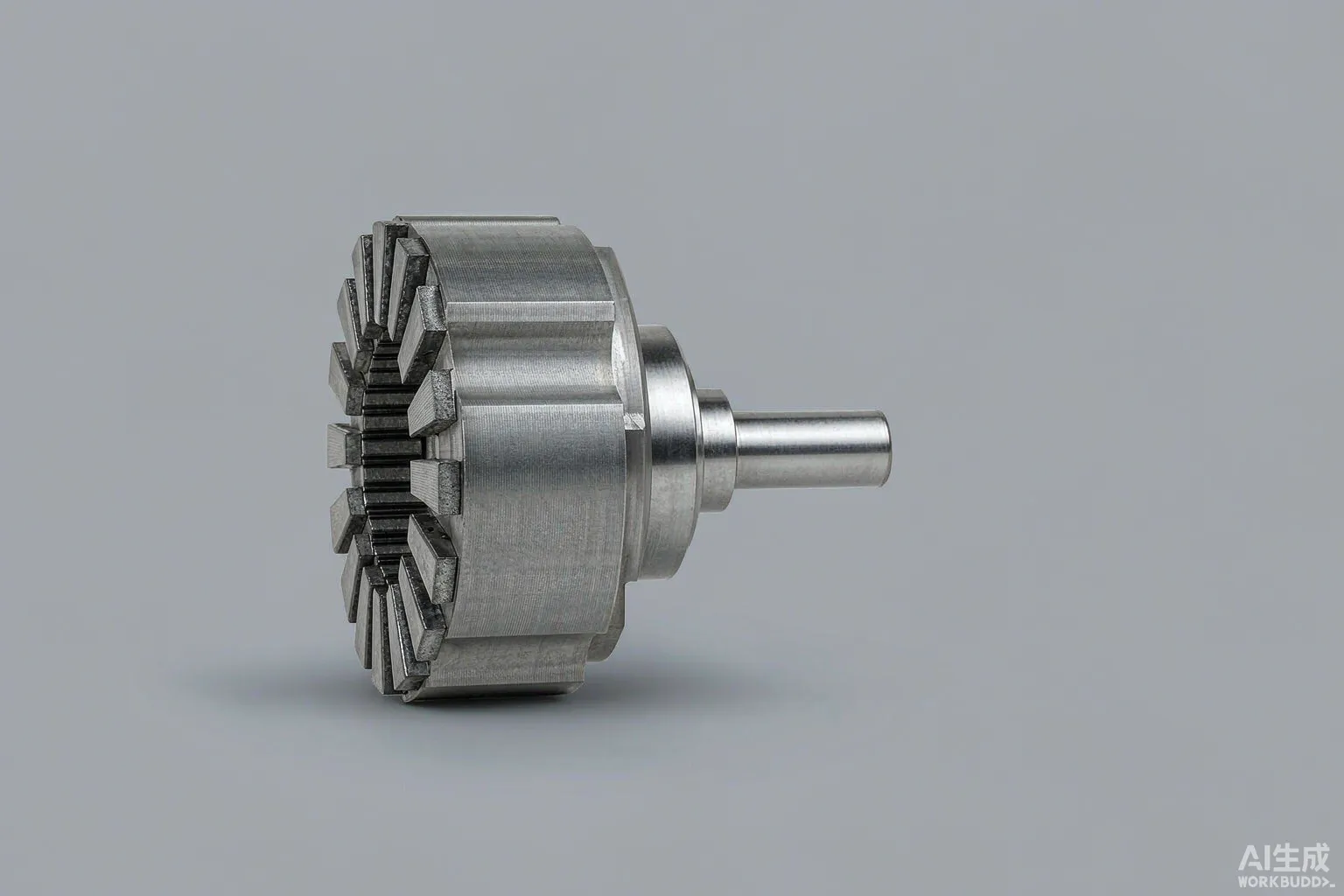
Shaft and mechanical interfaces with agreed machining and inspection.
Production route, manufacturing responsibility, available documentation and acceptance criteria are confirmed for the particular product and order.
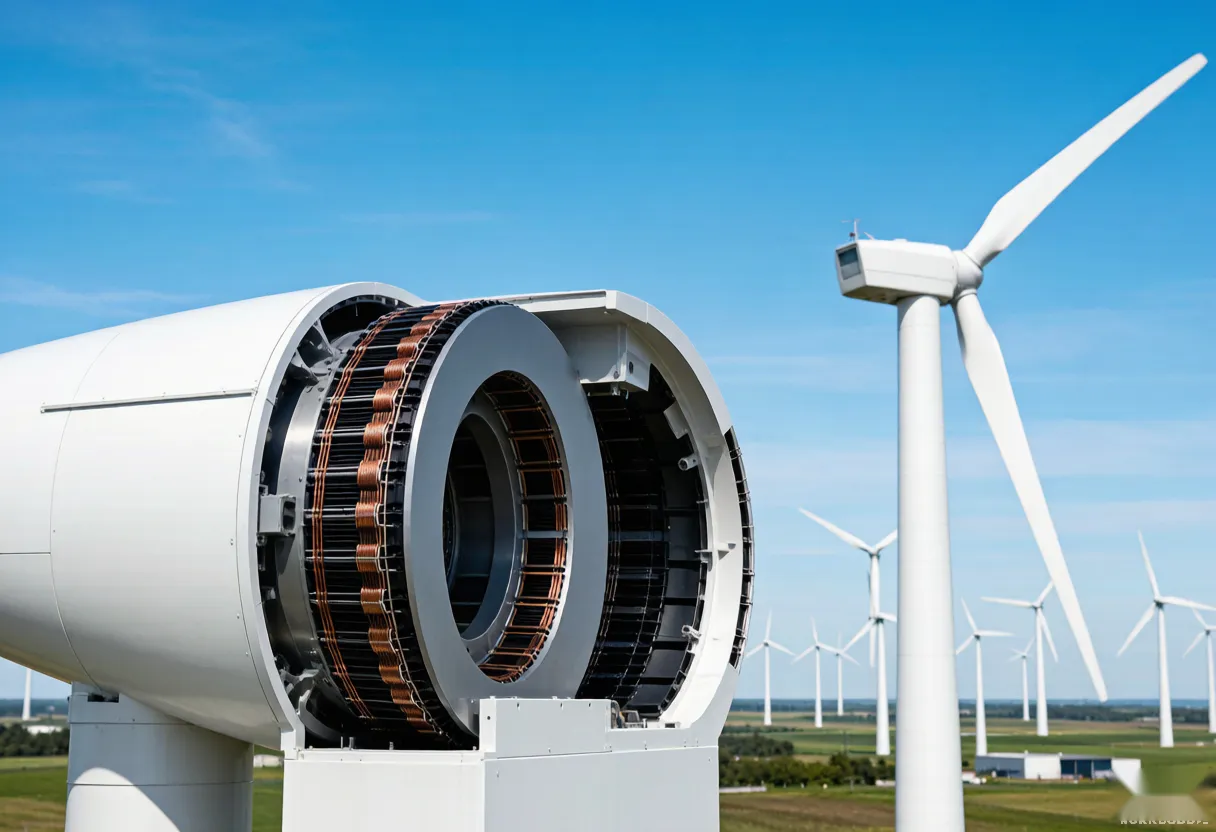
Across the energy system:
| Application | Typical Material | What Matters |
|---|---|---|
| Wind turbine generators | NdFeB N40SH–N48SH blocks | High Hc, corrosion protection |
| Hydro generators | NdFeB segments, SmCo options | Sealed, long-life operation |
| Solar tracker drives | Ferrite + NdFeB motor magnets | Outdoor durability, cost |
| Power electronics / converters | Soft magnetic cores, LTCC | Core loss, frequency stability |
| Magnetic couplings (pumps) | SmCo + NdFeB couplings | Non-contact torque transfer; containment and maintenance requirements reviewed for the assembly |
| Energy storage / BMS | Sensor magnets, die-cast housings | Consistency at volume |
Review service conditions, material protection and the long-term supply plan.
Coating systems specified and validated for the actual site environment — offshore, coastal, or inland desert.
Material sourcing, forecast-based stock and release arrangements can be reviewed for multi-year projects.
Review magnet segmentation, tolerances and protection against the generator design and site conditions.
Include humidity, temperature, corrosion exposure and maintenance requirements in the engineering review.
Discuss your applicationConfirm the relevant product, test conditions, production route and documentation before using these references as acceptance requirements.
Send your generator spec, drawing or power-stage requirements — our team can review the manufacturing route before quotation.