
Material and blank
Specify the material and stock or blank form. Identify whether the starting part is bar, plate, casting, forging or extrusion.
Factory Tour · Precision metal components
Material, geometry and drawing requirements shape the machining route.
Explore equipment photographs from a long-term strategic manufacturing base. The producing site, process route and inspection plan are confirmed for each project.
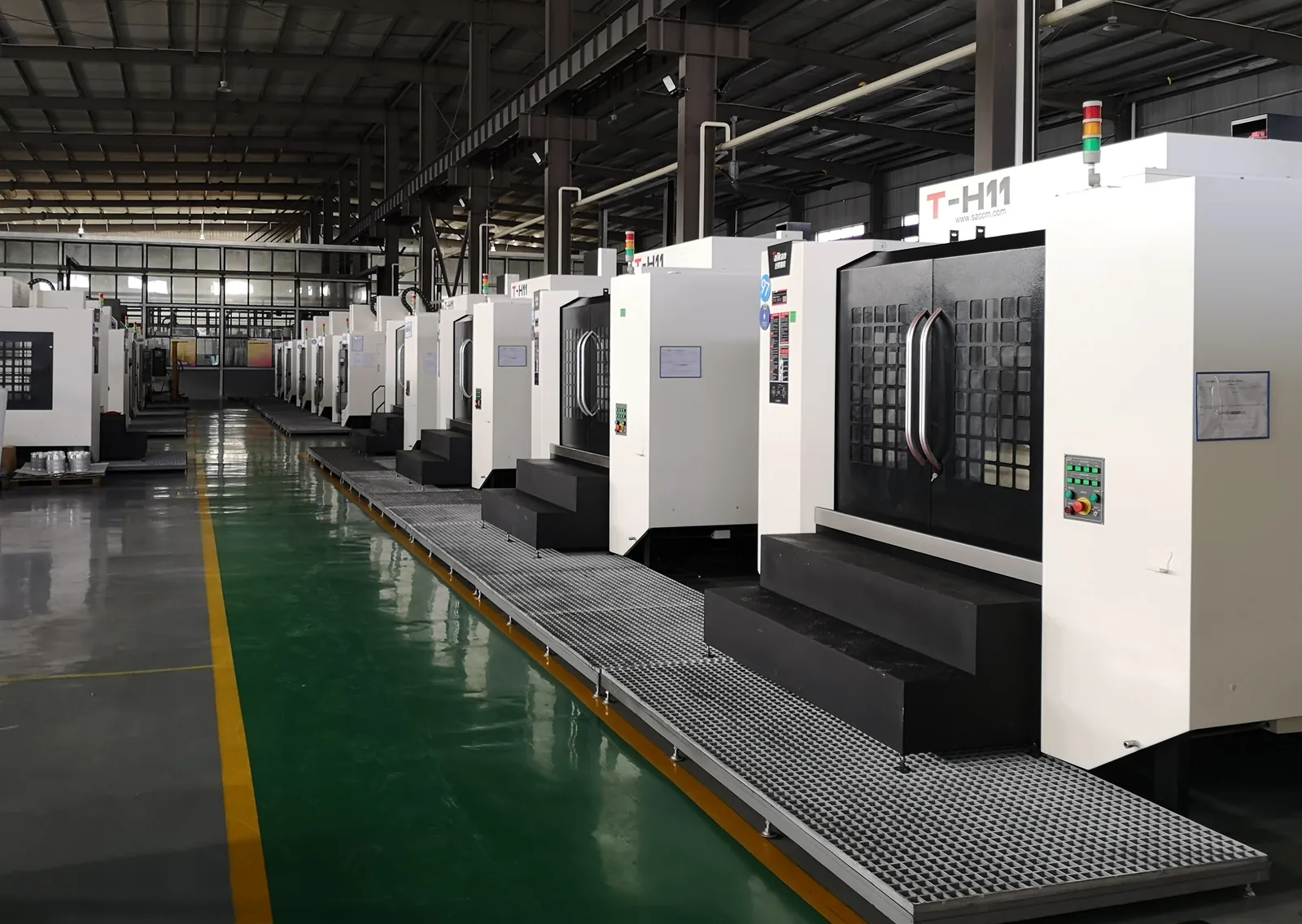
Before machining
Start with the drawing revision, supplied condition and features that matter to the assembly.
Specify the material and stock or blank form. Identify whether the starting part is bar, plate, casting, forging or extrusion.
Mark critical fits, datums, geometric tolerances and surface finish. Review tool access and how each feature will be measured.
Provide prototype or production quantities, surface-treatment requirements and the inspection documentation needed for acceptance.
Process route
The sequence follows the material, geometry and drawing. Review the route together with fixtures, finishing and inspection access.
Select the drawing-defined material and locating scheme for the stock or blank.
Check tool access to pockets, bores, shoulders and threaded features.
Coordinate fixtures, machining, surface treatment and access for measurement.
Identify critical dimensions, surface requirements and the records needed to release the part.
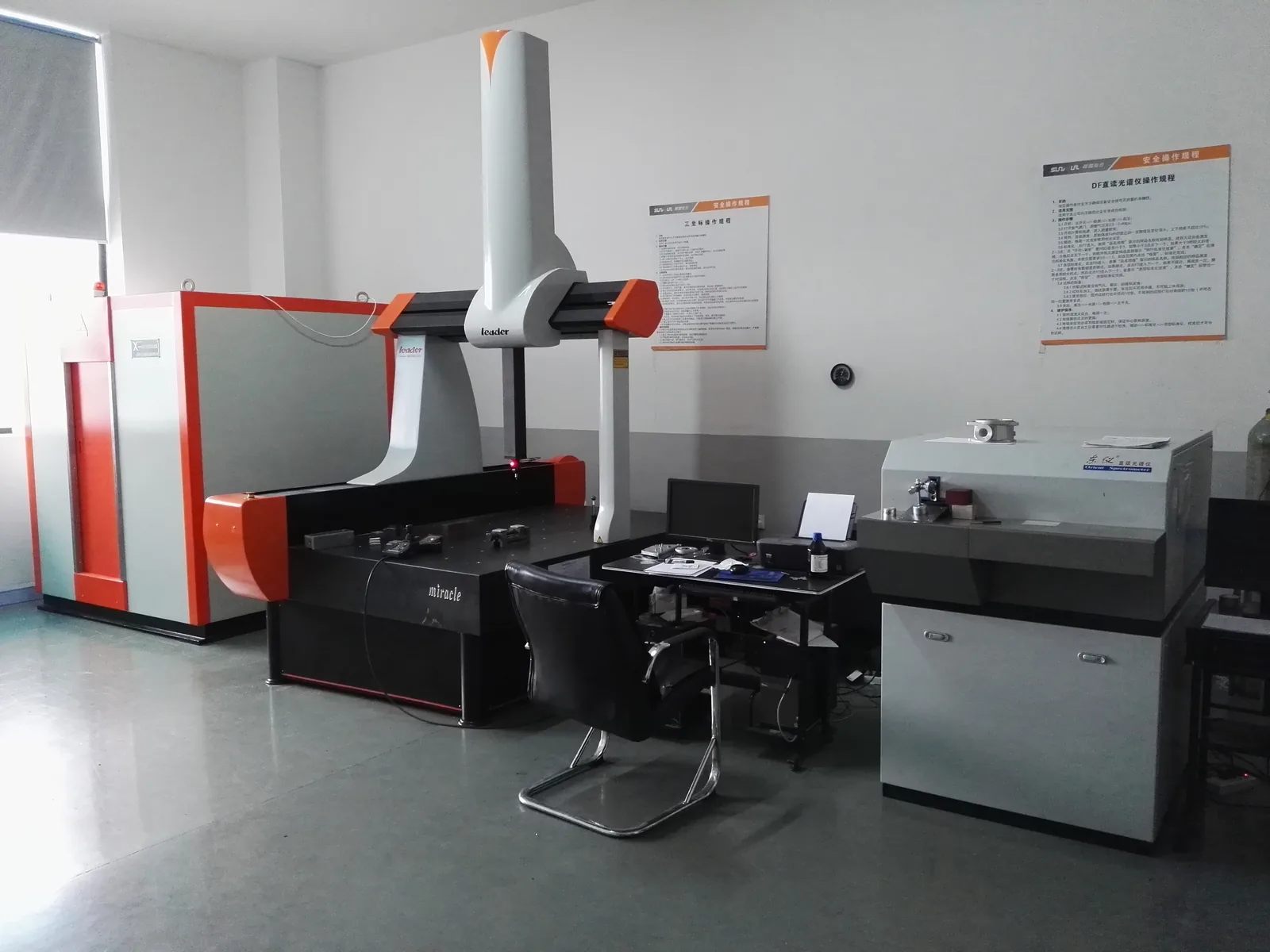
Dimensional verification
Review the CMM features, datums, inspection frequency and report scope for the part.
After machining
Grinding can establish final size, parallelism and surface finish where specified. Review the required surface condition with the dimensional acceptance plan.
Separate finished, anodized and machined surfaces to protect them during shipment. Agree packing and delivery requirements for the order.
Continue the review
Engineering review
Send the material, drawing revision, critical interfaces and expected production volume.