
Magnetic powder inquiry
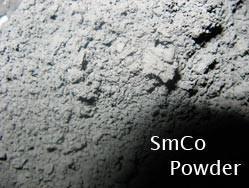
Name NdFeB, SmCo or ferrite; specify particle distribution, orientation, binder and intended compression or injection route.
Factory Tour · Process principles
Magnetic powder selection concerns a forming process and its test specimen. Rare-earth material selection concerns chemical form, composition and analytical basis. Keep those paths separate when defining the supplied lot.
The producing site, applicable route and inspection scope are confirmed for the project.
Material routes
Separate supplied forms. Traceable batch records.
Define the requirement
Name NdFeB, SmCo or ferrite; specify particle distribution, orientation, binder and intended compression or injection route.
Name the oxide, metal or alloy; state composition, purity basis, impurity limits, supply form and destination.
Process principles
Magnetic powder and rare-earth feedstock have different definitions and analytical requirements.
Review powder preparation and controlled handling against the named material family. Batch processing and particle-size verification precede sealed dispatch. The downstream forming route determines how binder, loading and orientation enter the magnetic-property review. Melt-spun ribbon is a separate feedstock form, not loose powder.

Oxides require reduction before alloying; metal can feed the alloying route but requires protection against oxidation. Pre-alloyed feedstock is another supply form. Compare oxide composition on the stated TREO basis and metal composition on the stated TREM basis; agree the analytical method and impurity limits.
Confirm material designation and whether data describe powder, a formed specimen, oxide or metal.
For magnetic powder, request particle distribution and magnetic, oxygen and moisture results under agreed methods. For rare-earth materials, request purity, rare-earth distribution and impurity results.
Agree lot identification, sealed packaging, moisture protection and the storage requirements for the selected material.
Verification and records
Do not treat an unnamed powder table as approval for NdFeB or SmCo. Confirm the material system and specimen conditions with the matching grade information.
Review the material form, destination and supporting documents before confirming supply.
Project review
Send the material or drawing definition, intended use and the acceptance records needed for review.